REVIEW · MONTEREY AND CARMEL
4 Hour Whale Watching Tour From Monterey
Book on Viator →Operated by Discovery Whale Watch · Bookable on Viator
Whales show up fast from Monterey Bay. This 3.5-hour cruise with Discovery Whale Watch pairs marine biologists with real wildlife spotting tips, so you’re not just looking—you’re learning what you’re seeing.
I like that the narration is part science lesson, part practical field guide, including how whales use this coast during migration. You’ll also get conservation context while the crew helps collect sighting data for research.
I also love how much effort goes into your photos. The crew coaches photo/video angles and even shares advice that helps you aim faster, especially when whales surface unexpectedly. And when humpbacks linger or feed close to the boat, the whole bay suddenly feels very personal.
The one drawback to plan for is the ocean itself. Several departures can feel choppy—one guest specifically warned that even with Dramamine, seasickness can still hit—and the speaker volume can be tough to hear in rougher conditions. If you’re sensitive, choose your seat wisely and dress for cold wind once you’re out of the bay.
In This Review
- Quick hits from this Monterey whale-watching tour
- Getting to the water: Fisherman’s Wharf and your 9am start
- What you’re really paying for: 3.5 hours of guided whale-spotting
- How the naturalist narration keeps sightings from becoming random
- Photo tips that actually help (and a plan for phone shake)
- Where the action happens: time on the water, plus photo-friendly pauses
- Weather, wind, and motion: how to avoid the roughest surprises
- Small boat math: comfort, safety, and what “max 30” means
- What’s included—and what you’ll want to bring
- Price and value: is $85 worth it for Monterey whale watching?
- Who should book this Monterey whale-watching cruise?
- Should you book Discovery Whale Watch from Monterey?
- FAQ
- Where is the meeting point for the whale watching tour?
- What time does the tour start?
- How long is the cruise?
- What wildlife will I be looking for?
- Is coffee or tea included?
- Are food and drinks included?
- What should I bring?
- Can I cancel for a full refund?
- Are there age rules for alcohol and children?
Quick hits from this Monterey whale-watching tour
- Small group feel (max 30 travelers) makes spotting and stopping points feel more efficient.
- Marine biologist or naturalist narration turns whale sightings into real learning moments.
- Photo help on the water goes beyond “good luck”—you get tactics for angles and timing.
- Coffee/tea included, but bring your own snacks and water since food isn’t included.
- Choppy-water readiness matters, especially in fall into winter when the Pacific can get bumpy.
Getting to the water: Fisherman’s Wharf and your 9am start
The tour begins at Old Fisherman’s Wharf at 66 Fishermans Wharf, Monterey, CA. Plan to arrive 30–45 minutes early because the time listed is when the boat leaves, not when you start wandering around taking photos.
This early departure is a big deal. Monterey Bay often turns into prime viewing quickly, and getting out on time means you spend more of your cruise actually searching rather than sitting at the dock.
You can also read our reviews of more tours and experiences in Monterey and Carmel.
What you’re really paying for: 3.5 hours of guided whale-spotting
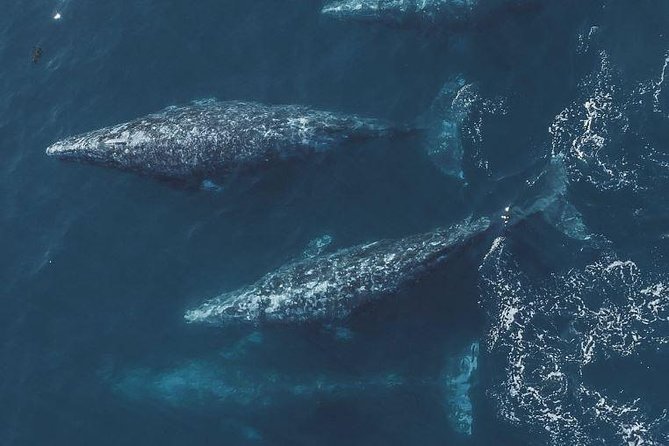
At a price of $85 per person, you’re not just buying a boat ride—you’re paying for the “find the animals” part of whale watching. The key value is that you’re guided by a marine biologist or naturalist, plus a deckhand who helps with spotting and operations.
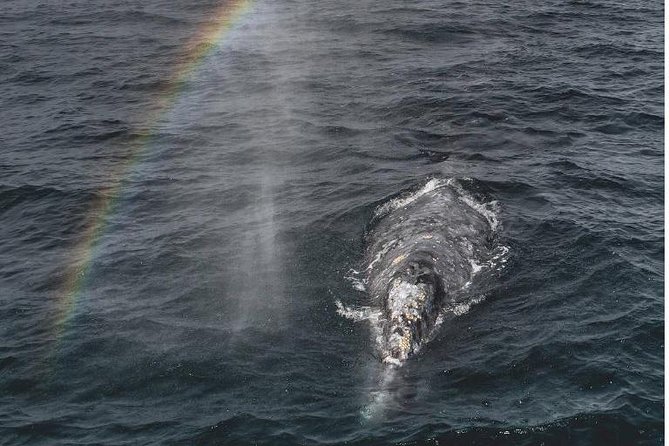
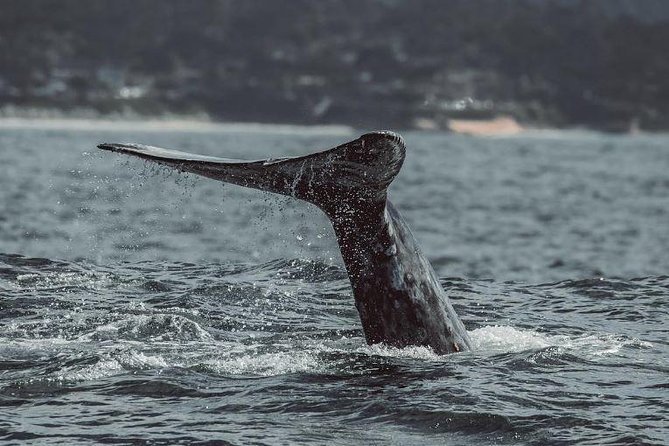
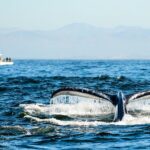
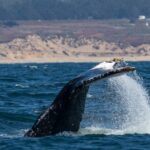
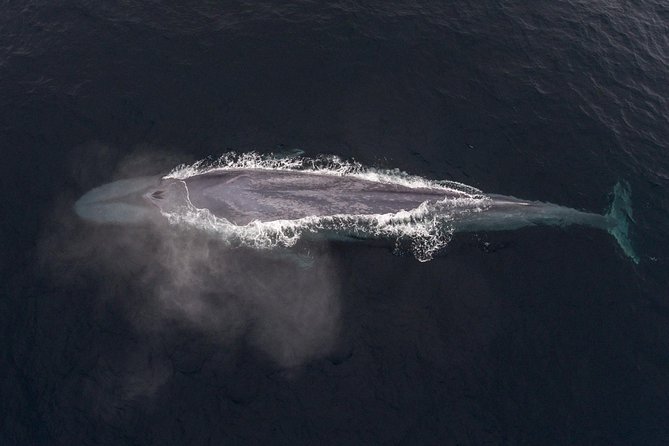
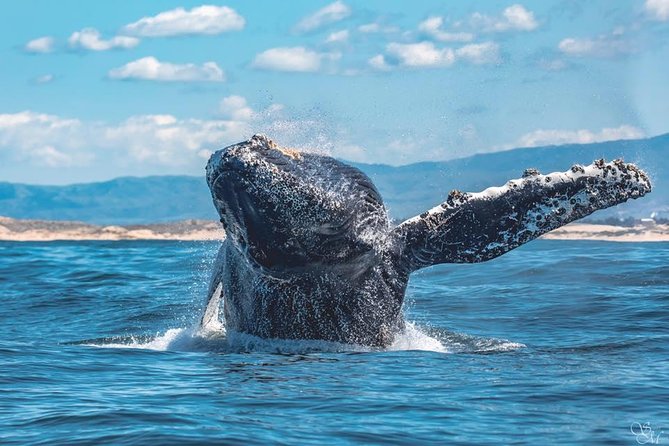
The experience is built around whale migration and the local ecosystem. You’ll look for gray whales (most common in this area), along with humpbacks and blue whales, plus other wildlife such as dolphins and sea lions. Birds are also on the menu, and they can be a clue that something is going on below the surface.
And while you’re out there, the crew isn’t just narrating. They’re also collecting sighting data for scientific research, which adds a grounded purpose to the trip (it’s not only about the thrill).
How the naturalist narration keeps sightings from becoming random
A lot of whale tours give commentary. This one aims to make it usable—what to look for, why the whales are here, and how the habitat works.
The guides provide local natural history and conservation info as you cruise. They also explain practical whale behavior and help you understand what you’re seeing when the spouts show up, when the water changes, or when dolphins start moving like they’re herding something.
You may also hear guide names pop up in the lineup—people have mentioned narrators such as Isaiah, Cory, JJ, Colby, and Ryan—and that variety matters. Different voices explain the bay in different ways, and you’re likely to catch something that clicks for you fast.
Photo tips that actually help (and a plan for phone shake)
The tour actively sets you up for better pictures. Before you get too frustrated staring at open water, the crew gives guidance on photo and video techniques, including where to aim when wildlife surfaces.
If you’re filming on a phone, bring something to steady it. One guest specifically called out using a phone stabilizer to improve results—good advice because even when the whales cooperate, the boat movement doesn’t.
Also think in “bursts,” not perfect single shots. Whales can surface, exhale, and move on fast. Faster aiming and a quick shutter habit often beat trying to stage the perfect moment.
Binoculars help too. The tour encourages them, and in a bay like this, they’re the difference between seeing a shape and actually recognizing what you’re looking at.
Where the action happens: time on the water, plus photo-friendly pauses
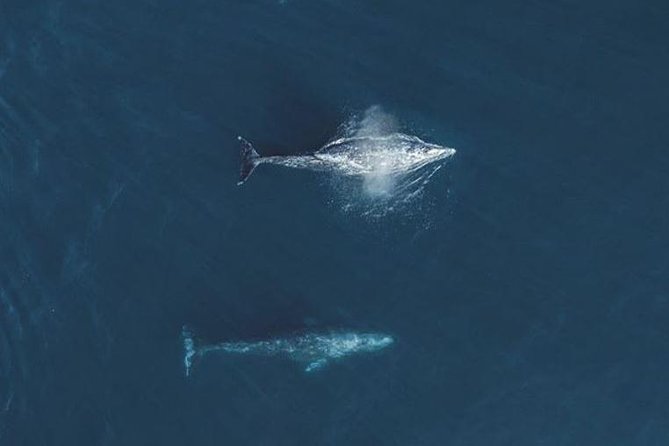
You won’t have a long list of formal stops, because this is a moving search. After meeting at Fisherman’s Wharf, you spend the cruise scanning the Pacific waters off Monterey Bay for wildlife.
When the crew finds something, you’ll typically get moments to watch—sometimes long enough to see behavior like feeding. In past trips, people have reported extended time with humpbacks and other marine life, including sightings that felt very close to the boat.
That said, remember the reality of whale watching: you’re hunting conditions and animal behavior, not a theme-park schedule. If it’s your first time, I recommend treating this like a nature field day: patient, alert, and ready to shift your focus when the captain and crew call something out.
Weather, wind, and motion: how to avoid the roughest surprises
Monterey Bay can be a dream—or it can be choppy, depending on the day. One review-style comment theme that comes up is seasickness, including cases where someone still felt sick even after taking medication.
Here’s how I’d plan around that:
- Wear warm layers. Even when it’s sunny near shore, conditions out on the water can feel colder fast.
- Bring sun protection anyway; wind + sun is a combo that sneaks up.
- If you’re prone to motion sickness, take it seriously. The tour notes that they sell motion sickness remedies in the shop, and they also give general precautions.
- Consider where you sit. People have suggested avoiding the front if you get sick.
Chop can also make it harder to hear narration. If you rely on spoken commentary to enjoy the trip, you might want to get comfortable listening-wise—pick a spot where your eyes can catch the guide cues even if sound gets swallowed.
Small boat math: comfort, safety, and what “max 30” means
This cruise runs with a maximum of 30 travelers, so it doesn’t feel like you’re packed into a floating stadium. Smaller boats can mean a more personal experience, and it also tends to make spotting easier for the crew because fewer people are competing for sight lines.
Still, a boat is a boat. Reviews have included feedback about bumpy conditions and even safety concerns on extremely full or family-heavy departures. The takeaway for you: treat it like a ride on working water. Sit where instructed, follow crew guidance quickly, and keep bags secured.
If you’re traveling with kids, plan ahead. The tour allows children as long as they’re with an adult, but small-boat movement can be intense for little ones.
What’s included—and what you’ll want to bring
Included:
- Marine biologist/naturalist and deckhand
- Coffee and/or tea
- The clock matters: the boat leaves at the scheduled time, so plan your arrival.
Not included:
- Food and non-alcohol drinks (water, snacks, chips, soda aren’t included)
- Alcoholic drinks aren’t included, though alcohol may be available to purchase
- Hotel pickup and drop-off
So I’d pack like this:
- Snacks and water for the ride
- A camera and ideally binoculars
- Sun protection
- Warm layers (windproof helps)
- Anything you need for comfort if you’re sensitive to motion (and consider bringing a small stabilizer for your phone)
Price and value: is $85 worth it for Monterey whale watching?
For $85 per person, the value depends on what you want from your morning.
If you want a guided search with scientific narration, helpful photo coaching, and a small-group setup, this price starts to make sense. You’re paying for expertise and time on the water with wildlife-focused instruction—not just a ticket to sit and hope.
If you’re expecting guaranteed whale sightings, calibrate your expectations. The bay is promising year-round, but whales still follow their own schedule. What you can rely on is the structure: guided spotting, repeated scanning, and a crew trained to help you interpret what you’re seeing.
From a practical traveler lens, the best value comes when:
- You show up early and stay dressed for cold wind
- You bring the basics for photos (and stabilize your phone if you film)
- You’re comfortable with the idea that some days are more about dolphins and sea lions, while others deliver bigger whale moments
Who should book this Monterey whale-watching cruise?
This tour is ideal for:
- Nature lovers who want more than a checklist of species
- Families looking for a high-energy morning on the water
- Couples who want an organized, scenic experience from a classic Monterey starting point
- First-timers who benefit from learning how to spot whales rather than only where to look
It may be less ideal if:
- You have very strong motion sickness and are unsure how you’ll handle a small boat in choppy water
- You need constant audio clarity (sound can be harder to catch when conditions get rough)
- You want a guaranteed “up close” view—whale behavior controls that, and the tour keeps you focused on viewing safely and responsibly
Should you book Discovery Whale Watch from Monterey?
If your main goal is Monterey Bay whale watching with real guidance, I think this is a strong choice. The combination of a naturalist-focused narration, a small group size, and specific photo help turns the experience into something you can actually learn from—not just watch passively.
Book it if you’re ready for a morning at the waterline, you can dress warm, and you’ll plan for sea conditions. If you’re sensitive to motion, prepare extra carefully, and choose your seat thoughtfully.
FAQ
Where is the meeting point for the whale watching tour?
You meet at 66 Fishermans Wharf, Monterey, CA 93940.
What time does the tour start?
The tour starts at 9:00am, and the boat leaves at the scheduled time. Check in 30–45 minutes ahead.
How long is the cruise?
The duration is about 3 hours 30 minutes, and you return to the meeting point between 12:30pm and 1pm.
What wildlife will I be looking for?
You’ll search for gray whales (most common), humpback whales, and blue whales, plus other marine life like dolphins and sea lions, along with birds.
Is coffee or tea included?
Yes. Coffee and/or tea is included.
Are food and drinks included?
No. Food and drinks are not included (and you’ll want to bring water and snacks). Alcoholic drinks are not included either, though alcohol may be available to purchase.
What should I bring?
Bring warm layers, sun protection, a camera, and binoculars. Also bring water and snacks—especially since food isn’t provided.
Can I cancel for a full refund?
Yes. You can cancel for a full refund if you cancel at least 24 hours before the experience start time. The tour also depends on good weather, and if it’s canceled due to poor weather, you’ll be offered a different date or a full refund.
Are there age rules for alcohol and children?
Children must be accompanied by an adult. The minimum drinking age is 21.