REVIEW · HOONAH
Alaska Whale Watching with bonus Drone viewing of Whales
Book on Viator →Operated by Alaska Whales & Drones Tours · Bookable on Viator
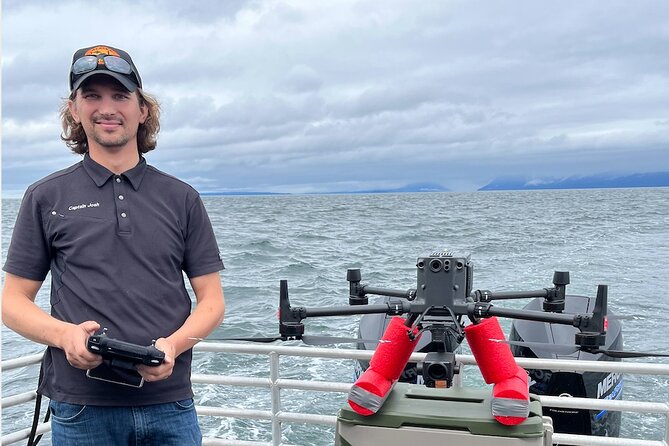
Whales plus a drone equals next-level Alaska. On this 3-hour Icy Strait trip, you get live drone viewing while Captain Josh works a 14-passenger boat for real wildlife time, not cattle-car lines. It’s one of those setups where you don’t have to choose between being present and getting extra perspective.
I love the way the boat is built for watching from both inside and outside, which matters when the action is close and you want clear sightlines. You also get a souvenir you can replay later: drone shots on a USB drive (one per group).
The main drawback to plan around is weather. This experience needs good conditions, so fog or rough visibility can affect what you see and how well the drone can fly.
In This Review
- Key things that make this tour worth your attention
- Hoonah and Icy Strait: why this port is built for whale watching
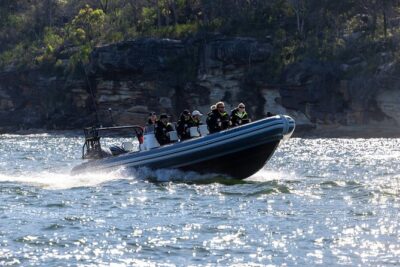
- Captain Josh’s 14-passenger boat: the small size is the point
- The drone bonus: seeing whales from above without breaking the spell
- Wildlife watch targets: what you should watch for on the water
- A typical 3-hour flow on the water (and why it works)
- Getting to Icy Strait Point without wasting cruise-port minutes
- What’s included: the small stuff that keeps the experience smooth
- Price check: is $249 worth it for a whale-and-drone combo?
- Weather reality: fog happens, and it changes the day
- Who this tour fits best (and who might want to think twice)
- Should you book Alaska Whale and Drone Tours in Hoonah?
- FAQ
- Where is the meeting point for the tour?
- How long does the whale watching and drone tour last?
- Is pickup offered from the dock area?
- What is the group size on the boat?
- Are snacks and drinks included?
- Do you get the drone footage after the tour?
- What wildlife does the guide look for?
- What language is the tour provided in?
- What happens if weather is poor or the tour is canceled?
Key things that make this tour worth your attention
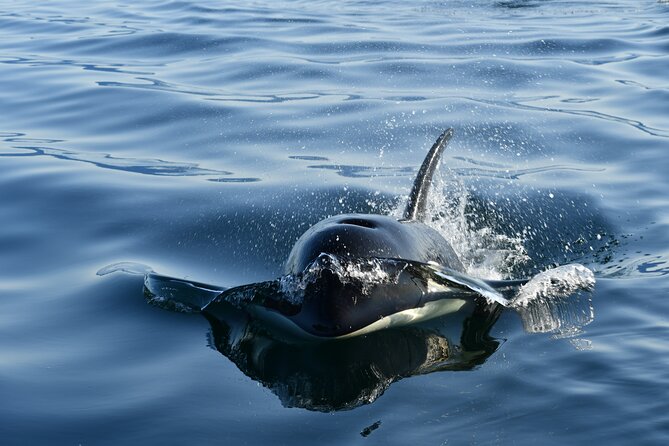
- Live drone footage from the boat so you can watch whales below and then see the same moments from above
- Small-group comfort (max 14) for better views and easier movement around the vessel
- Captain Josh’s whale-finding focus with an advertised strong track record for humpbacks
- Indoor + outdoor viewing space that helps even when the day shifts between calm and chilly
- A real keepsake: drone video provided on a USB drive (one per group)
Hoonah and Icy Strait: why this port is built for whale watching
Icy Strait in southeast Alaska is the kind of place where wildlife doesn’t feel like a “maybe.” It’s a working, feeding ecosystem, and that’s exactly what whale-watch success depends on. From Hoonah, you head out from Icy Strait Point and spend your time scanning for marine life in a way that feels focused, not scattered.
This tour is also timed to the reality of cruise-port schedules. You get roughly 3 hours on the water, which is long enough to search, find, and settle in—without turning it into a half-day commitment that drains the rest of your day.
You can also read our reviews of more tours and experiences in Hoonah.
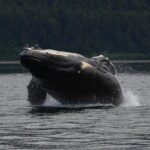
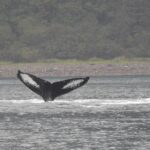
Captain Josh’s 14-passenger boat: the small size is the point
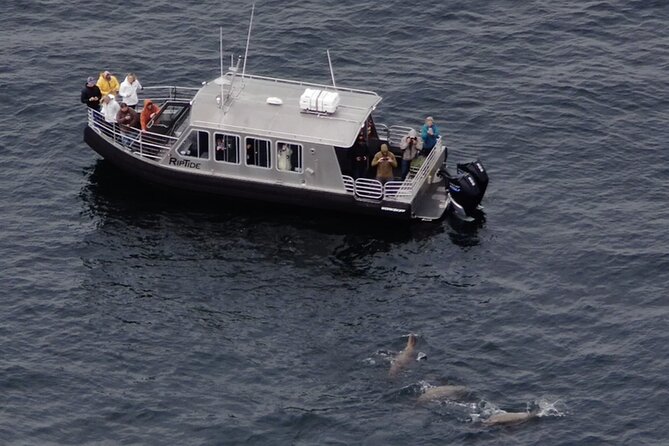
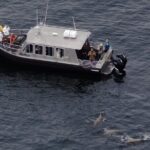
The big value here is the boat size. With a maximum of 14 people, you’re not trying to see through a forest of hats and phones. I like the simple setup: a smaller vessel typically means more personal space, less blocking, and more time where everyone’s actually looking at the same thing.
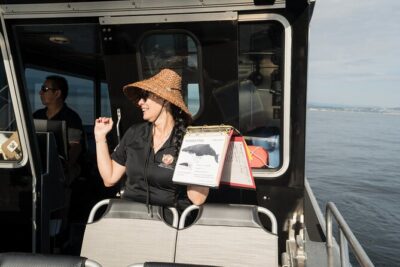
Captain Josh runs the trip, and the tour is set up so his commentary is part of the experience, not just background noise. If you’re the type who wants to understand what you’re seeing—breaching behavior, pod patterns, and how calves move—this kind of guided pace helps you watch with smarter eyes.
One extra detail I appreciate is the way the vessel is designed for indoor and outdoor viewing. Alaska weather can change fast. Having both spaces means you can get warm when you need to and still stay outside when the whales are showing off.
The drone bonus: seeing whales from above without breaking the spell
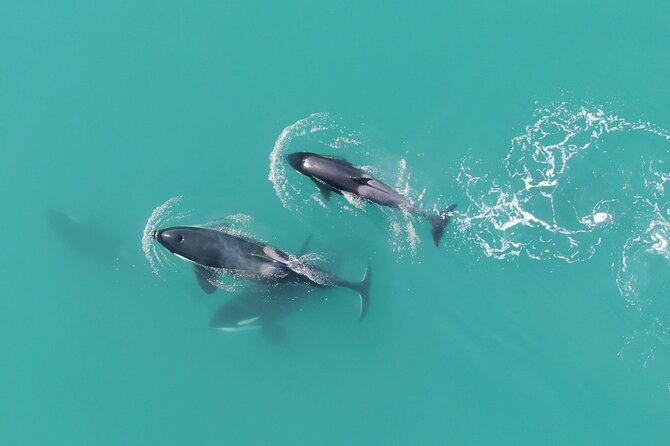
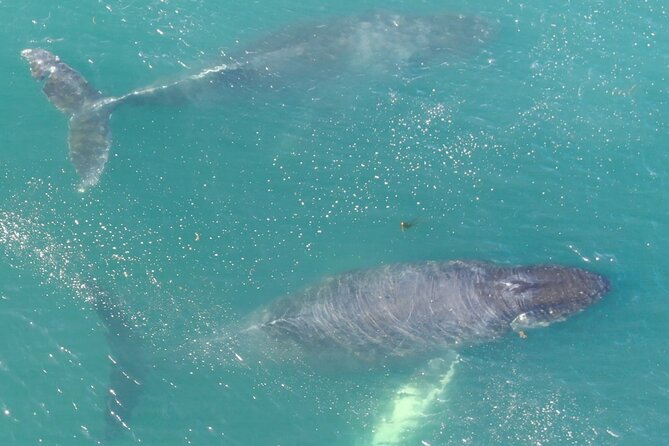
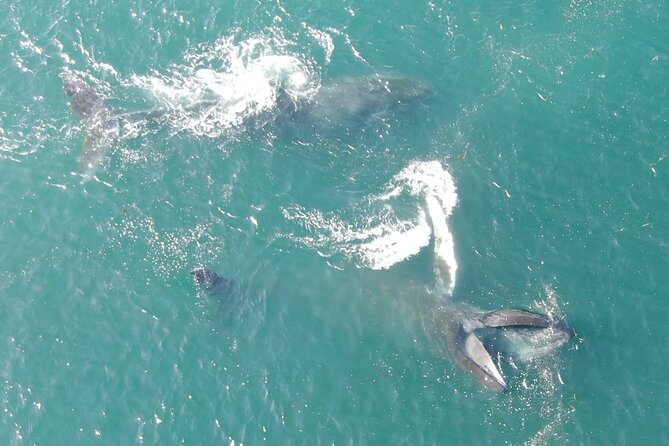
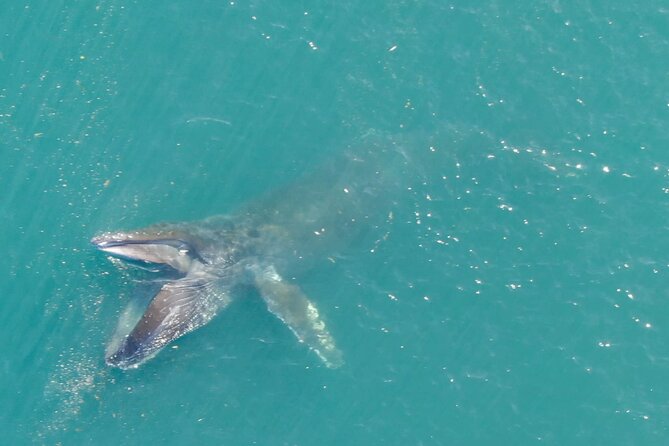
Most whale watches give you one viewpoint: from the waterline. This one adds a second lens by deploying a professional filmography drone from the boat during the tour. You watch marine life on the surface from the vessel, and then the drone adds an overhead angle that shows how the animals move through their environment.
What makes this more than a gimmick is timing and sequence. You’re not asked to look away for long stretches. The whole idea is additive. When you’re watching a mother whale and her calf below, you’re also getting a chance later to understand what was happening from above—how they angle through the water, how pods space themselves, and how surface behavior ties into movement patterns.
From a practical standpoint, it also reduces picture pressure. You can relax into the moment because you’re going to have aerial footage afterward. That’s a real stress-saver when you’re standing on a deck in wind and cold, trying to line up shots and also keep your eyes on the animals.
Wildlife watch targets: what you should watch for on the water
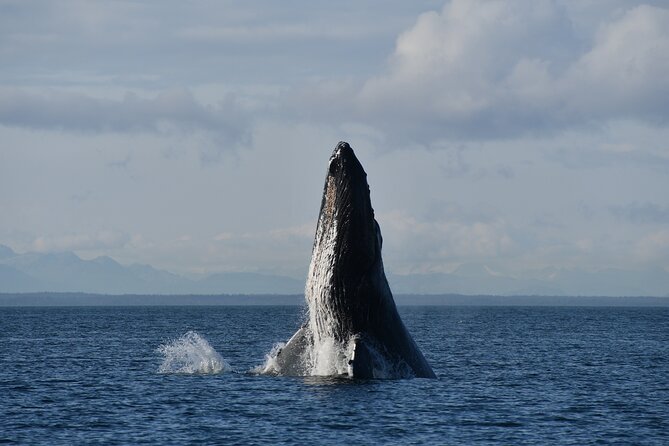
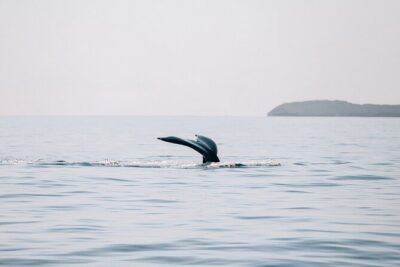
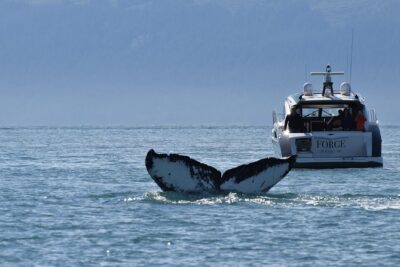
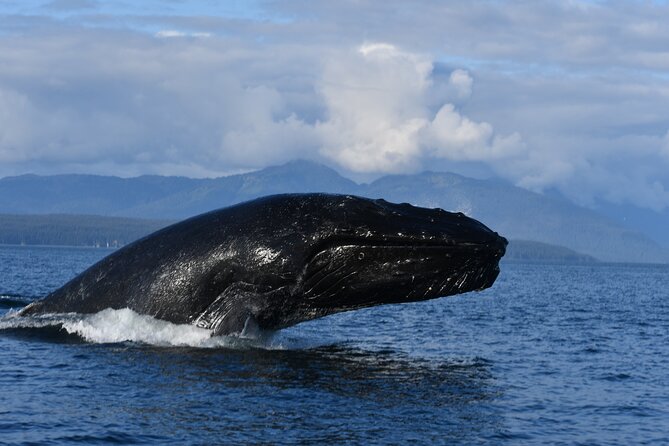
This tour is built around search and sightings. Your guide looks for a mix of whales and other Alaska wildlife, including humpback whales and orcas, along with coastal brown bears, sea lions, and seals. The phrasing “and more” is there for a reason—wildlife days are variable—but the core targets are clear.
Based on the experience’s track record and what’s commonly spotted, you can also expect chances to see other marine life such as sea otters and harbor seals, plus eagles and porpoises when conditions line up. If your heart is set on humpback whales specifically, this operator emphasizes a strong success rate for finding them on tours.
If you’ve never seen whales up close, here’s the key mindset: don’t lock onto one “big moment” like a breach. Great whale watching is about patterns—how long they stay, how they surface, and how group behavior changes. Having the drone footage after helps you connect those dots.
A typical 3-hour flow on the water (and why it works)
Here’s how the day generally feels, using the tour’s structure as a guide:
You start by meeting at Icy Strait Point. Then you head out into Icy Strait with Captain Josh. The early part of the trip is scanning and positioning—because whale encounters aren’t random. Where you look, when you slow down, and how you keep viewing angles clear make a difference.
Once you find wildlife, the focus shifts to staying with it. You get indoor and outdoor viewing time so you can keep your eyes on the action without constantly worrying about comfort. Snacks and soda/pop are included, which helps you avoid the snack-dryness that can happen when you’re out longer than you planned.
Mid-tour, you get the drone enhancement. A professional filmography drone is deployed from the boat to film wildlife from above while you’re still watching from the surface. This is the heart of the “bonus” part: it adds a second perspective without forcing you to miss what’s happening in real time.
On the way back, the overhead footage experience continues in spirit because you’re already building context. Later, you’ll get the drone shots to replay and share, which turns a single sighting into a memory you can study.

Getting to Icy Strait Point without wasting cruise-port minutes
Port logistics can make or break your day, so treat this part like it matters—which it does.
Your start point is Icy Strait Point at 108 Cannery Rd, Hoonah, AK 99829. The tour ends back at the meeting point. You’ll want to arrive early: you’re asked to be there 15 minutes before your scheduled departure time, because they leave on time out of courtesy to everyone.
If your ship docks at the Adventure Dock, you’ll go ashore to the Icy Strait Point Adventure Center. Walk through the building and exit through door number 2, then follow the signs down the gravel path to the Excursion Hub. Expect about 6–8 minutes of walking, and build in extra time if your knees aren’t thrilled by gravel.
If you dock at the Wilderness Dock, you’ll be looking at a 25-minute walk, or you can use a transport gondola for about 3 minutes. Once you reach the Excursion Hub, look for the driver with an orange sign that says Alaska Whale and Drone Tours, check in, and follow their direction.
One practical tip: take a moment to find the meeting entrance before you’re rushed. One wrong turn and suddenly you’re sprinting in coastal wind—never fun.
What’s included: the small stuff that keeps the experience smooth
This is an included-things tour in the good sense. You get snacks and soda/pop, plus pickup is offered. You also get a mobile ticket, and the tour is in English.
At the end, you receive drone footage as a souvenir on a USB drive—one per group. That detail matters when you’re traveling with friends or family because it’s not necessarily one drive per person. If you’re hoping for a personal folder for each person, coordinate how you’ll share after.
Also, the drone footage is a big deal for the memory angle. Even when the day is cloudy or the action is fast, having overhead video tends to make sightings feel easier to understand later.
Price check: is $249 worth it for a whale-and-drone combo?
At $249 per person, this isn’t a budget excursion. But value is about what you get relative to the alternative in Alaska ports.
First, you’re paying for small-group viewing with a max of 14. In whale watching, sightlines matter as much as the animals. A crowded boat doesn’t just feel less pleasant—it can reduce how much you actually see.
Second, you’re paying for the drone component. That’s not just a “nice to have.” It changes what you can capture and how you can interpret behavior, especially for whales and pod-structured animals like orcas. It’s also a souvenir you can replay at home, which turns the day into something you can revisit.
Third, you’re not paying extra for core comfort basics. Snacks and soda/pop are included, and pickup is offered. Those add up on a day when you’ll be cold, out on deck, and focused on spotting wildlife.
My bottom line: if you care about whales enough to want a better-than-average view—and you like the idea of having real aerial footage later—this price is easier to justify.
Weather reality: fog happens, and it changes the day
This experience requires good weather. If it’s canceled due to poor weather, you’ll be offered a different date or a full refund.
That matters because drone flight and visibility are both affected by fog. One caution I’d give you is not to assume every day will be equally clear. If your schedule is tight and you’re only in port for one day, check how flexible your plans are.
The good news: the operator builds the day around wildlife seeking, and the boat design helps you keep looking even when conditions aren’t perfect.
Who this tour fits best (and who might want to think twice)
This tour is a strong fit if:
- You want whales, plus a second viewpoint from above
- You prefer a smaller group for easier viewing
- You like having a souvenir that helps you remember and understand what you saw
- You’d rather watch with less camera stress because the drone gives you “the rest of the story” later
It may not be ideal if:
- You dislike cold outdoor time and don’t like layering up (there is indoor viewing, but you’ll still want to get outside when the action starts)
- You’re expecting every part of the drone experience to work exactly the same way every day, since weather can affect visibility and performance
If you’re traveling with kids, this kind of setup often works because the overhead perspective can make movement feel easier to grasp. If you’re an older traveler, the indoor/outdoor layout and smaller group can also help you manage comfort.
Should you book Alaska Whale and Drone Tours in Hoonah?
If your goal is humpback whales and a better memory than just a handful of shaky photos, I’d book it. The combination of Captain Josh’s guiding style, the 14-passenger boat comfort, and the drone footage afterward gives you both the real encounter and the overhead context.
The decision comes down to one thing: your willingness to embrace Alaska weather. If you can handle the chance of fog and you want the whale-and-drone angle as your main event, this is a very solid use of your port time.
Also, popularity is real here. The tour is commonly booked well in advance, so if you’re choosing a specific day at Icy Strait Point, don’t wait until the last minute.
FAQ
Where is the meeting point for the tour?
The tour starts at Icy Strait Point, 108 Cannery Rd, Hoonah, AK 99829, USA, and it returns to the same meeting point.
How long does the whale watching and drone tour last?
The duration is about 3 hours.
Is pickup offered from the dock area?
Yes, pickup is offered. The exact meeting logistics vary depending on whether your ship docks at the Adventure Dock or the Wilderness Dock.
What is the group size on the boat?
The vessel has a maximum of 14 travelers.
Are snacks and drinks included?
Yes. Snacks and soda/pop are included, along with non-alcoholic drinks.
Do you get the drone footage after the tour?
Yes. You receive a USB drive with drone shots of whales, one per group. Some groups also report footage being shared to phones.
What wildlife does the guide look for?
The tour seeks wildlife such as humpback whales, orcas, coastal brown bears, sea lions, seals, and more.
What language is the tour provided in?
The tour is offered in English.
What happens if weather is poor or the tour is canceled?
This experience requires good weather. If it’s canceled due to poor weather, you’ll be offered a different date or a full refund.