REVIEW · QUEBEC CITY
From Quebec City: Whale Watching Excursion Full-Day Trip
Book on GetYourGuide →Operated by AML Cruises · Bookable on GetYourGuide
Whales off Québec City never feel like a letdown. This full-day trip pairs a long but scenic bus ride with expert spotting in the Saguenay–St. Lawrence Marine Park, where you may see up to 13 whale species. I especially like the choice between a panoramic boat or a more hands-on Zodiac ride, and I love that the guides focus on real whale behavior and where to look. One heads-up: it’s a long day, and you’ll want to manage the cold plus the limited food options.
From the moment you meet at Fontaine de Tourny, the logistics feel built for comfort and flow—on-time coach pickup, a structured arrival window, and bilingual guidance that helps you actually see what’s out there. The biggest tradeoff is simple: if you pick Zodiac, expect more spray and more wind, so comfort depends on dressing right.
In This Review
- Key Things to Know Before You Go
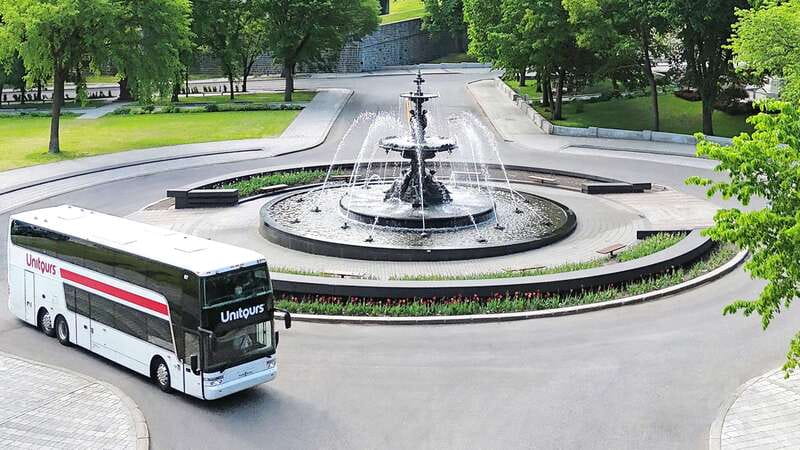
- Meeting at Fontaine de Tourny: How the Day Starts
- The Quebec City to Baie-Sainte-Catherine Coach Ride (About 3 Hours Each Way)
- The Midday Stops: Baie-Sainte-Catherine Break and Quick Photo Moments
- Saguenay–St. Lawrence Marine Park: Where Whale Spotting Gets Real
- Boat vs Zodiac: Pick Your Comfort Level and Your View Style
- The Boat Option: Panoramic Comfort and Less Spray
- The Zodiac Option: Faster, Closer, and More Weather-Forward
- The Role of the Guides: How You End Up Seeing More
- Dressing for Cold and Getting Wet Without Losing Your Trip
- Food, Water, and the “Small Rules” That Affect Your Day
- Safety and Ethics: Certified Boats and Non-Intrusive Viewing
- Price and Value: What $186 Buys You
- Who Should Book This Tour (And Who Should Skip Zodiac)
- Should You Book This Whale Watching Day from Québec City?
- FAQ
- Where do I meet for the whale watching trip?
- How long is the full day?
- What whale watching options can I choose from?
- What’s included for the Zodiac option?
- Are meals included?
- Do I need binoculars?
- What languages are provided?
- Is there a whale guarantee if I don’t see whales?
- Is Zodiac suitable for everyone?
Key Things to Know Before You Go
- Boat or Zodiac choice at booking: pick the comfort/panoramic view of the boat or the faster, closer feel of the Zodiac
- Up to 13 whale species with commentary: your guides steer the search and explain what you’re seeing
- Long scenic coach ride (about 3 hours each way): the road itself is part of the experience, not just transport
- Prince Shoal Light photo stop: one of several quick viewpoint moments on the way out
- Zodiac safety limits: Zodiac isn’t recommended or may be prohibited for certain ages/health needs, with extra rules spelled out
- Whale guarantee is boat-only: if no sightings happen, the backup whale tour offer applies for boat departures
Meeting at Fontaine de Tourny: How the Day Starts
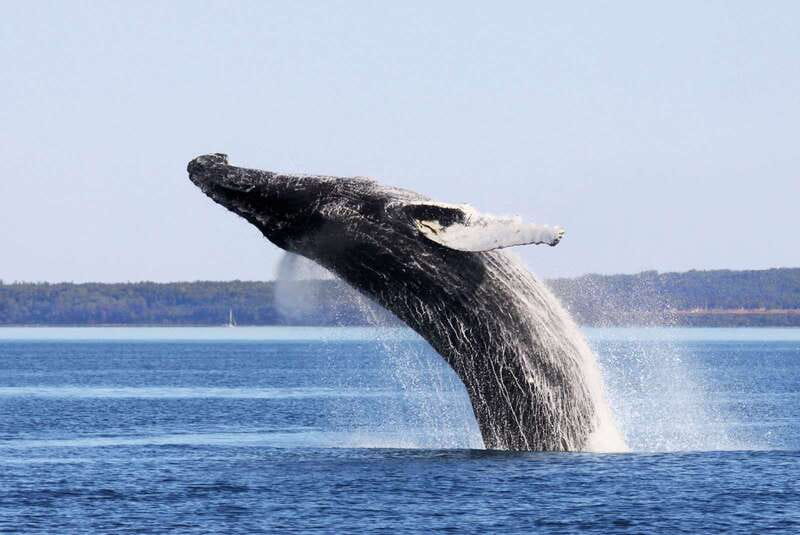
This trip starts in Québec City at Fontaine de Tourny. Since you can’t park right at the fountain, plan on paid parking nearby such as Édifice H or D’Youville, then connect with the group at the meeting point. If you’re the type who likes to show up early and stay calm, do it—boarding and check-in go faster.
Once you’re on the bus, the day has a steady rhythm: transport first, then a break, then the marine park launch area, then the whale-watching segment, and finally the return ride. It’s not a quick “pop out and back” outing, but it is a full-day plan that’s meant to take the stress out of getting to Tadoussac and the park.
You can also read our reviews of more tours and experiences in Quebec City.
The Quebec City to Baie-Sainte-Catherine Coach Ride (About 3 Hours Each Way)
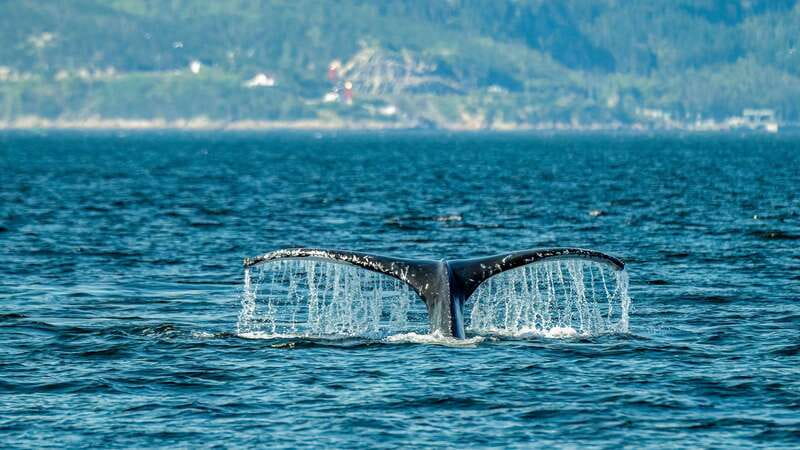
The round-trip bus ride is about 3 hours each way. You’ll use that time for scenery and briefing, and the route is part of the payoff—Charlevoix views and coastal viewpoints show up along the way. It’s also a good moment to get your head around what you’re looking for once you’re on the water.
Two practical points matter here:
- You’ll spend real time seated, so bring a layer in case the bus runs cool.
- Bilingual commentary happens, but the balance can vary; you might hear French more strongly during the road segment.
Some days include a driver and guide who are very chatty and fun; other days, English audio clarity can be less consistent depending on the person at the mic. Either way, you’ll get the basics you need for the whale search, and onboard guiding typically does the heavy lifting once you’re out on the water.
The Midday Stops: Baie-Sainte-Catherine Break and Quick Photo Moments
You stop in the Baie-Sainte-Catherine area for a break time, and that pause is useful if you need restrooms, stretch legs, or just reset before the marine park portion. On the way, there are several quick passing scenes plus a notable photo stop: Prince Shoal Light.
Other stops you pass include places like Tadoussac, Les Dunes, and the Pointe-Noire Interpretation and Observation Centre area, plus viewpoint passes such as Pointe de l’Islet. You’re not there for long on these points, so don’t treat them like attractions—treat them like “take a few photos, soak in the view, get back on track.”
It also helps to think about food timing here. The day can feel long, and it’s not designed around a full restaurant meal. Plan snacks and plan temperature control.
Saguenay–St. Lawrence Marine Park: Where Whale Spotting Gets Real
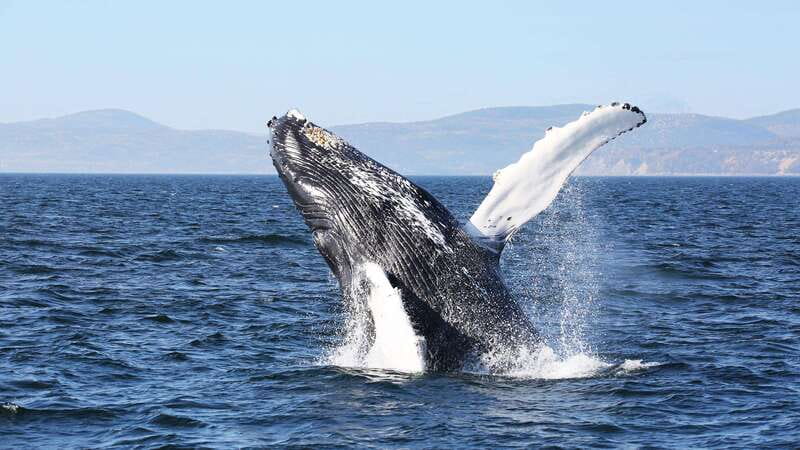
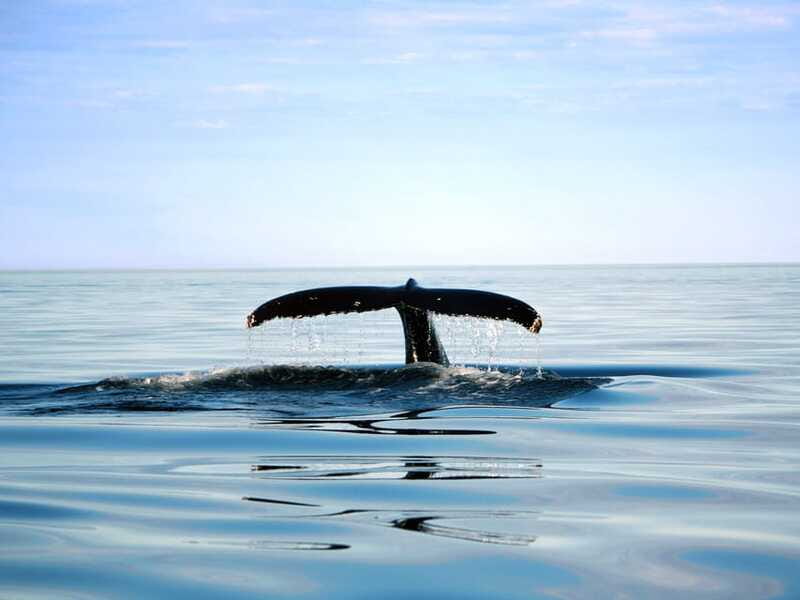
Your whale-watching portion is in the Saguenay–St. Lawrence Marine Park, and the whole operation is built around finding mammals in a natural environment. The promise is big: you can have a chance to observe up to 13 whale species, with interpretive guidance to help you identify what you see and understand behavior.
What you’ll usually notice first is how much the hunt is about positioning and patience. Even on excellent days, whales don’t always surface on schedule, and you may get a mix of quick sightings and repeated passes. That’s why the guide’s skill—knowing where to go and how to read the water—matters as much as luck.
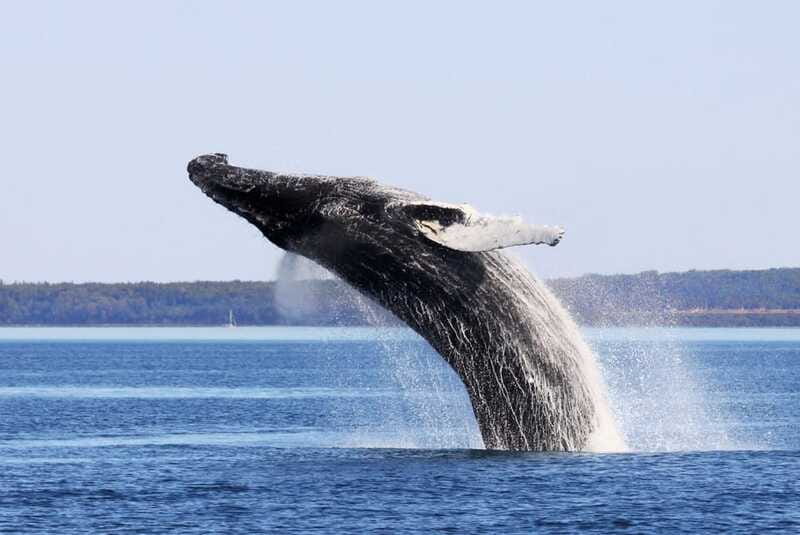
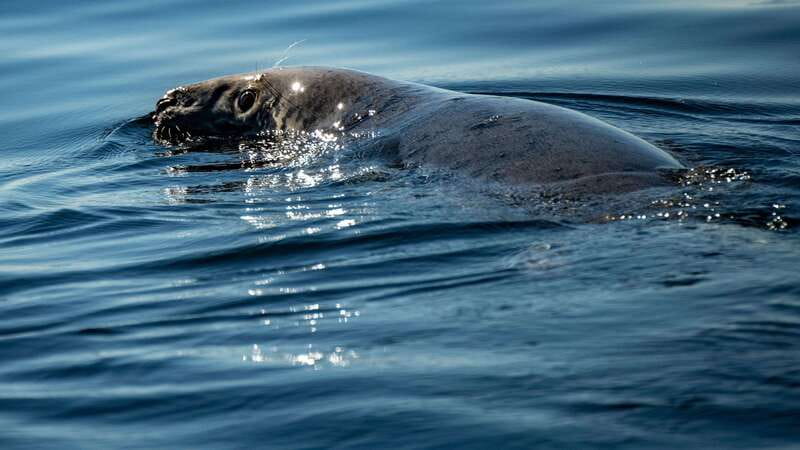
On the best outings, people report repeated observations of larger whales like fin whales, plus the payoff species that make this area famous, like belugas (sometimes including mother-and-calf moments) and additional species such as minke whales, humpbacks, seals, and even porpoise sightings. Not every day is a parade, but the sightings rate is described as extremely high.
Boat vs Zodiac: Pick Your Comfort Level and Your View Style
Choosing boat or Zodiac is the most important decision on this tour. Both options operate with expert guidance and ethical rules, but they feel different the moment you step on deck.
The Boat Option: Panoramic Comfort and Less Spray
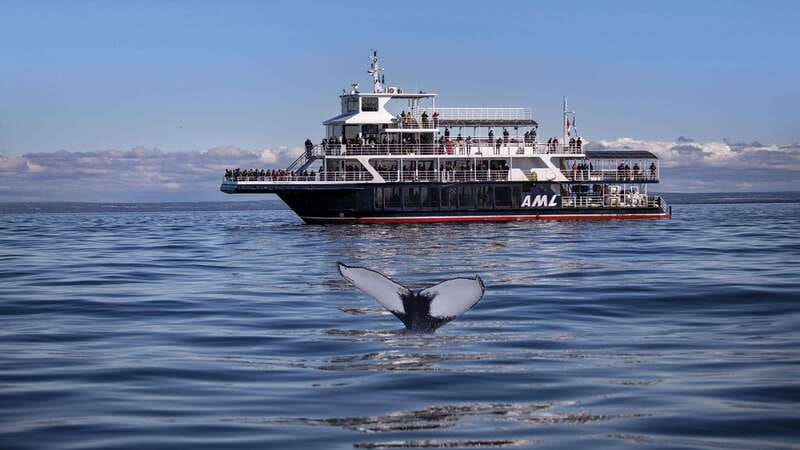
The boat option is designed for comfort. You get a choice of exterior decks for spotting and also fully glazed interior rooms with a wide 180-degree panoramic view. There are indoor and outdoor seats, restrooms, observation platforms, and onboard amenities like a boutique and cafeteria.
If you’re traveling with less flexibility—cold sensitivity, seasickness concerns, or anyone who prefers dry comfort—this is the easier pick. Some days you’ll still feel wind on the water, but overall it’s a calmer experience than Zodiac.
The Zodiac Option: Faster, Closer, and More Weather-Forward
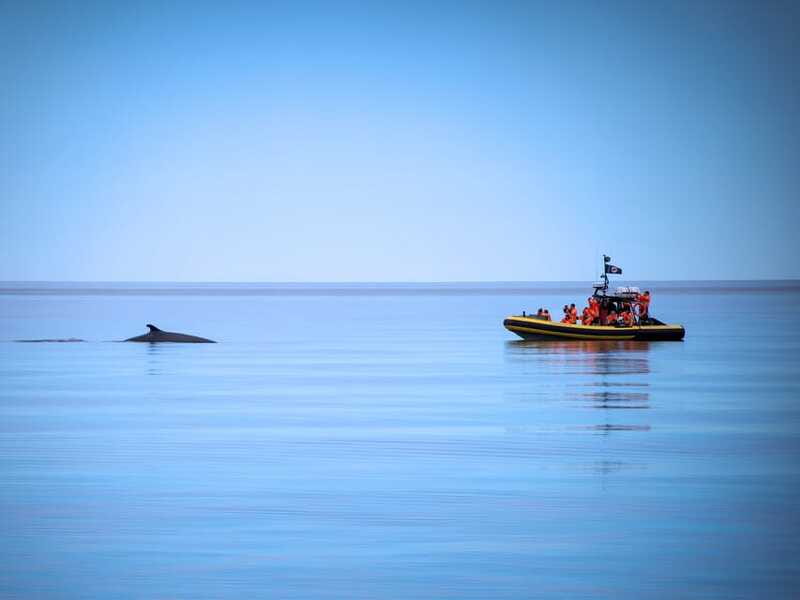
The Zodiac option is more adventurous. It’s built for optimal viewing at water level, with a design intended to leave the lightest environmental footprint in the park. You’ll sit in a smaller craft, which makes it easier to feel close to the action when animals surface nearby.
But you should know the trade: Zodiac can mean more splash. You’ll be provided waterproof jacket and pants for Zodiac, yet you may still get wet because of speed and waves. Reviews often point out you can get splashed quite a bit, and conditions can be much colder once you’re moving. Bring warm layers underneath, and treat “waterproof” as help, not magic.
Also, Zodiac has clear restrictions. It’s not advisable or may be prohibited for young children under 6, pregnant people, people with certain articulation, back, or autonomy problems, and it’s not suitable for wheelchair users. If any member of your group fits those criteria, choose the boat option for an equally exciting day with less risk.
The Role of the Guides: How You End Up Seeing More
The tour is guided by bilingual experts, including an onboard naturalist guide. Their job isn’t just to recite whale facts—it’s to help you connect what you’re seeing to how whales behave and where they tend to show up.
In practice, that means you’ll get commentary as you travel and while you’re out searching. People highlight guides like Patricia (appearing in multiple onboard and bus contexts) and Luke as a captain for Zodiac days. Others mention bus drivers and guides such as Yves and Alain, with different strengths in English clarity depending on the day and the person behind the mic.
So here’s the honest takeaway: if you’re depending on perfect English during the road portion, don’t. But once you’re on the water, the guidance is designed to be clear enough to support spotting, and the guides are often very hands-on in pointing out what matters.
Dressing for Cold and Getting Wet Without Losing Your Trip
This is a big one, and it’s practical. The region can be cold once you’re on open water, and wind makes it feel colder fast. Even on warmer weather days back in Québec City, the water segment is often a step down in comfort.
Here’s what you should plan for:
- Warm clothing in layers
- Comfortable shoes (especially for Zodiac, where getting in and out is part of the adventure)
- A hat and gloves if you run cold or if you pick Zodiac
For Zodiac specifically, water-resistant gear is included, but you may still want a plan to protect your hands and keep your core warm. You can also expect the Zodiac ride to feel fast and lively, which adds to the “this is exciting” factor.
If you hate cold, choose the boat. If you love speed and want a closer feel at water level, Zodiac can be worth it—just dress like the weather is serious, because it is.
Food, Water, and the “Small Rules” That Affect Your Day
Meals aren’t included, and you’ll also want to keep track of restrictions. On the tour you’re not allowed to bring pets, and there’s a clear rule against feeding animals and bringing food and drinks onto the water in the way you might expect for a beach picnic.
Still, you can plan food for the day:
- You can pack a lunch and/or snacks, or
- You can buy a preprepared lunchbox service upon arrival in Baie-Sainte-Catherine (availability can vary)
On water and onboard purchases, some people note options can be limited, and there are moments when there’s no easy café stop at the dock area. Also, one recurring practical tip is simple: eat before you head out and keep snacks for the day so you’re not stuck waiting when your energy dips.
Another small but real detail: there’s mention of card-only for purchases, and at least one lunch-related issue is tied to unclear information about what’s available where. So bring a card and bring snacks.
Safety and Ethics: Certified Boats and Non-Intrusive Viewing
This operation emphasizes safety and marine ethics. Ships are certified by Transport Canada, and crews are trained for your safety. On the wildlife side, the approach is described as non-intrusive, focused on respecting whales’ natural behavior.
If you’re the kind of person who cares about how animals are treated—good. This is exactly why whale watching in a protected marine area matters. You’re not chasing animals; you’re following professional guidance to view them from a respectful distance.
The whale-watching part also includes a whale guarantee detail: sighting rates are stated as extremely high, and if no sightings are made, they’ll offer another whale watching tour, but the replacement offer is boat tour only. That’s worth noting if you plan to book Zodiac and are sensitive to the risk of a no-sighting day.
Price and Value: What $186 Buys You
At $186 per person for an 11-hour full-day outing, you’re paying for more than just time on the water. You’re also paying for:
- Round-trip transportation by air-conditioned bus
- Whale watching with a choice of boat or Zodiac
- An onboard naturalist guide and bilingual commentary
- For Zodiac, included waterproof jacket and pants
Binoculars aren’t included, and meals are on you, so the day can add small extra costs. But the bus plus guide plus the vessel option is the core value. This is one of those trips where it’s hard to “DIY” without real hassle—getting yourself to Tadoussac/launch areas and finding the right kind of experience is the part most people underestimate.
If you’re deciding between boat and Zodiac, think value differently:
- Boat often wins for comfort and lower stress in cold/wind
- Zodiac often wins for speed and closer, water-level viewing, if you’re ready for spray and warmth management
Who Should Book This Tour (And Who Should Skip Zodiac)
This is best for you if you want a guided whale search day without renting a car and without juggling transport. It suits families who can follow rules and stay warm, and it also works well for solo travelers because the day is structured and there’s guidance at every step.
Choose the boat option if:
- You want fewer weather challenges
- You prefer indoor panoramic viewing
- Someone in your group doesn’t meet Zodiac restrictions
Choose Zodiac if:
- You want a more exhilarating ride and water-level viewpoints
- You’re comfortable with getting wet and staying warm
- You’re okay with a faster, more hands-on feel of the search
And a clear note for accessibility: the tour is described as not suitable for wheelchair users, and Zodiac has extra health and age restrictions.
Should You Book This Whale Watching Day from Québec City?
Book it if you want a classic Québec City-to-whales experience with guided help and a real chance at multiple species. The combination of scenic road time, expert naturalist interpretation, and either boat comfort or Zodiac closeness is exactly the kind of value that makes a one-day trip worthwhile.
I’d especially book it if you’re okay managing cold and you pack snacks. The day runs long, but that length comes with structure: fewer logistics for you, and more time watching whales where you can actually see them.
Skip it—or pick the boat—if you hate cold wind, you need extra accessibility support, or if Zodiac restrictions apply for anyone in your group.
FAQ
Where do I meet for the whale watching trip?
The meeting point is Fontaine de Tourny in Québec City. Since you can’t park directly at the fountain, nearby paid lots like Édifice H and D’Youville are suggested.
How long is the full day?
The trip lasts about 11 hours total. The round-trip bus ride from Québec City to Baie-Sainte-Catherine is about 3 hours each way.
What whale watching options can I choose from?
You can choose either a boat or a Zodiac option when booking. The Zodiac is designed for water-level viewing, while the boat offers panoramic viewing with interior and exterior seating.
What’s included for the Zodiac option?
For Zodiac, you receive waterproof jacket and pants. The boat option includes amenities like restrooms and observation areas, but waterproof gear is described as Zodiac-only.
Are meals included?
No. Meals and beverages are not included. You can pack lunch and/or snacks, or you may be able to buy a preprepared lunchbox upon arrival at Baie-Sainte-Catherine depending on availability.
Do I need binoculars?
Binoculars are not included. If you want extra help spotting distant whales, consider bringing your own.
What languages are provided?
Guidance is available in English and French, including bilingual commentary onboard.
Is there a whale guarantee if I don’t see whales?
The sighting rate is described as extremely high. If no sightings are made, you’ll be offered another whale watching tour, but the replacement is specified as boat tour only.
Is Zodiac suitable for everyone?
Zodiac is not advisable and can be prohibited for certain people, including children under 6, pregnant people, people with certain back or autonomy problems, and wheelchair users. If anyone in your group fits those criteria, the boat option is recommended.