REVIEW · HUSAVIK
Húsavík: Big Whales and Puffin Island Speedboat Tour
Book on GetYourGuide →Operated by Husavik Adventures · Bookable on GetYourGuide
Cold spray, big whales, and puffins close by.
This Húsavík RIB speedboat tour is built for action: you cover lots of water fast, so when wildlife shows up, you’re in the right place quickly. I also like the seasonal rhythm of the trip, with Lundey Island doing puffins (late spring through summer) and the open-water search focusing on whales outside that window.
One thing to plan for: it’s Iceland. Even with provided gear, you can get cold and wet, and the ride can feel choppy when conditions aren’t calm.
In This Review
- Key things to know before you go
- Skjálfandi Bay: where Húsavík’s whales show up again and again
- Why the RIB speedboat changes whale watching (in a good way)
- Safety briefing, then straight to wildlife searching
- Lundey Island Puffin Island: photo stop plus real bird viewing
- The Tjörnes Peninsula fossil layers: the geology side of the ride
- What whales and dolphins look like from a boat that keeps moving
- Staying warm: overalls, layers, and the gloves issue
- The two-hour structure: how the time gets spent
- Price and value: is $198 worth it?
- Who should book this tour, and who should skip it
- What to do with your photos, your memories, and your expectations
- Should you book the Húsavík big whales and Puffin Island speedboat tour?
- FAQ
- How long is the Húsavík big whales and Puffin Island speedboat tour?
- Where is the meeting point?
- Is this tour only for puffins?
- How many people are on the boat?
- What should I bring?
- What’s included in the price?
- Are there age limits or health restrictions?
Key things to know before you go
- RIB speed over a bigger boat means faster repositioning when whales surface
- Small group size (12 seats or fewer) makes it easier to get a good sightline
- Lundey Island timing: puffins roughly April 15 to August 20
- Skjálfandi Bay wildlife mix: humpbacks, minke whales, dolphins, porpoises, and more
- Warm water-resistant overalls are included (and legally required), but you still need hat and gloves
- You get a guided search approach from the guide plus captain safety teamwork
Skjálfandi Bay: where Húsavík’s whales show up again and again
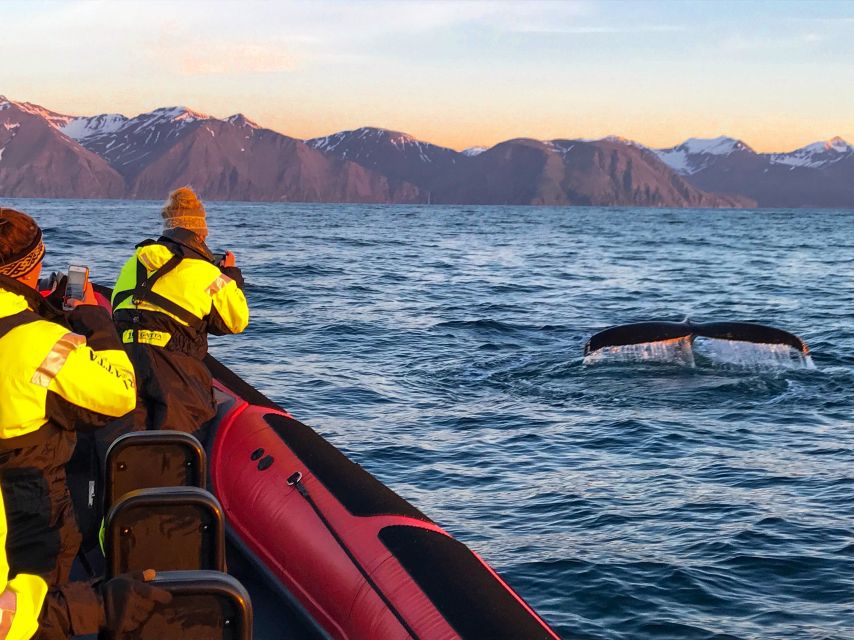
Húsavík sits in the northeastern whale-watching sweet spot, and the tour starts with a sail out into Skjálfandi Bay. This is not random cruising. The area is known for repeat visits by multiple species, and the guide’s job is to help you spot what’s there and understand what you’re seeing.
If you want the short version of why this matters: the bay is set up for whale watching, and the tour style matches that reality. You’re not stuck watching from the same spot for the full two hours. You move, search, and reposition as conditions and sightings change.
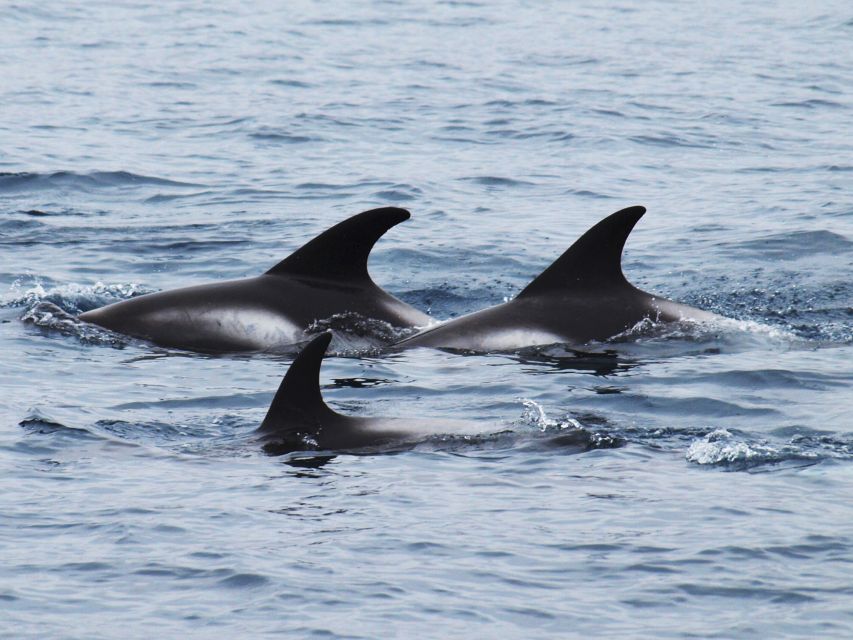
On a good day, you’re looking for a mix like humpback whales, minke whales, white-beaked dolphins, and porpoises. The tour also notes that more than 10 species visit Skjálfandi each year, which is why the guide keeps scanning for different signs, not just one headline species.
You can also read our reviews of more tours and experiences in Husavik.
Why the RIB speedboat changes whale watching (in a good way)
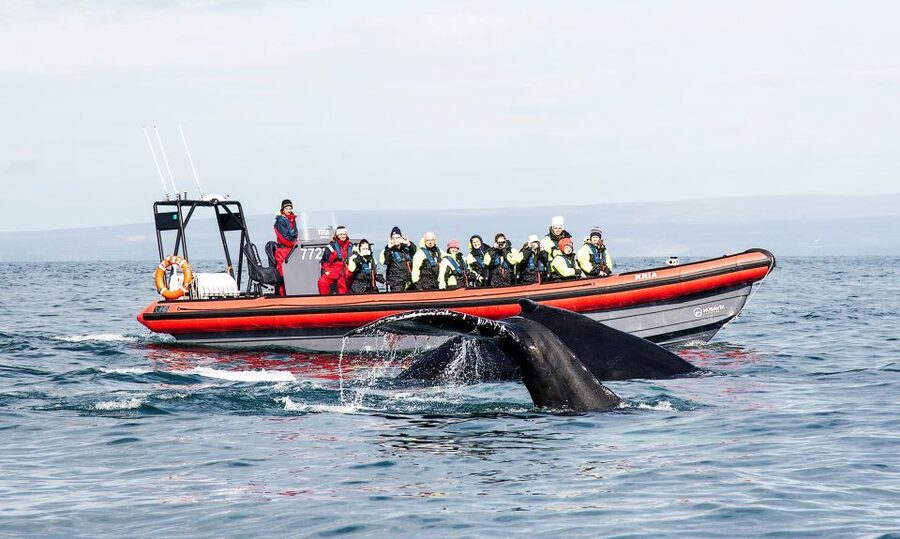
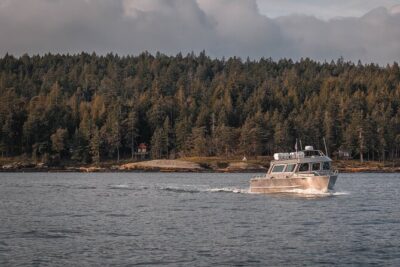
This tour runs in a rigid inflatable boat, the kind built for speed and quick course changes. That’s the big difference versus larger boats that can take longer to reach a new sighting.
In plain terms: when a whale surfaces somewhere in the distance, time matters. With the RIB, the captain can drive miles and close the gap fast, so you’re more likely to catch surfacing behavior rather than just passing it after it’s gone.
You’ll also appreciate the smaller passenger count. The tour is in a 12-seat RIB (or fewer), which means the view isn’t a constant scramble for the best angle. If you’re traveling with a group, it also feels more personal when the guide is answering questions and pointing out what to look for next.
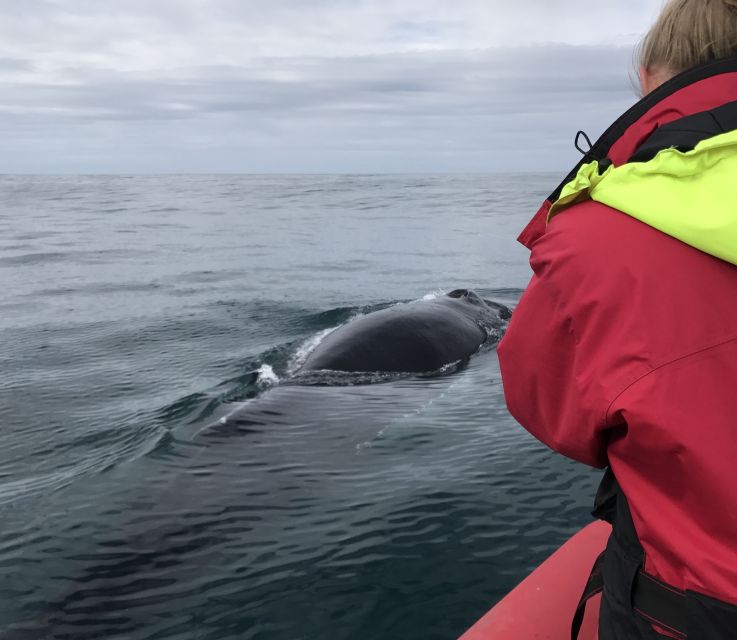
One more practical point: the RIB is open to sea spray. Several people note that it can be wet and a bit choppy. The energy of the ride is part of the fun, but you’ll want to dress like you’re heading into cold weather that involves water.
Safety briefing, then straight to wildlife searching
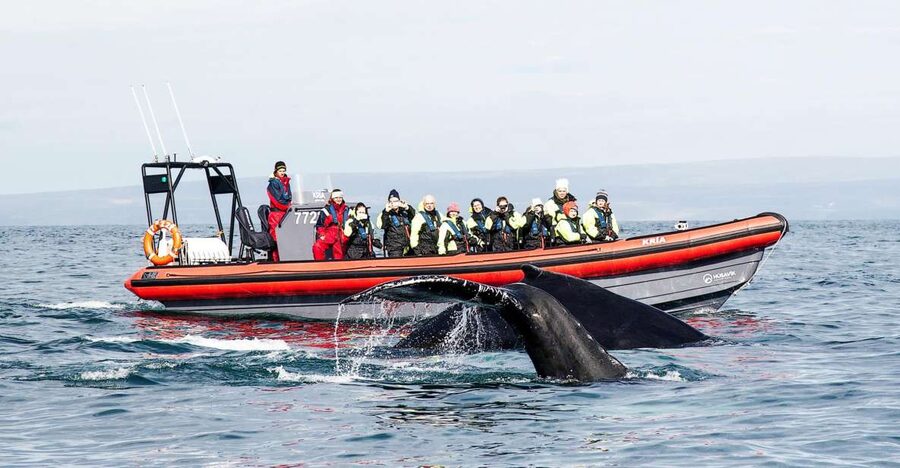
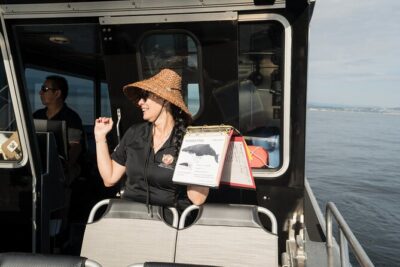
Before you’re out on the water, there’s a safety briefing at the starting point. You should take it seriously, even if you’ve done boats before. The tour pairs an expert whale-watching guide with the captain, and the whole experience depends on coordinated spotting and safe driving.
You’ll be in provided safety gear: a life vest plus warm water-resistant overalls. If the weather shifts, the captain adjusts course and speed while the guide focuses on spotting and matching what you see to species behavior.
From what’s emphasized on this tour, the goal is close viewing without turning it into chaos. That balance is one of the reasons people return to this style of wildlife trip rather than settling for far-off viewing.
Lundey Island Puffin Island: photo stop plus real bird viewing
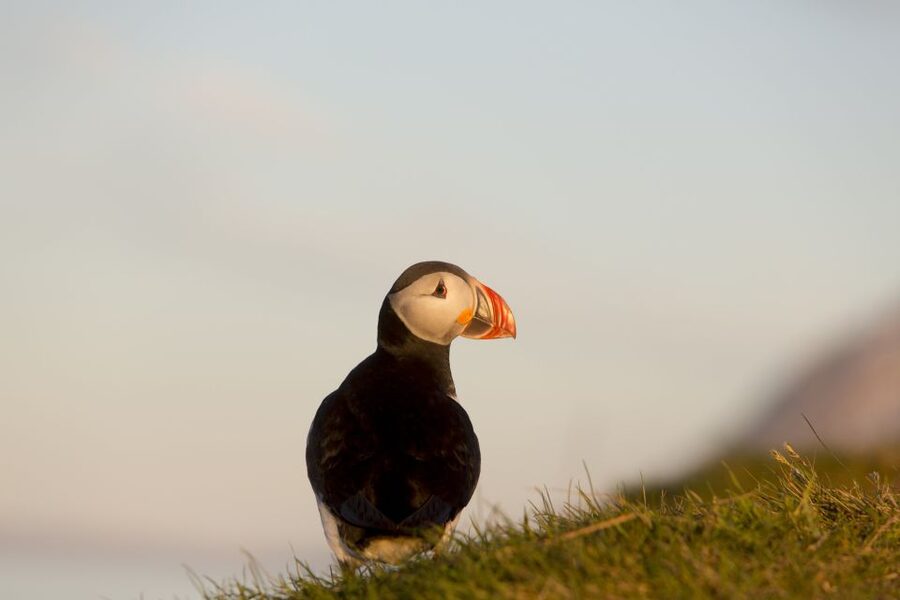
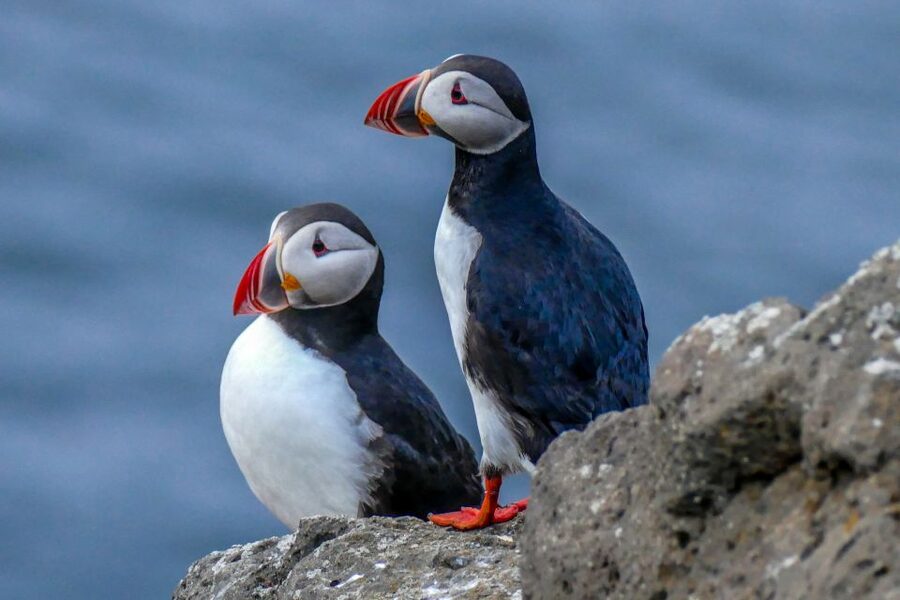
The highlight for spring and summer is Lundey Island, often called Puffin Island. This is where the tour shifts from big mammals to seabirds, and it’s a totally different kind of excitement.
During puffin season, roughly April 15 to August 20, the boat cruise is designed to get you there and then make time for a photo stop and guided bird viewing. Puffins can be active in different ways—on the water, popping into view, and flying overhead—so you’re not just waiting for one moment.
Lundey also fits the nature-nerd side of your brain. The guide’s job is to connect what you see with behavior: how the birds move, what signals indicate activity, and how the island fits into the wider marine ecosystem around Skjálfandi Bay.
A quick heads-up: if you’re going outside the puffin season, you won’t visit Lundey for puffins. The tour notes that departures become big-whales exclusive outside that window, which is useful if you’re traveling in winter or shoulder months.
The Tjörnes Peninsula fossil layers: the geology side of the ride
Between wildlife sightings, you also get an education stop of sorts, even if you never get off the boat. The tour mentions the Tjörnes peninsula, including fossil layers where the most ancient is about two million years old.
This is one of those details that makes the region feel bigger than your two-hour outing. You’re not only watching today’s animals. You’re traveling above a coastline that records deep time, and the guide helps connect the marine life you’re hunting to a shoreline shaped by long geological processes.
It’s also a nice change when you’re between whale sightings. Instead of staring at open water with nothing happening for too long, you’re listening to context: what this coastline is, why marine life concentrates here, and what clues to watch for in the water.
What whales and dolphins look like from a boat that keeps moving
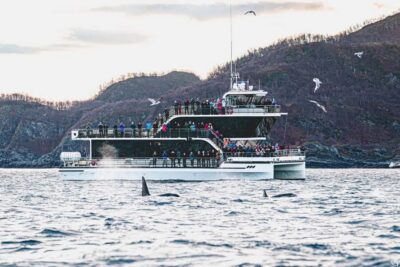
Whale watching is always a blend of planning and luck, but this tour is built to improve the odds. The RIB’s speed helps you chase sightings, and the guide works with the captain to decide where to go next.
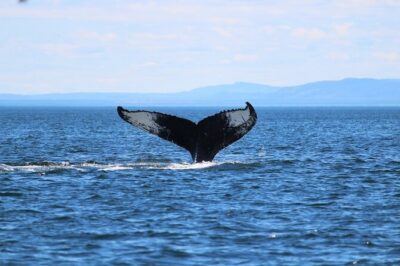
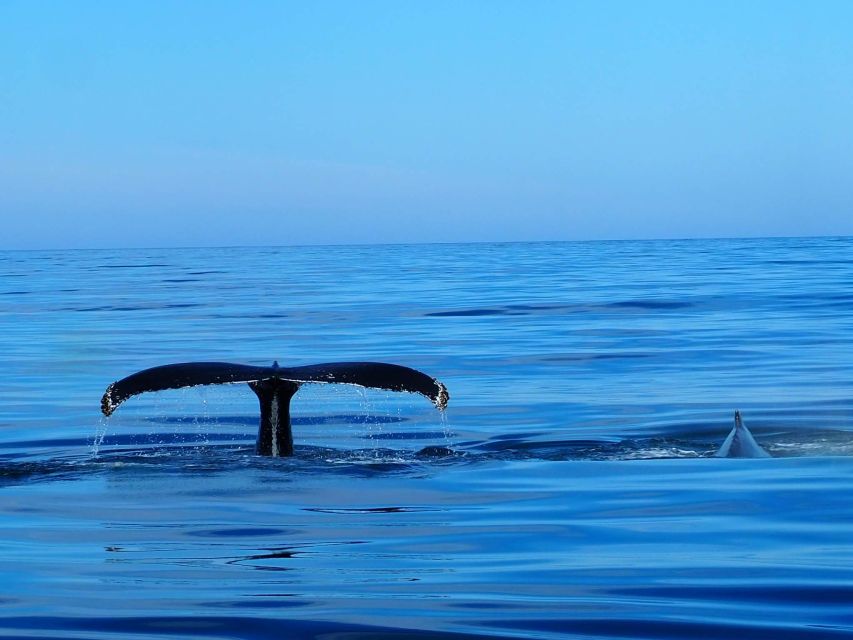
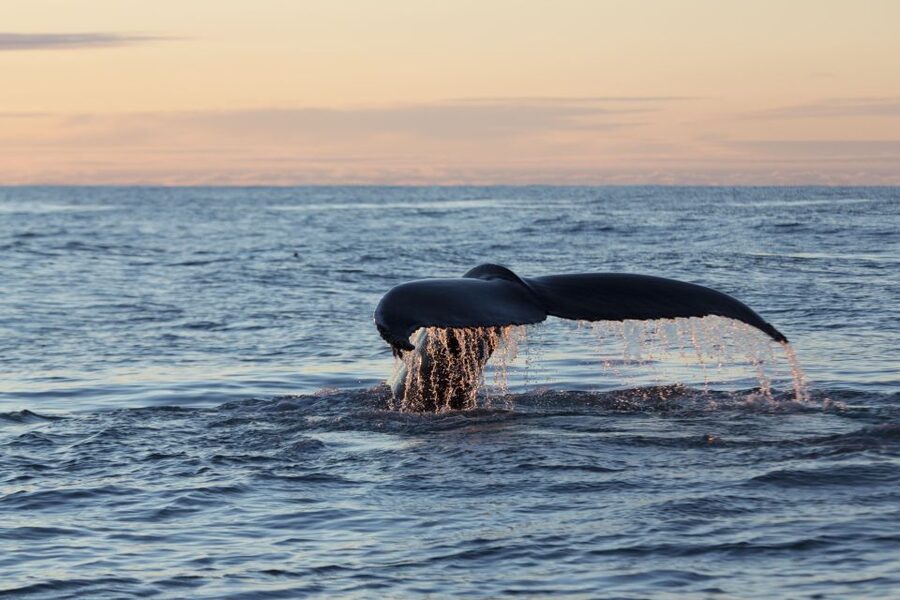
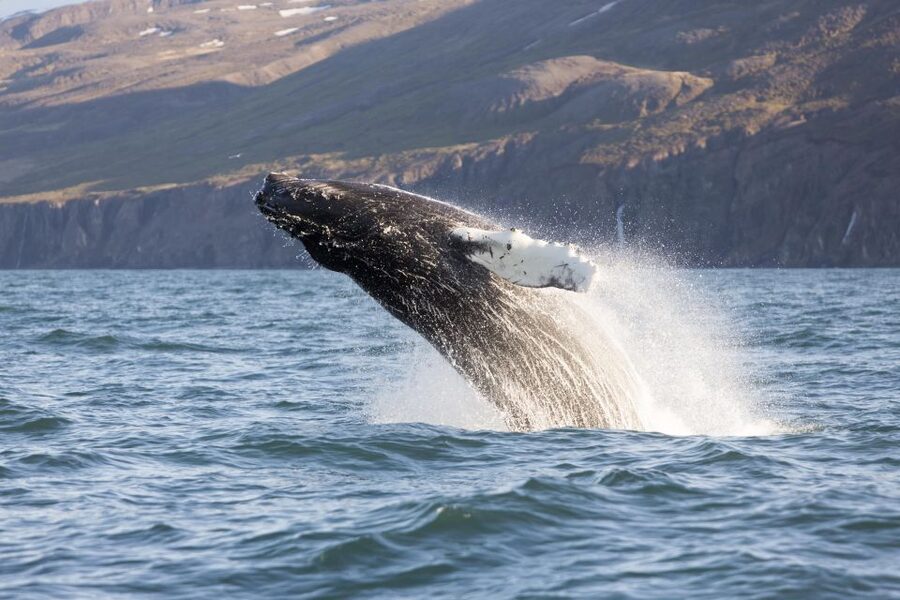
When you see whales, you’ll likely spot the classic signs first: blows, surface time, and movement patterns. On the best days, you can get extended viewing windows close enough for details like flipper positions and repeated surfacing.
People also mention special moments such as humpbacks surfacing multiple times and even longer stretches of behavior. You might also see seals or dolphins depending on what the guide finds in the search area.
One detail to keep in mind: the tour aims for close encounters, but it does not control the ocean. That’s why the group size and the speed matter. The faster you can reach the whale’s next surfacing, the more your chances rise for a good look.
Staying warm: overalls, layers, and the gloves issue
Here’s the truth about Iceland boat trips: you can’t out-will cold wind and wet spray. The good news is this tour provides the biggest comfort booster. You get warm water-resistant overalls, and the tour notes that wearing them is legally required in Iceland.
You can also get a raincoat if needed, plus a life vest. That covers the major bases for staying dry-ish and warm enough to enjoy the ride.
But you still need to bring your own extras. The tour explicitly recommends a hat and gloves, and many people mention that gloves are essential because hands freeze fast in cold conditions. Some also suggest bringing sunglasses or something to protect your face if you’re sensitive to wind.
Comfort shoes help too. Even though you’re not hiking, you’ll be standing and moving around at the dock and on the boat.
If you’re prone to motion sickness, plan ahead. One person notes that the open air and speed helped them feel fine, while others mention the ride can be choppy. This is exactly the situation where having your own motion-sickness plan makes sense, since seasickness pills are not included.
The two-hour structure: how the time gets spent
This tour is compact, which is part of the value. It’s designed around two time blocks: cruising/searching and the Lundey Island experience (when in season).
You start with the safety briefing and then sail out into the Skjálfandi Bay search area. That first phase is where whale spotting can happen, and it’s also when the captain and guide are making fast decisions about where the best chances are.
Then comes Lundey Island in the puffin season months, with a mix of photo stop, guided viewing, and scenic time on the way. The tour format keeps you active rather than waiting around.
Finally, you head back after the full two hours, returning to Hafnarstétt 11.
The best part of a short tour like this is that it doesn’t steal your whole day. Húsavík has other things to do, and two hours is enough time to feel like you had a real wildlife adventure without turning your day into a sea-sick endurance test.
Price and value: is $198 worth it?
At $198 per person for two hours, this isn’t a bargain-basement excursion. But it’s priced like what you’re actually buying: a small-group RIB experience, warm gear, and a guided approach designed to put you near wildlife.
The value comes from three things working together:
- You get speed (the RIB) to improve your odds when animals surface
- You get small group viewing (12 seats or fewer), so you’re not stuck behind other bodies
- You get included winter-style protection with overalls and life vests
If you compare this to larger-boat whale tours, you’re paying for the ability to reposition quickly and see more behavior up close. If that’s your priority, the price makes sense.
If you mainly want a gentle, low-spray sightseeing cruise, then this might feel intense. This tour is for people who like wind in their face and photos that actually capture the moment.
Who should book this tour, and who should skip it
This is a good fit if you:
- Want big wildlife action rather than a slow boat ride
- Like guided interpretation, not just spotting at random
- Are comfortable dressing for cold, wet conditions
It may not be a good fit if you have health limitations. The tour notes minimum age and several non-suitability factors:
- Minimum age onboard is 8 years old, or at least 130 cm tall
- Not suitable for pregnant women
- Not suitable for people with weak heart, bad back, epilepsy, or mobility issues
If your child is close to the height requirement, the tour advises contacting the provider before going.
What to do with your photos, your memories, and your expectations
You should go in with two expectations at the same time:
1) You’re likely to see multiple species on a good day in this region.
2) Wildlife is wild, and sightings depend on weather and animal behavior.
The RIB style helps you meet expectation one more often. You can also walk away with the educational side: the guide explains what you’re seeing and why the whales and birds are where they are.
Many people also praise the human side of the crew—guides such as Austin, Ignacio, Inaki, Zina, and captains including Sofie and Roby are names that show up with strong positive impressions. Even when the species count varies, the consistent theme is energy, focus, and a safety-first approach.
And yes, the close encounters can be intense in the best way. When you’re watching humpbacks and hearing the guide match behavior to biology, it stops being just a photo hunt and becomes a moment you’ll remember in a very specific way.
Should you book the Húsavík big whales and Puffin Island speedboat tour?
If you want the best shot at whales in a short window, book this. The RIB speed, the small group size, and the included warm overalls make it feel like a serious wildlife outing, not a casual cruise.
Choose it especially if you’re traveling between mid-April and late August and you want both storylines: puffins at Lundey and whale searching in Skjálfandi Bay.
I’d be cautious if you know you’ll struggle with cold spray, if you need a very smooth ride, or if any of the listed health restrictions apply. In those cases, you’ll enjoy the trip less, even with the provided gear.
Overall: for value, for wildlife payoff, and for an active two hours on the water, this is a strong pick in Húsavík.
FAQ
How long is the Húsavík big whales and Puffin Island speedboat tour?
It runs for 2 hours.
Where is the meeting point?
Meet at Hafnarstétt 11 at the Húsavík Adventures ticket office, and plan to arrive 30 minutes before departure.
Is this tour only for puffins?
No. Puffin season is about April 15 to August 20. Outside that time, the tour is big whales exclusive.
How many people are on the boat?
The tour uses a 12-seat RIB, and it notes that departures are limited to 12 passengers or fewer.
What should I bring?
Wear comfortable shoes and bring warm clothing, plus a hat and gloves. The tour also recommends warm layers because the bay can be cold.
What’s included in the price?
You get a guided tour in a 12-seat RIB, warm water-resistant overalls (required by law), a life vest, and a raincoat if needed.
Are there age limits or health restrictions?
Yes. The minimum onboard is 8 years old or 130 cm tall. It’s also listed as not suitable for pregnant women and for people with weak heart, bad back, epilepsy, or mobility issues.