REVIEW · JERVIS BAY
Jervis Bay Whale Watching Tour
Book on Viator →Operated by Jervis Bay Wild · Bookable on Viator
Winter whales move fast.
This Jervis Bay cruise puts you on the water during the annual humpback migration, with prime viewing chances plus the odds of dolphins, seals, and even seabirds. I like that it’s easy to fit into a day on the peninsula, and you get a proper chance to track whales in the Marine Park rather than just a quick peek from shore.
Two things I really enjoy: first, the onboard guidance. The crew’s commentary helps you understand what you’re seeing, and people have specifically praised staff like Wayne and Sophie and captains like Hamish. Second, the experience is built for real life with kids and adults—people consistently describe the staff as calm, organized, and helpful when conditions get choppy.
One consideration: sightings are not guaranteed, and the water can be rocky. On rougher days, you may spend more time looking than spotting, and some people get seasick—so plan like this is the ocean, not a pond.
In This Review
- Quick Hits: What Makes This Whale Watch Work
- Meeting at Jervis Bay Wild Cruises: Where Your Day Starts
- The 2-Hour Cruise Feel: Time on the Water vs Time Chasing
- Humpbacks in Jervis Bay: Northern vs Southern Migration Chances
- Wildlife Beyond Whales: Dolphins, Seals, Penguins, and More
- Scenery and Coastal Stops: Cliffs, Heads, and Sea Caves
- Comfort on Choppy Water: Warm Layers and Motion Strategy
- Guides and Onboard Energy: Why the Commentary Matters
- Price and Value: Is €40.95 Reasonable for a 2-Hour Whale Watch?
- Who This Tour Suits Best (and Who Might Want a Different Plan)
- Should You Book This Jervis Bay Whale Watching Tour?
- FAQ
- How long is the Jervis Bay whale watching cruise?
- Where is the meeting point?
- What’s included in the tour price?
- Are food and drinks included?
- Is a humpback whale sighting guaranteed?
- What other animals might we see besides humpback whales?
- What should I wear or bring?
- Is this tour suitable for families?
- What happens if the weather is poor?
Quick Hits: What Makes This Whale Watch Work
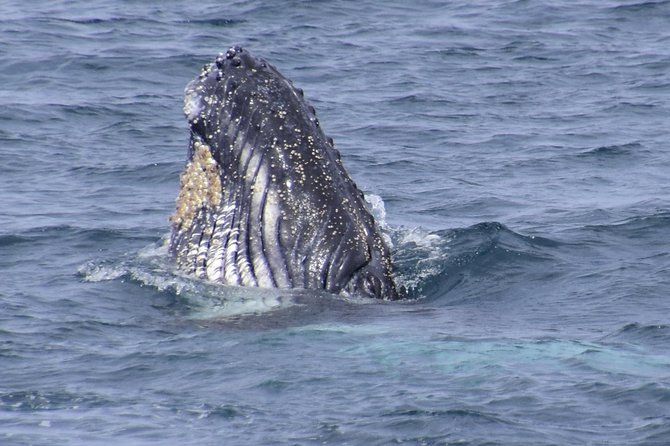
- Humpback migration timing (May–November): you’re cruising when the whales are moving through NSW waters
- Two departure options: choose a morning or afternoon slot that fits your Jervis Bay day
- Real wildlife variety: humpbacks plus possible dolphins, seals, penguins, and albatross
- Family-friendly crew: safety reminders and kid management handled with patience
- You’ll learn what to look for: commentary helps you read behavior, not just chase sightings
- Bring warmth for the water: cool breeze on deck is common, even on sunny days
Meeting at Jervis Bay Wild Cruises: Where Your Day Starts
Your trip starts at 15 Field St, Huskisson, a straightforward meeting point that keeps things simple. From there, you head to the cruise vessel for a roughly 2-hour outing. The whole setup is designed for day-trippers who want wildlife time without turning the day into a half-day scavenger hunt.
I like how this is built around a single goal: get you out on the water long enough to actually look. You’re not rushing between dozens of stops, and you’re not doing a “tour” that mostly involves sitting in transit.
One small practical tip: when you arrive, take a minute to check where you’ll sit before the boat moves. On a whale watch, comfort matters because you want to stay focused on the water surface and not your stomach.
The 2-Hour Cruise Feel: Time on the Water vs Time Chasing
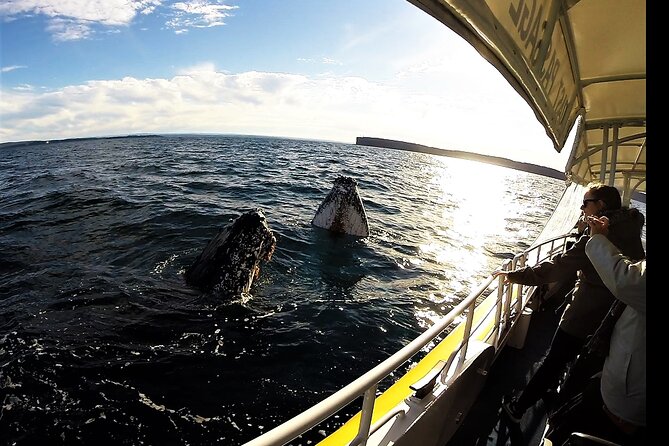
This is an ocean activity, so the rhythm is simple: depart, search, and reposition as conditions allow. The listing describes a cruise through Jervis Bay waters, with prime viewing opportunities onboard.
People mention that the experience is generally relaxing, but you should still treat it like the sea. Water can get choppy, and that matters in two ways:
- your viewing becomes harder if everyone is white-knuckling the seat
- photos can be tough because the boat shakes with waves
If you’re the kind of person who wants crisp photos, be ready for “capturing the moment” more than “getting a postcard.” The most realistic win is seeing whales and dolphins in motion—especially when they surface close enough for a clear look.
Also, there’s a pattern in the better moments: the best sightings tend to happen after you’ve been out for a bit, when the crew has a chance to locate whales and set up viewing. One review even notes the crew extended the time to increase the chance of more sightings, which gives you a hint about how they manage with nature in mind.
Humpbacks in Jervis Bay: Northern vs Southern Migration Chances
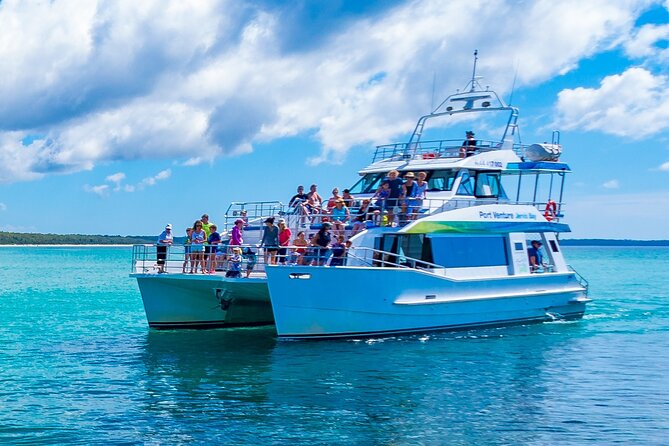
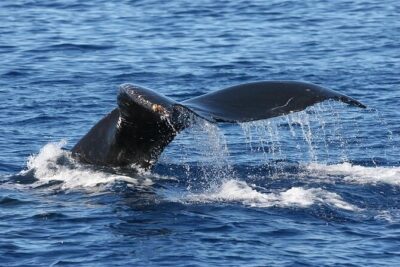
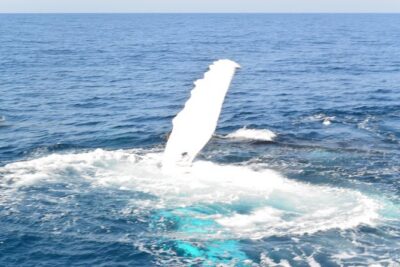
This cruise is all about the humpback migration. The tour window lines up with the whales traveling between the warmer waters of NSW and their broader seasonal movements, with the season running May through November.
Here’s the part I find especially compelling: the way Jervis Bay fits into the migration story. During the northern migration, the whales can be sighted within about a mile off dramatic cliffs along the peninsula. That setting matters because it shapes what you’ll see—more “cliff-framed” whale viewing, with steep coastline in the background.
During the southern migration, the emphasis can shift toward mothers and their calves as they come to rest in Jervis Bay. That difference can be huge for your emotional reaction: seeing a whale calf changes the whole feel of the trip. It’s less about distant splashes and more about witnessing a living routine.
A key reality check: even with good conditions and good searching, whales are wild animals. Sometimes you get a close, long look. Sometimes you get glimpses and a lot of scanning.
Wildlife Beyond Whales: Dolphins, Seals, Penguins, and More
Whales are the headline, but the boat can turn into a whole little wildlife field guide. The tour notes that you may also spot bottlenose dolphins, penguins, seals, and albatross along the way.
In practice, dolphins often show up as the “warm-up act.” Multiple accounts highlight dolphins playing alongside the boat, including quick sightings early in the cruise. If you’re traveling with kids, that matters: it keeps the excitement high even if whales take longer to appear.
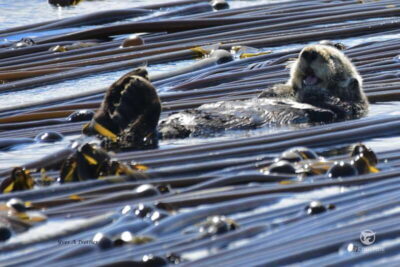
Seals can also be a nice bonus when you’re scanning quieter areas. And albatross are the kind of seabird that’s easy to miss if you’re not looking up and out. The crew’s commentary helps you spot more than just the biggest animals.
Bottom line: even on a day where whales are shy, this kind of mixed wildlife viewing can still feel like a win—provided the sea conditions let you actually enjoy the ride.
Scenery and Coastal Stops: Cliffs, Heads, and Sea Caves
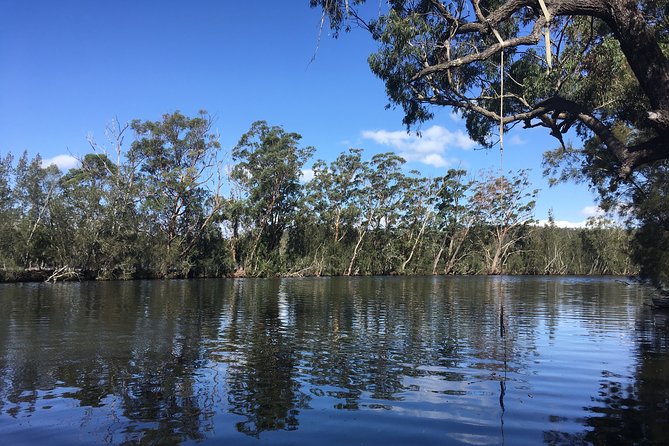
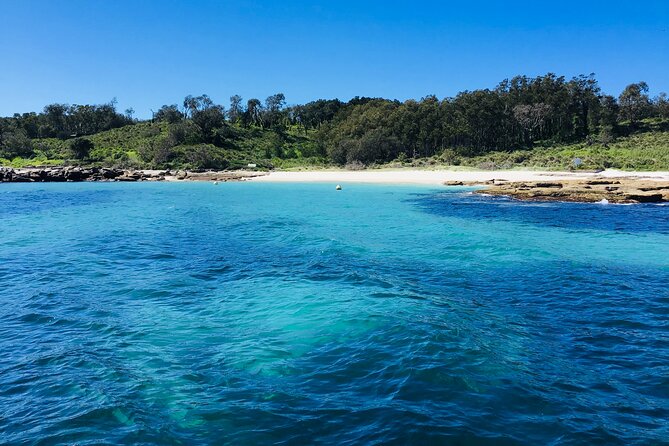
Jervis Bay is famous for its rugged coastline, and this cruise leans into that. The experience includes passage along and around the bay’s coastal features, described as dramatic sea cliffs and ancient sea caves in the tour notes.
That scenery isn’t just background. It’s practical. Cliffs and headlands can change how waves break and where whales may surface. They also give you landmarks for positioning—especially when you’re scanning with binoculars or trying to follow the crew’s pointing.
Some people specifically mention seeing coastal highlights and getting great explanations of the cliffs. In other words, you’re getting two layers of value:
1) wildlife searching offshore
2) learning the coastline while you wait
That’s a smart way to keep the time meaningful, even when wildlife is slow.
Comfort on Choppy Water: Warm Layers and Motion Strategy
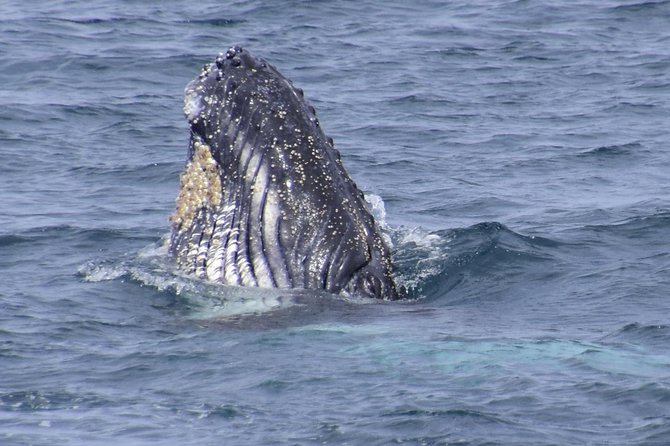
If there’s one repeated advice that really matters, it’s this: bring something warm. The water can be cool, and the wind on deck adds chill fast. Even when the air is pleasant on shore, you’ll feel it once you’re out on the bay.
The other comfort issue is motion. Reviews mention rocky water and at least one case of someone becoming ill. This doesn’t mean the trip is unsafe. It means you should plan for realistic conditions on an exposed coast.
My practical tips:
- Wear layers you can peel off. Cold is common on water; overheating is less likely than freezing.
- If you’re prone to motion sickness, consider taking preventative medication before you board.
- Pick a seat where you feel less bouncing. If you can, aim for an area you’d choose for a boat ride, not a spot that gets hammered by wind and spray.
Also, the crew can be very attentive about passenger comfort and safety rules. People mention they helped quickly and calmly when someone got sick, which is exactly what you want in a scenario you can’t control.
Guides and Onboard Energy: Why the Commentary Matters
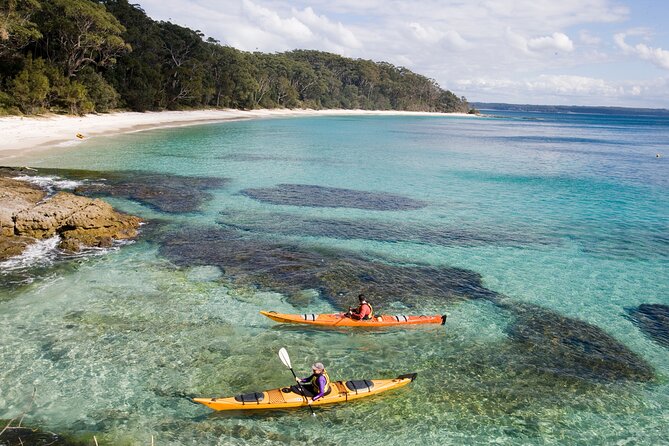
A whale watch is partly nature and partly interpretation. If you don’t know what to look for, you end up staring at the horizon like it owes you a whale.
This tour gets praise for how the staff and captain explain what’s going on and where to focus. People call out strong service and friendly, informative crew, and they’ve named staff such as Wayne and Sophie, plus Captain Hamish, for being helpful and organized.
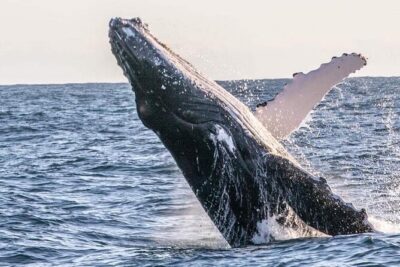
That matters because humpbacks can show up in different ways: a surface breach, a slow roll, or a blow that’s visible for seconds. Good commentary turns those quick moments into “I saw it and I understood it,” not “Was that… something?”
And it’s not just facts. The staff also handle kids and safety rules in a calm way. That patience is a real quality signal for a family-friendly activity like this.
Price and Value: Is €40.95 Reasonable for a 2-Hour Whale Watch?
At €40.95 per person for an approximately 2-hour cruise, the value comes down to what you’re buying:
- access to prime waters in Jervis Bay
- time on the water scanning for whales
- guided spotting and coastal context
- a chance at multiple species, not only humpbacks
You’re also paying for the reality that whale watching is unpredictable. Some days you get a close, long interaction with mothers and calves. Some days you get fewer sightings or smaller time on target. That’s the nature of wild animals, and the price is still fairly aligned with the effort and time it takes to get out and search.
The tour also uses mobile tickets, which reduces stress. No printing, no last-minute confusion, just show up and go.
If you want the best value, aim for a day with better weather. Since the activity requires good weather, your odds improve when the sea is cooperative.
Who This Tour Suits Best (and Who Might Want a Different Plan)
This is a great fit if you:
- want a family-friendly wildlife outing with kids and adults sharing the same experience
- are visiting Jervis Bay and want a single activity that pairs well with other sightseeing
- enjoy learning what you’re seeing, not just scanning blindly
It can be less satisfying if you:
- absolutely need a whale photo you can frame, because boat movement and short surface time can make crisp shots hard
- get motion sickness easily and haven’t planned for choppy water
Also, if you’re the type who hates “waiting to see,” know that this is still a search. The crew tries hard, and you’ll get wildlife action sometimes right away, but you’re on the ocean where nature sets the schedule.
Should You Book This Jervis Bay Whale Watching Tour?
I think you should book it if you’re in Jervis Bay during May–November and you’re excited by the idea of catching a real humpback migration window. The combination of wildlife odds, onboard guidance, and a solid 2-hour time block makes it a smart day-activity.
But don’t book it expecting guaranteed whales or calm seas. Treat it like a nature experience: bring warm clothes, plan for motion, and keep your expectations flexible. If you do that, you’ll get exactly what this tour is at its best: close-up moments, possible mother-and-calf sightings, and a boat ride that feels like it’s about the ocean, not about ticking boxes.
If the weather’s good, this is one of the more straightforward “worth it” ways to chase humpbacks in Jervis Bay.
FAQ
How long is the Jervis Bay whale watching cruise?
The cruise lasts about 2 hours.
Where is the meeting point?
You meet at 15 Field St, Huskisson NSW 2540, Australia.
What’s included in the tour price?
The tour includes the 2-hour cruise.
Are food and drinks included?
No. Food and drinks are not included.
Is a humpback whale sighting guaranteed?
No. Whale watching depends on natural conditions, and sightings can vary.
What other animals might we see besides humpback whales?
You may also spot bottlenose dolphins, penguins, seals, and albatross.
What should I wear or bring?
Bring and wear something warm, because it can be cool on the water.
Is this tour suitable for families?
Yes. It’s described as family-friendly, and children must be accompanied by an adult at all times.
What happens if the weather is poor?
The experience requires good weather. If it’s canceled due to poor weather, you’ll be offered a different date or a full refund.