REVIEW · WESTERN AUSTRALIA
Western Australia: Swim with Humpback Whales
Book on GetYourGuide →Operated by Coral Bay Ecotours · Bookable on GetYourGuide
Whale migration in Western Australia hits different. This full-day Coral Bay outing mixes Ningaloo Reef snorkeling with carefully managed humpback whale swim time, all with a small-group feel. What I like most is the day is built around real wildlife encounters, not just a checklist, and the team uses structured safety rules to keep humans and whales comfortable. The one drawback to consider is that encounters can’t be guaranteed, and sometimes you may watch humpbacks from the boat depending on conditions and wildlife protection.
The vibe here is active, salt-air, and outdoorsy, but the organization is what makes it work. You get a wetsuit, snorkeling gear, two reef snorkels, a whale section on open water, plus lunch and snacks that make the day feel complete. I’d think twice if you’re not comfortable in a wetsuit or you get cold easily, because it’s an all-day time on the water.
If you’re aiming for a bucket-list wildlife day in Coral Bay (Ningaloo Reef region) between July and October, this is a strong value for what’s included. It’s also one of the rare options in Australia that offers a structured chance to get in the water with humpbacks.
In This Review
- Key things that make this whale-and-reef day work
- Ningaloo Reef and Coral Bay: the setting that makes this feel special
- How the 8-hour plan actually flows (reef first, whales next, reef again)
- The day’s main stops
- The humpback whale swim: small groups, safe distances, and whales on their terms
- When you might not swim with humpbacks
- What you can see on the reef: turtles, rays, reef sharks, and surprises
- Two reef snorkel sites
- The crew and the behind-the-scenes details you’ll feel
- Food, comfort, and the champagne finish
- What to do with your comfort gear
- Price and value: is $467 per person worth it?
- Who should book this whale swim tour (and who should think twice)
- Practical packing list for a Coral Bay water day
- Weather, minimum numbers, and encounter expectations
- Realistic expectations for the humpback swim
- Should you book this Coral Bay humpback whale swim tour?
- FAQ
- Where is the meeting point for this humpback whale swim tour?
- How long is the tour?
- What snorkel and whale experiences are included?
- What’s included in the price?
- Do I need to bring snorkeling gear or a wetsuit?
- Can I guarantee I’ll swim with the humpback whales?
- Are pets and smoking allowed?
Key things that make this whale-and-reef day work
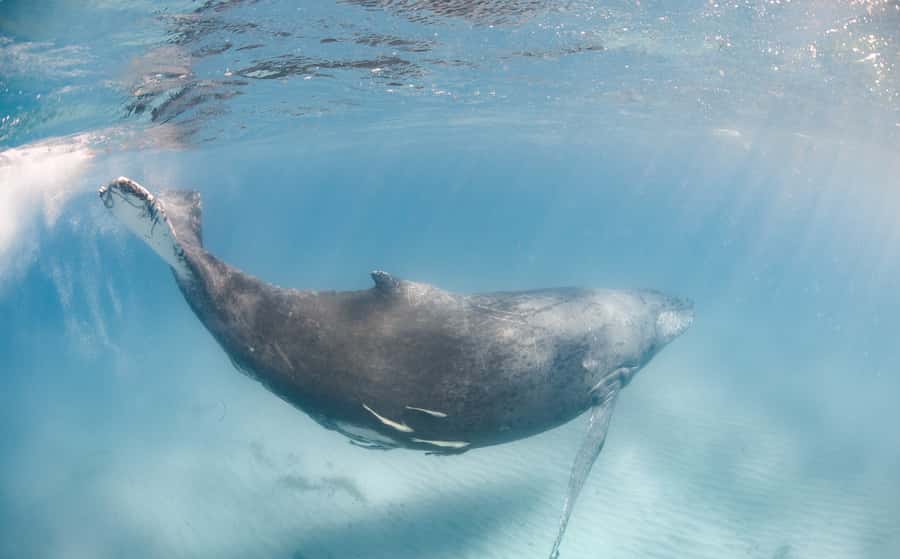
- Small, controlled swim groups (about 7) with crew positioned at a safe distance near the whales’ route
- Two reef snorkel stops plus open-ocean whale time, so the day has more than one kind of wow
- Real safety-and-animal rules: the team decides what’s possible based on conditions and whale behavior
- Catering is included (morning and afternoon tea, buffet lunch, fruit platter, champagne)
- Top-tier marine variety you might see turtles, stingrays, reef sharks, and sometimes big-name visitors like whale sharks
Ningaloo Reef and Coral Bay: the setting that makes this feel special
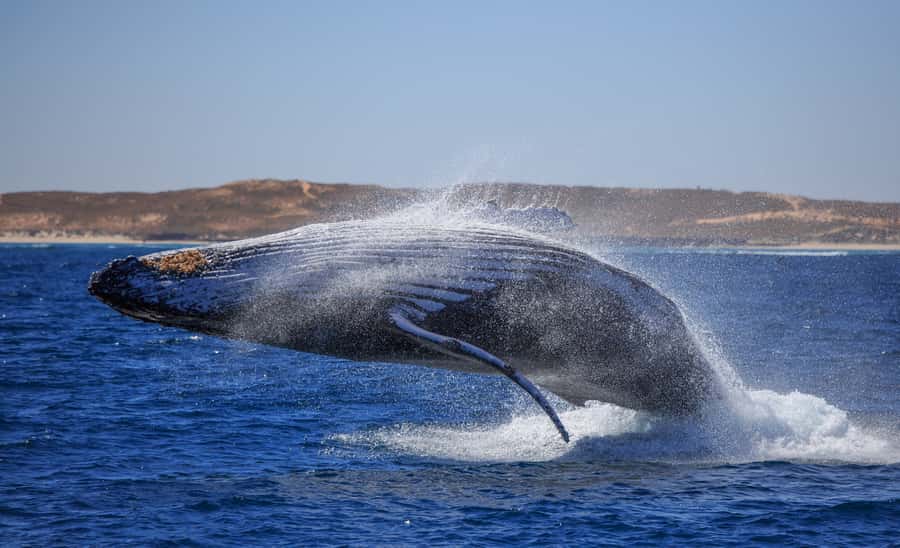
Coral Bay is one of those places where the water does the talking. You’re heading to Ningaloo Reef, a place known for healthy marine life close enough to reach on a day trip. The tour starts with snorkeling on the reef area first, so you’re already in the right mindset for wildlife before the whales even enter the story.
I like that this isn’t a half-day hop-and-fade. The day is long enough for both the reef side of Ningaloo and the open-ocean humpback migration route, so you get variety instead of one event and then waiting. That matters because whale sightings depend on nature’s timing more than schedules.
How the 8-hour plan actually flows (reef first, whales next, reef again)
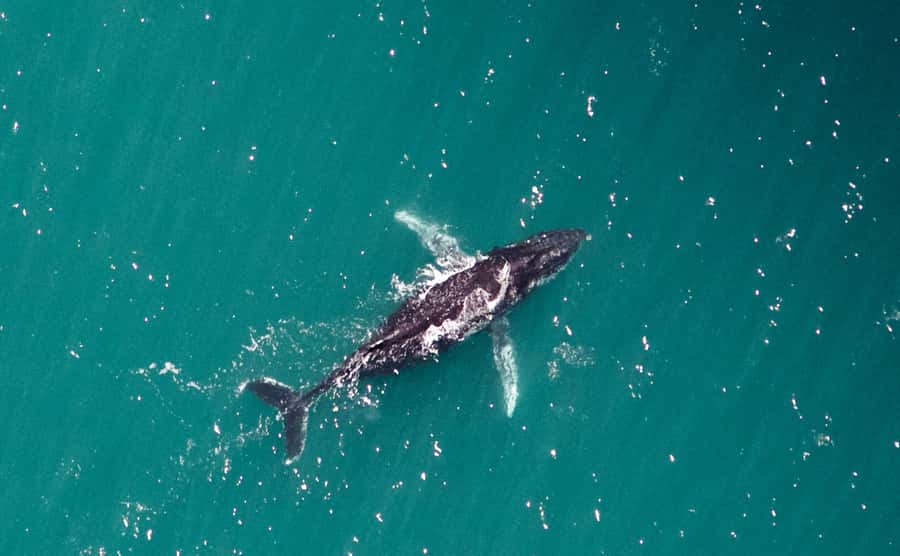
This is an all-day format built around transitions. You begin with a reef snorkeling experience, then you move out to open water to look for humpbacks along their migratory path. After whale time, you return to the reef for lunch and another snorkel stop, finishing with a celebratory touch.
That rhythm is smart for your energy. If you’re prone to getting seasick, you’ll still be on the water for the whale section, but you’ll start the day with calmer reef snorkeling first. And you’re not left with just a boat ride at the end—there’s a second chance to get in the water on the reef.
The day’s main stops
- Morning reef snorkeling: likely reef turtles, reef sharks (if you’re lucky and conditions allow), stingrays, and plenty of fish
- Open-ocean whale viewing: you watch humpbacks travel their route, and sometimes you’ll get swim time if your guide deems it safe
- Lunch on board: a buffet-style meal plus time to dry off before the final reef snorkel
- Second reef snorkeling: a final look at Ningaloo marine life before you head back
The humpback whale swim: small groups, safe distances, and whales on their terms
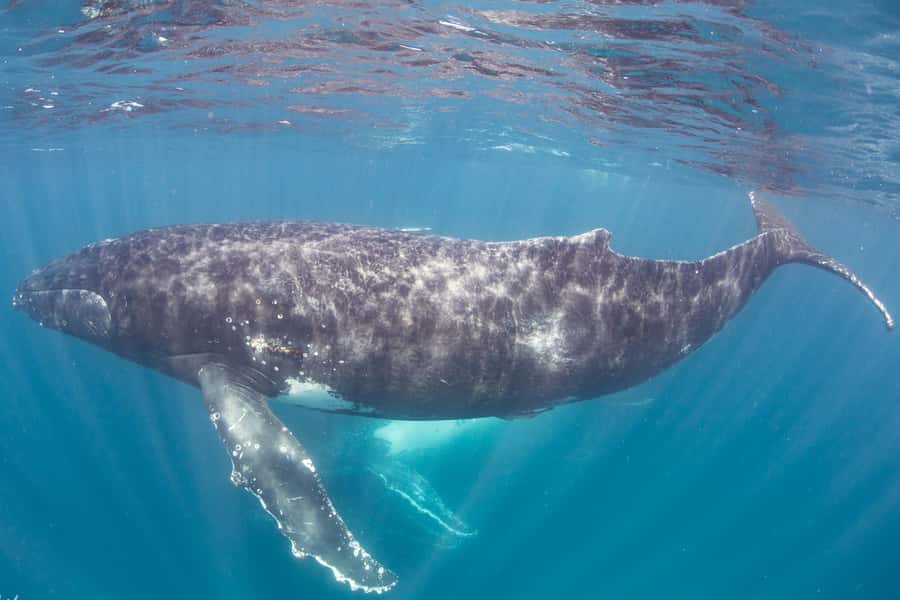
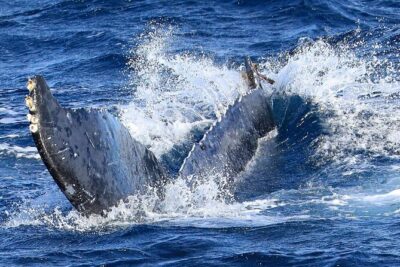
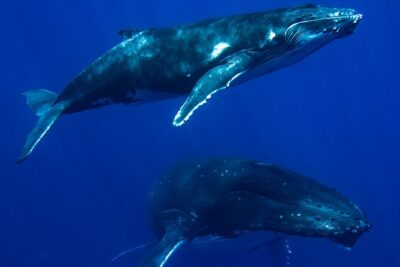
The humpback part is the headline, and the tour handles it with a structure that makes sense. After the team assesses safety, you’re separated into groups of about 7. Two crew members work with each group, positioned near the whales’ path but at a safe distance—so you’re present without crowding.
Then comes the key idea: each interaction is on the whales’ terms. Humpbacks can be curious and may approach swimmers, or they may simply pass through. That’s not a sales line—it’s the reality of wildlife encounters, and the approach here is designed to respect that.
When you might not swim with humpbacks
One thing you should know is that whale behavior can change what’s possible. On at least one day described in feedback, humpbacks were seen, including a calf, and swimmers were kept on board for safety and to protect the animals. The important takeaway: the crew isn’t rigid. If the whales mean no swimmers, the day still aims to deliver other marine highlights where safe and allowed.
This is exactly why I trust tours that rely on trained guidance rather than promises. If you’re looking for a guaranteed moment in the water no matter what, this is not that kind of experience.
What you can see on the reef: turtles, rays, reef sharks, and surprises
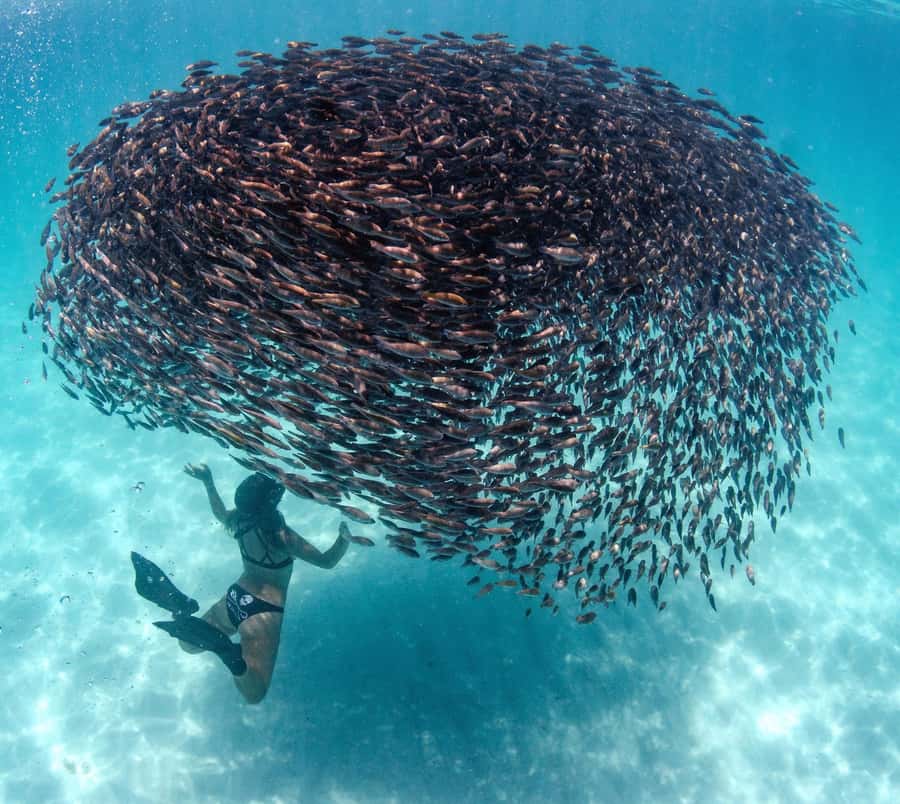
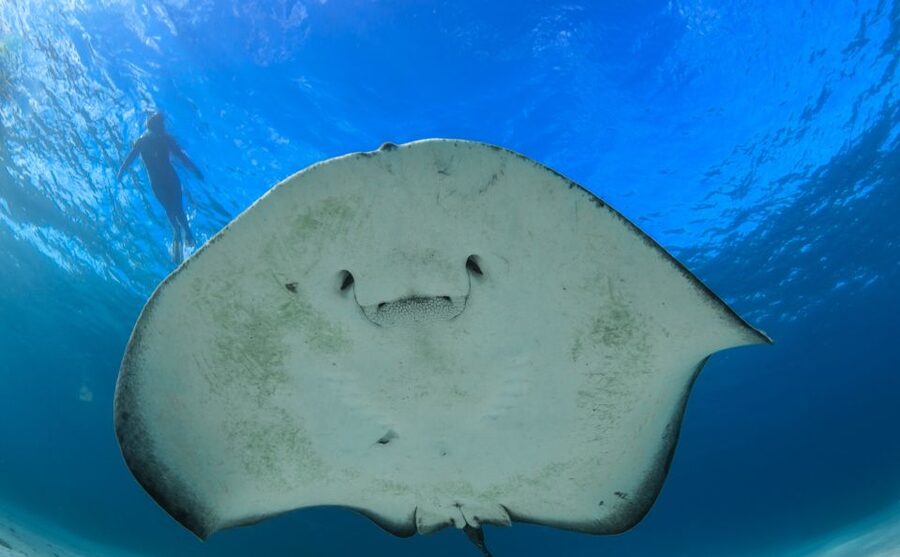
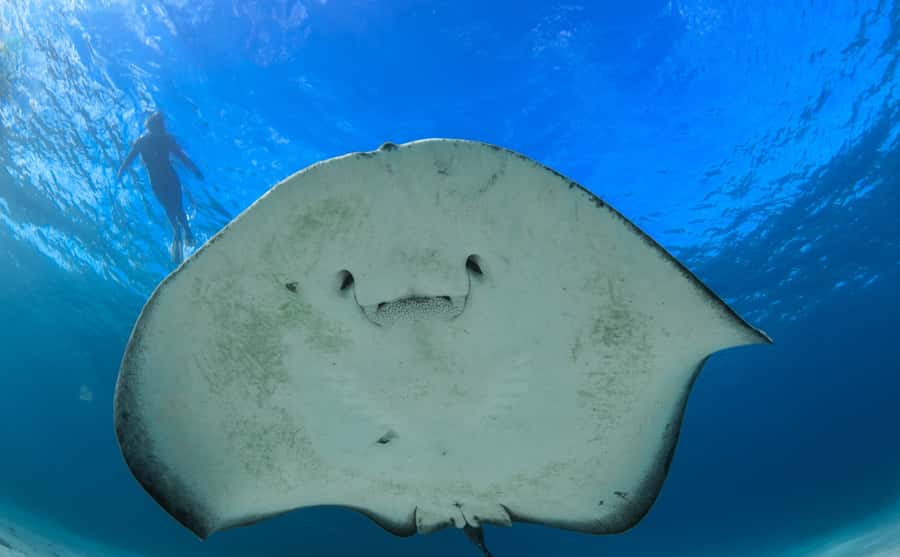
The reef snorkel portion is built to deliver more than just clear water and pretty rocks. You might encounter turtles, reef sharks, stingrays, and lots of reef fish. The tour includes snorkeling equipment and a wetsuit, which helps you stay comfortable enough to actually enjoy what you’re seeing.
What’s especially promising is the range of animals that have shown up on past outings. Feedback includes sightings like octopus and reef sharks, plus rays such as manta-type rays and even a whale shark swim in at least one instance. Big animals aren’t guaranteed, but the fact that they happen here tells you the reef section is not just filler time.
Two reef snorkel sites
You’re not limited to one snorkel stop. The plan includes snorkeling at two different sites on the reef. That matters because marine life and visibility can shift between locations. You’re also less likely to feel like you’re repeating the same experience twice.
The crew and the behind-the-scenes details you’ll feel
This is one of those tours where the difference is in the details. People highlight that the operation runs smoothly and on time, and that the guides are warm and supportive. Names that come up include Paula and Marina on the guiding team, plus a photographer named Lau and the boat driver Paul.
I also like that the crew checks in on you during the day, which is huge when you’re cold, tired, or just trying to focus on breathing and staying relaxed in the water. When the guides manage the flow well—gear, wetsuit, spacing, group timing—you spend less mental energy wondering what happens next.
One small downside worth noting: tour photos aren’t included. If you want a photo record, plan to bring your own camera or ask ahead if there’s a way to purchase.
Food, comfort, and the champagne finish
Full-day tours either feed you well or they run on snacks and hope. This one does better than average. You get morning and afternoon tea, a buffet lunch, and a fruit platter at the end. After the final return, you’re also offered a glass of champagne to cap the day.
That champagne isn’t the most important part of the wildlife day—but it does matter emotionally. It turns the ride home into a celebration instead of a tired scramble to get dry and go.
What to do with your comfort gear
Even with a wetsuit, you’ll want to be ready for wind and sun swings. The tour advice includes bringing swimwear and water, plus a jacket or warm clothing for between water sessions. Sun protection is also mentioned because you’ll be outside most of the day.
Price and value: is $467 per person worth it?
At $467 per person for an 8-hour, full-day outing, you’re paying for more than a boat ride. You’re paying for:
- guided wildlife management
- wetsuit and snorkeling equipment
- two reef snorkel experiences
- open-ocean time for whale migration observation
- full meals and snacks
- fruit platter and champagne
The value angle is that most of the “extras” are already handled. You don’t have to find gear, pack food, or piece together multiple stops. Also, the structured humpback swim approach requires trained oversight, which isn’t cheap.
The one cost-related note is tour photos not included. If you’re a “document every second” person, that could affect how you judge value.
Who should book this whale swim tour (and who should think twice)
This tour is best for people who:
- can swim and feel comfortable wearing a wetsuit
- want both reef snorkeling and humpback whale time in one day
- like structured guidance and safety rules
- travel during the whale migration window from July to October
It may be a tougher fit if:
- you get cold quickly on the water
- you’re expecting guaranteed humpback swimming in all conditions
- you dislike waiting through weather checks (since the day is subject to weather and minimum numbers)
I also think this is a great fit for first-timers to whale country, because the crew handles spacing and group timing. If you’ve snorkeled before, you’ll likely enjoy how organized it feels. If it’s your first time snorkeling with a wetsuit, it can still work, as long as you’re comfortable following instructions and staying calm.
Practical packing list for a Coral Bay water day
The tour instructions are simple, but follow them. Pack:
- swimwear
- water
- sun protection
- a towel if you have one
- a jacket or warm clothing for after snorkels
If you wear prescription gear, consider what you’ll need above and beyond the provided equipment, but the only required items explicitly listed are swimwear and water. Still, bring what helps you stay comfortable between water sessions.
Also note what’s not allowed: no pets and no smoking. It’s a practical reminder that you’re dealing with marine-focused, boat-based rules.
Weather, minimum numbers, and encounter expectations
This tour is subject to minimum numbers and weather. That means the operation is not guaranteed no matter what—you’ll be tied to sea conditions and partner planning. If you’re traveling in a shoulder season week, plan to have some flexibility.
And even when the boat runs, wildlife encounters aren’t promised. The local partner can’t guarantee encounters with nature. For humpbacks, the best expectation is a guided effort for safe viewing and, when conditions allow, a chance to swim. The whales decide the rest.
Realistic expectations for the humpback swim
Here’s what you can take as your baseline:
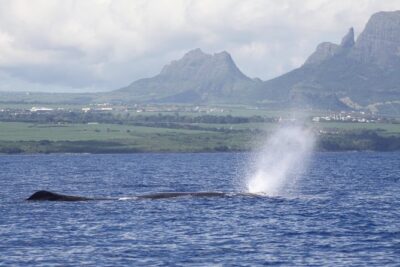
- You’ll likely see humpbacks from the boat during migration
- Swimming happens only when the guide judges it safe
- Group size stays small (about 7) to manage spacing and reduce pressure on the animals
- If a safety or animal-protection rule keeps you on board, the team still aims to deliver other marine highlights where allowed
Should you book this Coral Bay humpback whale swim tour?
I’d book it if you want a full wildlife day in Western Australia that mixes Ningaloo Reef snorkeling with the real star of the season: humpback whales. The reason I like it is the balance: reef time for guaranteed-under-water fun, then open-ocean time for whale migration observation, then more reef time so the day doesn’t end at the dock.
If you’re the kind of person who hates uncertain plans, take a breath and adjust your mindset. This is nature-first. Even the best operator can only control the safety and the approach, not whale behavior. That’s also why the structured group method matters: it gives you a better shot at a respectful, safe interaction.
Before you commit, ask yourself one question: do you want to spend the day in water with a wetsuit and follow crew guidance? If yes, this is a strong choice for the July to October migration window from Coral Bay.
FAQ
Where is the meeting point for this humpback whale swim tour?
The meeting point is 30 Robinson Street, Coral Bay WA 6701, Australia.
How long is the tour?
The duration is 8 hours.
What snorkel and whale experiences are included?
You’ll do reef snorkeling at two different sites, then go out to observe humpback whales during their migration. If it’s judged safe, you may also swim with the whales.
What’s included in the price?
Included items are snorkeling equipment, a wetsuit, morning and afternoon tea, a buffet lunch, a fruit platter, and champagne.
Do I need to bring snorkeling gear or a wetsuit?
No. Snorkeling equipment and a wetsuit are included.
Can I guarantee I’ll swim with the humpback whales?
No. The opportunity to swim depends on safety and the whales’ behavior. The partner cannot guarantee wildlife encounters.
Are pets and smoking allowed?
No. Pets are not allowed and smoking is not allowed.