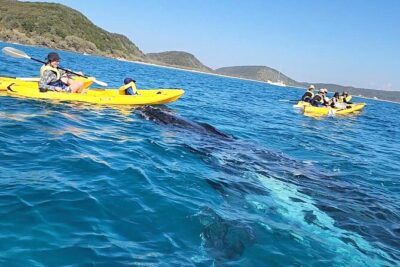
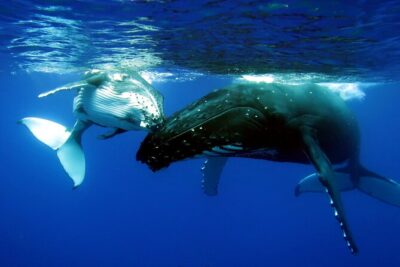
Whales show up fast off Tarifa. You’re heading out into the Strait of Gibraltar, a UNESCO International Biosphere Reserve, where dolphins and whales often come close enough to make the sea feel personal. What I like is the high odds built into the plan, plus the clear rules that keep wildlife safe while you watch from the boat.
Two things I especially enjoy are the helpful English commentary and the way the crew handles changing conditions. When you need it, they also look out for comfort, like seasickness support for kids and adults. The main drawback to keep in mind is that this is still nature: if weather shuts the trip down, you’ll need to shift dates or get a refund.
In This Review
- Key highlights before you go
- Strait of Gibraltar chances: why Tarifa is such a good launch point
- What 2 hours 30 minutes on the water is really like
- How spotting works without stressing whales and dolphins
- The species you may see: pilot whales, sperm whales, and dolphins
- Pilot whales
- Sperm whales
- Bottle-nosed dolphins and other dolphins
- Real talk: sightings are not guaranteed
- Crew and guide: what makes the experience feel smooth in the moment
- Health and comfort: your job starts before you ever reach the deck
- On-deck etiquette that protects whales and makes your viewing better
- Price and value: is $69.77 worth it from Tarifa?
- Who should book this whale watch out of Tarifa
- When weather matters: how cancellations usually play out
- Should you book it? My decision guide for Tarifa
- FAQ
- Where does the whale watching tour start and end?
- How long is the tour?
- How much does it cost?
- Is the tour offered in English?
- What are the operating hours?
- What happens if weather is poor?
Key highlights before you go
- UNESCO Strait of Gibraltar waters between the Atlantic and Mediterranean
- Practically 100% sighting chances on exits, with a second attempt if needed
- Up to 50 people max, so it doesn’t feel chaotic
- English-speaking guide, plus crew support during the return
- No-stress wildlife etiquette: calm boat behavior and lots of distance respect
- Bring real boat clothes: sunscreen, cap, coat, comfortable shoes
Strait of Gibraltar chances: why Tarifa is such a good launch point
Tarifa sits right by the Strait of Gibraltar, the narrow waterway connecting two big worlds: the Mediterranean Sea and the Atlantic Ocean. This area was declared an International Biosphere Reserve by UNESCO in 2006, and that matters because it’s one of those places where marine life regularly crosses paths.
The big idea is simple: whales and dolphins use this region for feeding and migration. Depending on timing—food moving through, migration routes changing, and breeding periods—different cetaceans can be present. Your tour doesn’t rely on luck alone. It’s designed so every trip aims to reach the right waters under safe, regulated distance rules.
And that’s where Tarifa’s location pays off. You’re not just “going whale watching.” You’re sailing in a marine crossroads where sightings are expected to be frequent.
What 2 hours 30 minutes on the water is really like
The tour runs about 2 hours 30 minutes, and it ends right back at the meeting point. That round-trip format keeps things easy when you’re day-planning in Tarifa. You’ll meet at Calle Alcalde Juan Núñez (11380 Tarifa, Cádiz, Spain), and you can plan the rest of your day right after without needing a long commute buffer.
Timing-wise, departures run daily during the listed seasons:
- 04/01/2026 – 10/15/2026: Monday–Sunday, 9:00 AM to 3:00 PM
- 03/14/2027 – 10/30/2027: Monday–Sunday, 9:00 AM to 3:00 PM
You’ll likely be in a group of up to 50 travelers, which is big enough to feel social but small enough to move around for viewing. Also, it uses a mobile ticket, so you should have your phone ready.
One more practical note: most people can participate, and service animals are allowed. If you have mobility limits, you’ll want to be ready for the reality of boat movement, but the tour doesn’t list strict participation barriers for the typical guest.
How spotting works without stressing whales and dolphins
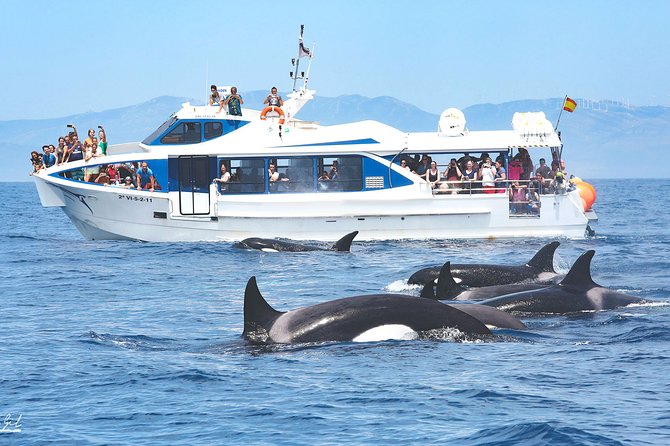
This is the part I like most, because it’s where “wildlife viewing” turns into responsible wildlife watching.
You approach the animals with caution and follow guidance tied to Spanish legislation and ACCOBAMS regulations. That includes keeping recommended distances and adjusting direction and speed the way the rules call for. There’s also a clear line: if the whales or dolphins show any sign of disturbance in their behavior, the crew moves away from the area.
So what does that mean for you on the boat? It means you’re watching from a system that prioritizes animal behavior over crowd-chasing. If the first attempt doesn’t work, the tour includes a second chance in the remote case of not meeting the objective on the first try. In plain terms: you’re not quietly cut loose after one search.
Also, the conduct rules are strict for a reason:
- No feeding animals
- No throwing anything into the sea
- No screaming or running on the ship
That might sound like a lot, but it’s really what makes close encounters possible without turning the boat into noise.
The species you may see: pilot whales, sperm whales, and dolphins
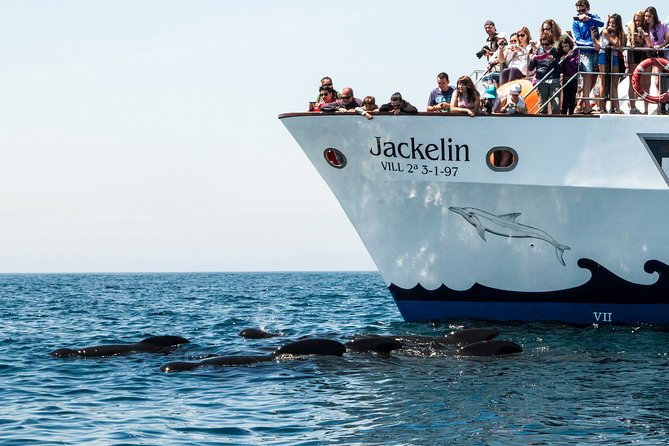
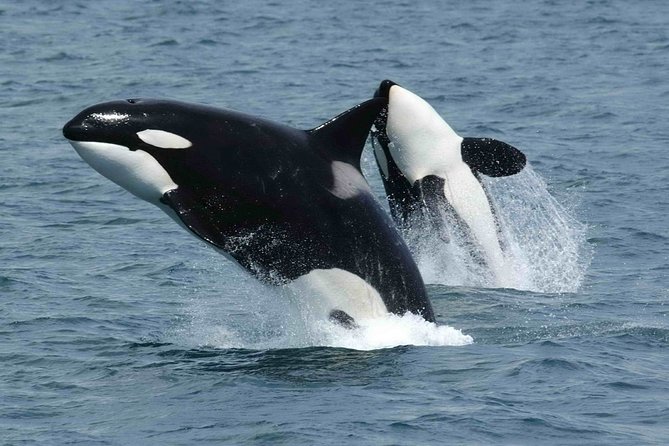
The water between the Atlantic and Mediterranean can host seven different species of cetaceans, and the mix can shift with the day’s conditions. The tour’s aim is to align with those natural patterns—migration routes, food availability, and reproduction timing.
From the experiences people describe, these are the stars you might run into:
Pilot whales
You may get the kind of encounter where pilot whales approach the boat with their young. One review highlights pilot whales and babies coming close enough that people could move around the boat to see different angles of the pod. That detail matters: whale watching isn’t just about spotting; it’s about getting to view from multiple sides when animals surface nearby.
Sperm whales
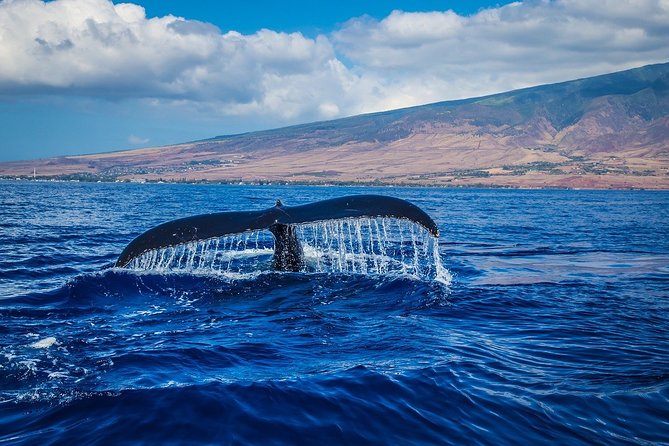
Another common highlight is sperm whales—with sightings that stand out for the way they appear above the surface before submerging. One account mentions watching their tail as they go down. Sperm whales are larger and less predictable than dolphins, so when they’re sighted, the mood on the boat tends to shift to pure attention.
Bottle-nosed dolphins and other dolphins
You might also see bottle-nose dolphins, and when pods get active near the boat, it can feel almost like they’re “checking you out.” One review even mentions dolphins coming close enough that breathing sounds were noticeable. That’s not something you can force, but it helps explain why Tarifa can feel extra magical on the right day.
Real talk: sightings are not guaranteed
The tour describes a practically 100% probability of success on sightings for the exits, with the second chance included if the first attempt doesn’t hit. Still, you’re in the marine environment, and conditions matter. I always treat whale watching as “expect a lot, be ready to adjust.”
Crew and guide: what makes the experience feel smooth in the moment
A whale watch lives or dies on how well the crew reads the sea and the animals. In the reviews you shared, the captain’s spotting skills and the guide’s explanations get consistent praise.
People note the captain was good at locating whales and dolphins, and that the guide delivered details in English in a way that helps you connect what you’re seeing with what it likely means. This isn’t just facts for facts’ sake; it helps you watch better—where to look, what behavior signals, and why calm boat handling matters.
There are also clear signs of crew care in rough moments. One review calls out support on the way back when children and adults got seasick. That’s a real comfort factor, because on open water, the “best part” can be the sighting—but the return is where you feel the boat most.
And yes, you might get some memorable hosting. One Spanish review specifically names hosts Sofia, Alba, and Víctor as excellent hosts, which adds a nice human touch when you’re waiting for the first sighting.
Health and comfort: your job starts before you ever reach the deck
You’re out on the sea, so comfort isn’t optional. The tour recommends you bring:
- sunscreen
- a cap
- a coat
- comfortable shoes
Even when Tarifa looks sunny, conditions can change. A coat helps if there’s wind or spray. Comfortable shoes help because the boat floor won’t feel like stable ground after a little movement.
If seasickness is on your radar, act early. One review recommends taking sea sickness remedy before you go. That’s practical advice: don’t wait until you’re already feeling it.
Also, keep water and basics under control. One review mentioned that water bottles left loose in bags can fall into the sea with wave movement. Beyond being annoying, it’s a reminder that small habits help reduce plastic and mess in the marine environment. I’d treat this as your personal checklist: anything you bring aboard should be secured.
On-deck etiquette that protects whales and makes your viewing better
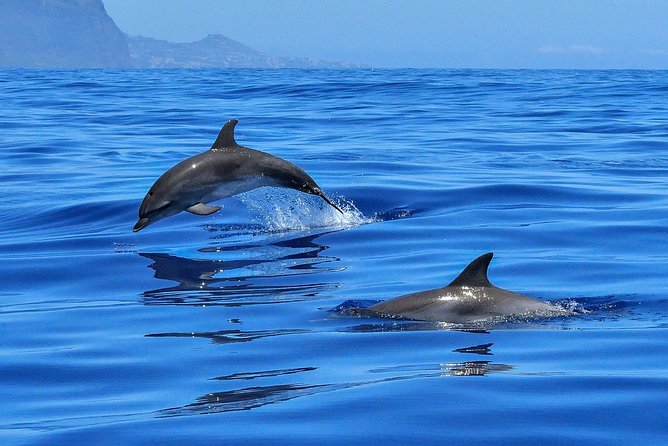
Boat rules here aren’t just for control. They’re for safety—for you and for the animals.
You’re specifically told:
- No feeding animals
- Don’t throw anything into the sea
- Don’t scream or run on the ship
- Keep calm and follow the crew’s instructions for where to stand and how to behave
When the boat stays respectful, whales and dolphins can keep doing what they were doing. When people get excited in the wrong way, the crew has to back off. And backing off is the opposite of what you came for.
There’s also a quiet environmental lesson from the water-bottle incident mentioned in one review: plastic in the sea hurts wildlife. Even if your bottle stays on land, it’s still your chance to be part of a lower-waste trip by planning how you carry it. Use your bag correctly. Keep bottles inside. Don’t set things near the edge.
You’ll get better viewing when the boat isn’t forced to leave the area because of disturbance.
Price and value: is $69.77 worth it from Tarifa?
At $69.77 per person, this tour isn’t a bargain-basement activity. But it also isn’t priced like a simple stroll. You’re paying for a boat trip in a wildlife-sensitive zone, a guide in English, and a crew that follows regulations meant to protect cetaceans.
A big part of the value is the structure:
- strong sighting chances on exits
- a second chance if the objective isn’t met the first time
- maximum group size capped at 50 travelers
- practical guidance and help with comfort issues on board
One review also brought up a concern about an additional fee related to booking, comparing it to other ticket figures they expected to pay. That’s worth noting if you’re tracking costs tightly. Still, the core price includes the service of getting you out there and managing the viewing responsibly.
My take: this is good value if you care about the combination of wildlife rules, English explanations, and a well-run search. If you’re only interested in a quick boat ride with no interest in responsible viewing, you could decide it’s not for you.
Who should book this whale watch out of Tarifa
This tour fits best if you:
- want a highly structured whale-watching experience with a second attempt built in
- like clear explanations in English while you watch
- prefer rules that protect animals instead of chaotic excitement
- are traveling in a group where people can handle basic boat movement
It also looks like a solid choice for families because the crew support for seasickness is specifically mentioned. And since most travelers can participate and service animals are allowed, it’s fairly broad in who it serves.
If you’re the kind of traveler who gets irritated by weather-dependent plans, you might find the sailing timing a bit stressful. This is why I recommend keeping flexibility in your schedule.
When weather matters: how cancellations usually play out
This experience requires good weather. If it gets canceled due to poor conditions, you’ll be offered a different date or a full refund. Also, you can cancel for a full refund up to 24 hours in advance.
That flexibility is useful in a place like Tarifa, where conditions can shift. I’d still plan your other activities with a little buffer, especially if your itinerary is tight.
Should you book it? My decision guide for Tarifa
Book it if your goal is real whale watching with responsible handling, and you want the extra comfort of English guidance plus a crew that’s practiced at spotting. The practically 100% success approach with a second chance is a major reason I’d sign up, especially if this is your one shot for cetaceans.
Think twice if you hate waiting on weather or you’re traveling with zero flexibility. Even with strong odds, the sea decides. Also consider your tolerance for boat movement. If seasickness has ever hit you hard, plan ahead with remedy and follow the comfort tips on clothing.
If you do book, go in with the mindset that calm is part of the show. You’ll see more, the animals stay relaxed, and your trip feels like a genuine encounter rather than a noisy chase.
FAQ
Where does the whale watching tour start and end?
It starts at Calle Alcalde Juan Núñez, 11380 Tarifa, Cádiz, Spain and ends back at the same meeting point.
How long is the tour?
The duration is approximately 2 hours 30 minutes.
How much does it cost?
The price is $69.77 per person.
Is the tour offered in English?
Yes. The tour is offered in English.
What are the operating hours?
During 04/01/2026 to 10/15/2026 it runs Monday to Sunday from 9:00 AM to 3:00 PM. During 03/14/2027 to 10/30/2027 it runs Monday to Sunday from 9:00 AM to 3:00 PM.
What happens if weather is poor?
The experience requires good weather. If it’s canceled due to poor weather, you’ll be offered a different date or a full refund.