Whales off Mauritius can be a real sighting. This late-morning trip runs on a small speed boat from Grande Riviere Noire, using a hydrophone to help the crew find whales off the west coast—then you circle at a respectful distance for photos and good sea-life talk.
I like the hands-on search method (the crew listens for whale activity underwater with a hydrophone) and the fact this is a small group (max 8), so you’re not stuck behind a crowd. Guides such as Clovis and Yobis are specifically noted for keeping safety front and center and sticking to whale approach rules, not cutting corners just to chase a photo.
One thing to consider: this experience depends on conditions at sea. It’s labeled as requiring good weather, and with a speed boat you can still end up wet or uncomfortable if the wind kicks up—so pack for that possibility.
In This Review
- Key things you’ll like
- Why this Mauritius speed-boat whale hunt feels different
- How the hydrophone search works off the west coast
- 10:00 a.m. departure from La Jetée Road and what happens next
- Sperm whales year-round and humpbacks in season
- Safety and whale etiquette: close enough for photos, not close enough to disturb
- The speed-boat reality: wind, spray, and photo strategy
- Small group value: max 8 travelers, drinks onboard, and time well spent
- Wildlife bonuses you might spot besides whales
- Who should book this Mauritius whale watching trip
- Should you book Dolswim’s whale watching? My decision guide
- FAQ
- Where does the whale watching tour start and end?
- What time does the tour begin?
- How long is the tour?
- Is hotel pickup included?
- Are whales guaranteed on this trip?
- What types of whales might you see?
- How do the guides locate whales?
- What food and drinks are included?
- How many people are on the boat?
- What’s the cancellation policy?
Key things you’ll like
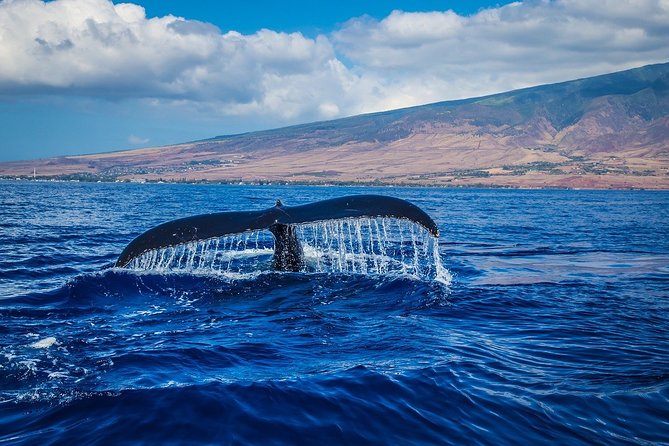
- Hydrophone searching: the crew uses underwater listening plus whale blows to locate whales.
- A realistic chance of spotting whales: not guaranteed, with a stated 60% chance.
- Species calendar: sperm whales all year; humpbacks seasonally (June to October).
- Respect-first whale etiquette: you’ll keep a minimum distance and follow approach rules for animal welfare.
- Close-to-the-action photos (if whales cooperate): the boat aims to be near enough for pictures while still staying legal.
- Be ready for the sea: speed-boat rides can get bumpy, so bring something to stay warm and dry.
Why this Mauritius speed-boat whale hunt feels different
This isn’t a big “bus to a dock” operation. It’s a focused whale search from the west coast, timed for late morning (start at 10:00 a.m., finish around 1 p.m.). You’re out there long enough to matter, but not so long that it turns into a half-day waiting game.
The other difference is the “how.” Instead of just steaming around hoping, the crew uses a hydrophone to locate whales. That means you’re chasing information, not just luck. And since the group is capped at 8, it tends to feel more like a shared expedition than a cattle-call outing.
You can also read our reviews of more tours and experiences in Mauritius.

How the hydrophone search works off the west coast
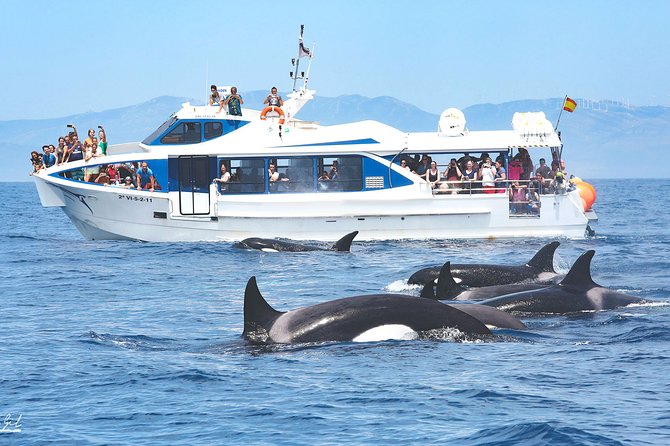
The crew’s job starts before you even get to the whales. They listen with a hydrophone in the water to try to localize where whales are. They also use whale blows as a visual clue while they’re on the search.
Once they’re on site, they don’t treat the whales like a ride. Expect guidance on where to look, what you’re seeing, and how the crew keeps the boat at a safe distance. That combination—technology for locating, and rules for approaching—is what helps explain why people repeatedly mention getting good views without the chaos you sometimes see elsewhere.
Also, the trip’s chance of success is stated plainly: a 60% chance to see whales. That honesty matters. You should go with a whale mindset, but keep enough flexibility to enjoy the sea-life moment even if the whales are elusive.
10:00 a.m. departure from La Jetée Road and what happens next
Your tour meeting point is at La Jetée Road, Grande Riviere Noire, Mauritius, and the tour ends back at the same spot. There’s no hotel pickup, so plan an easy way to get yourself there on time.
Here’s the rhythm you should expect:
- You meet the crew and get briefed for a speed-boat ride (safety comes first).
- You head out along the west coast on the boat with live commentary on board.
- The hydrophone search phase takes time—this is where you’re most likely to feel the boat motion, especially if wind and waves build.
The tour is roughly 2 hours 30 minutes total, give or take. The schedule is tight enough that if the whales are found, you’ll likely spend meaningful time with them. If conditions don’t cooperate, the crew’s priority is still safe operations and whale welfare—not just “more time driving.”
Sperm whales year-round and humpbacks in season
Mauritius is all about species timing, and this trip is built around that. Here’s the straightforward breakdown:
- Sperm whales: can be seen year-round.
- Humpback whales: seasonal, typically between June and October.
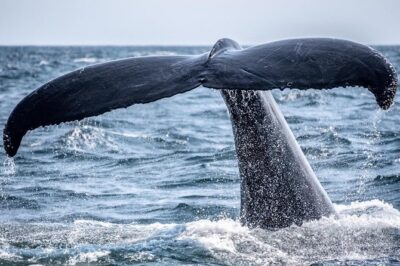
That matters for your expectations. If you’re traveling in humpback season, you’ll likely hear more emphasis on them. If you’re outside that window, sperm whales become the main target, and that’s still a fantastic payoff—especially because sperm whales can be impressive in size and presence when you’re close enough to see them clearly.
Safety and whale etiquette: close enough for photos, not close enough to disturb
The whole point of whale watching is seeing whales in the real world, not turning them into a theme-park attraction. This operator specifically emphasizes respecting approach rules and maintaining a minimum distance to avoid disturbing whales.
What I look for in a responsible operator is simple: do they slow down and position carefully? Do they manage behavior around the rail and keep people from crowding the water? People who go on this trip repeatedly mention that the crew and captain stay sensitive to the animals and keep distance consistent with the rules.
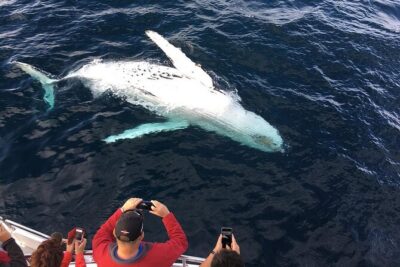
You’ll still get the fun part—great photos when whales surface nearby. The goal isn’t “as close as possible.” It’s near enough to see and photograph, while respecting the animals and the laws.
The speed-boat reality: wind, spray, and photo strategy
This is where you’ll want to prep like a sane adult. Even with a comfortable small boat ride, you’re on open water. One of the more common complaints is being soaked and cold when rough winds show up. If you’re the type who gets chilly fast, plan for it.
What to bring:
- A wind-resistant layer you don’t mind getting wet
- Something warm for after (a dry layer helps)
- A poncho or waterproof jacket if you run hot-cold easily
- Camera support if you’re shooting from moving water (extra steadiness beats frantic heroics)
Photo-wise, the opportunity is best when the whales are actively surfacing. Since the crew aims to keep distance legally, you may not always be in “zoom-from-your-lap” range—but you’ll usually be close enough for compelling images if you follow the crew’s positioning instructions.
Small group value: max 8 travelers, drinks onboard, and time well spent
At $69.79 per person for about 2.5 hours on the water, the value mostly comes from three things: the small group size, the hydrophone-based search, and the fact you’re not doing a long “transfer day” to make it happen.
Included:
- Bottled water
- Soft drinks
- Live commentary on board
About food: the highlights say a light lunch and beverages will be served, but the details list lunch as not included. That doesn’t mean you’ll go hungry, but it does mean you should confirm what’s being served on your exact departure (especially if you’re expecting a lunch-style meal).
One more practical note: you’ll get a mobile ticket, so bring your phone with battery. There’s no hotel pickup, so your biggest “value risk” is missing the start time because transport takes longer than you planned.
Wildlife bonuses you might spot besides whales
Whales are the headline, but this trip is often described as delivering more than one surprise. People have reported seeing multiple whales on successful outings and also spotting dolphins near the shore on the way back.
That’s not something you should plan your day around. Still, it’s a nice reminder: once you’re out on the water and the crew has you in the right area, you’re living in the same ecosystem as a lot of other marine life.
Who should book this Mauritius whale watching trip
Book this if:
- You want a responsible whale watching experience with an emphasis on distance and rules
- You prefer a small group outing (max 8) with room to move and listen
- You’re excited by the hunt itself: hydrophone search + whale blow spotting + live commentary
- You care about photography and want chances for shots without crowding
Skip it (or think hard) if:
- You need a guaranteed “you will see whales” experience (this is not guaranteed, with a stated 60% chance)
- You get motion sickness easily and don’t plan for it
- You’re arriving from far away and don’t want to manage your own transport to La Jetée Road
Should you book Dolswim’s whale watching? My decision guide
Yes—if you’re traveling with flexible expectations and you’re set on seeing whales from the west coast with a crew that prioritizes safety and whale welfare.
This tour earns a green light because it combines:
- A structured search method (hydrophone)
- A manageable time commitment (about 2h30)
- A small group size (max 8)
- A clear message that whale sightings aren’t guaranteed, even when they do everything right
If you’re sensitive to cold or wind, treat packing for spray and chill as part of the price of admission. And if you’re expecting lunch, confirm what’s actually provided for your date so you’re not scrambling on the pier.
If you want, tell me what month you’re visiting Mauritius and whether you’re prone to seasickness. I can help you judge your odds for sperm vs humpbacks and how to pack to feel comfortable on the speed boat.
FAQ
Where does the whale watching tour start and end?
It starts at La Jetée Road, Grande Riviere Noire, Mauritius and ends back at the same meeting point.
What time does the tour begin?
The start time is 10:00 a.m.
How long is the tour?
The duration is about 2 hours 30 minutes, and it ends around 1 p.m.
Is hotel pickup included?
No. Hotel pickup and drop-off are not included.
Are whales guaranteed on this trip?
No. Whale sightings can’t be guaranteed, and the experience states a 60% chance to see whales.
What types of whales might you see?
Sperm whales can be observed year-round. Humpback whales are seasonal and can be observed between June and October.
How do the guides locate whales?
The crew uses a hydrophone in the water to try to localize the whales, and they also watch for whale blows.
What food and drinks are included?
Included items are bottled water and soft drinks. The highlights mention a light lunch and beverages, but the details also list lunch as not included, so it’s worth confirming for your booking.
How many people are on the boat?
This tour has a maximum of 8 travelers.
What’s the cancellation policy?
You can cancel up to 24 hours in advance for a full refund. The experience requires good weather, and if it’s canceled due to poor weather, you’ll be offered a different date or a full refund. A minimum number of travelers also applies.