REVIEW · PANAMA CITY
5 hours Whale Watching Experience from Panama City
Book on Viator →Operated by Almiza tour by My friend Mario · Bookable on Viator
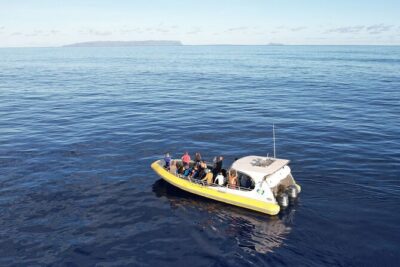
When humpbacks are nearby, Panama City feels electric. This 5-hour whale watching trip pairs humpback whale searching from the water with a one-hour Taboga Island break for a breather and bathroom time. I love the team’s focus on actually spotting whales (not just cruising around), and you’ll get strong marine-nature storytelling along the way. One thing to consider: the boat ride can get rough, so it’s not the best pick if you’re older or easily bothered by choppy waters.
In This Review
- Key Highlights You’ll Care About
- Chasing Humpbacks from Panama City at 8am
- What the 5 Hours Actually Feels Like on the Water
- Taboga Island Break: A Real Recovery Button
- How Many Boats and How Close You Might Get
- Guides and Captains: Mario, Milton, Alex, and the Team Approach
- The Sea Factor: Bumpy Water Happens
- Dolphins, Whale Sharks, Turtles: The Bonus Wildlife
- Weather and Seasonal Reality: When This Works Best
- Price and Value: What You’re Paying For
- Getting There: Pickup, Mobile Ticket, and Easy Logistics
- Who This Tour Fits Best (and Who Might Want to Skip It)
- Your Best Game Plan Before You Go
- The Bottom Line: Should You Book This Whale Watching Tour?
- FAQ
- FAQ
- What months does this whale watching experience run?
- What time does the tour leave from Panama City?
- How long is the tour?
- What’s included in the price?
- Is lunch included?
- How many people are in a group?
- Is pickup included?
Key Highlights You’ll Care About
- Humpback whales are the target, with dedicated searching from Panama City in the June–mid October season
- Taboga Island stop for about 1 hour, so you’re not stuck on the boat the whole time
- Guides and captains work as a unit (names you might see include Mario, Milton, and Alex)
- Close sightings can happen, including mother-and-calf moments and even whale breaches on some outings
- Small group size (max 20 travelers) and multiple boats to spread viewing chances
Chasing Humpbacks from Panama City at 8am
If you want whale watching that feels simple, this is one of the easier ways to do it from Panama City. You get a morning departure around 8:00am, then you spend your time out on the water looking specifically for humpback whales. The season matters a lot here: this experience runs from June to mid-October, so you’ll want to line it up with your dates.
The timing also works for people who want a full morning activity without turning the whole day into a travel project. The trip is designed to be about 5 hours total, which makes it easier to pair with other Panama City plans later on.
What the 5 Hours Actually Feels Like on the Water
Plan on a day that has two phases: whale searching and a short island reset.
First comes the boat ride to the whale-watching area. Your guides and captains keep moving with the goal of finding whales, and the guides also share what they’re looking for—humpback behavior and local ecology. You can tell this isn’t random: the captains are repeatedly praised for spotting whales quickly, and the guides are praised for being engaging while you wait.
Then, you get about 1 hour at an island. The goal is practical: relax, get a bathroom break, and stop feeling like you’re trapped in a seat for hours. Based on what people highlight most, this pause is a real morale boost when the whale hunt takes time.
Taboga Island Break: A Real Recovery Button
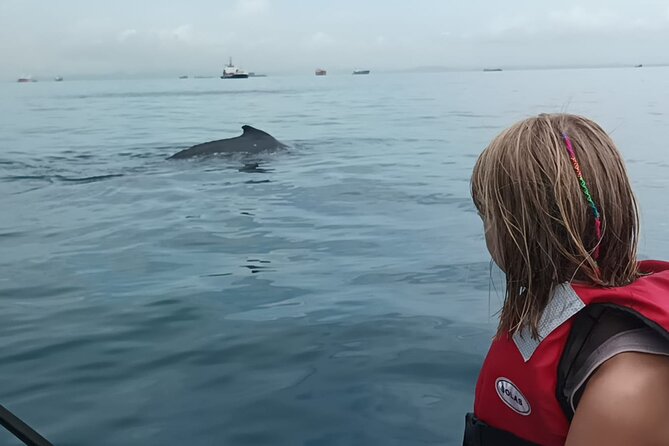
The Taboga Island stop is one of the most valued parts of the experience. You’re not just watching from a boat; you get a short stretch to reset your body and your head. You’ll also have time for toilet access, which is surprisingly important on sea days.
Why this matters: whale watching can be unpredictable. Sometimes whales show up quickly; sometimes you wait longer. Having a timed island break means you don’t feel like the whole trip is one long endurance test.
How Many Boats and How Close You Might Get
This tour runs with a practical setup: there are multiple boats for your group’s party so you have more chances to view whales from a good angle. That matters because humpbacks don’t stay put, and the best sightings can shift as animals change depth and direction.
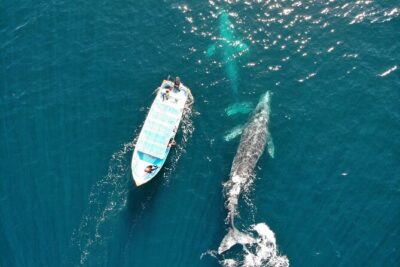
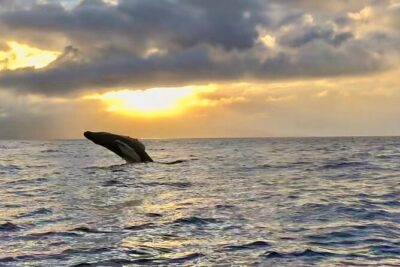
Also, close encounters are a major theme in the feedback. People describe being close enough to notice real whale behavior—breathing, slapping the water, and even breaches on some days. It’s not something you can guarantee, but the structure of the operation makes closeness more likely than casual whale cruises.
Guides and Captains: Mario, Milton, Alex, and the Team Approach
The human factor here is strong. The experience is associated with Almiza tour by My friend Mario, and in practice you may meet guides such as Mario, Milton, and Alex (names appear in feedback). The important point for you is not the name—it’s the role.
The guides focus on facts and context, including humpback whale information and Panama ecology. Meanwhile, captains are praised for spotting whales. When these two pieces work together, your time out there feels purposeful instead of like wandering.
One more nice detail: some departures include video sharing after the trip. Even if you don’t rely on it, it’s a comfort if your phone battery is low or if you want something to replay once you’re back on land.
The Sea Factor: Bumpy Water Happens
Let’s talk about the downside up front. Multiple people describe a ride that can be bumpy or rough, and the operator notes that the trip isn’t recommended for senior customers because they sometimes don’t get a smooth ride.
What you should do with that info:
- If you’re prone to motion sickness, plan for it and bring what typically helps you.
- If you have back issues, the boat experience may not be comfortable. Feedback mentions the panga not being ideal for people with back problems.
This isn’t a reason to skip the tour if you’re comfortable on boats—it’s just a heads-up so your expectations match reality.
Dolphins, Whale Sharks, Turtles: The Bonus Wildlife
Even though the goal is humpback whales, your wildlife list can expand. A common add-on is dolphins, sometimes in big numbers and sometimes swimming alongside the boat.
In some outings, people report seeing a whale shark first, followed by humpbacks with calves, and then having a chance to swim in a natural pool where turtles are spotted. That last part is not described as a guaranteed feature in the core summary, but the natural-pool swimming moments do show up in the experience feedback. So if you’re the type who loves multi-species days, this tour can deliver more than just one animal story.
Weather and Seasonal Reality: When This Works Best
This is seasonal whale watching for a reason. The trip runs between June and middle of October, and it also requires good weather. If conditions are poor, the experience may be changed or refunded depending on the situation.
Keep your planning flexible. In coastal wildlife watching, the weather can change everything: visibility, comfort, and where animals surface. The best strategy is to book with your trip dates in mind so you have enough window for a reschedule.
Price and Value: What You’re Paying For
At $100 per person for about 5 hours, you’re not just buying a boat ride. You’re buying:
- access to a specialized humpback search
- an organized small-group setup (max 20 travelers)
- air-conditioned vehicle pickup/transport
- boat time plus all fees and taxes
- a structured break at an island (Taboga)
Lunch isn’t included, so factor that into your day planning. But overall, this price can feel reasonable because the whale-watching portion is the main “product,” and you’re paying for searching effort, local expertise, and logistics—not for an all-you-can-eat day.
Also, this is commonly booked about 21 days in advance on average. That’s a sign the trip is in demand, especially in season. If you’re traveling during peak whale months, don’t wait too long.
Getting There: Pickup, Mobile Ticket, and Easy Logistics
The experience includes pickup offered and uses an air-conditioned vehicle. You’ll also get a mobile ticket, and the tour is near public transportation, which is helpful if you’re not staying in a hotel that’s easy to reach.
The vibe from the logistics feedback is that pickup is on time and the return to your hotel area is handled. If you want to avoid the stress of getting to a harbor yourself, this is a big plus.
Who This Tour Fits Best (and Who Might Want to Skip It)
This whale watching works well for:
- you if you want a focused humpback experience, not a generic “boat tour”
- you if you like learning while you watch (guides share whale and ecology facts)
- you if you’re okay with sea days and can handle some waves
I’d be more careful if:
- you’re older or sensitive to choppy waters
- you have back issues (comfort on the panga can be limited)
- you need a perfectly smooth ride for a medical reason
The good news? The operator and guides seem to work hard to find whales and keep the day from feeling like wasted time, including staying patient when the search takes longer.
Your Best Game Plan Before You Go
Based on how the trip is run and what’s highlighted most, here’s how you can make the experience smoother:
- Dress for marine weather. Even in warmer months, a sea breeze can cool you down.
- Plan for boat movement. If you get seasick, be proactive.
- Bring a simple swim plan only if you’re comfortable with water time. Some outings include natural-pool swimming with turtles, but you should expect that as a possibility, not a guaranteed schedule.
- Bring your phone charger solution. If video sharing happens, great; if not, you’ll want your own photos ready.
And emotionally: be ready for the whale hunt to take time. Several accounts emphasize patience, and that mindset tends to pay off when whales finally surface.
The Bottom Line: Should You Book This Whale Watching Tour?
If you want humpback whales from Panama City without turning your day into a complicated expedition, this tour is a strong choice. The value is in the combination of purposeful whale searching, a guided learning vibe, and a Taboga Island break that keeps things comfortable.
I’d book it if you’re flexible about timing, can handle some boat motion, and you’re traveling during June to mid-October. I’d reconsider if you’re older, have mobility or back concerns, or you know rough water affects you badly.
FAQ
FAQ
What months does this whale watching experience run?
It’s available between June and the middle of October.
What time does the tour leave from Panama City?
Daily departures are in the morning at 8:00am (approximate start time).
How long is the tour?
The duration is about 5 hours.
What’s included in the price?
It includes all fees and taxes, an air-conditioned vehicle, and the boat ride.
Is lunch included?
No, lunch is not included.
How many people are in a group?
The group size has a maximum of 20 travelers.
Is pickup included?
Yes, pickup is offered, and the experience also uses a shuttle/vehicle service with hotel-area pickup described in feedback.