REVIEW · REYKJAVIK
Whale Watching and Marine Life Tour in Reykjavik
Book on Viator →Operated by Iceland Discover · Bookable on Viator
Faxafloi Bay can put whales close to Reykjavik. On this marine life tour, you get captain-led wildlife spotting help and the option to use onboard Wi‑Fi to upload photos while you’re still at sea. It’s a simple, high-output way to turn a 3-hour window into real wildlife viewing and picture-ready moments.
I like that the tour is built for spotting—learning what blows, dives, and movement patterns mean makes you feel less like you’re scanning blindly. I also like the variety: whales and dolphins are a core focus, and the route also passes islands and landmarks that look great from the water. The one drawback to plan around is that sightings depend on timing and conditions, so you should be ready for quiet stretches.
You’re viewing from the boat, so it’s not a shore adventure with lots of walking. Still, you’ll get a fresh perspective on Reykjavik’s coast and its offshore islands, even if you never step out onto land.
In This Review
- Key highlights at a glance
- Whale watching from Reykjavik’s doorstep in Faxafloi Bay
- The 3-hour rhythm: Old Harbour House to back again
- How captain talks help you spot whales fast
- Onboard Wi‑Fi photo uploads: a small perk that matters
- Harpa and the islands: what you’re actually passing from the sea
- What sightings can look like: humpbacks, dolphins, and the timing factor
- When the ethics conversation comes up: distance and approach matter
- Dress warm and plan for a boat day that can change fast
- Price and value at $98 for a 3-hour Reykjavik outing
- Should you book Iceland Discover’s whale watching tour?
- FAQ
- How long is the whale watching and marine life tour?
- Where do I meet for the tour in Reykjavik?
- What’s the price per person?
- Is the tour offered in English?
- What animals might I see on this tour?
- Is there Wi‑Fi on the boat?
- What happens if I don’t see wildlife?
- How many travelers are on the boat?
- What if the weather is poor?
- Can I get a refund if I cancel?
Key highlights at a glance

- Captain-led wildlife spotting so you know what you’re looking at, not just hoping for it
- Onboard Wi‑Fi for live photo uploads while you’re still out on the water
- A return ticket if wildlife sightings are weak (a real safety net for your day)
- Island sightings pass by including Engey, Lundey (Puffin Island), and Viðey from the bay
- Harpa views from the water with that bold colored glass look
- Group size capped at 75 for a more manageable boat experience
Whale watching from Reykjavik’s doorstep in Faxafloi Bay
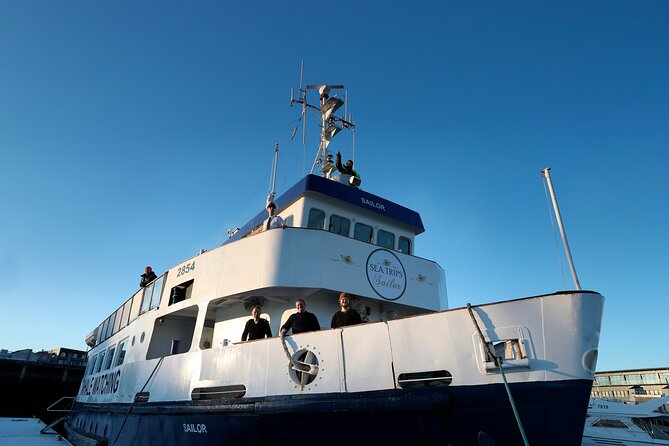
This is whale watching where you don’t have to drive forever to start seeing ocean life. The tour runs out of downtown Reykjavík, and the whole premise is that you can spot whales and other marine animals only a few minutes off the coast. The bay area you’ll work in is Faxafloi Bay, an important stretch on the south shore of Reykjavík.
The tour’s species list is broad and helpful for expectation-setting. You’re aiming for ocean-going mammals year-round, including minke, humpback, and even killer whales, plus white-beaked dolphins and harbour porpoises. Summer is the peak season, but the big idea is that the bay still produces sightings outside the high season too.
What I like for practical planning is this: even when whales aren’t right in front of the boat all the time, you’re still in a region where marine life is the norm rather than a lottery ticket. Of course, nature still runs the schedule, and the sea can be choppy—so go in knowing you’re chasing animals, not a guarantee.
You can also read our reviews of more tours and experiences in Reykjavik.

The 3-hour rhythm: Old Harbour House to back again
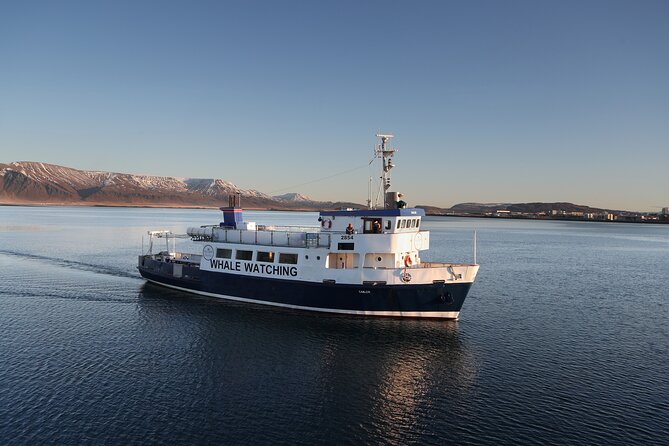
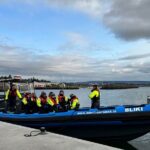
Your day starts at the Old Harbour House area (Ægisgarður 2, 101 Reykjavík). The experience is about 3 hours total, and it returns you back to the same meeting point. That matters because it keeps your Reykjavik plans simple—this fits neatly into a visit schedule without eating the whole day.
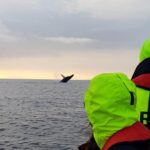
Once you’re aboard, the pacing is all about repositioning. When sightings happen, you typically get time at the front of the boat to watch blows, surfacing, and the general movement of the animals. When sightings are slower, you may spend more time scanning and waiting for the captain’s call.
Some departures can also feel like a long out-and-back if the animals are distant. It’s not unusual to want a distraction on those stretch moments, and I’d plan on bringing something low-effort like cards or a book.
How captain talks help you spot whales fast
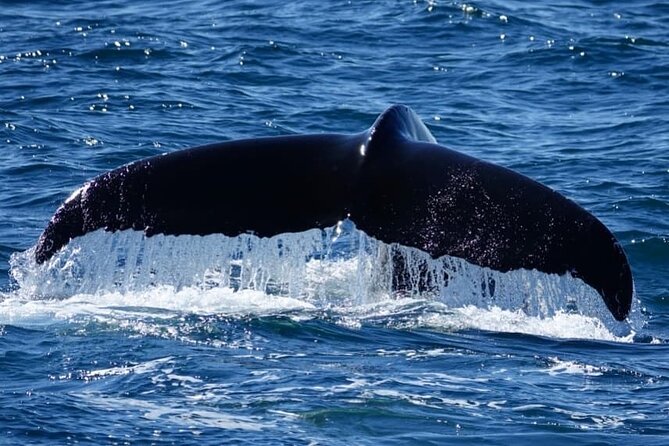
This tour isn’t only about being on a boat. You’re also there to learn how to interpret what you’re seeing in the water. The highlight you should care about is that you’ll learn about marine wildlife directly from your captain, not just from a generic announcement.
That instruction level shows up in how the spotting works. You’ll get cues on what to watch for and how to track the animals once you locate them. In real terms, that can turn a “maybe I saw a spout” moment into “I understand what happened when it dove.”
A couple guide and staff names show up in feedback, which hints at what to expect from the onboard team. Maria is mentioned as a biologist who was friendly and helpful with questions, and Julian is also noted as an expert on marine life. Even without naming everyone on your exact departure, the pattern is clear: the best outcomes come when the staff communicate clearly and actively look for animals.
If you’re the type who loves wildlife photography, this kind of real-time guidance is especially valuable. You don’t want to waste your battery and patience hunting the wrong “signal.”
Onboard Wi‑Fi photo uploads: a small perk that matters
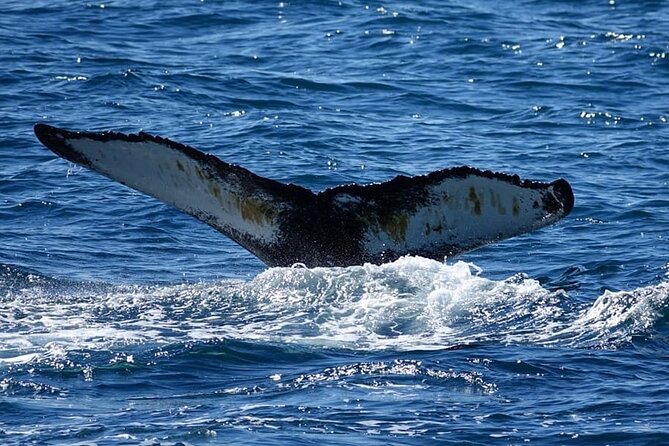
Reykjavik tours can be cold, windy, and wet, which makes it easy to miss a quick shot while you’re shivering. This one adds a modern twist: you can upload live photos using the onboard Wi‑Fi.
That’s not just a tech gimmick. When you get a whale surfacing close to the boat, timing is everything. With photo sharing on the spot, you can send the best frames immediately instead of waiting until later when you’re exhausted or dealing with a pile of images.
Just keep your expectations realistic: Wi‑Fi at sea won’t feel like home internet. Still, the fact that the option exists is a plus on a tour that’s built around short, exciting windows.
Harpa and the islands: what you’re actually passing from the sea
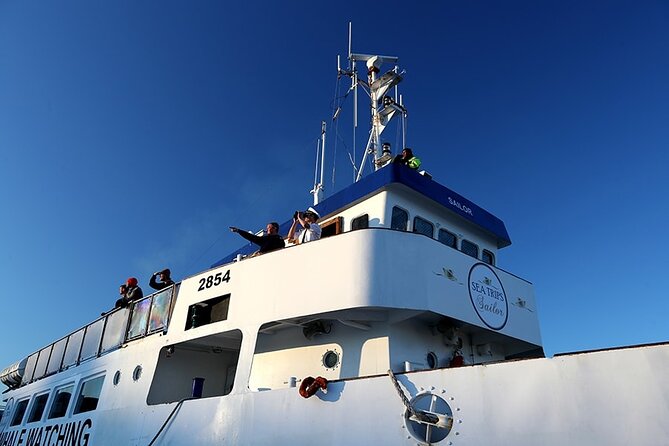
Even if wildlife is the star, the route is a show in itself. You’ll pass Harpa, Reykjavík’s famous concert hall and conference centre, known for its distinctive colored glass facade inspired by Iceland’s basalt landscape. Seeing Harpa from water level changes the scale. It feels less like a building you walk past and more like a glowing landmark rising from the harbor edge.
The tour also takes you along Faxafloi Bay and toward offshore islands. Each stop point is there for a reason: the islands create the kind of coastline features where birds and marine life are often active.
Here’s what those island pass-bys mean for your experience:
- Engey is the second largest island in the Kollafjörður (Faxa Bay) fjord system.
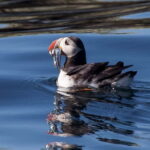
- Lundey, often called Puffin Island, is small and uninhabited and sits off the western coast of Reykjavík.
- Viðey is the largest island in the Kollafjörður Bay area near the capital.
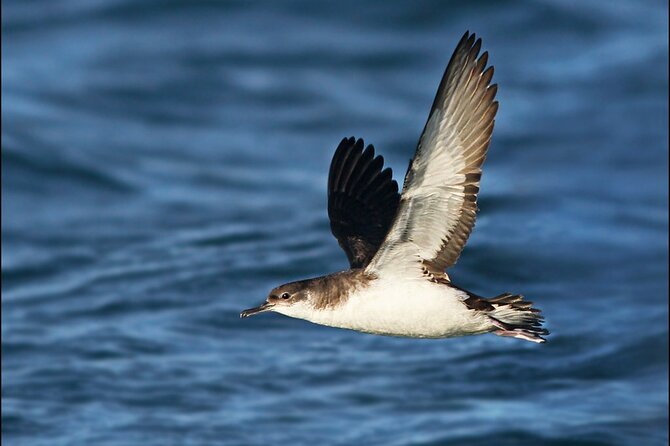
A key reality check: just because you sail past Lundey doesn’t guarantee puffins will be visible at that exact moment. But the pass-by is still worth it, because birds and smaller marine activity often cluster around island areas and surrounding waters.

What sightings can look like: humpbacks, dolphins, and the timing factor
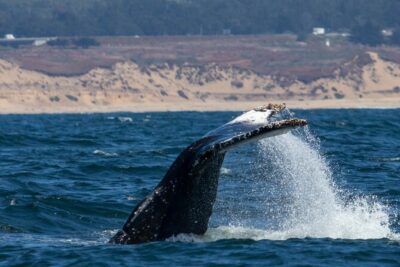
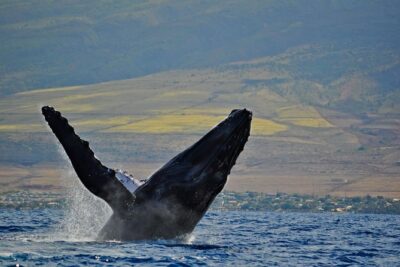
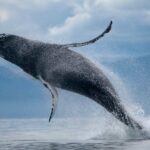
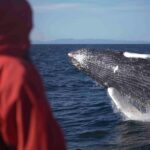
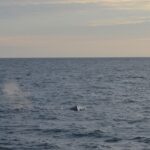
Most of the excitement you can hope for centers on whales—especially humpbacks. Multiple accounts point to humpbacks showing up close to the boat, with strong surface action like backs rising above the ocean and powerful blows.
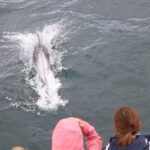
Dolphins can also show up, including white-beaked dolphins, and there are sightings of porpoises and even seals in some outings. Killer whales and minke whales are also part of the species picture the tour highlights, but those are naturally less predictable. That’s why I treat the whale list as a menu, not a script.
Timing is the big swing factor. If you go during peak season, chances rise. If it’s later in the season, sightings can be fewer or the animals can be less cooperative. One practical tip from the way this tour works: if you care most about whales and you have flexibility, try to match your tour day to when conditions are most likely to be active.
Also, manage your photo expectations. Even in great trips, you might spend time focusing on animals in motion, not always getting full-body shots. If you’re serious about photos, wear layers, keep your camera ready, and don’t wait until you see the biggest splash before you start shooting.
When the ethics conversation comes up: distance and approach matter
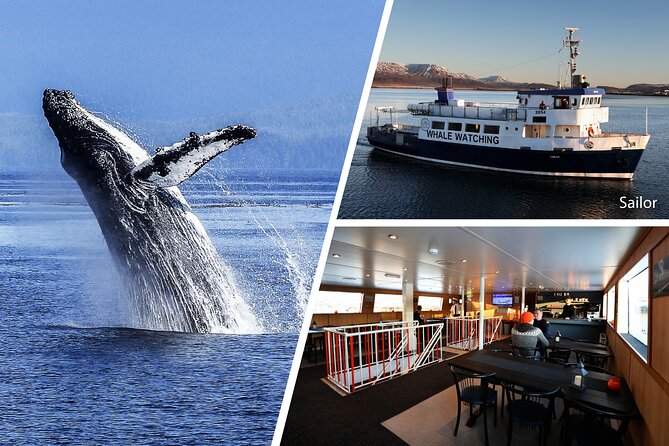
This tour is framed as wildlife viewing, and most people want to see whales without stressing them. The good news is that the experience is described and run in a way that aims to keep the viewing respectful. Some feedback emphasizes that the operation does not stalk whales or get too close.
Still, there’s also a darker note in the feedback record: one person felt the boat behavior disturbed whales and described it as chasing. That tells me something important for you as a decision-maker. Not every whale watching operator behaves the same way, and the ocean is not a theme park.
So here’s what you can do to protect your expectations:
- Pay attention to how quickly the boat changes course when whales surface.
- Notice whether the staff stay focused on viewing versus aggressive pursuit.
- Ask yourself if your satisfaction would depend on a strict approach-distance policy.
If your comfort level with whale viewing is high, this kind of guided spotting can still be a great choice. If your personal ethics are strict, it’s smart to ask the operator what guidelines they follow for proximity and disturbance before you commit.
Dress warm and plan for a boat day that can change fast
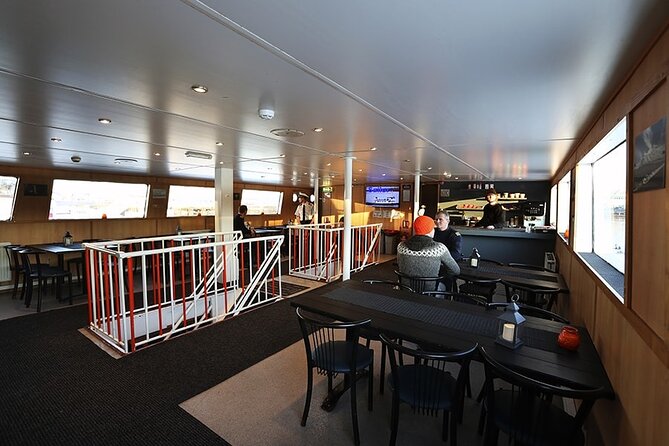
Iceland weather loves plot twists. Even when Reykjavik looks calm, the sea can feel different once you’re moving. People stress this tour’s cold reality, even when the boat is comfortable.
The simplest advice from the experience pattern: dress warm in layers. Add a layer beyond what you think you need, because you’ll be on the water and likely exposed to wind. Also, don’t forget that you can often move between being outside to spotting and then back inside to warm up.
If you’re prone to getting restless on a longer ride, bring something easy to occupy time. A book or cards can turn the waiting parts into something pleasant instead of just cold minutes.
Price and value at $98 for a 3-hour Reykjavik outing
At $98 per person for about 3 hours, this isn’t a budget add-on. You’re paying for three things: a boat trip from downtown, onboard instruction about what you’re seeing, and the operational work required to find marine life in Faxafloi Bay.
The value gets stronger because of the built-in “what if we don’t see wildlife” safety net. If you don’t see wildlife, you receive a ticket for another day. That turns the purchase from a single-day gamble into a more flexible experience. In other words, if nature doesn’t cooperate on your first outing, the plan still gives you another shot.
The group size cap at 75 also helps with value. It supports a more controlled experience without turning the boat into a crowded moving platform where spotting gets harder.
Where the value can disappoint you is when conditions reduce sightings. You might get fewer animals than you hoped for, or see only certain species. If that would ruin your day, build in flexibility and plan this as your wildlife activity, not as a quick side quest when you’re already booked solid.
Should you book Iceland Discover’s whale watching tour?
Book it if you want:
- A focused Reykjavik whale watching experience that centers on spotting help
- A realistic chance at humpbacks, dolphins, and other marine mammals in Faxafloi Bay
- A route that includes Harpa and island pass-bys like Engey, Lundey, and Viðey
- A tour that includes onboard Wi‑Fi for live photo uploads and a second-day option if sightings are weak
Skip or think twice if:
- You strongly prefer wildlife viewing with very strict standards for approach distance and want zero chance of aggressive pursuit
- You’re traveling in a period when you don’t have flexibility, because you may still face low-activity days
My practical take: if you’re visiting Reykjavik and you can spare 3 hours, this is one of the better ways to aim at close-up marine life without complicated logistics. Just go prepared for cold, accept that animals set the pace, and treat the marine spotting instruction as part of the product—not an extra.
FAQ
How long is the whale watching and marine life tour?
It runs for about 3 hours.
Where do I meet for the tour in Reykjavik?
The meeting point is Old Harbour House | Food, Drinks & Tours at Ægisgarður 2, 101 Reykjavík, Iceland.
What’s the price per person?
The price is $98.00 per person.
Is the tour offered in English?
Yes, it’s offered in English.
What animals might I see on this tour?
The tour highlights sightings of minke, humpback and killer whales, along with white-beaked dolphins and harbour porpoises, with other marine life possible.
Is there Wi‑Fi on the boat?
Yes. There is onboard Wi‑Fi, and you can upload live photos.
What happens if I don’t see wildlife?
If you don’t see wildlife, you receive a ticket for another day.
How many travelers are on the boat?
The maximum group size is 75 travelers.
What if the weather is poor?
This experience requires good weather. If it’s canceled due to poor weather, you’ll be offered a different date or a full refund.
Can I get a refund if I cancel?
Free cancellation is available up to 24 hours in advance for a full refund.