REVIEW · WASHINGTON
Anacortes Whale Watching Adventure Tour – Zodiac Boat
Book on Viator →Operated by Blue Kingdom Whale and Wildlife Tours · Bookable on Viator
Orcas feel close in Anacortes. On this zodiac whale watching run with Blue Kingdom Whale and Wildlife Tours, you get open-air viewing and a serious shot at wildlife in the Salish Sea. I like two things most: the cruiser suits (plus hats and gloves) are included so you can actually stay comfortable, and the small-group setup keeps the focus on spotting. One drawback to weigh: it’s not a fit for everyone—there’s a minimum age of 6, and the tour isn’t recommended during pregnancy or for people with back or neck injuries.
You’ll head out for about 3 hours 30 minutes, with check-in at the office 30 minutes before departure at 2201 Skyline Way unit 203. The focus is whales, but you’ll also see other marine mammals and seabirds, and the area’s known for multiple whale species, including orcas, humpbacks, grays, and minke whales. If you’re prone to motion sickness, do note the open boat setup can feel better than larger enclosed vessels for some people, but weather still matters.
This one scores very high, with a steady stream of 5-star experiences—especially for orca sightings, the friendly crew, and the way guides help you understand what you’re seeing (I’ve seen names like Amanda, Austin, Lucy, and Captain Tyler tied to standout trips). If your ideal day is calm nature time with real animal encounters, this tour is a strong bet.
In This Review
- Key Highlights to Know Before You Go
- Zodiac Boat Basics: Why This Format Works for Whale Watching
- Check-In at Skyline Way: The Part That Makes the Trip Easier
- What You’ll See: Orcas, Humpbacks, Grays, and Minke Whales
- The Full On-Water Flow: From Safety to Spotting to Return
- 1) Boarding and getting suited up
- 2) Safety briefing and settling into the zodiac
- 3) Searching and scanning across open water
- 4) Whale and wildlife viewing once sightings happen
- 5) Return to Anacortes
- Comfort, Seasickness, and Weather Reality
- Price and Value: Is $149 Worth It?
- Who This Tour Fits Best (And Who Should Skip It)
- The Human Factor: Guides, Captains, and Wildlife Coaching
- Quick Planning Tips for Your Day in Anacortes
- Should You Book the Anacortes Zodiac Whale Watching Tour?
- FAQ
- What’s the minimum age for this whale watching tour?
- How long is the zodiac whale watching adventure?
- Where do I check in and when?
- What should I bring for warmth and comfort?
- Is the tour okay during pregnancy or with back/neck injuries?
- Is cancellation free if weather is poor?
Key Highlights to Know Before You Go
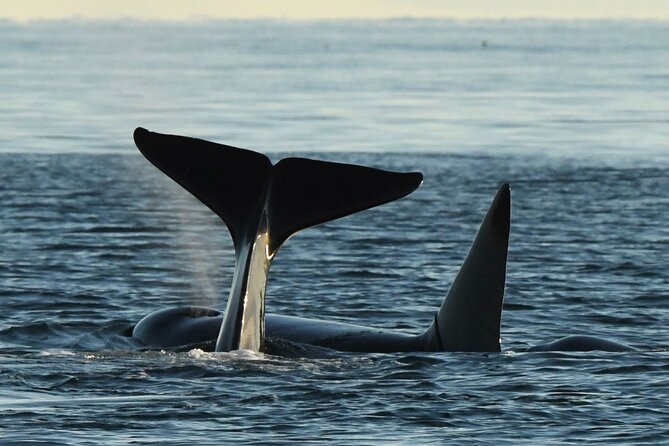
Open-air zodiac views for prime whale watching
You’re not staring at glass. The open setup helps you scan faster and react when something surfaces.
Cruiser suits, hats, and gloves are included
Warm gear is built into the experience, not added later at checkout.
Small group limit of 17 travelers
With fewer people aboard, spotting and conversation stay easier, and you feel less like a number.
Four local whale species are part of the target list
Orcas, humpbacks, grays, and minke whales are all in play depending on conditions.
The captain and naturalist style matters
Guides call out what you’re seeing and help you track behavior at a safe distance.
Zodiac Boat Basics: Why This Format Works for Whale Watching
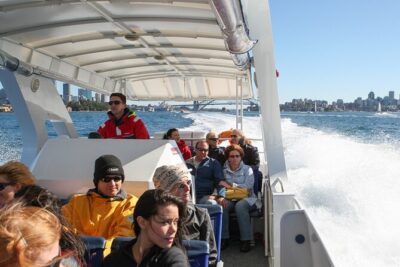
A zodiac boat is all about speed and sight lines. That means you can cover water effectively without the bulk of a larger vessel, and you can keep your eyes on the horizon and the water surface where whales actually show up. Here, you’re out on an open-air boat, which is a big part of why this experience gets such strong marks. You feel connected to the conditions—wind, spray, and light all affect what you can see—so the crew’s job is to help you interpret what’s happening.
The other major advantage is comfort. This tour includes cruiser suits, along with hats and gloves. That’s not just a nice add-on. On the Salish Sea, being warm and dry changes everything: it helps you stay outside and watching longer, and it lowers the odds that you’ll spend most of the trip trying to get comfortable instead of watching for blows, back arches, and feeding behavior.
There’s also a practical side: the boat is set up so you’re not stuck thinking about basic needs mid-trip. In one account, I saw mention of a bathroom and life vests under each bench seat, which is exactly the kind of detail that makes a 3.5-hour outing feel manageable.
You can also read our reviews of more tours and experiences in Washington.
Check-In at Skyline Way: The Part That Makes the Trip Easier
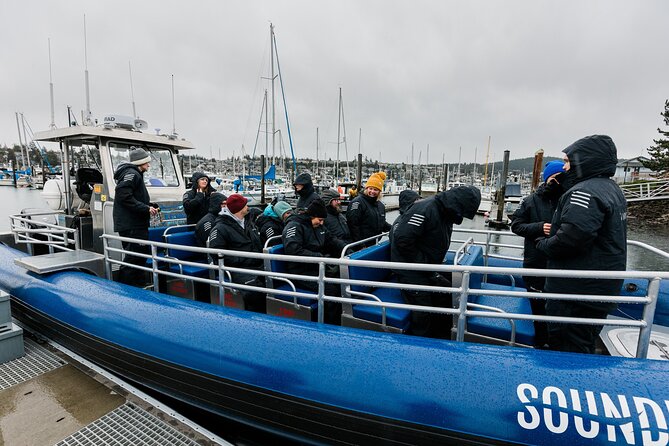
Check-in is 30 minutes before departure at 2201 Skyline Way unit 203 in Anacortes, and it’s worth treating that as the start of your day rather than a formality. The reason is simple: you’ll get fitted in your cruiser suit before you head out. If you show up late, you risk losing time to gearing up, and whale watching doesn’t wait for delays.
The staff also keeps the process human-paced. The tour has a maximum group size of 17 travelers, so you’re not stuck in a long line with half the coast. You’ll get a mobile ticket at booking, but plan on using the office check-in as your time to confirm you’re ready—suit size, layers, and any questions you want answered before you board.
What You’ll See: Orcas, Humpbacks, Grays, and Minke Whales
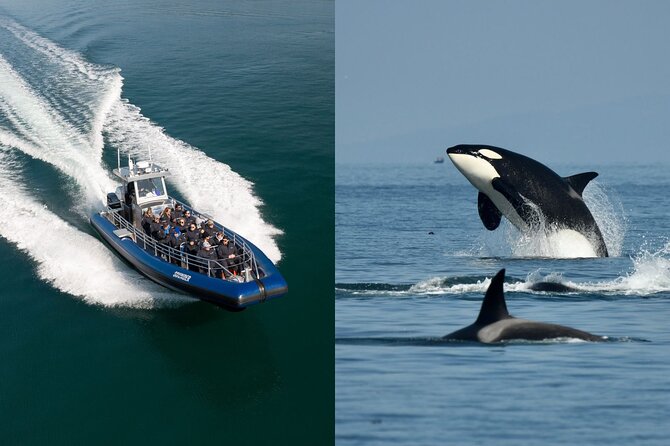
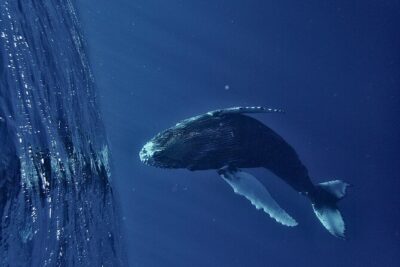
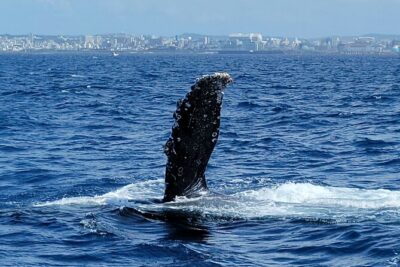
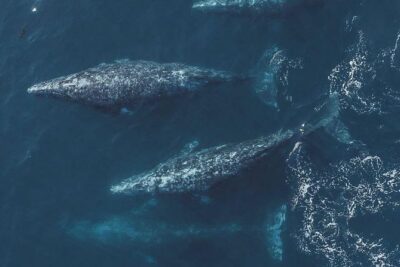
This tour targets multiple whale species in the local waters—orcas, humpbacks, grays, and minke whales. That’s a meaningful difference from tours that only advertise one. In practice, it gives the crew more options for where to focus their search based on what’s showing up that day.
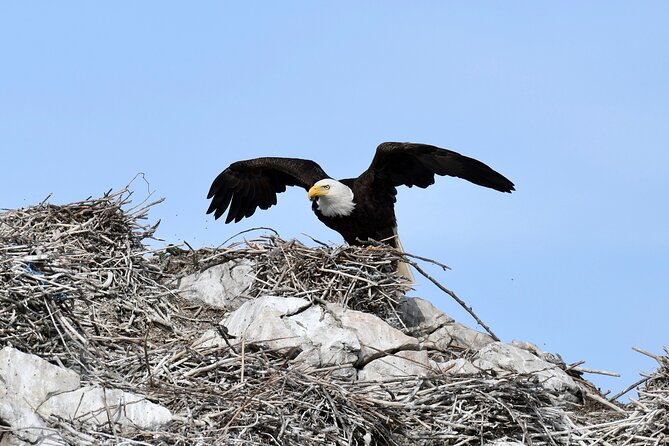
And it’s not only whales. You should expect a mix of other marine life and seabirds along the way. Accounts include sightings like seals, sea lions, sea otters, and seabirds such as puffins and different types of auks. Even when whales are the headline, the extra wildlife makes the trip feel full instead of waiting on a single big moment.
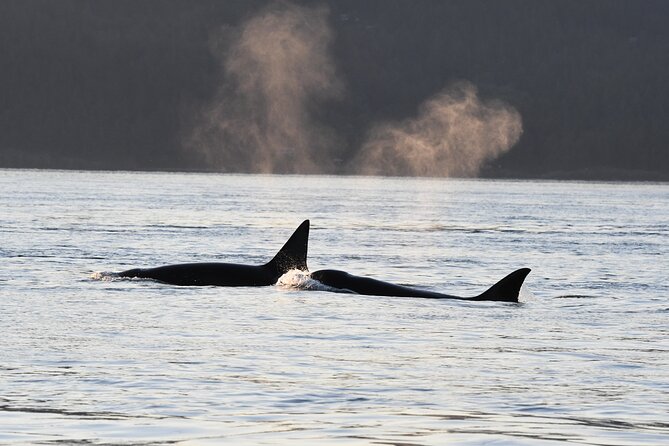
One of the most exciting elements (and a common theme in feedback) is the chance to see orcas and follow their behavior at a safe distance. In at least one highlight, the crew tracked a resident orca family for a long stretch—nearly 2.5 hours—watching how they hunted and moved. That’s the kind of experience you remember, because you’re not just collecting a photo. You’re getting to see how the animals actually use their environment.
The Full On-Water Flow: From Safety to Spotting to Return
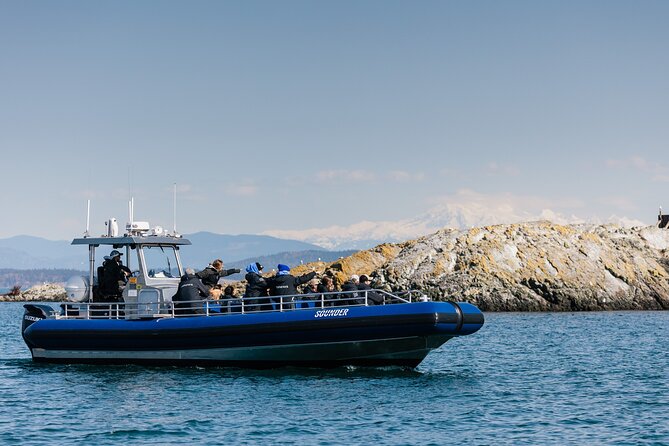
Even without a named itinerary of stops, you can think of the 3 hours 30 minutes as a clear rhythm:
1) Boarding and getting suited up
The tour centers on being prepared before you leave the dock area. You’ll be in your cruiser suit, plus the included hat and gloves, and you’ll be ready for spray and wind. The goal is to keep you watching instead of shivering.
2) Safety briefing and settling into the zodiac
You’ll get life vests situated for quick access. One account specifically noted life vests under each bench seat. That’s a comforting detail: you’re not hunting for safety gear after you’re already underway.
3) Searching and scanning across open water
This is the heart of the trip. The crew is focused on whale sightings, but the boat’s layout and smaller group size make it easier for you to follow the conversation and look where they’re pointing. You’re watching for the moments that matter: the first blow, the direction of travel, and surfacing patterns that hint at what’s below.
4) Whale and wildlife viewing once sightings happen
When whales show up, the focus tightens. You’ll spend time observing in a way that respects distance and behavior. For orcas in particular, the value is in watching how they move and interact, not just spotting the landmark spout. A resident pod can keep you busy for a while if conditions are right.
5) Return to Anacortes
The tour ends back at the meeting point, so the day stays tidy. It’s a big plus for planning: you can still have dinner in town or continue sightseeing without a complex transfer plan.
Comfort, Seasickness, and Weather Reality
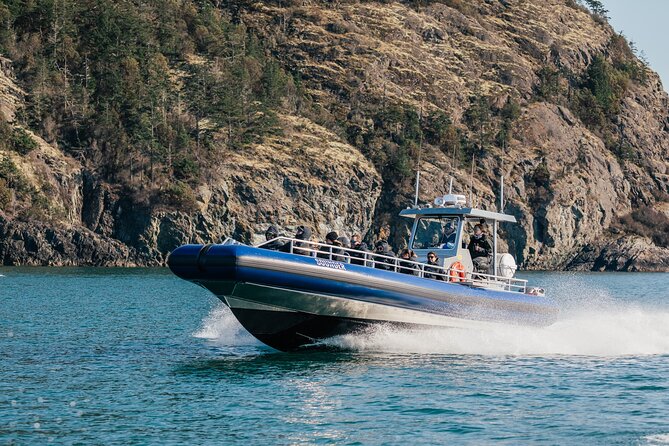
A zodiac is open and exposed. So yes, you’ll feel the wind. But the included cruiser suits help you handle it. You’re also given practical layers without having to guess what to pack. That’s part of why this tour often works well across ages—from kids at the minimum age to adults in their later years.
On seasickness: one person mentioned they usually get sea sick, and being in the open vessel helped. That lines up with a lot of what people experience—movement and sight lines matter—but your body may not follow the same script. If you’re sensitive, bring what you normally use for motion. The tour is weather-dependent, too, so the day may be calmer or rougher depending on conditions.
Weather is also the reason the company keeps the experience flexible. If conditions aren’t good enough, the tour can be canceled and you’ll be offered a different date or a full refund.
Price and Value: Is $149 Worth It?
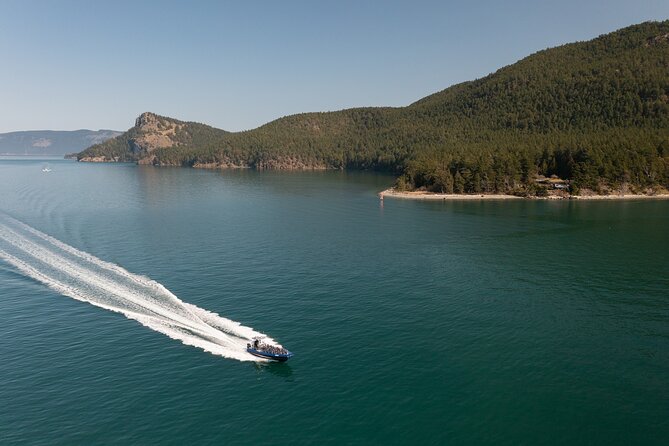
At $149 per person for about 3 hours 30 minutes, you’re paying for three things: a high-touch guide experience, a vessel built for spotting, and included safety/comfort gear.
Here’s why that matters for value:
- You’re not paying extra for thermal protection. Cruiser suits, hats, and gloves are included, which saves you from buying cold-weather gear you might use only once.
- The boat type matches the goal. If the goal is whales, the zodiac format and open-air setup help you scan effectively.
- The group size stays small (maximum 17), which tends to make it easier to ask questions and track what the guide is pointing out.
If you’re trying to choose between whale watching options, I’d look at the trade-off between boat size and viewing time. This one leans toward active searching and direct viewing. For many people, that’s exactly what turns a trip into a story.
Who This Tour Fits Best (And Who Should Skip It)
This experience has a few clear constraints, so it’s best matched to travelers who can handle an active outing on the water.
You’ll likely love it if:
- You’re excited about real wildlife encounters and staying outside for longer stretches.
- You want a guided focus on whales, but don’t mind that you’ll see other mammals and birds too.
- You’re okay with open-air conditions and plan to wear the provided gear.
You should think twice if:
- Your child is under 6 (minimum age is 6; children five and under aren’t permitted).
- You’re pregnant or you have back or neck injuries, since the tour notes it isn’t appropriate for those situations.
- You strongly dislike cold/wind conditions and don’t like being on the water during weather shifts, even with cruiser suits provided.
Also note: service animals are allowed, and the tour is offered in English.
The Human Factor: Guides, Captains, and Wildlife Coaching
The animal side is the star. But the crew is what makes the experience feel like more than a wildlife bus ride.
In highlights, named guides include Amanda, Austin, and Lucy, and a captain mentioned is Captain Tyler. The pattern is consistent: they’re friendly, they share details as the trip unfolds, and they help you connect the behaviors you’re seeing to what’s going on underwater.
That coaching matters when you’re spotting quickly from a moving boat. You might notice a blow, but understanding what it suggests—where the animal is in its dive cycle, what direction it’s headed, what other wildlife signals might mean—turns random sightings into a real learning moment.
In one standout description, Lucy even helped map the journey while identifying what the group was seeing. That’s the difference between passively watching and actively understanding.
Quick Planning Tips for Your Day in Anacortes
Here are a few practical moves that fit this exact tour setup:
- Arrive early for check-in. You need time to get fitted in the cruiser suit.
- Wear warm base layers even though you get a suit. The suit helps a lot, but you’ll still feel wind.
- If you’re sensitive to motion, plan for it. One account found the open vessel helped, but it’s smart to prepare based on your own history.
- Book ahead. On average, this tour is booked about 40 days in advance, so if your dates are firm, lock it in.
Should You Book the Anacortes Zodiac Whale Watching Tour?
If you want a whale watching trip that focuses on actual sightings and comfort built into the package, I’d recommend booking this one. The biggest reasons are straightforward: warm cruiser suits included, a small group size, and a crew that’s clearly invested in helping you see whales and understand what’s happening.
The main reason to hesitate is the reality check on who it’s for. Minimum age is 6, and it’s not appropriate during pregnancy or for people with back or neck injuries. If that fits you, the odds of a memorable day go up fast—especially if orcas are on your bucket list.
In short: this is a solid choice for anyone who wants a hands-on wildlife outing from Anacortes without turning it into a complicated production.
FAQ
What’s the minimum age for this whale watching tour?
The minimum age is 6 years old. Children five and under are not permitted.
How long is the zodiac whale watching adventure?
The tour runs for about 3 hours 30 minutes.
Where do I check in and when?
You check in at 2201 Skyline Way unit 203, Anacortes, WA 98221 about 30 minutes before departure.
What should I bring for warmth and comfort?
The tour includes cruiser suits, along with hats and gloves, which are meant to keep you warm and dry.
Is the tour okay during pregnancy or with back/neck injuries?
No. The tour specifically notes it is not appropriate during pregnancy or for people with back or neck injuries.
Is cancellation free if weather is poor?
Yes. There’s free cancellation, and if the tour is canceled due to poor weather, you’ll be offered a different date or a full refund.