REVIEW · TROMSO
Tromsø: Orca and Whale Watching comfort heated boat Trip
Book on GetYourGuide →Operated by Skua Nature Group · Bookable on GetYourGuide
Orcas in the Arctic, without the freezing pain. This Tromsø whale watching day trip is built around comfort: a covered, heated boat with a stable ride for scanning for orcas and humpback whales, plus photo-focused guidance so you know where to aim your lens. I also like that the team talks behavior and habitat (so spotting feels less like random luck) and that onboard comforts are practical, not gimmicky. One thing to weigh: it’s a long day, and sightings depend on Arctic conditions and weather, even with the best captain.
If you want a smooth, organized outing instead of bouncing around in a bare-bones speedboat, this one fits. You start with a bus ride with Wi‑Fi and charging, then you get several hours at sea from Skjervøy, with only a small group (up to 12) helping the search feel focused rather than chaotic.
In This Review
- Key highlights worth planning around
- Tromsø to Skjervøy: the bus ride that keeps you warm and ready
- Finding your pier connection: Skua Hub at Skjervøy Kystrutekai
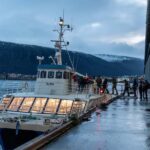
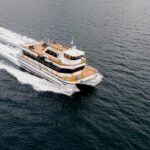
- The heated, covered boat: comfort that also helps your photos
- What the guide actually does while you’re hunting orcas and whales
- The 3-hour Skjervøy whale watching window: what to expect at sea
- Orca spotting tips: how to maximize your chances and your shots
- Comfort details that make the long day easier
- Price and value: is $373 a fair deal?
- Who should book this Tromsø orca safari (and who should skip it)
- Should you book the heated Orca and Whale Watching comfort trip?
- FAQ
- How long is the Tromsø orca and whale watching comfort trip?
- Where do I meet for the tour in Tromsø?
- Where do I get off in Skjervøy?
- What languages is the live guide available in?
- What whales can you spot on this safari?
- Is the boat heated and covered?
- Is the trip suitable for children or pregnant women?
Key highlights worth planning around
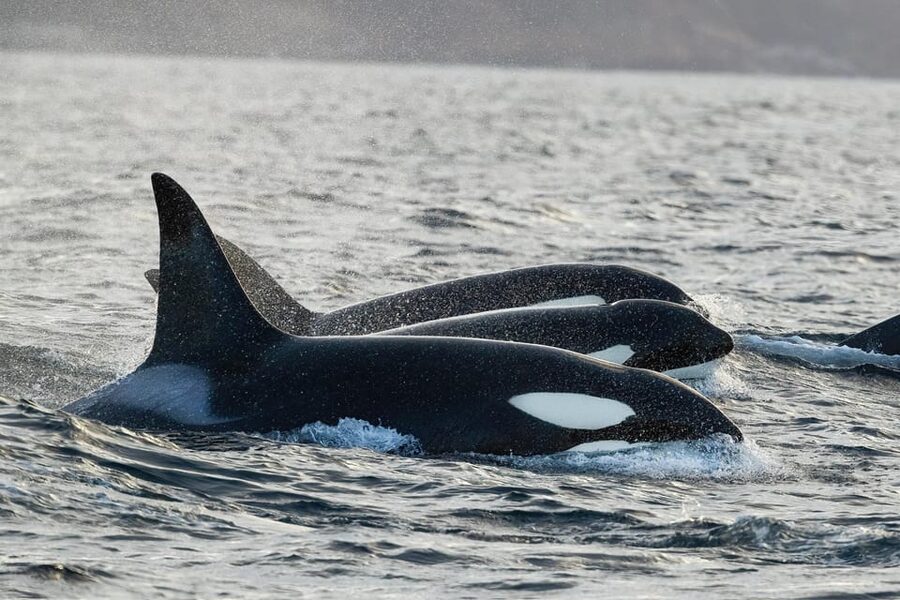
- Heated, covered vessel: warm cabin plus an outdoor terrace for spotting without giving up views
- Photography help that’s usable: guidance on direction and best ways to capture moments
- A calmer ride than typical RIBs: better stability for both comfort and keeping the camera steady
- Underwater cameras on board: extra chances to see whale action even when surface conditions are tricky
- Real Arctic logistics: Wi‑Fi, USB/charging points, and toilets on the bus
- Multiple cetaceans possible: orcas, humpbacks, plus minke and fin whales when conditions align
Tromsø to Skjervøy: the bus ride that keeps you warm and ready
This is a true day trip. You leave Tromsø from Samuel Arnesens gate 5 at the bus terminal, on the RED bus (Arctic Route). Look for the light banner Whale Route Skjervøy, then settle in for the first stretch of the day.
The total time on the clock is about 12 hours, with roughly 4 hours of transfer each way by bus and about 3 hours on the water. That long drive matters because it shapes your expectations: you’re not just doing a quick boat hop. You’re committing to a full Arctic mission day, and the easiest way to enjoy it is to treat the bus time as part of the experience.
You’ll be glad the bus is equipped for the real world. There’s Wi‑Fi, plus USB and charging points, and even a toilet onboard. In colder regions, that’s not a minor detail. It means you can keep your devices charged for photos and avoid the stress of figuring out plans mid-day.
Also, languages are English and Italian. That’s helpful if you want to understand what the guide is saying during the search, not just watch from the rail with silence and cold fingers.
You can also read our reviews of more tours and experiences in Tromso.
Finding your pier connection: Skua Hub at Skjervøy Kystrutekai
Once you reach Skjervøy, the transfer isn’t just a drop-off. The Arctic bus makes two stops in Skjervøy, and you want the second stop near Maritim Hotel and Skjervøy Kystrutekai. From there, you’ll find the Skua Hub departure point at the pier.
This matters because it keeps you from drifting around a windy waterfront asking strangers where the boat is. A whale trip is a schedule-driven activity, so you’ll do yourself a favor by getting off at the right stop the first time.
The atmosphere at the pier is usually straightforward: you’ll check in, listen for last-minute instructions, and then get ready to move from land-watching mode to sea-scanning mode. If you’re the type who likes to photograph technical things—boat positioning, light angles, the whole “getting there” moment—this is also a good time to reset your camera settings.
The heated, covered boat: comfort that also helps your photos

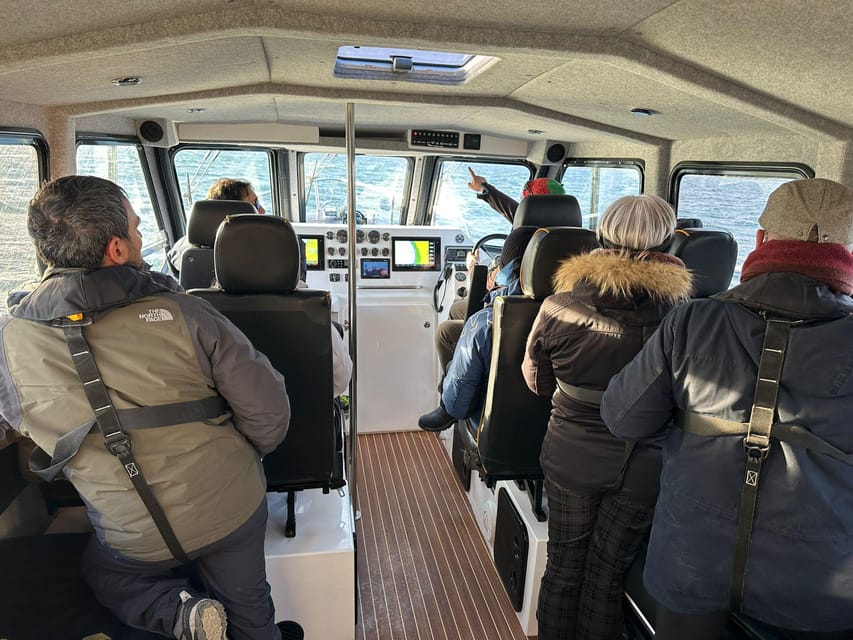
The big selling point here is the heated, covered boat. In Arctic waters, warmth isn’t just about feeling cozy. It helps you keep attention where it counts: watching for blows, movement, and the telltale patterns of whales surfacing.
The boat is described as new and designed for both speed and comfort. Compared with traditional RIB-style setups, it offers better stability, which is the practical difference you’ll feel immediately if you’ve ever tried to shoot wildlife while the boat bounces around like a shopping cart on gravel. Less motion means steadier framing, especially with longer lenses.
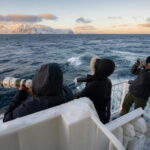
You also get choices. There’s a warm cabin for breaks and keeping gear protected, and there’s a spacious outdoor terrace for direct viewing. You don’t have to stay inside to stay safe from cold, and you don’t have to freeze to get usable angles.
There’s a toilet onboard on the boat too. That sounds small until you realize your day depends on it. A long tour in cold air makes “I’ll wait” a bad plan. This way, you can focus on spotting instead of managing your bladder like you’re on a bus trip with no restroom.
And for photographers, the deck setup is designed around viewing. You’ll have unobstructed views for scanning the Arctic waters. If you’ve ever felt like you’re photographing through railings, glare, or awkward sightlines, you’ll appreciate how much easier it is when the platform is made for wildlife watching.
What the guide actually does while you’re hunting orcas and whales
Wildlife watching is part science, part patience, and part skill. The key here is the guide role: you’re with a seasoned Svalbard captain and an environmental tour guide. Their job isn’t just to point at whales when they appear. It’s to help you understand what you’re seeing and where the chances are best.
You’ll get photography tips and insights designed for real conditions. That includes help with things like aiming direction and understanding what the whales might be doing in a given moment. In the Arctic, whales don’t perform on a schedule. But behavior clues can help you predict where they’ll surface next—so you’re not constantly reacting with a half-set camera.
The reviews also highlight friendly professionalism and clear whale explanations. Names that come up include Philip/Philipe as the guide and Captain Jacob as the captain. If you hear them briefing the group, that’s where the “why this spot” and “how to shoot it” answers usually show up.
There’s also an extra layer for learners and photographers: the boat has underwater cameras onboard. You might not get the full underwater show all the time, but having that ability means you’re not limited to what the surface gives you. It’s especially useful in conditions where spotting might be harder.
And yes, you’ll hear about the animals in context: their behavior, habitat, and what makes the Barents Sea such an important feeding and migration zone.
The 3-hour Skjervøy whale watching window: what to expect at sea
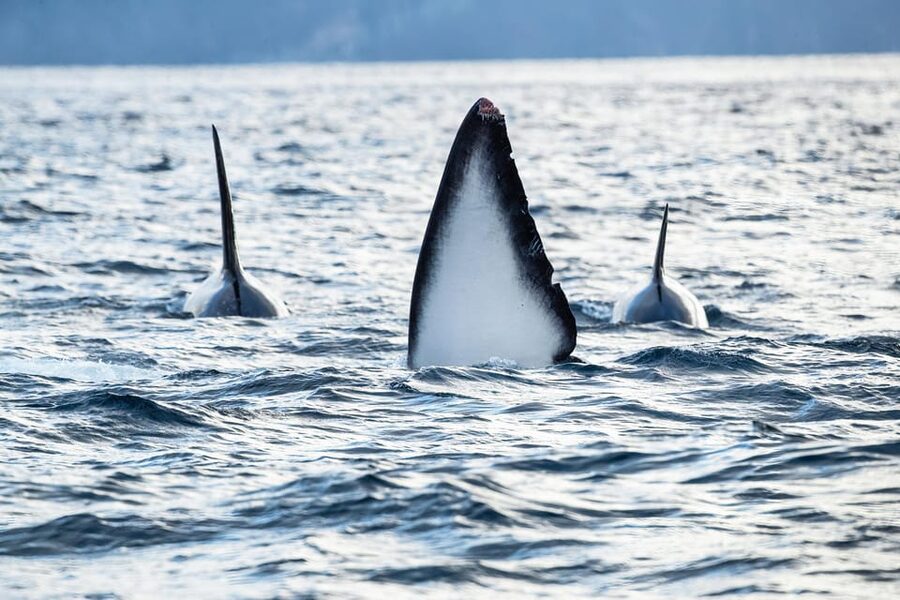
Your time on the water is about 3 hours. That’s long enough to run multiple search efforts, reposition, and get time for proper watching—not just a quick drive-by.
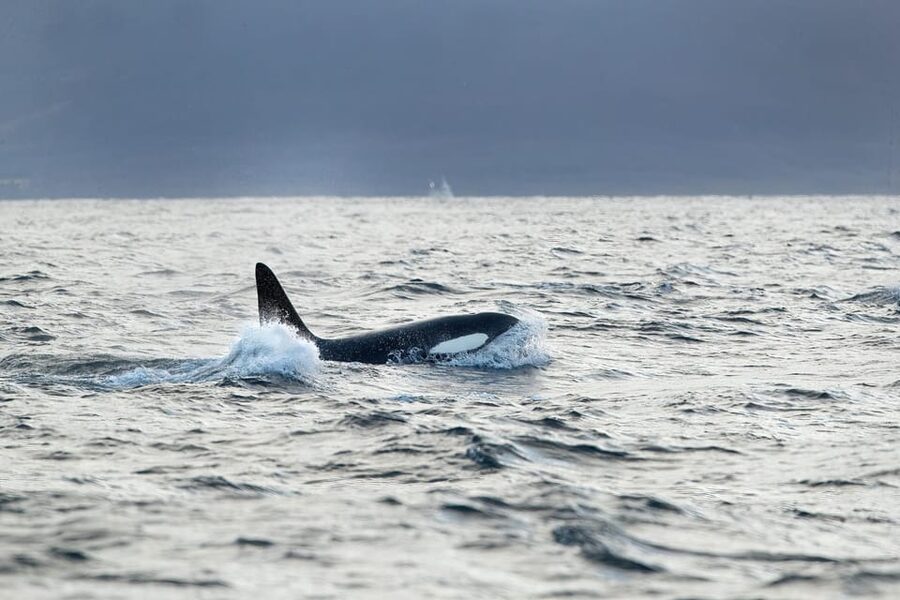
You’ll head out in search of orcas, humpback whales, and potentially minke whales and fin whales. That variety is valuable because it keeps the trip from being a one-species gamble. Even if the orcas are the main headline, it’s nice to know the team is actively looking for other cetaceans too.
In practical terms, the captain and guide will be scanning for cues: surface movement, breathing blows, and the patterns that suggest where animals may travel next. The guide’s direction tips are part of why the experience can feel “organized,” not random.
Weather can still play a role. Even when the boat is stable and heated, the Arctic is the Arctic. One review notes that conditions weren’t perfect but the team still kept the chase going. That’s exactly what you should hope for: persistence with good decision-making, rather than just returning early because it’s a bit windy.

Orca spotting tips: how to maximize your chances and your shots
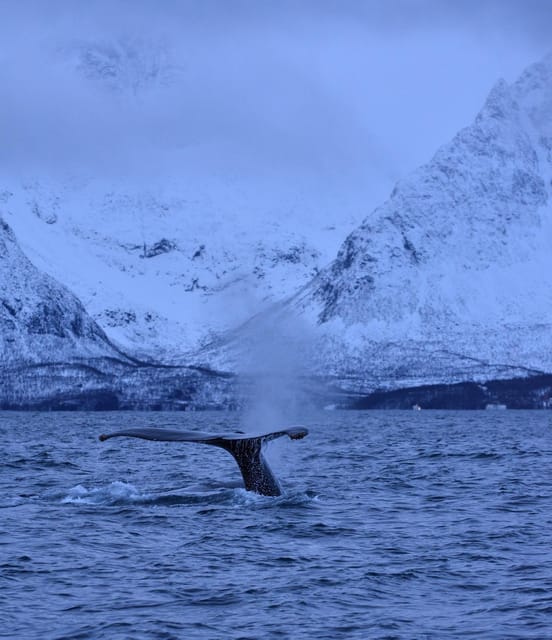
If you’re coming for orcas, plan to treat this like a photography and observation workshop as much as a tour. Bring a camera and extra batteries—this is the kind of trip where cold drains power faster than you want.
Once you’re on the boat, your best move is to switch between modes:
- Watch for the big cues first (blows, movement).
- Then lock in camera settings once you’re confident about where the animal might surface.
- Use the terrace views when the action is on the surface, then pop into the cabin when you need warmth or time to review shots.
The guide’s role matters here. When someone tells you which direction they believe whales will come from, it shortens your learning curve fast. You’ll spend less time “waiting and guessing” and more time readying your camera for the moment the animal actually appears.
For framing, stable seating and open views are your friends. A heated cabin also lets you stay comfortable while waiting through quieter stretches. That’s important because the best animal moments can come after a long pause.
Also, don’t ignore the onboard underwater cameras. Even if your primary goal is a surface shot, the underwater feed can help you capture the story of what’s happening—especially when the animals move in a way that’s easier to see from below.
Comfort details that make the long day easier
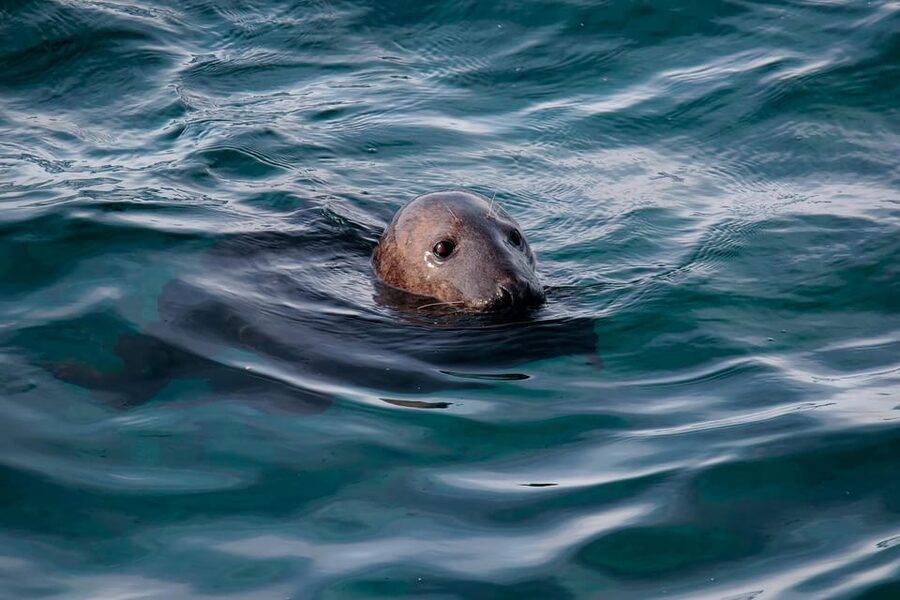
The difference between a good Arctic trip and a miserable one is often in the small comfort items. This tour includes several that actually help.
You’ll have:
- Hot drinks onboard
- Toilets on both the bus and the boat
- A heated cabin plus an outdoor terrace
- The bus has Wi‑Fi and USB/charging points
That combo means you can keep your energy up without worrying about “where’s the nearest place” for breaks. In a 12-hour day, energy management affects your mood and your ability to stay focused during the whale search.
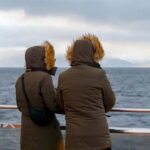
And since the boat is covered, you don’t need heavy special suits as long as you dress sensibly for cold air. That’s a relief if you’re traveling light. Still, you’ll be happier with layers you can move in, especially if you’re spending time on the terrace for long viewing stretches.
Price and value: is $373 a fair deal?
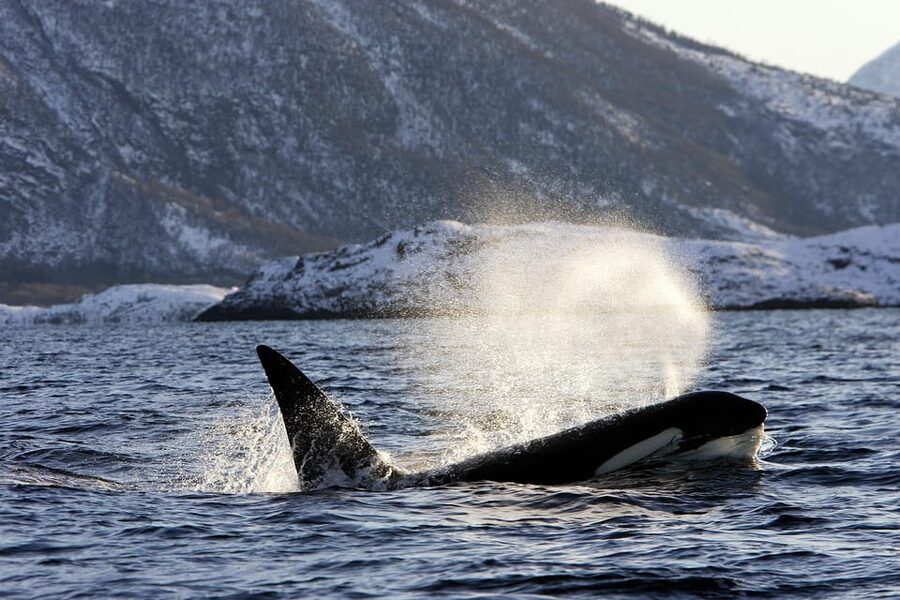
At $373 per person, the price is not low. But you’re buying a package, not just “a boat ride.”
What you’re getting included:
- Bus transportation with Wi‑Fi, USB/charging, and toilets
- A covered, heated boat with onboard toilet
- A captain and environmental tour guide
- Hot drinks
- Photography tips
- Chance to see orcas and multiple whale species
When you add up the cost of transportation, a heated vessel for comfort, guiding, and the time investment (including two long bus transfers), the value starts to make sense—especially if you’d otherwise have to figure out separate logistics. The small group size (up to 12) also tends to support better spotting and more direct help with photography.
Also, you’re not just paying for the animals. You’re paying for the process: stability on the water, warm waiting space, and the guide’s role in helping you aim your time and effort at the right moments.
Who should book this Tromsø orca safari (and who should skip it)
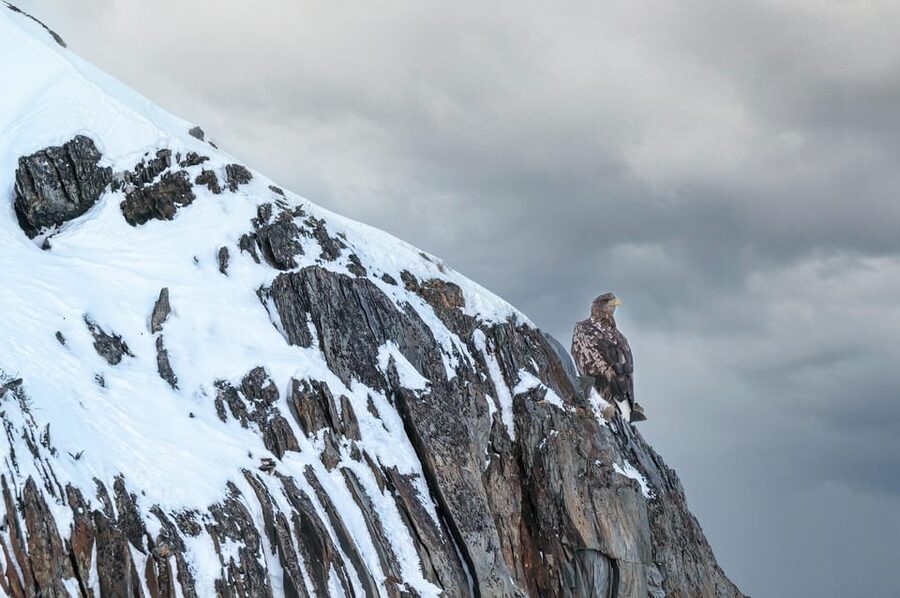
This trip fits best if you:
- Care about wildlife photography and want practical tips, not just a general lecture
- Prefer comfort in cold conditions, with a heated cabin and warm breaks
- Want a full day out without staying overnight, even if it means a long bus ride
- Enjoy guided scanning and behavior explanations, including help from people like Philip/Philipe and Captain Jacob (names you may hear in briefing and instruction)
It’s not suitable for children under 6 or for pregnant women. That’s important for planning. If either applies to you, look for an alternate format that matches safety guidance.
And if you hate long travel days, treat this as a “commitment tour.” You’ll be on the move most of the day, with the payoff being your time at sea and the guided search effort.
Should you book the heated Orca and Whale Watching comfort trip?
I’d book it if your priority is a comfortable Arctic whale hunt with real guidance and photography support. The heated, covered boat and stable ride make it much easier to stay focused and shoot effectively, and the underwater cameras add a bonus layer when conditions aren’t perfect.
Skip it if you only want a quick outing or if a long day of transfers sounds like a deal-breaker. This is a full 12-hour mission built around chasing cetaceans in the Barents Sea.
FAQ
How long is the Tromsø orca and whale watching comfort trip?
The total duration is about 12 hours, with around 4 hours of bus transfer to Skjervøy, 3 hours on the water, and 4 hours back.
Where do I meet for the tour in Tromsø?
Meet at Samuel Arnesens gate 5 at the bus terminal. The tour uses the RED bus (Arctic Route) and the bus light banner should indicate Whale Route Skjervøy.
Where do I get off in Skjervøy?
In Skjervøy, the Arctic route bus makes two stops. Get off at the second stop near Maritim Hotel and Skjervøy Kystrutekai, then go to the Skua Hub departure point at the pier.
What languages is the live guide available in?
The live tour guide is available in English and Italian.
What whales can you spot on this safari?
The tour is designed for orcas and whale watching that can include humpback whales, minke whales, and fin whales.
Is the boat heated and covered?
Yes. The boat is covered and heated, and it includes a toilet onboard.
Is the trip suitable for children or pregnant women?
It is not suitable for children under 6 years old, and it is not suitable for pregnant women.