REVIEW · CANARY ISLANDS
Dolphin and Whale Watching in La Restinga
Book on Viator →Operated by VIMOTIONS · Bookable on Viator
Seeing cetaceans close up is the real treat here. This 3-hour Atlantic outing from La Restinga is built for nature spotting—aimed at dolphins and whales that live off El Hierro waters, including a chance at beaked whales, which are famously hard to see across Europe.
I love two things most. First, the way you learn as you go: you’re not just scanning the horizon, you’re getting guidance on local marine life while the boat searches. Second, the onboard sound work stands out—there’s a hydrophone so you can hear what cetaceans are doing, not just what you can see.
One thing to keep in mind: sightings depend on the ocean and the weather. If conditions aren’t right, the trip may be rescheduled, and that’s not a small detail when you’re chasing whales.
In This Review
- Key Highlights You’ll Feel on This Cruise
- Why This La Restinga Whale Trip Feels More Personal Than Big Tours
- The 3-Hour Plan: What Happens After You Meet at Centro de Buceo El Bajón
- Sailing the Atlantic Off El Hierro: The Search That Builds the Moment
- Hydrophones on Board: Hearing Whales Changes Everything
- A Responsible Approach: Marine Biologists and Codes of Conduct
- What You Can See: Dolphins, Whales, Beaked Whales, and More
- Santa Cruz de Tenerife From the Boat: Scenic Value Between Sightings
- Playa de las Alcuzas Swim Stop: When You Turn From Passenger to Ocean Participant
- Cruising Near El Mar de las Calmas: A Marine Reserve Context
- The Boat Setup: Comfort, Safety, and the Little Things That Matter
- Price and Value: Is $54.17 Fair for 3 Hours at Sea?
- Who Should Book This Tour (and Who Might Skip)
- My Booking Verdict: Should You Book Dolphin and Whale Watching in La Restinga?
- FAQ
- How long is the dolphin and whale watching tour?
- What time does the tour start in La Restinga?
- Where do I meet for the tour?
- What’s included in the price?
- Is swimming part of the experience?
- What happens if weather is poor?
Key Highlights You’ll Feel on This Cruise
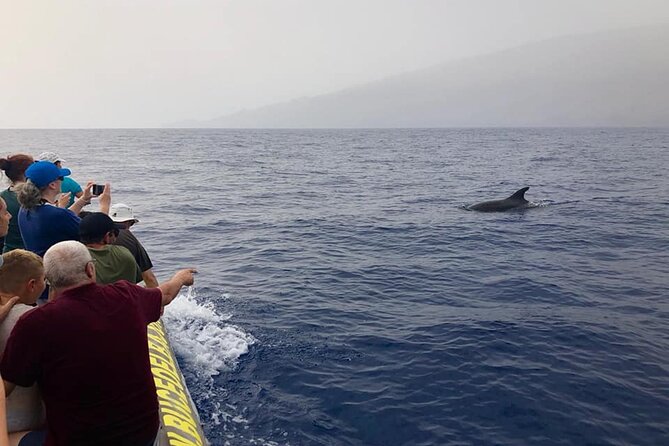
- Hydrophone time: listen to whale and dolphin sounds during the search, adding a whole new layer to spotting
- Responsible observation approach: marine biologists support the crew with codes of conduct for cetaceans and their habitat
- Small group (max 10): you’re not lost in a crowd—your skipper can watch the animals and manage the group closely
- El Hierro marine reserve area: you cruise along the coast of El Mar de las Calmas, where conservation matters
- Swim at Playa de las Alcuzas cove: a real break from ship time, in refreshing waters close to shore
- Rare target species: beaked whales are a key draw, since they’re rare to spot across Europe
Why This La Restinga Whale Trip Feels More Personal Than Big Tours
This isn’t a giant mega-boat experience. It’s a small-group cruise that focuses on doing things right: close searching, careful observation, and time to enjoy the marine world instead of rushing past it. With a maximum of 10 travelers, you’ll usually get clearer sightlines and better attention from your skipper.
The target list is also a big part of the appeal. You’re not only going for dolphins and common whales—you’re aiming for several species, including beaked whales. That alone changes the vibe. When a tour is built around a rare possibility, you tend to notice details you’d normally ignore: surfacing patterns, group behavior, and even how the boat positions itself.
And yes, the Santa Cruz de Tenerife views add value too. Even when sightings are quiet for a bit, the scenery from the boat keeps you engaged, so you’re not stuck thinking you paid for nothing if the ocean decides to be shy.
The 3-Hour Plan: What Happens After You Meet at Centro de Buceo El Bajón
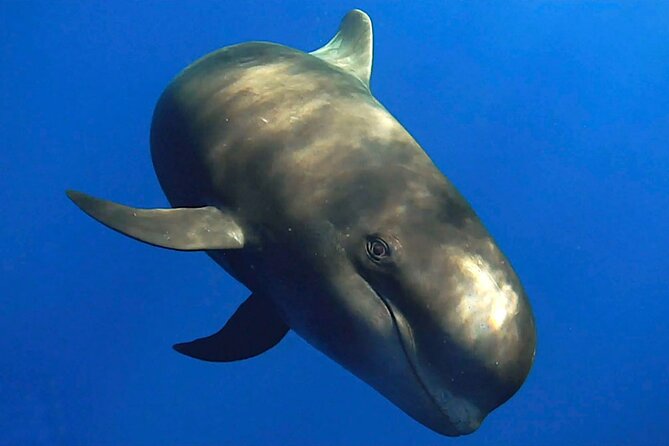
You’ll meet at Centro de Buceo El Bajón on C. los Saltos, 23 in La Restinga. The start time is 2:00 pm, and the whole outing runs about 3 hours, returning to the same meeting point.
Here’s the rhythm you can expect. You depart from La Restinga and head out through waters surrounding El Hierro, mainly along the southern side of the island. The goal is straightforward: search for cetaceans, get close enough for good views and photos, and then shift into a more relaxed mode once you reach the swimming cove.
A key part of the “3 hours” promise is how it’s paced. You’re not locked into nonstop scanning. There’s sailing, time spent looking and listening, and then the planned stop at Playa de las Alcuzas for swimming. That balance is exactly what makes the trip feel like an experience, not a chore.
Sailing the Atlantic Off El Hierro: The Search That Builds the Moment
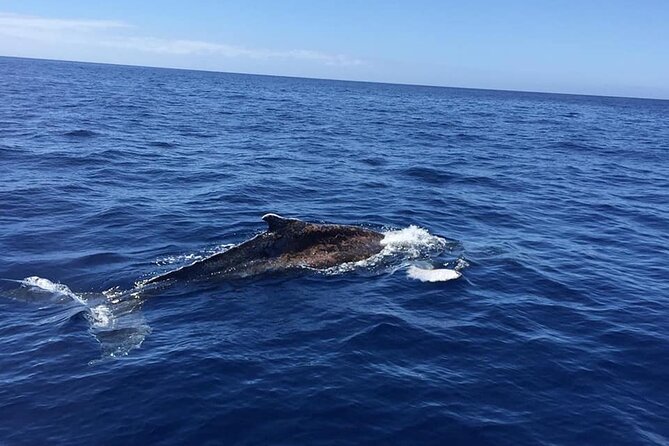
The cruise takes you across the Atlantic waters that border the southern part of El Hierro. This is a smart region choice. It’s the kind of coast where marine life can be present, and where a careful crew can reposition quickly when conditions and animal locations line up.
You’ll also get a guided element during the sailing. The experience includes learning about local marine life as you travel, so you’re not just watching shapes against waves. When you know what you’re likely looking for, you start spotting the telltale behavior—how animals surface, how they move, and when the group shifts direction.
One reason small groups work so well for this type of trip is control. When a skipper has fewer people to manage, they can focus on safe boat handling and also keep the group’s attention where it matters. That means less crowding and more time actually watching.
Hydrophones on Board: Hearing Whales Changes Everything
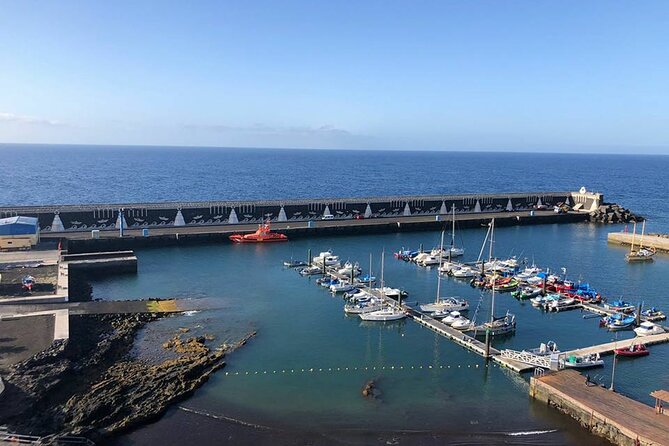
The hydrophone part is one of the most practical upgrades on this tour. Instead of relying only on sight, you get the chance to listen to cetacean sounds emitted in the area. It’s not a gimmick. For wildlife spotting, audio clues can make the search feel more alive, especially when animals are just below the surface or moving farther out.
The tour also uses the hydrophone experience in a scientific way. The setup records images and other scientific data alongside the listening. That matters because it supports monitoring and responsible conduct rather than turning the trip into pure chasing.
If you’re the kind of traveler who enjoys learning while you travel, this is the moment you’ll likely appreciate most. You can connect what you hear with what you eventually see, and the whole observation turns more “interactive” than passive.
A Responsible Approach: Marine Biologists and Codes of Conduct
The crew isn’t operating solo. Marine biologists support the team onboard, and that’s a big deal for how the viewing works. You’re told what responsible observation means in practice—how to stay mindful of cetacean behavior and their habitat.
This is also where the tour earns its “quality” reputation. In at least one standout experience, Dani the guide was described as very professional and very knowledgeable, and the trip was respectful of nature. That combination—careful conduct plus a confident communicator—often makes the difference between a chaotic wildlife hunt and a calm, rewarding one.
You should also expect the boat to get as close as possible so you can enjoy and photograph dolphins and small whales. Close-up viewing is the point, but doing it responsibly is what keeps animals from getting stressed or pushed around.
What You Can See: Dolphins, Whales, Beaked Whales, and More
The tour is designed to see several cetacean species. That includes dolphins and whales, with beaked whales specifically mentioned as a rare possibility. Beaked whales are tough to spot because of how they surface and where they tend to be found, so a tour that calls them out is really signaling that they’re prepared to look for something uncommon.
In one successful outing described, the group saw a huge flock with both pilot whales and bottlenose dolphins. That same experience also included great seabird sightings—cory’s shearwaters and European storm petrels. Those extras are a good reminder: even if cetaceans don’t show up instantly, the surrounding ecosystem often does.
Another review added that hammerhead sharks were seen and a turtle was rescued. Those kinds of moments aren’t guaranteed, but they do hint at how active the waters can be and how alert the crew may be to what’s happening around them.
So what should you take from this? If you’re booking for a specific species, aim high. But if you stay open to the whole marine “scene,” you’ll likely enjoy the trip even when the ocean doesn’t play the exact script.
Santa Cruz de Tenerife From the Boat: Scenic Value Between Sightings
Part of the experience includes taking in the sites of Santa Cruz de Tenerife from the boat. Even if you’re laser-focused on whales, this matters because it keeps the trip visually rewarding during the searching time.
Think of it like this: wildlife spotting has lulls. You might have a long stretch where you scan, wait, and listen. During that time, having strong viewpoints makes the wait feel productive instead of frustrating.
It’s also a helpful mental trick. When you’re watching both marine life and coastlines, you stay engaged. It’s one reason small-group ocean trips can feel longer in a good way—even though the total duration is about 3 hours.
Playa de las Alcuzas Swim Stop: When You Turn From Passenger to Ocean Participant
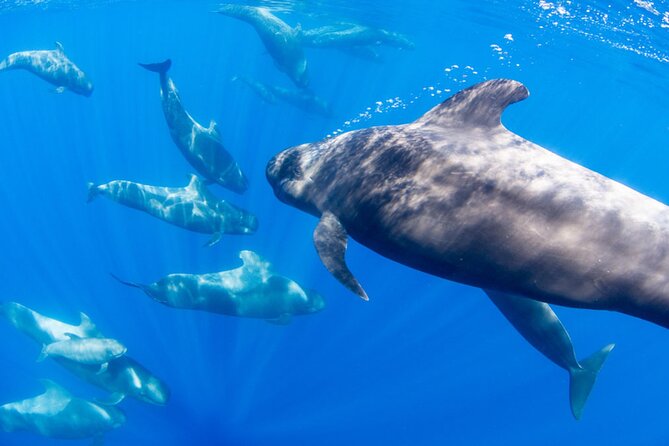
The cruise includes a stop at the Playa de las Alcuzas cove. This is where you can swim in the refreshing waters, which breaks up the boat time and turns the experience more tactile.
This portion is especially good if you’d like a tour that isn’t only about staring. You’ll go from watching wildlife offshore to being in the water for yourself. Just remember it’s weather dependent; calm conditions are a must.
Also note what’s included and what isn’t. Insurance and life jackets are included, but food and drinks are not. So for your swim stop, plan for comfort: protect yourself from sun and consider bringing what you need before the tour starts, then take care of hydration after.
Cruising Near El Mar de las Calmas: A Marine Reserve Context
After the swim stop, you’ll get to know El Mar de las Calmas, the coast of the El Hierro marine reserve. This adds meaning to the wildlife spotting. You’re not just on the water—you’re in an area where conservation and careful behavior are part of the reason marine life persists.
This context also explains why the tour emphasizes responsible observation codes. When you know you’re in a reserve zone, you’re more likely to see the crew’s actions as protective rather than restrictive. Boat positioning and respectful viewing habits aren’t just rules. They’re part of protecting the habitat the animals rely on.
The Boat Setup: Comfort, Safety, and the Little Things That Matter
The boat has a comfortable deck with an awning, which is practical for a sunny Atlantic afternoon. There are life jackets onboard, and the tour includes insurance. It also mentions a Blue Flag license, which signals that the operation meets established standards.
None of this guarantees whales will show up. But it does lower the friction. If you’re more comfortable, you’re better able to focus on spotting and listening. And on a tour where timing and animal behavior matter, staying comfortable helps you get the most out of every moment.
Price and Value: Is $54.17 Fair for 3 Hours at Sea?
At $54.17 per person for about 3 hours, this tour can feel like good value if you care about more than a casual boat ride. Why? Because the cost isn’t just paying for transport. You’re also getting a small-group format, knowledgeable guidance, responsible viewing support from marine biologists, and hydrophone use to listen for cetaceans.
What you should weigh: food and drinks aren’t included. If you tend to spend on snacks and drinks during tours anyway, plan ahead so the final cost doesn’t sneak up on you. Also, because the experience depends on favorable weather, you need to be flexible if your schedule is tight.
Still, when a tour combines wildlife searching, hydrophone listening, and a swim stop, it’s not just a short excursion. It’s a full sensory experience at sea, built around actually seeing and learning—rather than just collecting a few distant photos.
Who Should Book This Tour (and Who Might Skip)
This cruise is a great fit if you:
- Want close-up chances to see dolphins and whales, including the rare possibility of beaked whales
- Like small groups and better skipper attention
- Enjoy learning at the same time you’re sightseeing
- Want an included swim stop rather than only sitting on a boat
- Appreciate a responsible, nature-respecting approach
It might be less ideal if you:
- Want zero chance of cancellation due to weather (this one can be rescheduled)
- Don’t like ocean conditions, even though the tour is designed for comfortable deck time
- Prefer tours with onboard food or drinks included (you’ll need to handle that separately)
My Booking Verdict: Should You Book Dolphin and Whale Watching in La Restinga?
If you want a whale and dolphin tour that takes responsible viewing seriously, adds hydrophone listening, and includes a real swim stop, this is a strong option. The small-group size (max 10) and the presence of marine biologists are the kind of details that usually lead to a better experience, not just a louder one.
Book it if you’re traveling with flexibility and you really want your odds improved through careful searching—especially with beaked whales as a stated target. If you’re the kind of traveler who’s happy with any marine wildlife moment, you’ll likely leave satisfied even when the ocean changes plans.
FAQ
How long is the dolphin and whale watching tour?
It runs for about 3 hours.
What time does the tour start in La Restinga?
The start time is 2:00 pm.
Where do I meet for the tour?
You meet at Centro de Buceo El Bajón, C. los Saltos, 23, 38917 La Restinga, Santa Cruz de Tenerife, Spain.
What’s included in the price?
Insurance and life jackets are included.
Is swimming part of the experience?
Yes. The boat stops at Playa de las Alcuzas cove, and you can swim there.
What happens if weather is poor?
If the tour is canceled due to poor weather, you’ll be offered an alternative date or a full refund.