REVIEW · LA PAZ MEXICO
Whale Watching in La Paz – Gray Whale Encounter
Book on GetYourGuide →Operated by La Paz City Map · Bookable on GetYourGuide
Gray whales right next to the boat. This La Paz-to-Puerto Chale day turns the gray whale migration into a real, on-the-water experience, usually with gray whales and calves surfacing close enough to watch their behavior, not just spot them. I love how the small group setup keeps things calm and makes the captain’s instructions actually matter. My one big caution: it’s a long day with early pickup and a lot of time on the road.
I also like the practical details that make the early start easier, especially the air-conditioned van and the included regional breakfast box lunch. You’ll eat before you hit the bay, then get a second regional lunch after the whale watching, so you’re not stuck hunting for food in the middle of nowhere. Just be ready for boat time and sun time, even in cool January–March weather.
In This Review
- Key Highlights Worth Your Attention
- Gray Whales in Puerto Chale: The Real Reason This Day Is Special
- The Early Start: Hotel Pickup From La Paz to the Bay
- Breakfast Box Lunch: Fueling Up the Regional Way
- Speedboat Time in the Bay: How Close Can You Really Get?
- Magdalena Bay Break and Regional Restaurant Lunch
- Transportation Details That Affect Your Comfort
- Small Group Size: What You Gain When It’s Not a Mass Excursion
- Price and Value: Is $169 a Fair Deal for This Kind of Day?
- What to Bring (and What to Wear) for a Better Whale-Watching Day
- Who Should Book This Whale Watching, and Who Should Skip It
- Should You Book Whale Watching in La Paz (Puerto Chale)?
- FAQ
- When can I see the gray whales?
- How long is the tour?
- Is hotel pickup in La Paz included?
- What meals are included?
- Are alcoholic beverages included?
- How big is the group?
Key Highlights Worth Your Attention
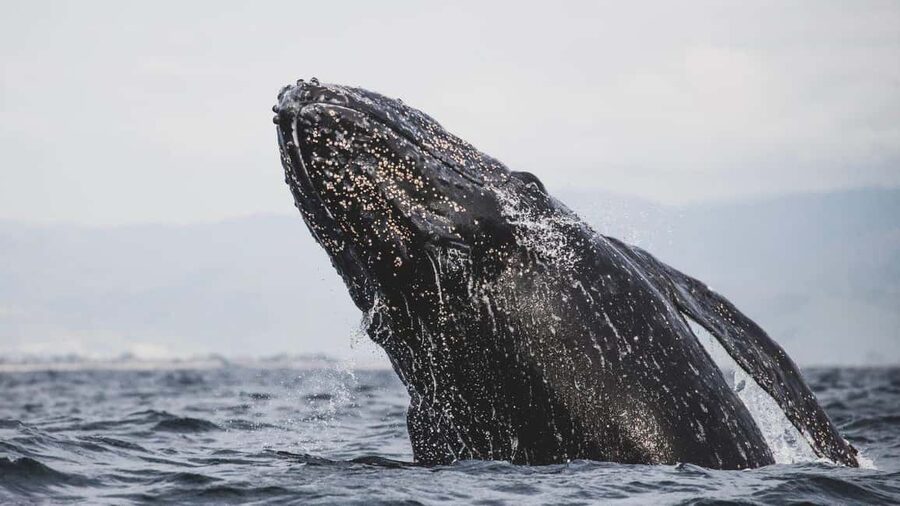
- Gray whale and calf sightings in Puerto Chale during the migration season
- Local captain leading the boat ride so you’re not just following random instructions
- Small group size (limited participants) for a more manageable, focused outing
- Two regional meals included: breakfast box lunch plus a regional restaurant lunch
- Hotel pickup and drop-off in La Paz with air-conditioned transportation
- January to March is the sweet spot, with the tour built around that window
Gray Whales in Puerto Chale: The Real Reason This Day Is Special
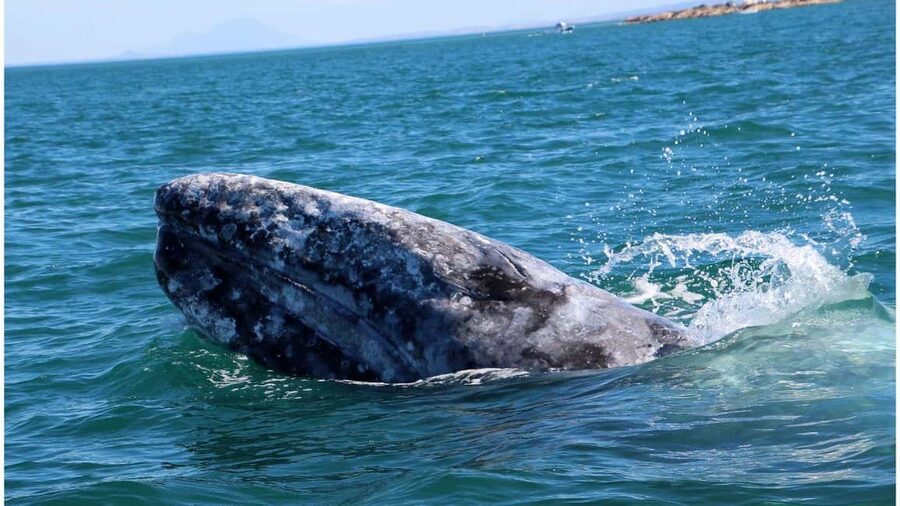
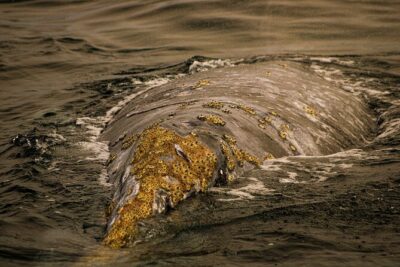
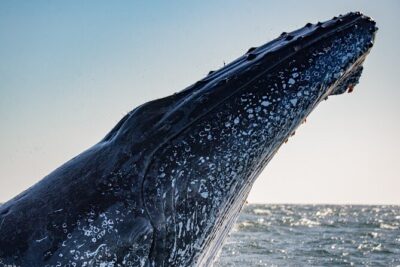
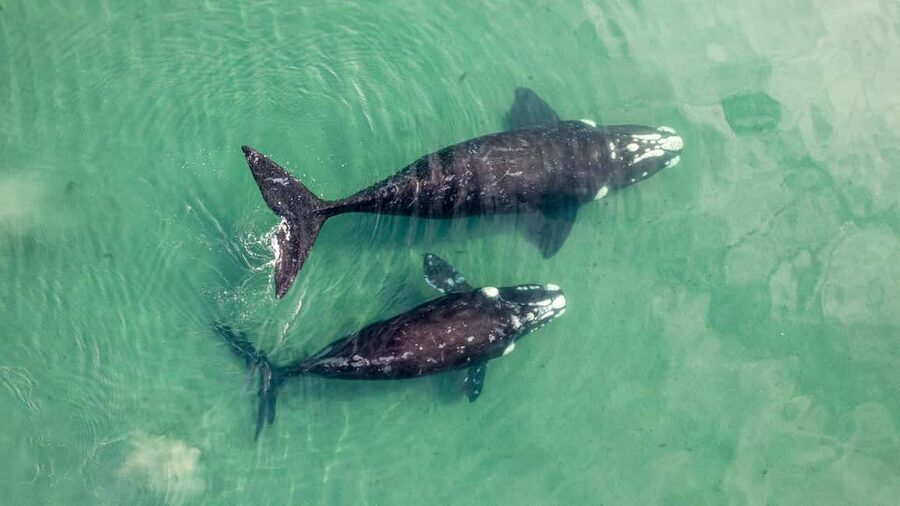
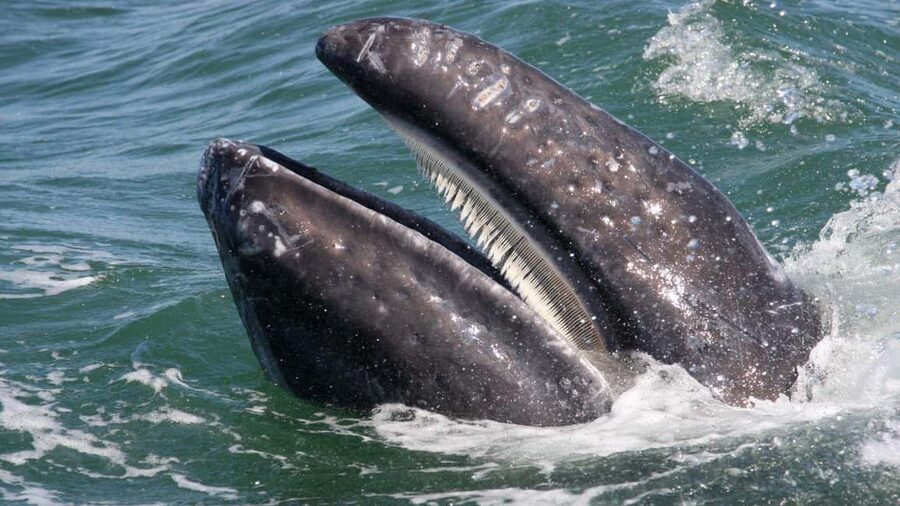
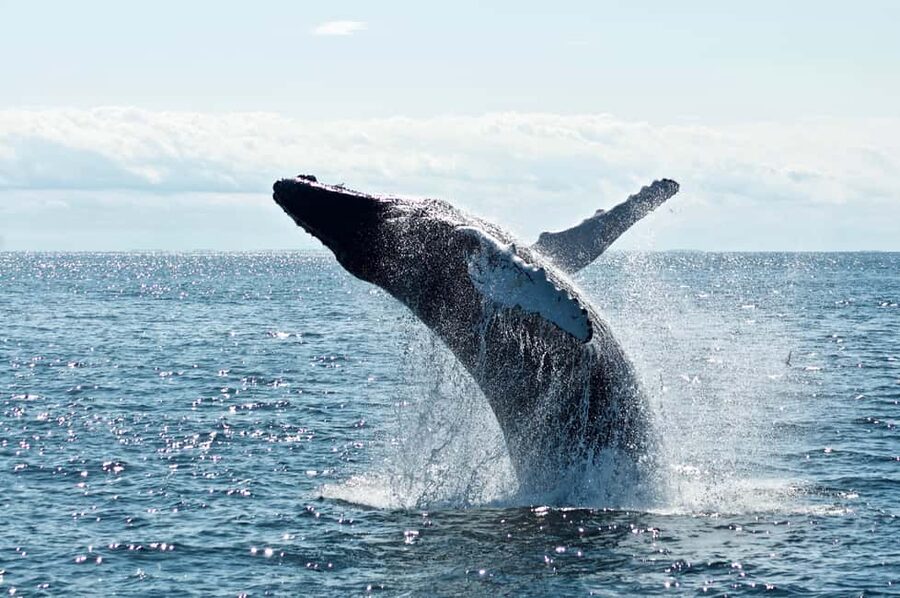
If you care about wildlife, this is the kind of tour that changes how you picture a migration. Gray whales are not a vague dot on the horizon here. You’re in Magdalena Bay waters during the migration window, and the experience is designed around the moment when whales and their calves surface close enough for you to see what they’re doing—breathing, swimming, and moving through the bay as a family group.
What makes Puerto Chale so compelling is the timing and the geography. The itinerary is built around a full morning to reach the bay, then you’re out long enough—about two hours on the speedboat—to get multiple chances at sightings. That matters, because whale timing isn’t on a clock. With a good captain and the right season, you don’t just pass by. You get repeated viewing moments.
I also like that the tour is framed as a real regional day, not a “tour-vehicle-tour” loop. Breakfast, boat time, then lunch at a local restaurant gives you rhythm. You’ll come back to La Paz with that full-body feeling of having been out there, not just looking from a shoreline platform.
The Early Start: Hotel Pickup From La Paz to the Bay
This is a pickup-in-La Paz style day, and you should plan for an early morning. The tour runs roughly 7:00 AM–3:00 PM on the schedule you’ll see most often, and it’s also described as around 8–10 hours end to end, depending on how the day flows. Either way, it’s not an afternoon activity.
Once you’re picked up, you’re in an air-conditioned van for a couple hours. You’ll make a stop along the way and you’ll also pass by Magdalena Bay before the speedboat portion. That road time isn’t wasted. It’s part of how the day is staged: you’re getting positioned to start the water portion at a good time.
From a comfort standpoint, the air-conditioned transport is a big deal in Baja California Sur. You go from being warm in the street to being cool inside for the drive, which helps when you later step into full sun on the boat. You also get a driver who handles the driving pace and logistics—one booking highlighted Andres as an excellent driver—so you’re not stuck managing directions yourself.
The downside? The long transportation portion is real. If you dislike long van rides, or if you’re sensitive to movement, you’ll feel it. This is still a “go-go” day even though the whale watching itself is slow and watchful.
Breakfast Box Lunch: Fueling Up the Regional Way
Before you hit the water, you get a regional breakfast box lunch. This is one of those details that seems minor until you’re hungry at sea. You can choose items like burritos, tamales, fresh fruit, and local coffee.
This matters for two reasons:
- You’re eating before the boat ride, so you’re not trying to decide what to snack on while you’re watching for whales.
- It keeps the morning simple. Instead of a half-hour detour for food, you get a planned meal that fits the schedule.
From my perspective, the “box lunch” format is also practical. It’s easy to eat quickly, and you’re not worrying about finding a specific dish or restaurant in a remote area. If you’re the kind of person who gets hangry while waiting for wildlife, this meal is a quiet lifesaver.
One more point: alcohol is not included, so if you enjoy a drink with lunch, you’ll need to plan that separately. The included breakfast and lunch focus on straightforward regional food.
Speedboat Time in the Bay: How Close Can You Really Get?
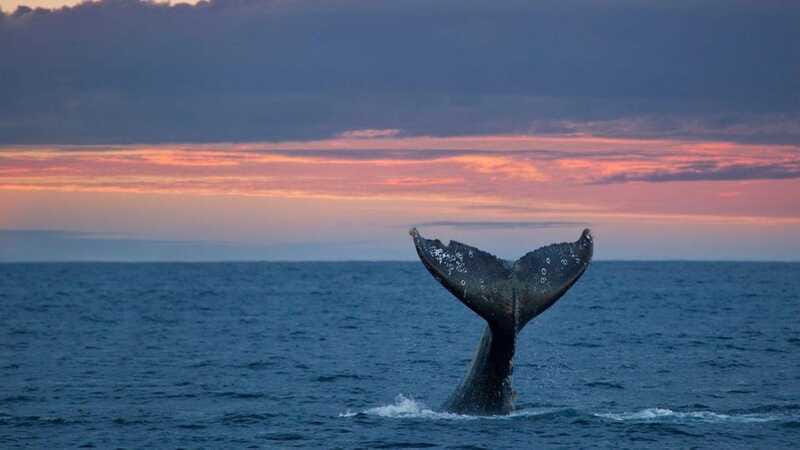
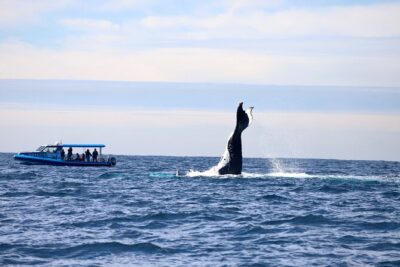
The heart of this trip is the boat ride into the bay with a local captain. You board a traditional-style boat for about two hours of whale watching.
Here’s what to expect, based on the design of the trip and the style of sightings:
- You’re not sitting in a foggy “maybe” zone for hours. The tour is built around getting meaningful time on the water.
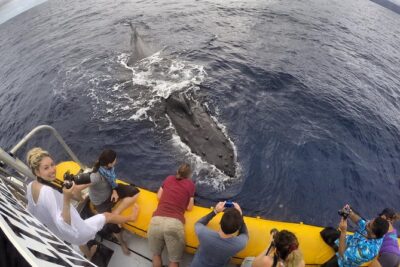
- You’ll often be close enough to clearly watch whales at the surface, including the gray whales and calves that show up during the migration.
On one booking, the whale watching was described as so close that the group could even touch a whale. I don’t want you to treat that as a guarantee—wildlife distance can change fast—but it tells you what “close” can mean in practice on a good day.
Also, you’ll receive a life jacket. That’s a standard safety part of the outing, and it’s one more reason the tour feels well organized: you’re not improvising your own safety gear.
The key skill you’ll use on this boat is patience. You might watch for stretches, then get a flurry of sightings as whales surface. If you’re the kind of person who gets restless in waiting mode, bring something to steady yourself: a camera you know how to use, sunglasses, and a calm mindset. The best moments often come when you stop checking your watch.
Magdalena Bay Break and Regional Restaurant Lunch
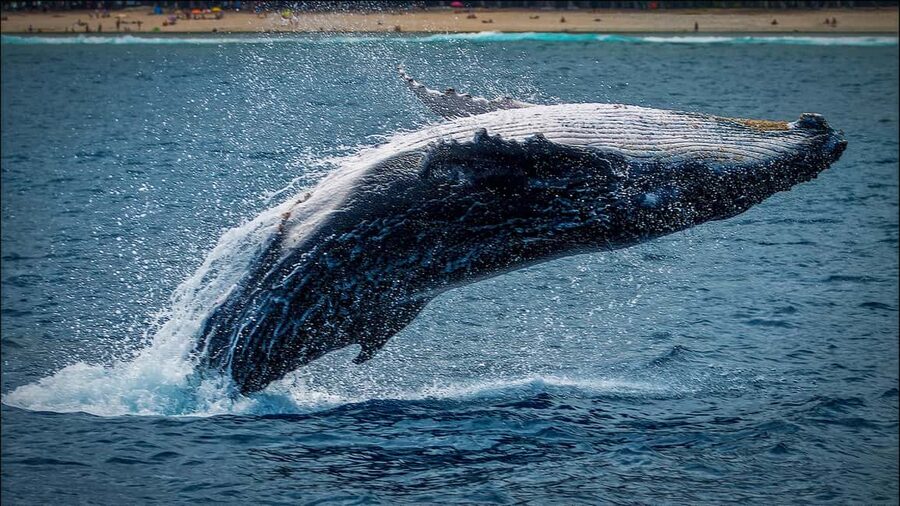
After the whale watching, you’ll get a break at Magdalena Bay, including time for lunch—about one hour. This is when you come back into a land rhythm, reset your body, and eat something warm.
The lunch is described as regional and served at a local restaurant, with a menu that includes a drink. That’s a nice change from the box-lunch style you had earlier. You’re likely to feel better after you eat, especially if you’ve been out in sun and salt air.
This is also the moment to slow down your planning for the return drive. You’re on the schedule to head back to La Paz by van after the break and lunch, so it helps to treat this as your recharge window. If you’re traveling with a camera-heavy plan, use the lunch break to review shots and charge devices before the last transport segment.
The one thing you should expect here: your day is still moving. This isn’t a long lingering stop. It’s enough time to eat and reset, then back to the road.
Transportation Details That Affect Your Comfort
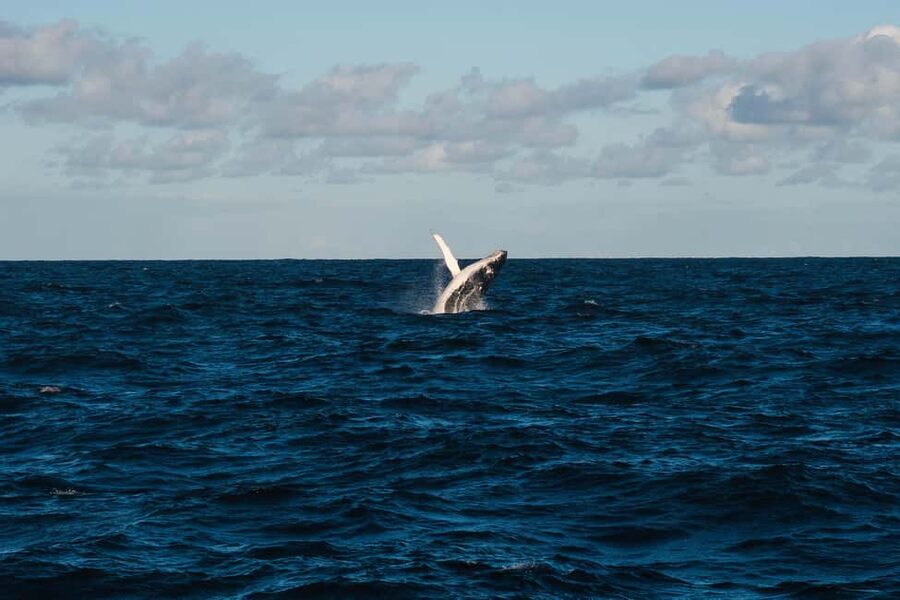
Let’s talk logistics in plain terms, because comfort directly affects how much you enjoy whale watching.
- You get hotel pickup and drop-off in La Paz.
- You ride in an air-conditioned van for the bulk of the land portion.
- You do a speedboat/boat ride for the whale watching.
- You’ll be given a life jacket.
That combination is what makes this tour “low effort” for you. You’re not coordinating multiple tickets, figuring out where to wait, or trying to guess timing. The tour is structured so your day runs in order: pick up, breakfast, travel, boat time, lunch, return.
Still, the boat and transport don’t suit everyone. The tour is listed as not suitable for pregnant women, people with back problems, people with mobility impairments, and wheelchair users. Even when you’re seated safely and given a life jacket, you may still have to stand, shift positions, or deal with movement on the water. If any of those apply to you, it’s worth choosing a different whale-watching format that fits your needs.
Small Group Size: What You Gain When It’s Not a Mass Excursion
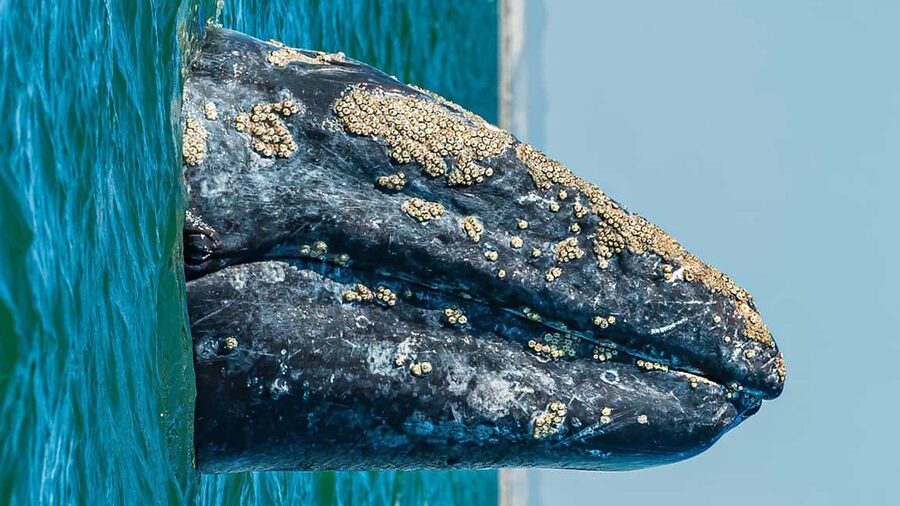
This tour is positioned as a small group experience. The information you’ll see includes limits like up to 15 participants and also mentions a minimum and maximum group size of 4 to 10 people for the experience. Either way, the point is clear: this isn’t a huge cattle-call.
What that changes on the water:
- The captain can give instructions without competing with a loud, crowded deck.
- You often feel less packed in and more able to focus on spotting.
- The overall pace of the day feels more human.
And it’s not just emotional. When whale sightings start and stop unpredictably, a manageable group makes it easier to adjust. Everyone has the same goal: stay ready for the next surface moment.
One booking also praised clear communication and smooth pickup, plus a knowledgeable captain and an excellent driver (again, Andres was named). That reinforces the value of small-group operations: fewer moving parts, fewer opportunities for chaos.
Price and Value: Is $169 a Fair Deal for This Kind of Day?
At $169 per person, you’re paying for more than just a boat ride. You’re also paying for:
- Hotel pickup and drop-off in La Paz
- Air-conditioned ground transportation
- Two meals (breakfast box lunch and a regional lunch)
- Boat ride with a local captain
- Life jacket
- Travel insurance
If you were to recreate this day on your own—transport, meal stops, and boat access—you’d likely spend similar money once you add up the time and logistical hassle. The meals included also have real value because the day is long and you need predictable fuel.
Now, here’s the part you should consider before booking: like most shared tours, quality depends on execution. One booking reported a no-show situation and that they waited over an hour with no notice of cancellation. That’s not the norm you should expect every time, but it’s a reminder to protect yourself: confirm pickup details ahead of time and make sure you know how to reach the tour office quickly if anything changes.
For most people, the combination of close-up whale time plus included meals plus transportation makes the price feel fair. For anyone who hates uncertainty, you’ll want to do a quick confirmation check the evening before.
What to Bring (and What to Wear) for a Better Whale-Watching Day
You don’t need special gear, but you do want to set yourself up for sun, wind, and comfort. Bring:
- Sunglasses
- Sun hat
- Sunscreen (biodegradable is recommended)
- Comfortable clothes
- A camera
- A jacket (worth bringing because mornings can feel cooler)
On the water, wind can dry your skin fast, and sun can feel stronger than you expect—even if the air is pleasant. Sunglasses and a hat reduce the “squint tax,” so you can actually watch whales instead of fighting glare.
For clothes, think practical. You’ll want something you can move in and won’t mind getting a little salty or dusty. Avoid super delicate fabrics, and wear footwear that feels stable for boat boarding and stepping around.
If you’re prone to motion discomfort, consider that the day includes van rides and time on a speedboat. The tour isn’t marketed as suitable for back problems or mobility impairments, so if that’s your situation, choose an option that matches your comfort needs.
Who Should Book This Whale Watching, and Who Should Skip It
This is a great fit if you want:
- Real-time wildlife watching during the gray whale migration season (January to March)
- A trip that mixes transport, meals, and boat time without you planning every step
- A small-group feel with a local captain directing where to watch
You might want to skip it if:
- You’re pregnant (explicitly listed as not suitable)
- You have back problems or mobility limitations
- You use a wheelchair (also listed as not suitable)
If you’re a fit traveler who can handle a full morning outing and a couple hours on the water, you’ll likely love the way the day flows. It’s built to get you into the action, then feed you, then bring you home.
Should You Book Whale Watching in La Paz (Puerto Chale)?
I’d book this if you’re traveling during January–March and you want the best chance to see gray whales with calves in a way that’s close, guided, and structured. The value is strong: hotel pickup, air-conditioned transport, a real local breakfast and lunch, a local captain, and the whale watching time you need to actually enjoy the migration rather than rush through it.
I’d think twice if long days or movement on a speedboat is a problem for you, because the tour is explicitly not suitable for several mobility and health situations. And one final practical move: confirm pickup details ahead of time so you don’t get caught off guard if the operator changes the plan.
If your priority is honest, up-close nature time with minimal hassle, this is a solid choice for your La Paz trip.
FAQ
When can I see the gray whales?
The season listed for this experience is January to March.
How long is the tour?
It’s listed as 8 hours in the summary, and also described as about 7:00 AM–3:00 PM (with timing sometimes listed as around 8–10 hours total). Check availability for exact starting times.
Is hotel pickup in La Paz included?
Yes. Hotel pickup and drop-off in La Paz are included.
What meals are included?
You get a regional breakfast box lunch (burritos, tamales, fruit, local coffee) and a regional lunch at a local restaurant (with a menu and drink).
Are alcoholic beverages included?
No. Alcoholic beverages are not included.
How big is the group?
The experience is described as small group. It is listed as limited to 15 participants, and it also mentions a minimum of 4 and a maximum of 10 people.