REVIEW · ZAMAMI SON
Great Whale Watching at Kerama Islands and Zamami Island
Book on Viator →Operated by KERAMA KAYAK CENTER · Bookable on Viator
Whales can pop up from any direction. I like how this trip takes you out quickly to the whale area around Zamami Island, then you scan for action with a 360° search from the boat. Two things I especially appreciate: the staff’s focused tracking that helps you get plenty of watching time, and the practical comfort of a boat with a toilet.
The main thing to consider is that participation is tightly controlled for safety. If you have certain health conditions, you’re pregnant or possibly pregnant, you can’t move on a rocking boat, or you simply can’t meet the safety rules, this won’t be the right fit.
In This Review
- Key Highlights You Can Actually Use
- Getting to the Point From Zamami Port
- The Fast Whale-Spotting System: Search Decks to Your Boat
- 360° Watching: Blow, Close Passes, and the Surprise Factor
- What It Feels Like on Board: Toilet, Drinks, Binos, Blanket
- The Whale Ecology Briefing: Why It Helps You Spot More
- Timing and Season: When Kerama and Zamami Are Most Active
- Price and Value: What You’re Paying For (And What You Aren’t)
- Pair It With Kayak or Snorkel for a Full Day
- Who Should Book This (And Who Should Skip It)
- Should You Book Kerama Islands and Zamami Whale Watching?
- FAQ
- How long is the whale watching tour?
- Where do I meet for the tour?
- Is pickup offered?
- When does the tour run?
- How do sightings work on the water?
- What equipment and comforts are included?
- What should I wear or bring for a comfortable ride?
- How many people are required for the tour to operate?
- Are there age or health restrictions?
- Can I combine it with other activities on Zamami Island?
Key Highlights You Can Actually Use
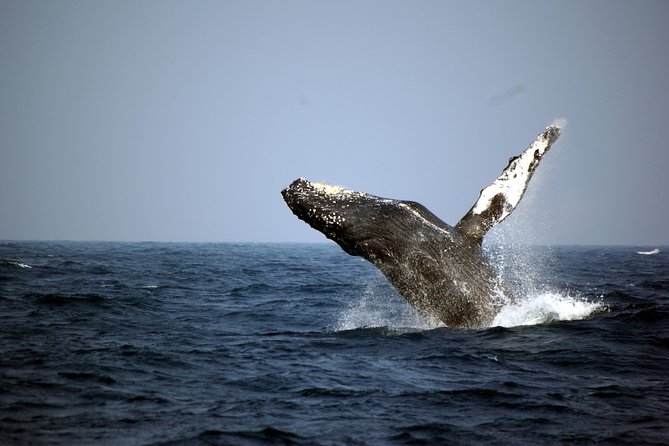
- Quick run to the whale zone: instead of spending hours drifting, you travel fast and then get more time looking around.
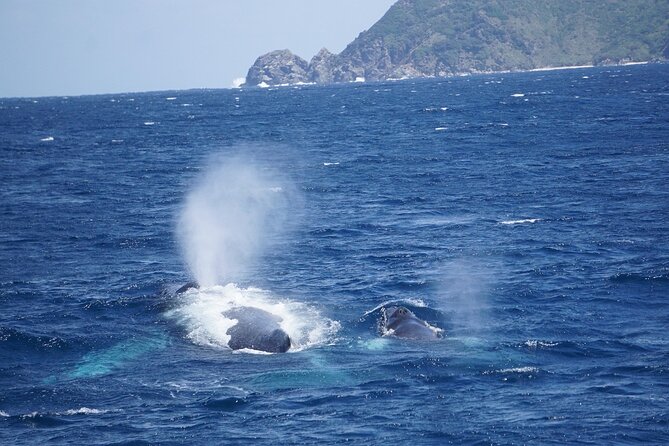
- On-water whale cues: you learn what whale blow looks like, then you watch for it popping up around you.
- Close, ship-level viewing: whales may appear right alongside, and you can even get sprayed as they pass near the boat.
- Comfort extras that matter: toilet onboard, free drinks, binoculars and a blanket, plus life jackets are included.
- Small-group feel: up to 13 people, with a minimum of 3 needed for the sailing.
Getting to the Point From Zamami Port
This whale watching outing is based in Zamami-son, with the meeting point at the Zamami Port Ferry Terminal, inside Zamami Mun Market (1-1). The tour then returns you to the same meeting point at the end, so you’re not stuck figuring out complicated transport afterward.
You’ll start by getting aboard your watching boat and settling in. The schedule is built around short travel time once the whales are located. There’s also a practical connection if you’re coming from Naha: the info notes a 50-minute high-speed boat from Tomari Port to this region, which is useful for planning the rest of your day.
The experience length is about 2 hours 30 minutes. That’s a nice sweet spot: long enough for a real hunt and real watching, but not so long that you’re cooked by the sun, wind, or fatigue.
The Fast Whale-Spotting System: Search Decks to Your Boat
What makes this trip feel efficient is the workflow. Specialist staff search the ocean area from multiple observation decks overlooking the water. Once they spot whales, they contact the ship and head straight toward the area where the action is likely.
That matters because whale sightings are a timing game. If you spend too much time repositioning, your best chance to watch tends to shrink. Here, the goal is to give you more time at the viewing point with a short trip from the port.
After a brief lecture (more on that below), you’ll head out for roughly 30 minutes to get to the whale watching point. Then you’ll shift to a position where you can watch easily from the boat and start scanning as your eyes get used to the ocean.
In practice, this kind of approach helps you stay engaged. You’re not just waiting. You know a search is happening, and then you’re actively watching for the signals right when your eyes are fresh.
360° Watching: Blow, Close Passes, and the Surprise Factor
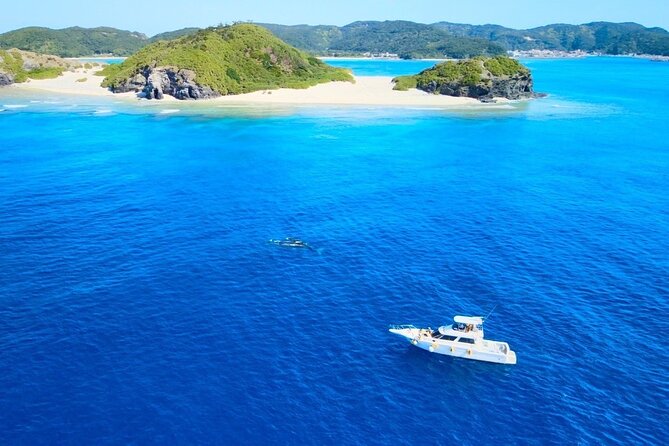
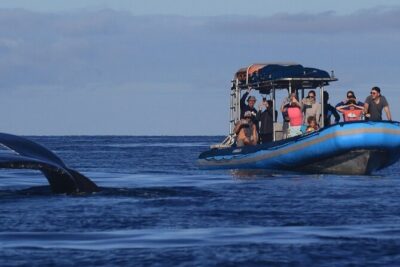
Once you’re at the point, the watching part turns into a full-on 360° sport. The description is blunt about it: you don’t know where a whale will appear from—so you’re encouraged to look everywhere.
A helpful first step is focusing on the whale blow, called burou in the tour notes. It’s the water vapor you see when a whale exhales near the surface. Learning the visual cue early is a big deal for first-time whale watchers, because it trains your eye to notice something small before you interpret what you’re seeing.
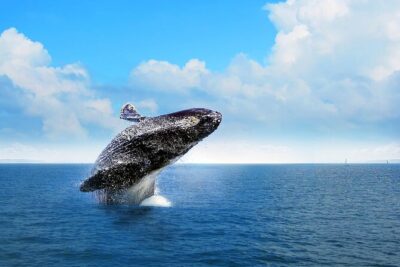
Then comes the show. You might see whales:
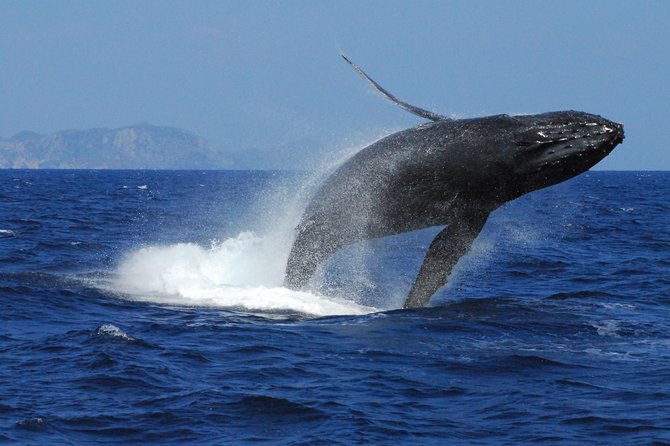
- surfacing and showing actions near the boat
- passing close enough that you can see them without the “too far away” problem
- appearing alongside the ship, where you might even get sprayed with water
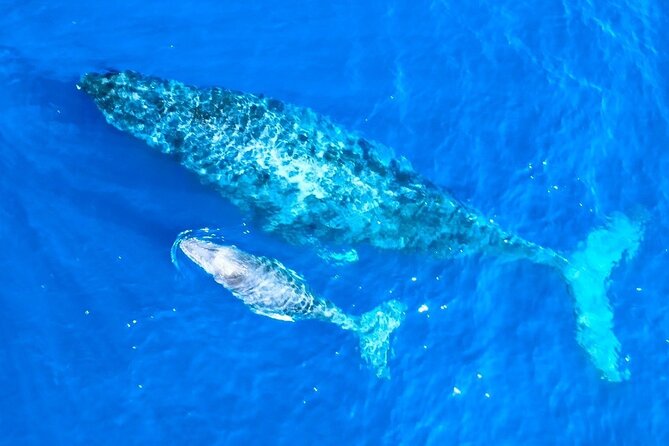
One of the coolest moments people describe is the family behavior angle—watching a mother and calf together. You don’t just get big animal sightings; you get a sense of the relationship, plus the energy of a young whale moving through the water.
Even if whales don’t come close every minute, the boat being positioned at a likely spot means you’re not waiting forever for something to happen.
What It Feels Like on Board: Toilet, Drinks, Binos, Blanket
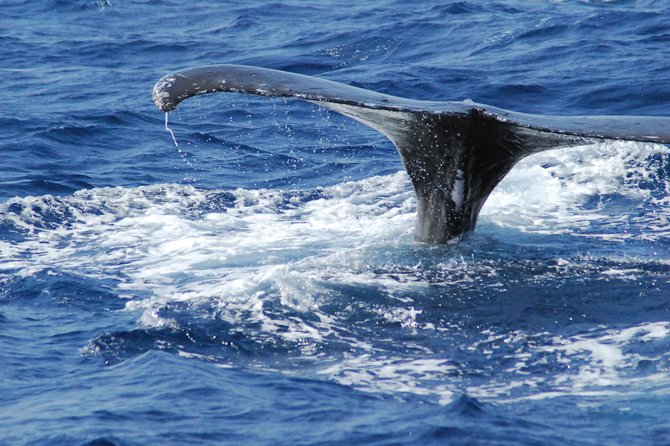
Boat comfort can make or break whale watching. On this trip, I’d call out the practical extras right away.
You get:
- free drinks
- binoculars (so you don’t have to squint)
- a blanket (useful when wind kicks up)
- life jacket rental
- photos taken during the tour
The boat also has a toilet, which is a big quality-of-life upgrade. On trips that are mostly out on the water, that single detail often matters more than people expect.
Also, the group is capped at 13. That tends to keep lines and crowding manageable, and it makes it easier to find your own watching position rather than fighting for space every time a whale resurfaces.
One note: participation rules mention that you must be able to board, move, and handle the rocking nature of the boat. If you have any issues with balance or motion, read that carefully before you book.
The Whale Ecology Briefing: Why It Helps You Spot More
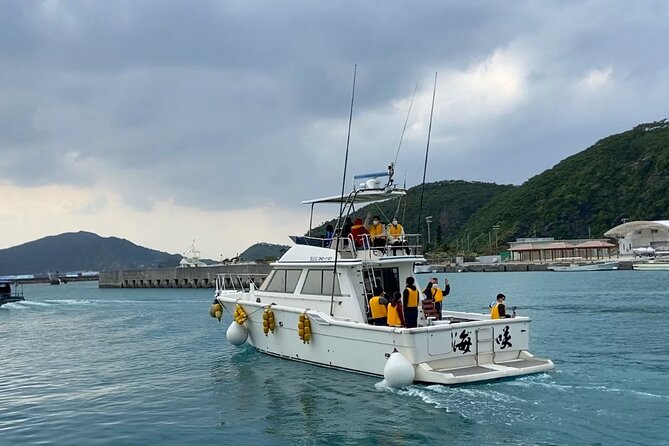
Before you head out, you’ll get a short lecture on whale ecology. The exact content isn’t spelled out in the details, but the intent is clear: it’s there to help you understand what you’re seeing once you reach the watching point.
And it works with the rest of the format:
- you learn the basics of whale behavior
- you learn the burou cue
- then you apply it immediately as you scan the 360° area
This is the difference between watching whales as vague shapes and watching them as animals doing specific things. When you understand what the blow means, what surfacing behavior suggests, and why you might see repeated actions, you feel more connected to the sighting—not just lucky.
Timing and Season: When Kerama and Zamami Are Most Active
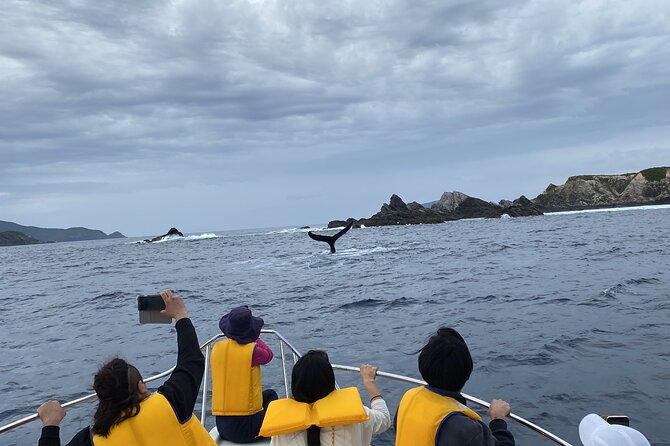
This whale watching is seasonal. The info provided notes it runs in 2024 from January 5 to the end of March.
Why does that matter? Because you don’t want to plan Zamami expecting a year-round guarantee. If you’re traveling outside that window, you’ll need a different activity or a different dates-based option.
Weather also controls the experience. The tour requires good weather, and if it’s canceled due to poor conditions, you’ll be offered another date or a full refund.
If you’re booking as part of a longer Japan trip, I’d build flexibility into your schedule during late winter/early spring. That’s when you’ll be set up for the best chance—and also for fewer weather-related surprises.
Price and Value: What You’re Paying For (And What You Aren’t)
The price is listed at $86 for the watching experience, lasting about 2 hours 30 minutes.
Here’s what that price covers:
- watching experience fee
- facility and boarding fees
- life jacket rental
- free drinks
- binoculars and a blanket
- photos taken during the tour
Not included: the ship usage fee to Zamami Port. So your total trip cost depends on how you’re getting to the port area in the first place.
That said, the value is strong because the included items are the things you’d otherwise pay for or bring yourself. You’re getting gear, comfort items, and the staff-led search process that gives you the time-on-water that matters.
If you’re already traveling in Okinawa and you’ll be near Tomari Port and Zamami anyway, this can be a very efficient way to add a major wildlife highlight without turning it into a half-day logistics project.
Pair It With Kayak or Snorkel for a Full Day
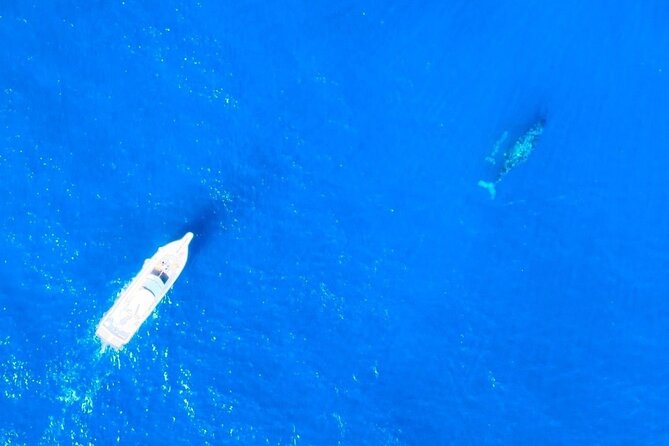
One of the best parts of Zamami is that it’s easy to turn a whale watch day into a whole ocean day.
The info explicitly says you can combine this with an optional kayak or snorkel tour, so you can spend more time on and in the water around Zamami Island. That’s a smart pairing because:
- you see whales on the surface with the boat
- then you switch to quieter water activities where you can focus on the underwater world
Even if you don’t snorkel, the general idea holds: don’t treat the island like a one-and-done stop. Plan to stay and keep moving through the day.
There’s also a hint from the operator’s reply that evening here can be special too, with chances for sunset and stars at night when you stay overnight. It’s not part of the tour itself, but it’s good travel advice when you have the schedule flexibility.
Who Should Book This (And Who Should Skip It)
This trip is for you if you want:
- close-up whale viewing opportunities
- a guided search method that targets the whale area quickly
- comfort touches like drinks, binoculars, blankets, and a toilet onboard
- a small-group experience (up to 13)
It’s also a good fit for people who like structure: the pace is purposeful—search, briefing, quick run out, then active scanning.
It may not be for you if you:
- can’t board and get off the boat on your own
- can’t move safely on a rocking ship
- have health conditions or restrictions listed in the rules (including pregnancy/potential pregnancy, certain respiratory or heart conditions, and other safety-related exclusions)
- are under 3 or over 80
Also note: the minimum group size is 3. The tour won’t run if the minimum isn’t met on your date, so you might want to keep a backup date in mind.
Should You Book Kerama Islands and Zamami Whale Watching?
I’d book this if you’re traveling during the seasonal window and you want a whale experience that’s built for real viewing time. The fast run to the likely whale area, the staff search system, and the onboard comfort details (especially the toilet and the included gear) all point to a trip designed for actual sightings, not just a boat ride.
If you’re sensitive to boat motion or you don’t meet the health/safety participation rules, skip it and choose an alternative on land. For everyone else who can handle the boat and the scanning, this is one of those experiences where your biggest question won’t be whether you’ll see whales—it’ll be where you should look first when something pops up near the ship.
FAQ
How long is the whale watching tour?
It’s about 2 hours 30 minutes (approx.).
Where do I meet for the tour?
Meet at the Zamami Port Ferry Terminal, located inside Zamami Mun Market at 1-1 Zamami.
Is pickup offered?
Pickup is offered.
When does the tour run?
In 2024, it runs from January 5 to the end of March.
How do sightings work on the water?
Specialist staff search the ocean area from observation decks and contact the ship once whales are found. Then the boat heads directly to the viewing point.
What equipment and comforts are included?
Included are life jacket rental, free drinks, binoculars and a blanket, and photos taken during the tour. The boat is also equipped with a toilet.
What should I wear or bring for a comfortable ride?
You’ll get a blanket, but you should still dress for wind and sea spray since whales can appear close to the boat.
How many people are required for the tour to operate?
The minimum number of participants is 3. The info also notes that up to 2 people can participate on the date determined, and you should consult if you have only 2 people.
Are there age or health restrictions?
Yes. People under 3 and over 80 are not allowed, and there are safety exclusions listed for certain health conditions, pregnancy or possible pregnancy, and other situations that affect safe participation.
Can I combine it with other activities on Zamami Island?
Yes, you can combine it with an optional kayak or snorkel tour to spend more of the day on Zamami Island.