REVIEW · VANCOUVER ISLAND
Covered Boat Whale Watching 6-Hour Tour from Campbell River
Book on Viator →Operated by Campbell River Whale Watching & Adventure Tours · Bookable on Viator
Whales off Vancouver Island happen fast. This 6-hour coastal cruise from Campbell River pairs a naturalist’s on-the-water context with time in marine-life-rich areas where you’re actively watching for whales and sea lions. I really like the small-group vibe (max 12), because it keeps the day calmer and gives you more chances to look out without feeling packed in.
The one thing to plan around is weather. This trip requires good conditions, and if it gets canceled for poor weather you’ll be offered a different date or a full refund.
I also like that the tour stays practical for real life: you get floater suits, plus lunch and snacks on the day, with an onshore break that helps families and kids keep their energy up.
In This Review
- Key things to know before you book (Campbell River 6-hour cruise)
- Entering the water from Campbell River: timing, duration, and the “how it feels” schedule
- Why the naturalist guide matters more than you think
- Cape Mudge Lighthouse and the Quadra Island pass: a scenic start before the wildlife watching
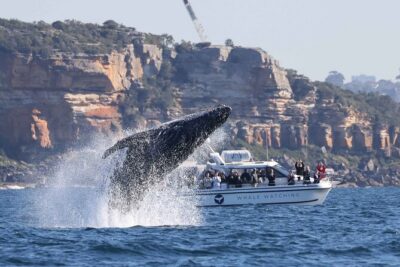
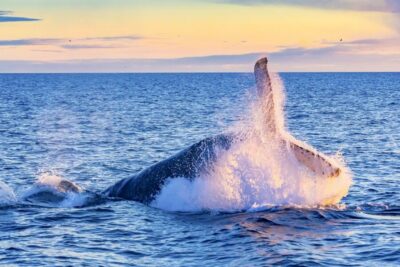
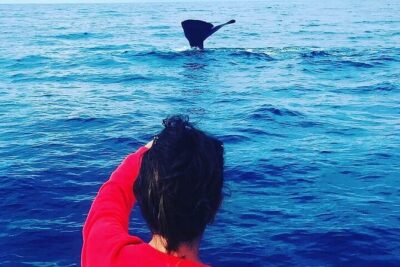
- Spotting whales and sea lions from a small boat: what to expect on the water
- Lunch on shore and the snack plan: staying warm, fed, and focused
- Price and value: what $270.91 buys you in a 6-hour whale watch
- Who should book this tour from Campbell River (and who might want a different plan)
- Should you book this 6-hour Campbell River whale watching tour?
- FAQ
- How long is the whale watching tour from Campbell River?
- What time does the tour start?
- Where does the tour meet?
- Is there a mobile ticket?
- What’s included with the price?
- How many travelers are on the tour?
- What language is the tour offered in?
- Is lunch included and is there an onshore break?
- What happens if the weather is poor?
- What’s the cancellation policy?
Key things to know before you book (Campbell River 6-hour cruise)
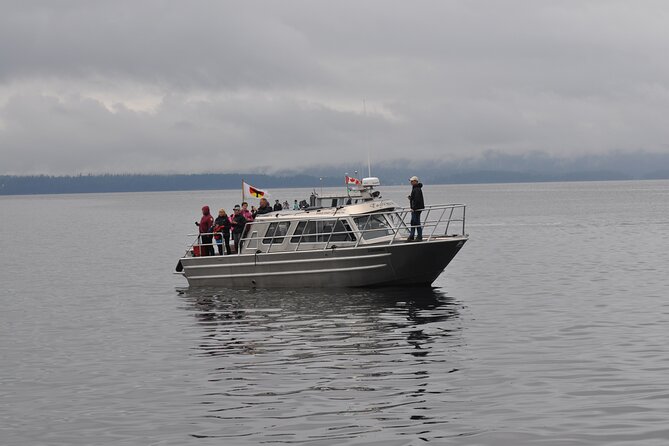
- Small-group cap of 12: less noise on the water and more eyes on the horizon.
- Naturalist guide included: you’re not just scanning for spouts—you get explanations that help you understand what you’re seeing.
- Cruise time focused on marine life: the schedule is built around being out where whales and sea lions are most likely.
- Cape Mudge Lighthouse pass by Quadra Island (on the way south): a scenic navigation moment before you start serious wildlife watching.
- Floater suits, lunch, and snacks: comfort and meals are part of the value, not add-ons you have to hunt for.
- English-language tour: confirmation is provided at booking, with a mobile ticket for check-in.
Entering the water from Campbell River: timing, duration, and the “how it feels” schedule
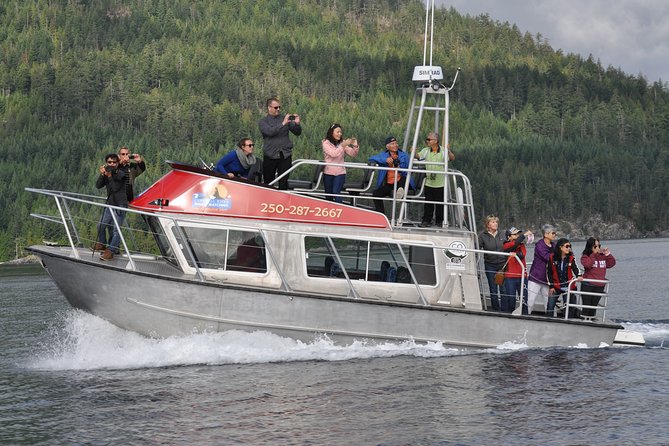
This is a 6-hour tour starting at 9:00 am, with pickup at the Campbell River Whale Watching and Adventure Tours E Dock in Campbell River. It ends back at the same meeting point, which is handy because you don’t have to rearrange your day around a long, complicated return.
The big thing I’d keep in mind is that you’re paying for time on the water, not just a short sightseeing stop. Six hours is long enough to do more than one section of coastline and to take breaks when conditions require it. That matters for whale watching, because wildlife spotting isn’t guaranteed on any given day—you’re really buying the odds that come from being out there for a meaningful stretch.
Also, this tour is family friendly and built for a broad range of participants, with the note that most travelers can participate. That’s consistent with a format that includes floater suits and an onshore lunch break. In other words: they plan for people who want the experience, not a survival contest.
One more practical note: this tour tends to be booked fairly far ahead (on average, about 68 days). If you’re traveling in peak months or you have a tight itinerary on Vancouver Island, you’ll want to reserve early so you aren’t stuck with limited dates.
You can also read our reviews of more tours and experiences in Vancouver Island.
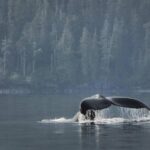
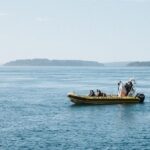
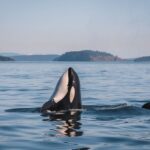
Why the naturalist guide matters more than you think
A whale watching day can turn into either a lot of staring or a lot of learning. The reason this cruise feels worthwhile is the naturalist guide who explains what’s happening along the coast as you cruise. That context changes the whole experience. Instead of just trying to identify animals at a distance, you start to understand why certain areas might be better, what behaviors mean, and how marine life ties together along the shoreline.
You can also see how the itinerary supports that. The highlights emphasize time in areas rich with marine life, plus active lookout for whales and sea lions. That’s the core of the day, and the guide’s role is to help you interpret what you spot—like how to read movement on the water or what a particular sighting could indicate.
Small-group format helps here too. With 12 travelers max, you’re more likely to have room to shift your position for better views, and the guide can spend a bit more time answering questions instead of trying to herd a crowd. On a cruise, comfort and attention are everything, and this setup leans into both.
Cape Mudge Lighthouse and the Quadra Island pass: a scenic start before the wildlife watching
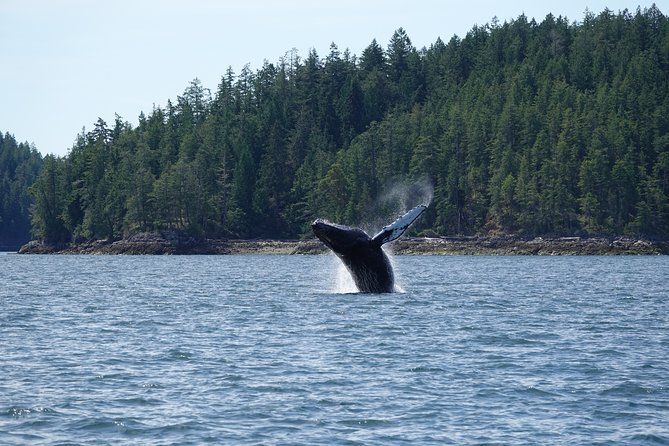
One unique detail in the routing is that if the boat travels south of the marina, you’ll pass by the Cape Mudge Lighthouse on Quadra Island. Even if whales are the headline, that lighthouse moment gives you something grounding and scenic early on.
Why I like this kind of navigation detail: it turns the morning into a real experience, not just a waiting period until the first sighting. You get an established landmark, plus a sense of place—this is Vancouver Island’s coastline, with real geography you can point to, not just an open-water blur.
It’s also a good reminder that whale watching isn’t only about reaching a spot. You’re living the route. Coastlines shape currents, feeding patterns, and how animals move, and a cruise that spends time along the way (instead of rushing straight out) gives you more opportunities for sightings and natural moments along the coast.
The tradeoff? Because route decisions may depend on conditions, you shouldn’t assume every day will feature the same exact passage. But you can still look at the lighthouse detail as a strong sign they plan for both wildlife and scenery.
Spotting whales and sea lions from a small boat: what to expect on the water
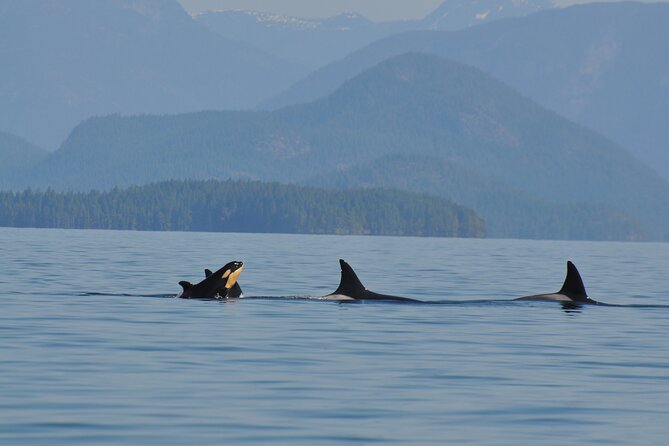
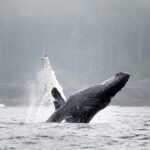
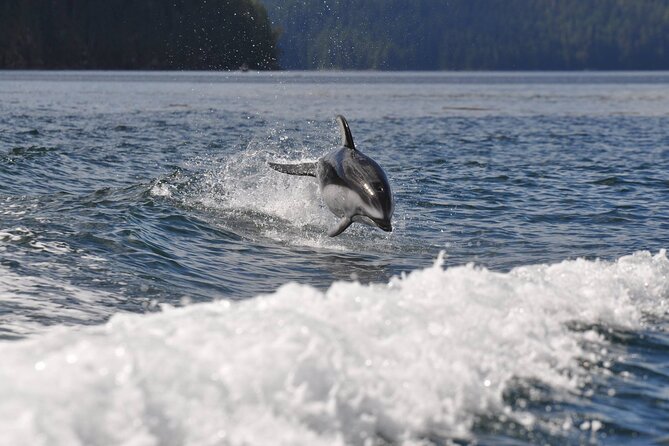
The heart of the tour is watching for whales and sea lions while you cruise areas known for marine life. This isn’t a “blink and you miss it” experience. You’re given time, plus a naturalist to help you interpret the coastline and what you’re seeing.
Here’s how to make the day work in your favor. Keep your eyes moving, but don’t burn out. Do quick scans along the horizon and then pause. Many sightings show up for moments, not minutes, and the people who get the most out of a whale watch tend to stay patient without staring straight at one spot for the whole trip.
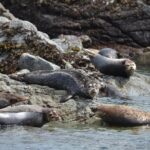
Also, sea lions can be easier to catch than whales in many coastal regions, because they’re often more visible and active near the surface. Even on days when whales are slower to appear, you can usually still enjoy strong marine-life energy—especially with repeated time in promising areas.
Bird lovers should also be ready for moments in the air. One rider described the eagles as breathtaking, noting their numbers and magnificence. I can’t promise any specific bird species on any given day, but it’s a helpful reminder that a wildlife cruise doesn’t stop at whales.
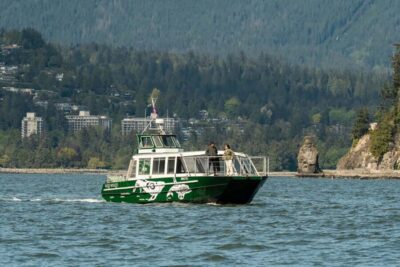
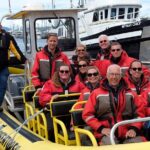
Finally, remember the boat ride itself is part of the experience. This tour includes floater suits, which helps you feel steadier and more comfortable as conditions change. That means you can stay focused on watching, not on worrying about getting cold or wet.
Lunch on shore and the snack plan: staying warm, fed, and focused
A lot of boat tours expect you to either pack your own food or “figure it out.” This one takes care of the basics. You get lunch, plus coffee and/or tea, bottled water, and snacks. That’s not just convenience—it’s energy management. When you’re spending hours scanning water and waiting for sightings, a steady supply of food and warm drinks keeps morale up.
The highlight also notes an onshore break for lunch. That matters because it gives you a reset. You’re not stuck on the boat the whole time, and if weather or sea conditions require a pause, you have a built-in moment to step off and breathe.
For families, that onshore break is a big deal. Kids do better with a chance to stretch and refuel. For adults, it’s still helpful. Watching wildlife can be oddly tiring, even when you’re excited, and lunch keeps you from getting grumpy later in the afternoon.
What I’d suggest before you go: treat the day like a long outdoor activity rather than a quick excursion. Bring the layers you’ll want, expect conditions to vary, and use the comfort offerings on board (floater suits) so you can focus on the wildlife part of the trip.
Price and value: what $270.91 buys you in a 6-hour whale watch
At $270.91 per person, this is not a cheap outing. But it also isn’t just a short boat ride with a camera spiel. You’re paying for a naturalist-guided experience, time in marine-life areas, and a full set of inclusions that can easily add up on your own.
Here’s what’s included based on the tour details:
- Floater suits
- Lunch
- Coffee and/or tea
- Bottled water
- Snacks
When I judge value, I look at how much you’d otherwise spend and how much hassle you’d otherwise face. If you’re forced to buy everything separately, you end up paying extra and losing time. Here, meals and key comfort gear are built in, which makes the day smoother.
You’re also paying for a format designed around attention and comfort: maximum 12 travelers and a family friendly pace. That matters because whale watching can be frustrating in crowded settings. A small-group cruise tends to feel like you’re sharing the ocean with a handful of people, not elbowing through a lineup.
One more value factor: this tour is booked fairly far in advance on average. That’s often a sign it hits a specific sweet spot—good timing, a solid experience format, and the kind of coastline people plan their Vancouver Island trip around.
Who should book this tour from Campbell River (and who might want a different plan)
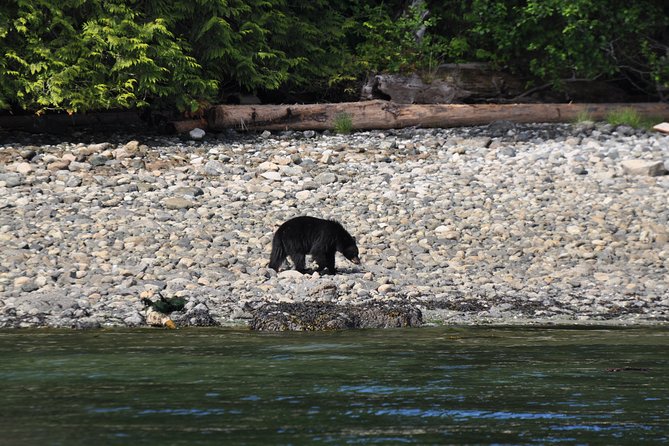
This cruise is a strong match if you want a peaceful, small-group whale watching outing with expert context and real time on the water. It’s family friendly, with lunch and an onshore break, and the inclusion of floater suits suggests they’re set up for comfort in typical coastal conditions.
It’s also a good fit if you like nature explanations. The naturalist component isn’t a side note—it’s part of what makes the sightings more meaningful.
Who might reconsider? If you’re the type who needs guaranteed animal encounters no matter the day, you’ll still want to know that wildlife spotting depends on conditions. This tour requires good weather, and if conditions aren’t right, you’ll be offered another date or a full refund. That uncertainty isn’t a problem for most people—it’s just a reality of the ocean.
Also, if you hate being on boats for hours, six hours may feel like a commitment. But with floater suits, snacks, and a lunch break, it’s set up to feel manageable for many people.
Should you book this 6-hour Campbell River whale watching tour?
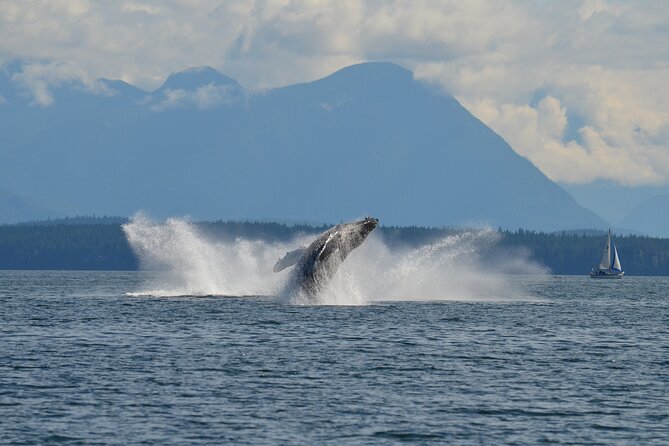
Yes—if you want an experience that balances wildlife watching with comfort, food, and a guide who helps you make sense of what you’re seeing. The combination of small-group size (max 12), naturalist-led context, and included gear (floater suits) makes it feel designed for real enjoyment, not just checking a box.
If your schedule is tight, book early since it’s often reserved well ahead of time. And keep one mental rule: watch the weather window, because this activity runs best when conditions are good.
If you can handle the reality that the ocean is unpredictable, this is a strong way to spend your day on Vancouver Island—out on the coast, with time to actually look.
FAQ
How long is the whale watching tour from Campbell River?
The tour is about 6 hours.
What time does the tour start?
The start time is 9:00 am.
Where does the tour meet?
It meets at Campbell River Whale Watching and Adventure Tours E Dock, Campbell River, BC, Canada.
Is there a mobile ticket?
Yes, the tour offers a mobile ticket.
What’s included with the price?
Floater suits, lunch, coffee and/or tea, bottled water, and snacks are included.
How many travelers are on the tour?
The maximum group size is 12 travelers.
What language is the tour offered in?
The tour is offered in English.
Is lunch included and is there an onshore break?
Lunch is included, and the tour includes an onshore break for lunch.
What happens if the weather is poor?
This tour requires good weather. If it’s canceled due to poor weather, you’ll be offered a different date or a full refund.
What’s the cancellation policy?
You can cancel for free up to 24 hours in advance for a full refund. If you cancel less than 24 hours before the start time, the amount you paid will not be refunded.