REVIEW · ST JOHNS
Newfoundland Puffin and Whale Watch Cruise
Book on Viator →Operated by Gatheralls Puffin and Whale Watch · Bookable on Viator
Puffins, whales, and icebergs—what a mix. This Newfoundland Puffin and Whale Watch Cruise takes you out of St. John’s toward Witless Bay on a roomy catamaran, with live narration and time on the island where seabirds nest. I love that it’s built for real wildlife viewing, not just cruising past water from a cramped boat.
The onboard experience is what made it feel special for me. You’ll hear crew and naturalists through wireless mics, and many sailings add Newfoundland-style music and storytelling (people even mention the screech-in ceremony on the way back). I also like that the catamaran has an interior cabin for weather swings, so your trip doesn’t instantly turn into a misery test.
Here’s the one thing to keep your expectations grounded: whales and icebergs can’t be guaranteed, and a full boat can make it harder to see every surface at once. If you’re unlucky on whales, you can still have an excellent day—just don’t count on humpbacks as the only reason you’re going.
In This Review
- Key things to know before you go
- St. John’s to Bay Bulls: getting on the water without fuss
- Why this route hits so well: Iceberg Alley to the Witless Bay Reserve
- Stop-by-stop: what happens along the way
- Stop 1: Getting set at Gatherall’s and heading out
- Stop 2: Bay Bulls (Bull Head) for scenery and coastal context
- Stop 3: Witless Bay Ecological Reserve and time at sheltered island areas
- Puffins and seabirds: the island moments you’ll remember
- Whale season expectations (and how to maximize your chances)
- The catamaran experience: comfort, commentary, and Newfoundland fun
- Price and value: is $94.06 worth it?
- Who should book this cruise?
- Should you book Gatherall’s Puffin and Whale Watch? My honest take
- FAQ
- How long is the cruise?
- Where does the tour depart?
- Is hotel pickup included?
- What’s included in the price?
- Is there a washroom on board?
- When are puffins most likely to be seen?
- When are whales most likely to be seen?
- Are whales or icebergs guaranteed?
- Does the cruise run in bad weather?
- Is there free cancellation?
Key things to know before you go
- Iceberg Alley timing matters: ice is most likely May–June, puffins mid-May–mid-September, and whales peak mid-June–mid-August.
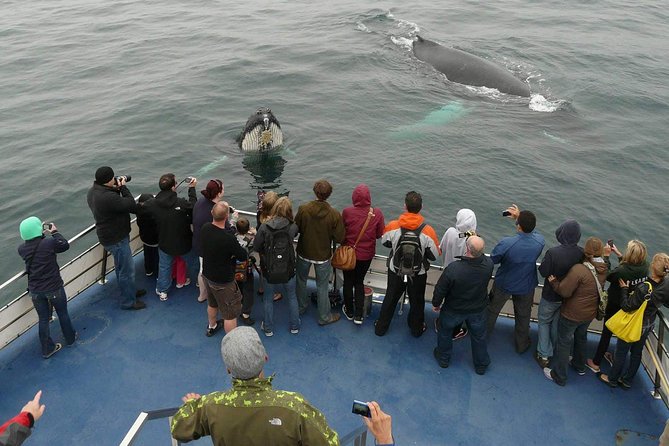
- A large catamaran means better viewing: up to about 100 people on outside decks, plus an indoor space if conditions shift.
- Live wildlife commentary in real time: wireless microphones let you ask questions and get answers on the move.
- Time at the reserve for photo moments: the boat stops along sheltered areas so you can watch nesting sites up close.
- Bring layers and binoculars: it can feel cold and windy even when St. John’s is warm, and binoculars help when the boat is busy.
- Pickup is sometimes paid and can be confusing: some people report hotel pickup wording needs confirmation directly.
St. John’s to Bay Bulls: getting on the water without fuss
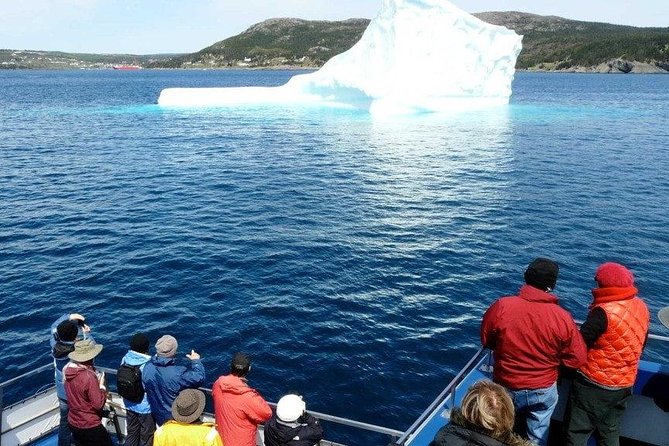
Your adventure starts in the St. John’s area, but the boat departs from a private dock in Bay Bulls, about 25 minutes from downtown. On-site parking is free, which is a big deal if you’re driving or renting a car.
If you want hotel pickup, it’s offered from select hotels, but it’s not automatic. You’ll want to confirm details directly with Gatherall’s ahead of time, and if you booked through a third party, double-check that pickup is actually included in what you paid.
One practical tip: even when you’re “just” heading to the dock, build in time to slow down and get your bearings. The cruise is short (about 1 hour 30 minutes, sometimes closer to 2 once wildlife gives you extra time), so being on schedule matters.
Why this route hits so well: Iceberg Alley to the Witless Bay Reserve
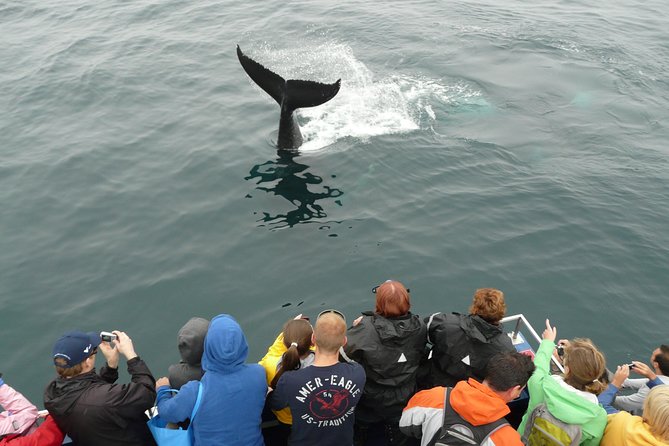
The big geographic story here is Iceberg Alley. Icebergs drift from Greenland in spring and summer, and by the time they reach this area they’ve been sculpted by ocean, waves, and shoreline into shapes you’ll actually want to photograph.
Then you shift into Witless Bay Ecological Reserve, a wildlife-rich corner of the North Atlantic where you’re looking for more than one species. You’re in the place that supports massive seabird numbers—information shared on board points to over 2.5 million seabirds—and it’s also home to one of the region’s whale populations.
This matters for your expectations. A whale-watching day here is never only about “spotting a whale.” Often, the seabirds and the whole coastal ecosystem are the main event, and whales are the bonus when they decide to show up.
Stop-by-stop: what happens along the way
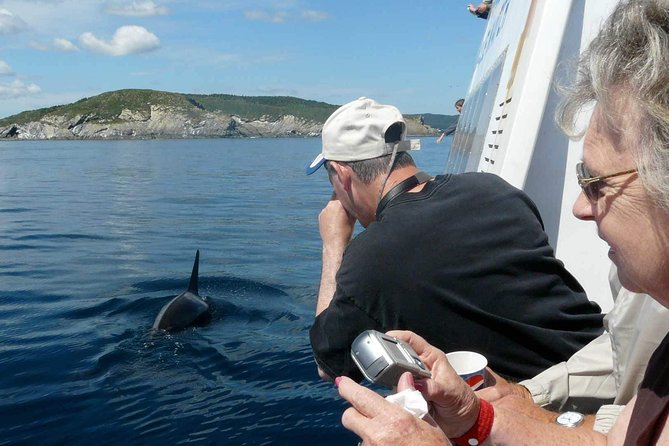
Stop 1: Getting set at Gatherall’s and heading out
Before you’re cruising, you’ll do a pre-departure safety briefing and step aboard from the dock. Safety gear is provided, and the boat also has washroom access, which sounds basic until you’re on the North Atlantic and want to keep your comfort high.
This first stretch is when you’ll get your bearings on where to stand, where to sit, and how to plan your viewing. If there are people crowded around a particular side, move early rather than waiting until you see the first action.
Stop 2: Bay Bulls (Bull Head) for scenery and coastal context
You’ll pass through the Bay Bulls (Bull Head) area as part of the run toward the reserve. Even if this isn’t a long “tour stop,” it helps you understand how the coast frames the wildlife—birds nest on islands close enough to feel connected to the boat, not distant like a postcard.
If you like photography, this is where you can start watching for the small tells: birds circling, sudden flurries of movement, and where the wind is pushing your best viewing.
Stop 3: Witless Bay Ecological Reserve and time at sheltered island areas
This is the core of the cruise. The catamaran takes you into the reserve and then stops along sheltered island areas. That gives you a better chance to see nesting sites and watch seabirds in their natural rhythms instead of only scanning from open water.
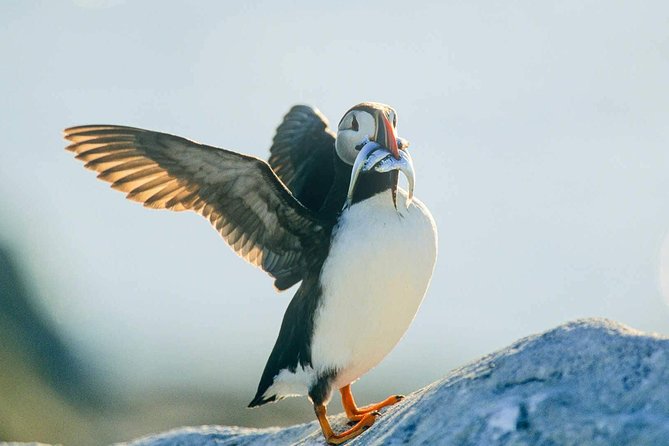
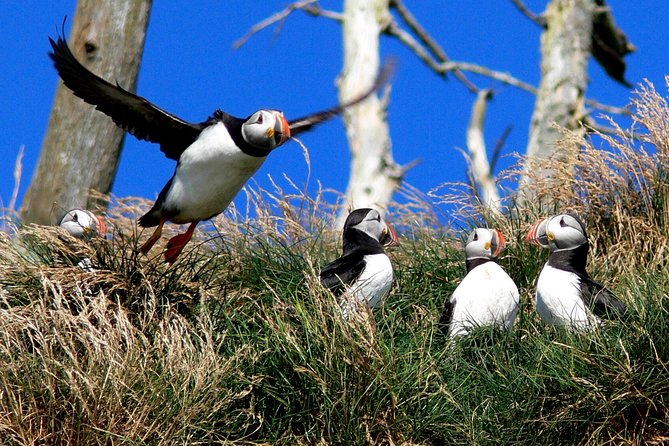
You might see species like Atlantic puffins, common murres, black guillemots, northern gannets, greater shearwaters, and northern fulmars. The exact mix can vary with the time of year, but the overall feel is consistent: lots of birds doing bird things.
One detail worth planning for: you may be told to stay seated or avoid standing during parts of the trip depending on sea conditions. It’s for safety and balance, not because the crew doesn’t want you to see wildlife.
Puffins and seabirds: the island moments you’ll remember
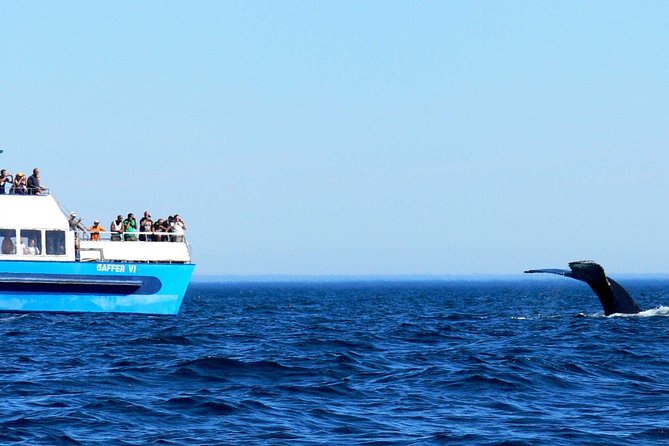
The puffins are the obvious draw, but what I like is how the day builds toward them. When the reserve activity is strong, the seabirds turn into a nonstop show: diving, calling, landing, and moving around their nesting sites.
Puffins are seasonal here—on the schedule you’re given, mid-May to mid-September is the window to expect them. Even outside peak puffin times, the reserve can still deliver a high density of other seabirds, and you’ll likely come away with more than one “wow” moment.
Bring real viewing support. Binoculars aren’t required, but they can massively improve what you notice on the fly—especially when the boat is full and people are trying to look over one another.
If you get a stop at places like Gull Island, you may also spot an onshore gift shop for souvenirs. It’s a small touch, but it’s handy for a quick reminder of what you just saw.
Whale season expectations (and how to maximize your chances)
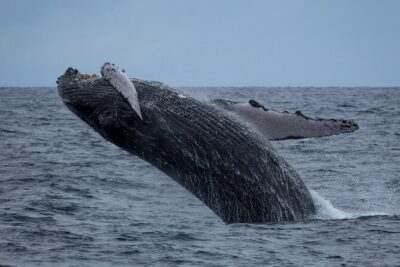
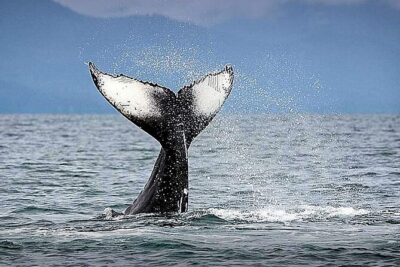
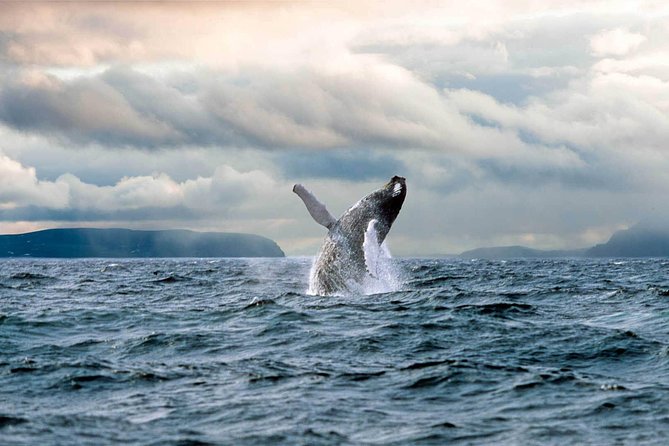
Whales are the headline, but the key word is seasonal. Peak whale watching is mid-June through mid-August, based on the timing shared for this route.
That said, your crew will do its best, and sightings really do happen—some people report seeing multiple whales, including close passes. But the cruise is honest about the truth: whales can’t be guaranteed, and sometimes a whale is spotted briefly and then disappears fast.
If you want the best shot at a viewing moment:
- Go to the viewing areas early and stay aware of where your sightlines are.
- Be ready for quick surface-to-diving cycles—when whales surface, it’s often seconds, not minutes.
- Follow crew direction on where to stand and when to stay seated if conditions shift.
Sea conditions also matter for comfort and your ability to keep watching. One helpful thing from real-life experience on this route: crew can be very supportive if someone gets seasick. That kind of support is worth having, even if you’re not expecting smooth sailing.
The catamaran experience: comfort, commentary, and Newfoundland fun
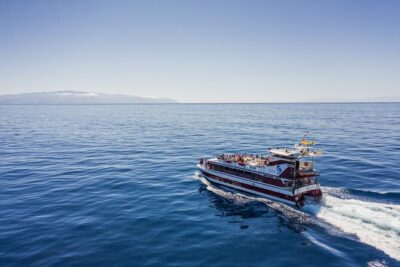
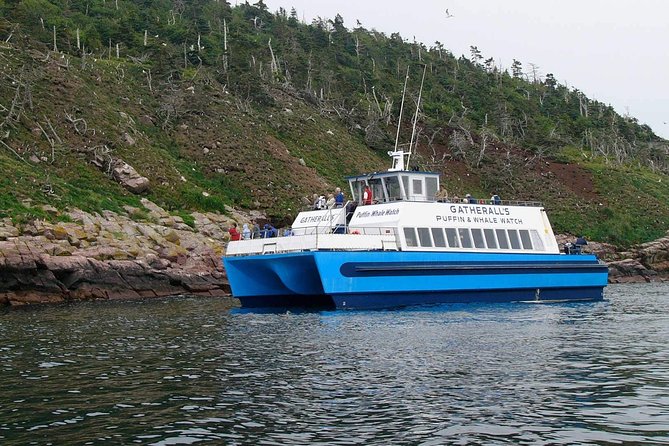
This cruise runs on a catamaran with ample outside viewing and enough inside space to keep everyone comfortable if weather changes. The big standout for the operation is size: the vessel can handle up to about 100 people on outside decks, plus an indoor cabin for everyone when conditions aren’t ideal.
That size can be a double-edged sword. On one hand, more people fit without feeling totally crushed. On the other, a full boat can become crowded at prime spotting angles, which is why I keep coming back to the advice: binoculars and early positioning help.
On board, you’ll hear commentary through wireless microphones, from crew and naturalists. The tone is interactive—people talk, ask questions, and get answers in real time. Many sailings also bring Newfoundland personality through songs and humor, including mention of the screech-in ceremony happening aboard during the return trip.
You might meet standout individuals. Reviews and onboard stories frequently name people like Janice and Joanne (often on transportation), and on-water staff such as Captain Al, plus guides like Jane, Rebecca, and Cole. Obviously, your specific crew will vary, but the pattern is consistent: the team aims to make the science fun and the stories human.
Price and value: is $94.06 worth it?
At about $94.06 per person, you’re paying for a short, high-impact outing with three things that can be hard to combine elsewhere: access to the reserve, real-time wildlife expertise, and a boat designed for viewing.
What makes the value feel strong is what’s included:
- local hosting and safety briefings
- safety equipment as required
- a washroom on board
- free parking at the dock
And what you’re not paying extra for (besides optional alcohol): you’re getting narration and interpretation that helps you spot more than just “big animals.” When you understand what you’re seeing—puffin behavior, seabird nesting habits, and why these waters matter—you get more meaning out of the time on the water.
One note on costs: public transportation from St. John’s is listed as CA$40.25 per person, which can make a cruise feel like it’s winning on convenience even if you’re weighing options. If you’re choosing car access, parking is already handled for you at the start point.
Also budget a little mental energy for the pickup story. Some people report confusion around whether hotel pickup is free when booked through certain channels. If pickup matters to you, confirm it directly so you’re not surprised at the dock.
Who should book this cruise?
This is a great fit if you want a single, focused wildlife hit without a long, complicated day. Families like it because the mix of birds, education, and onboard humor keeps kids engaged, and the boat’s interior gives you a fallback if weather changes.
Bird lovers should be especially happy. The reserve’s sheer seabird density is the kind of thing you can’t fully fake with a drive to a viewpoint.
If your dream is whales, aim for mid-June to mid-August and accept the natural odds. You’re buying a chance to be in the right place with experienced spotters, not a guarantee that humpbacks will surface on schedule.
Should you book Gatherall’s Puffin and Whale Watch? My honest take
If you’re choosing between doing nothing but scenic drives and booking a real wildlife outing, I’d book this. The combination of Witless Bay, the chance to see Atlantic puffins, and the lively, narrated onboard experience makes it feel like more than a boat ride.
Just go in with the right mindset. Whales are seasonal and unpredictable, and crowds can affect sightlines. If you bring layers, binoculars, and patience for nature’s timing, you’ll likely leave thinking the seabirds alone were worth the trip—and you’ll be thrilled if the whales cooperate.
If your travel dates line up with peak whale season, this becomes even more tempting. If not, don’t worry: the reserve is still the star, and puffins and seabirds can absolutely carry the day.
FAQ
How long is the cruise?
It runs for about 1 hour 30 minutes (approx.). Some passengers report spending closer to 2 hours onboard depending on conditions and wildlife activity.
Where does the tour depart?
The cruise departs from a private dock in Bay Bulls, about 25 minutes from downtown St. John’s.
Is hotel pickup included?
Transportation from select hotels is available for an additional fee, and it must be confirmed in advance (you’ll be asked to confirm at least two hours ahead by contacting Gatherall’s). Some third-party booking pages may be confusing, so it’s smart to confirm directly.
What’s included in the price?
Your tour includes hosting by an experienced local guide, a pre-departure safety briefing, safety equipment, free parking on site, and a washroom onboard.
Is there a washroom on board?
Yes. The vessel is washroom equipped.
When are puffins most likely to be seen?
Puffins are expected mid-May to mid-September.
When are whales most likely to be seen?
Peak whale watching is mid-June through mid-August.
Are whales or icebergs guaranteed?
No. Whales and/or icebergs cannot be guaranteed on any given cruise.
Does the cruise run in bad weather?
It operates in all weather conditions, so you should dress appropriately.
Is there free cancellation?
Yes. You can cancel up to 24 hours in advance for a full refund. If the activity is canceled due to poor weather, you’ll be offered a different date or a full refund.