REVIEW · SESIMBRA
Sesimbra: Dolphin and Whales Watching with Biologist Guide
Book on GetYourGuide →Operated by Bolhas Tours · Bookable on GetYourGuide
Dolphins show up often in Sesimbra. On a biologist-led speedboat out of Sesimbra’s harbor, you’re guided into the Arrábida area and taught how cetaceans behave, not just how to wait for a sighting. The cruise also covers the Arrábida UNESCO Biosphere Reserve, where dolphins feed and move along key routes.
Two things I really like: the on-board talk is delivered by real experts and you’ll hear clear, practical explanations from guides like Rosa, and the experience includes a snorkel stop in a quiet bay (plus a pour of Moscatel sweet wine). One thing to keep in mind: this is a fast ride and it can get bumpy, so if you have medical issues or sensitive backs, you’ll want to think it through first.
In This Review
- Key highlights at a glance
- Why Sesimbra and Arrábida are such a good match for cetaceans
- Meeting Bolhas Tours in Sesimbra: what the start feels like
- The science part: how the biologist guide changes what you notice
- What you might see: dolphins, orcas, and whales by season
- Cruise time around Arrábida: the view is nice, but the rules matter
- The secret bay snorkel stop at Professor Luís Saldanha Maritime Park
- Moscato, caves, and coves: the coastal flavor you’ll remember
- Group size, speed, and who should rethink the ride
- Value check: is $64 for 3 hours actually a good deal
- Practical tips so your day goes smoothly
- Should you book this Sesimbra dolphin and whale watching tour?
- FAQ
- How long is the dolphin and whale watching experience?
- Where do I meet the tour?
- What is included in the price?
- Are there restroom facilities at the check-in centre?
- Is the tour wheelchair accessible?
- Are pets allowed on the tour?
Key highlights at a glance
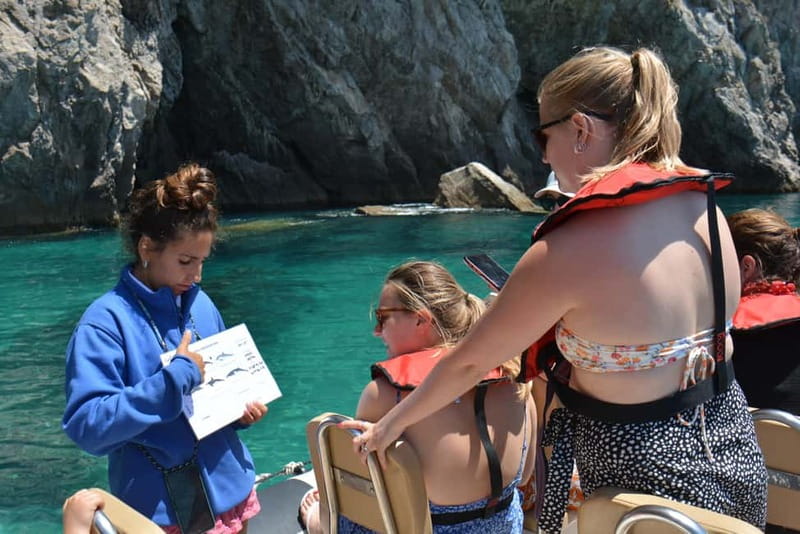
- Biologist-guided spotting: you get the how and why behind dolphin and whale behavior while you’re on the water
- Arrábida UNESCO Biosphere Reserve: cruising in protected waters with big marine movement patterns
- A real swim in a secret bay: snorkel mask and life jacket included for the stop at the coast
- Seasonal whale odds: minke, fin, and sei whales can show up mainly in spring/summer (with stated sighting averages)
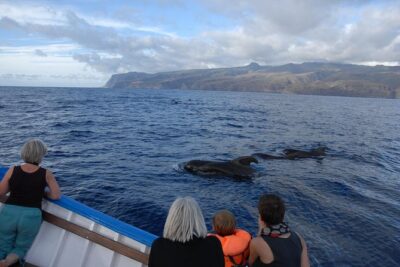
- Close-up dolphin encounters: frequent sightings, including cases where dolphins get relatively near the boat
- Small max group size: capped at 17 per boat for a more personal feel
Why Sesimbra and Arrábida are such a good match for cetaceans
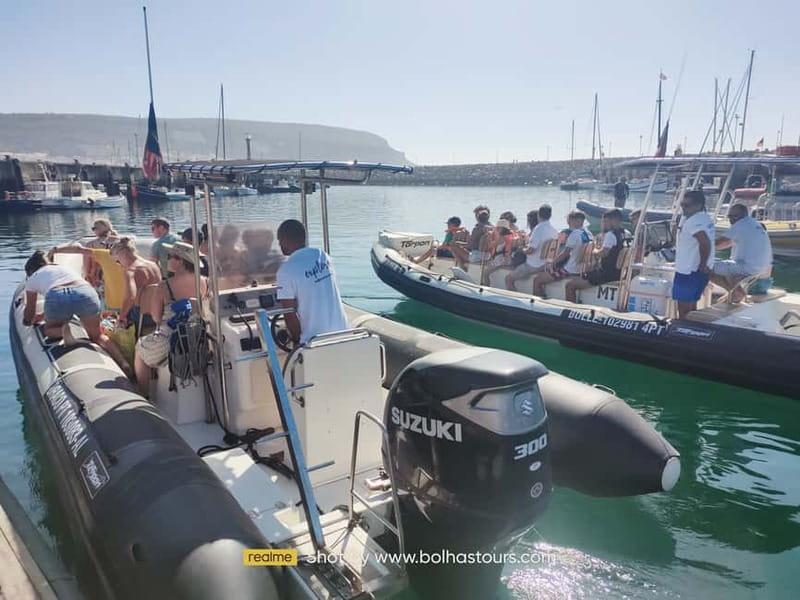
Sesimbra sits on Portugal’s Atlantic coast, and the water here connects food, migration, and breeding areas for marine mammals. What makes this tour work well is that it isn’t just a generic “go offshore and hope” plan. You cruise with a marine biologist guide who can point out what you’re actually seeing—surface behavior, group movement, and why dolphins might be where they are at that moment.
The Arrábida part matters too. This is a UNESCO Biosphere Reserve, meaning the area is protected and managed, not treated like an open highway for boats. You’re in the kind of ecosystem where animal behavior has a better chance of showing up naturally, because the region isn’t one big, noisy disturbance.
And yes, you’ll still come for the magic moment when a fin breaks the water. But I like that this tour gives you enough context to make the sighting feel personal instead of random.
Meeting Bolhas Tours in Sesimbra: what the start feels like
You’ll check in at Bolhas’s official marine centre in Sesimbra’s harbor area, with the meeting point listed as Avenida dos Náufragos. The early phase is practical: you’ll get a welcome, a safety briefing, and time to get your bearings before you’re out on the water.
Facilities make a difference on a boat day. The centre has toilets, a wifi/info area, and there’s free parking, which helps a lot if you’re driving in. If you’re doing this in cooler months, the centre can provide a wind jacket or sweater for free (useful when the sea breeze turns your shirt into a heater bill).
On board, life is kept simple. You’ll have life jackets and a snorkeling mask for the swim stop, and you’re also set up with water during the tour. If you’re the type who likes to be prepared, bring sun protection and think about what you’ll do if the wind picks up—because the sea can feel colder than the town.
The science part: how the biologist guide changes what you notice
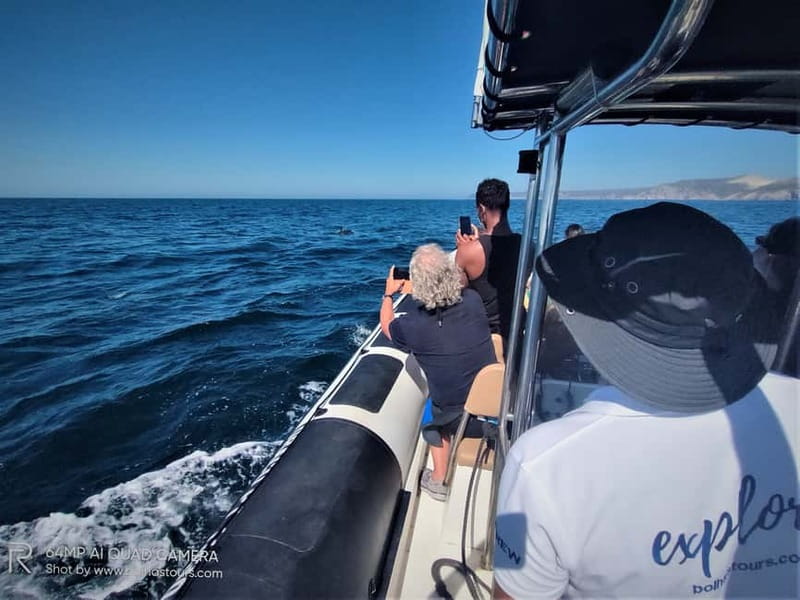
This is the heart of the value. A biologist doesn’t just name animals—they explain how to read them. During the cruise, you’ll be hearing about the dolphins and whales that use these waters, and what to look for while you scan the horizon.
Guides like Rosa (and other multilingual staff) tend to keep it interactive and question-friendly, so you’re not stuck with a one-way lecture while everyone stares silently at the water. From what you’ll experience, it’s the kind of explanation that helps you understand why dolphins might change direction quickly or why you see different pods at different times.
The tour also keeps the pacing sane for a short 3-hour outing. You’re not spending half the day traveling around. Instead, you’re focused on getting you into the likely areas, then making your spotting time count with on-board commentary.
One subtle plus: the guide’s information makes the sighting feel complete. When you know the difference between bottlenose dolphins and common dolphins in terms of behavior and group patterns, you end up paying attention in a smarter way—and you feel more satisfied even if a whale isn’t in the mix that day.
What you might see: dolphins, orcas, and whales by season
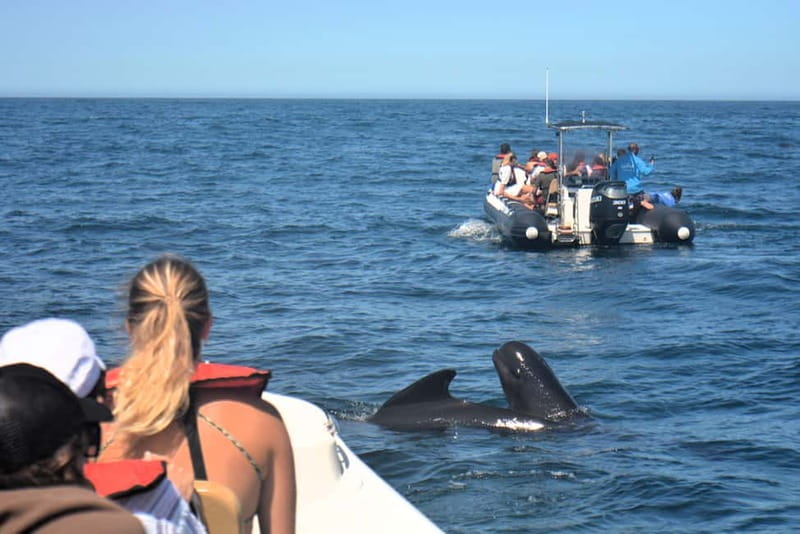
The tour’s species list is specific enough that it’s useful for managing expectations. For dolphins, the main candidates include:
- Bottlenose dolphins
- Atlantic short-beaked common dolphins
- Striped dolphins
You might also see orcas, depending on conditions.
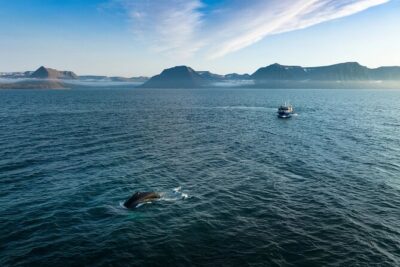
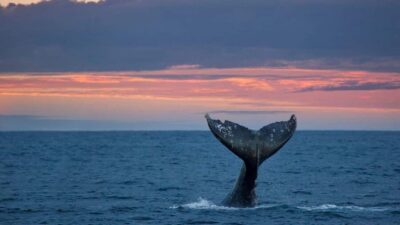
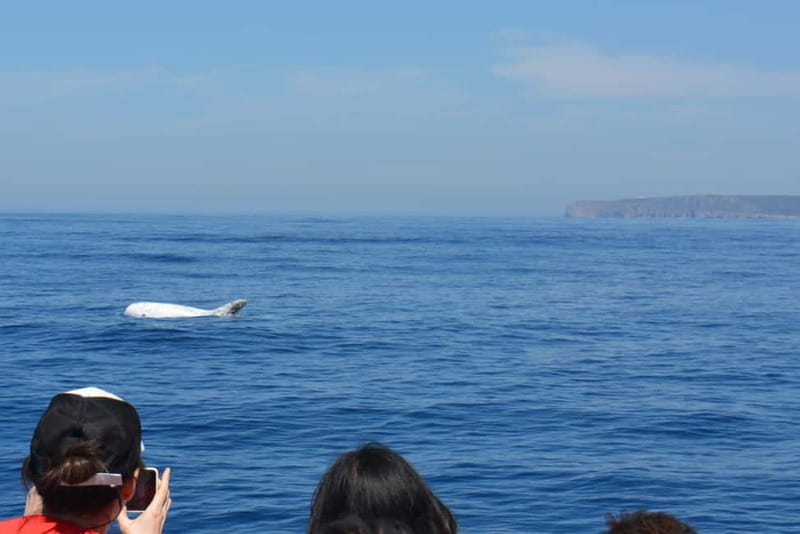
For whales, the tour notes that you can spot minke, fin, and sei whales mainly in spring and summer, with an average stated sighting rate of 15% to 20% when they are on their yearly migration routes. That’s not a guarantee—none of these tours can honestly promise whales every time—but it does give you a reality check.
There’s also a big operator claim worth understanding: they state a 100% success rate since 2013 for cetacean sightings on their dolphin watching tours. The practical takeaway for you is that your chance of seeing dolphins is extremely strong, while whales are the “extra” when the season and timing line up.
If whales are your top goal, plan around the calendar. If dolphins are the top goal, you’re in the right place year-round.
Cruise time around Arrábida: the view is nice, but the rules matter
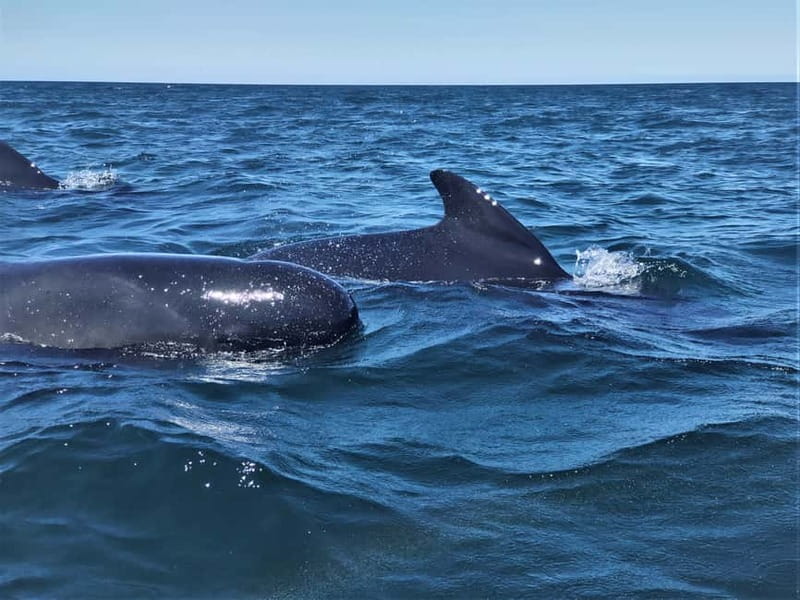
Expect plenty of scenic coastline moments as you travel along the Arrábida coast. You’ll have short photo stops during the day, and you’ll spend time scanning for wildlife while boats move through the area where dolphins feed and travel.
What I appreciate is the emphasis on eco-friendly practices. The tour specifically mentions following international best conduct practices in dolphin watching. In plain language, that’s what you want: respectful distance, not aggressive chasing, and behavior that protects the animals instead of treating them like entertainment props.
That also changes how your day feels. When the crew isn’t constantly trying to force action, the sightings tend to look more natural—like the dolphins are choosing to interact instead of being driven into it.
You’ll also learn that these waters are not random. The guide connects what you see to the idea that cetaceans use specific offshore routes for feeding, breeding, and migration. That makes Arrábida feel less like scenery and more like a functioning marine highway.
The secret bay snorkel stop at Professor Luís Saldanha Maritime Park
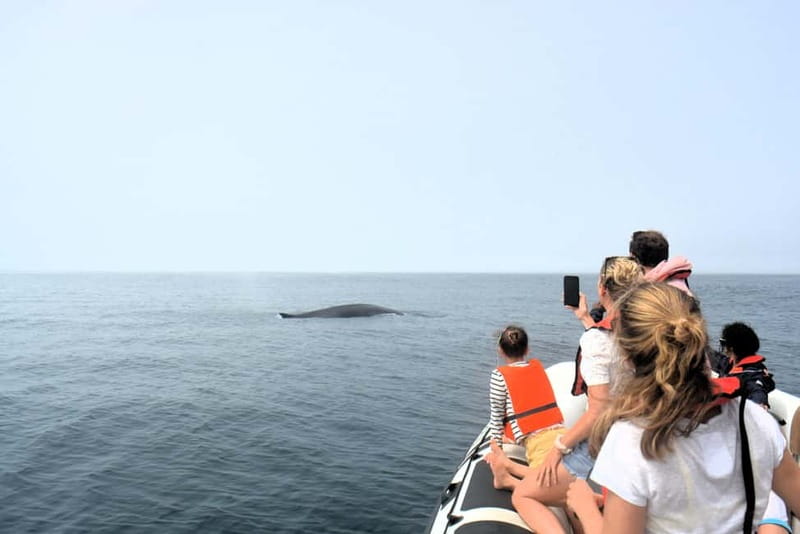
This is your “other half” day—the part that turns a wildlife cruise into an activity you can physically enjoy. You’ll stop to snorkel and swim at a bay within the Professor Luís Saldanha Maritime Park area.
The provided gear matters here: you get a snorkeling mask onboard. You’ll still want your own comfort items—like a bathing suit you can swim in right away, and if it’s cooler you’ll want to think about what you’ll wear under your gear. The tour guidance calls out that for spring/summer, bring bathing suits and towels.
The timing is tight but doable because your whole experience is built around a 3-hour window. The stop is long enough to actually get in the water and feel like you used the time, not just did a quick dip for photos.
One practical tip: wind can affect how your swim stop feels. If the sea is choppy, it’s worth taking extra care getting into the water and keeping your head calm while you settle into snorkeling.
Moscato, caves, and coves: the coastal flavor you’ll remember
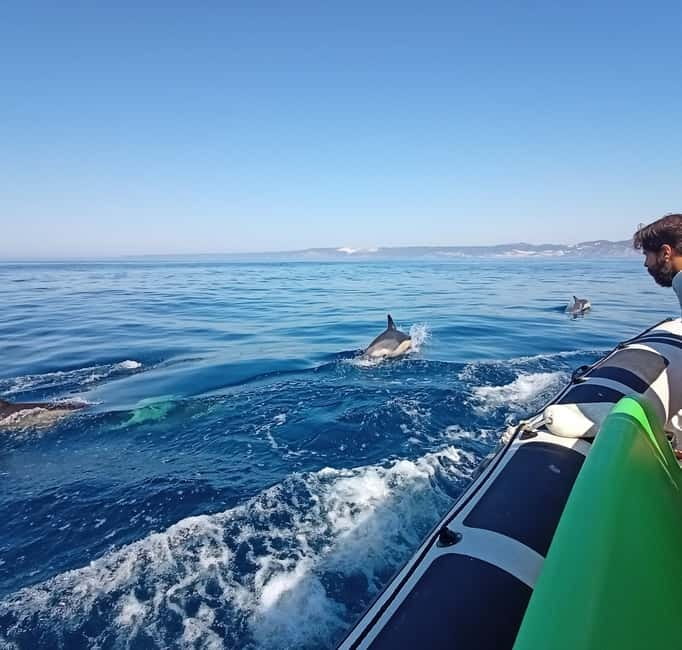
After the wildlife time, you get a bit of the coast’s personality. The tour includes tasting Moscatel sweet wine (a small pour, not a winery tour), and you’ll move through the coastline with views that are built for quick awe: caves, coves, and secluded-feeling spots along the Arrábida shoreline.
The experience is structured so you get both kinds of moments:
- Wildlife moments while you’re scanning and listening
- Coastal moments while you’re cruising and snapping photos
That combination is why this isn’t just a “did you see dolphins” checkbox. It feels like a full Sesimbra morning or afternoon—marine life plus the dramatic coast.
If you’re traveling with kids or a non-swimmer, the boat ride plus the swim stop tends to work as a shared experience. Everyone can enjoy the wildlife and views, and the water time gives it a bonus level of fun.
Group size, speed, and who should rethink the ride
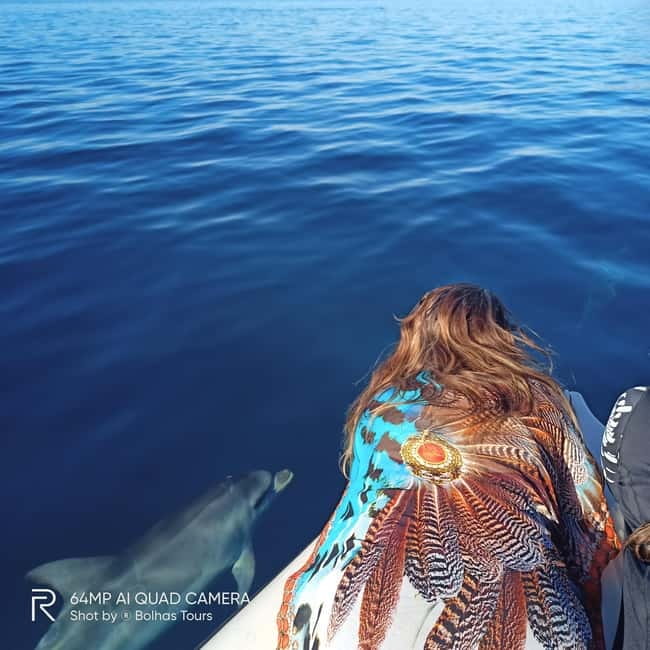
This is a max 17 per boat experience, which is small enough that the guide can keep things organized and still make space for questions. Some departures may feel even tighter in practice, and that matters on a fast boat where crowding can turn a good day into a grumpy day.
Now for the honest part: the ride can be bumpy because it’s fast. A quick chop out on the water can feel fine for most people, but if you have back problems or any medical sensitivity, you might want to reconsider.
Also note that the tour is listed as not suitable for people with pre-existing medical conditions. You don’t need to panic, but you should take it seriously. If you’re unsure, check with your doctor before a boat ride.
The good news: the tour is wheelchair accessible, so mobility isn’t a barrier if you can manage the boat boarding safely.
Value check: is $64 for 3 hours actually a good deal
At $64 per person for about 3 hours, this tour sits in a category where you have to judge the full package, not just the animal factor.
Here’s what you’re paying for, in concrete terms:
- A boat cruise with marine guidance
- Life jackets and a snorkeling mask
- Water
- A Moscatel sweet wine tasting
- A swim/snorkel stop in a protected maritime park area
- Access to the boat-centre amenities like toilets and info area
The value gets better because the guide component isn’t an optional extra. It’s what turns a basic dolphin cruise into something you understand. And the strong dolphin sighting track record—plus the possibility of whales in the right season—helps justify the spend.
Is it cheap? No. But it’s not overpriced for what’s included: a short-time immersive outing that combines wildlife, coastal scenery, and active water time.
If you’re comparing options, look at three things: whether a biologist is truly part of the experience, whether snorkeling time is real (not just a quick look), and what’s included in the price. This tour checks those boxes.
Practical tips so your day goes smoothly
A few small habits make a big difference on the water:
- Bring sun protection even on cloudy days. Salt air and glare can surprise you.
- Wear a wind jacket or sweater if you’re going in cooler months; the centre may offer one for free.
- Pack a bathing suit for the swim stop (and towels for spring/summer).
- If you want photos, keep your phone/camera secured and plan for spray. The tour bans glass objects, so skip any risky glass gear.
- Light snacks aboard are allowed, which helps if you tend to get hungry during morning or afternoon outings.
Also keep in mind the animal rules that protect the cetaceans: no feeding, no touching marine life, and no touching animals. It’s all about respectful distance and quiet observation.
Should you book this Sesimbra dolphin and whale watching tour?
Book it if you want a high-likelihood dolphin watching experience with real marine explanation, a scenic cruise in the Arrábida UNESCO area, and an actual snorkel swim stop. The blend of wildlife and water time is a strong match for couples, friends, and families who want more than just standing on a dock.
Skip or think carefully if your main priority is whales at all costs, because whale sightings depend on season and conditions. Also reconsider if you have medical issues or are sensitive to rougher boat rides, since this speedboat can get bumpy.
If your goal is to see dolphins, learn what you’re seeing, and still come home with saltwater memories, this one is an easy “yes” from a practical standpoint.
FAQ
How long is the dolphin and whale watching experience?
It lasts about 3 hours, including check-in and checkout time.
Where do I meet the tour?
You meet at the Marina of Sesimbra, with the meeting point listed as Avenida dos Náufragos.
What is included in the price?
The tour includes the boat tour, a guide, life jackets, a snorkeling mask, Moscatel sweet wine, and water.
Are there restroom facilities at the check-in centre?
Yes. Toilets and an info area are available at the Bolhas Tours marine centre.
Is the tour wheelchair accessible?
Yes, the tour is listed as wheelchair accessible.
Are pets allowed on the tour?
Pets are not allowed. Assistance dogs are allowed.