REVIEW · NOOSA
Noosa: Noosa Whale Watching Tour
Book on GetYourGuide →Operated by Noosa Oceanrider · Bookable on GetYourGuide
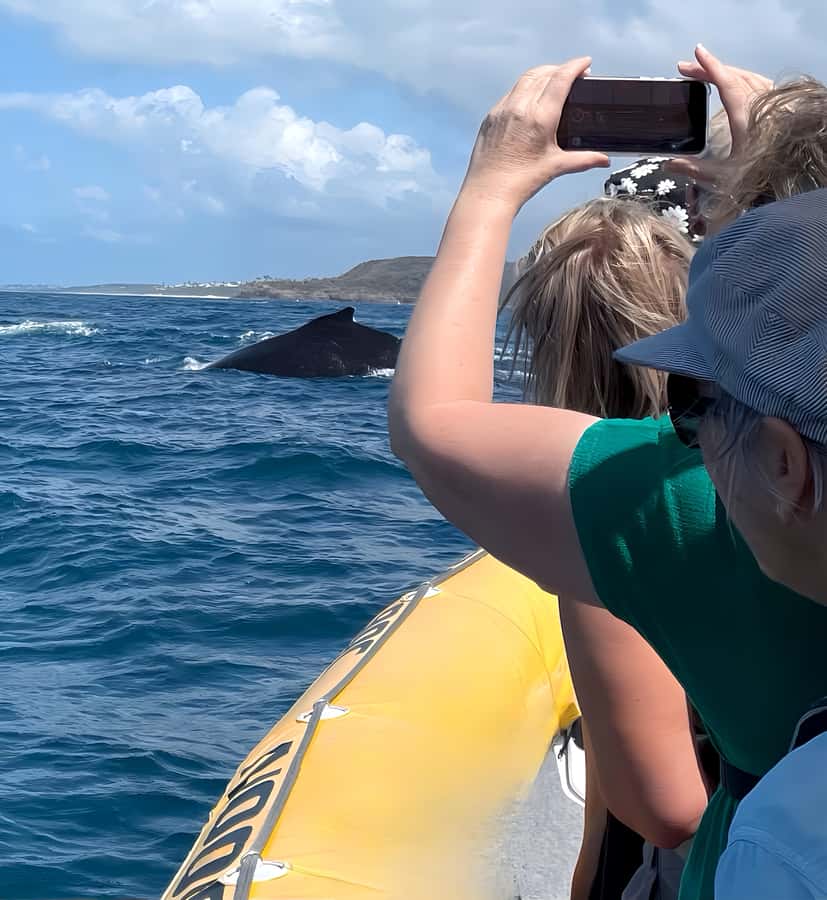
A pod of humpbacks can show up fast. That’s why this Noosa Oceanrider cruise feels like a real wildlife outing, with a nature-focused route that gets you out beyond what you can see from land. You’ll start on the Noosa River, then head toward the headland in search of humpback whales during their annual migration.
Two things I like a lot: you get binoculars and rain jackets included, so you’re not scrambling for gear once you’re on the water. And the crew’s focus is on respectful viewing, with practical guidance on safe distances when whales come close.
The one caution is ride comfort. Some people note the boat can feel more like a speedier run than a slow sightseeing cruise, and rougher seas can make it bumpy, especially if you’re sensitive to motion.
In This Review
- Key highlights worth knowing
- Why Noosa humpbacks are special (and why this tour works)
- Noosa Marina departure: where you meet and what that means
- Noosa River cruising: the views you actually get from the water
- Out toward the headland: how the search shapes your time
- When whales show up: what to watch and how to behave
- Comfort and safety: the part you should check before you go
- Value check: what’s included in $70 and what to pack
- Who should book this Noosa Oceanrider whale watching cruise
- My booking verdict: should you book?
- FAQ
- How long is the Noosa whale watching tour?
- How much does it cost?
- Where do I meet the tour?
- Are binoculars included?
- Are rain jackets included?
- Is food and drinks included?
- Is hotel pickup and drop-off included?
- Is this tour suitable for children?
- Is the tour suitable for pregnant women?
- What is the cancellation policy?
Key highlights worth knowing
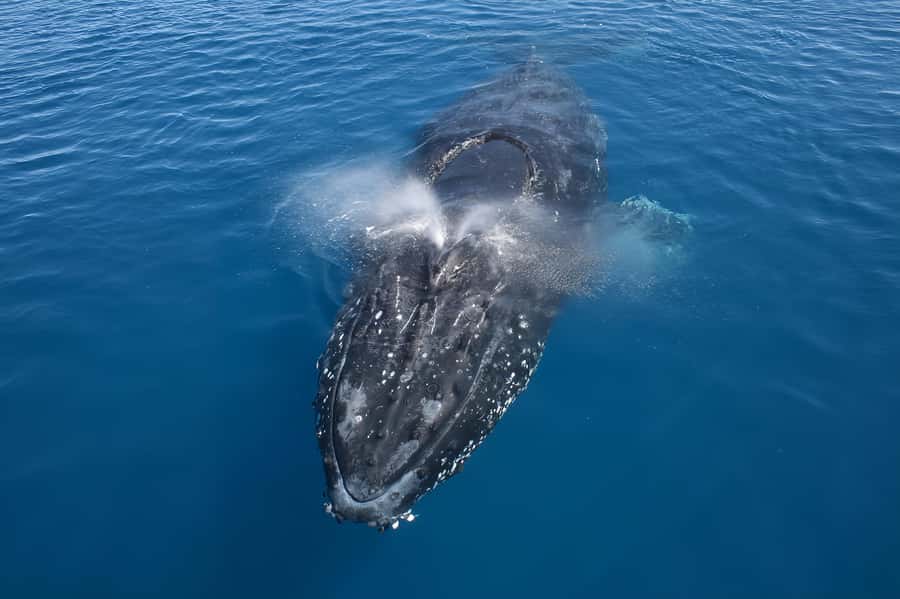
- Humpback whales on migration off the Noosa coast, with chances for breaches and tail slaps
- A two-stage route: Noosa River for views, then open water for whale spotting
- Gear included: binoculars plus rain jackets to help you enjoy the conditions
- Spot-and-stay viewing: when whales show, you get time to watch their behavior
- Fast repositioning possible if whales move or pods are spotted elsewhere
Why Noosa humpbacks are special (and why this tour works)
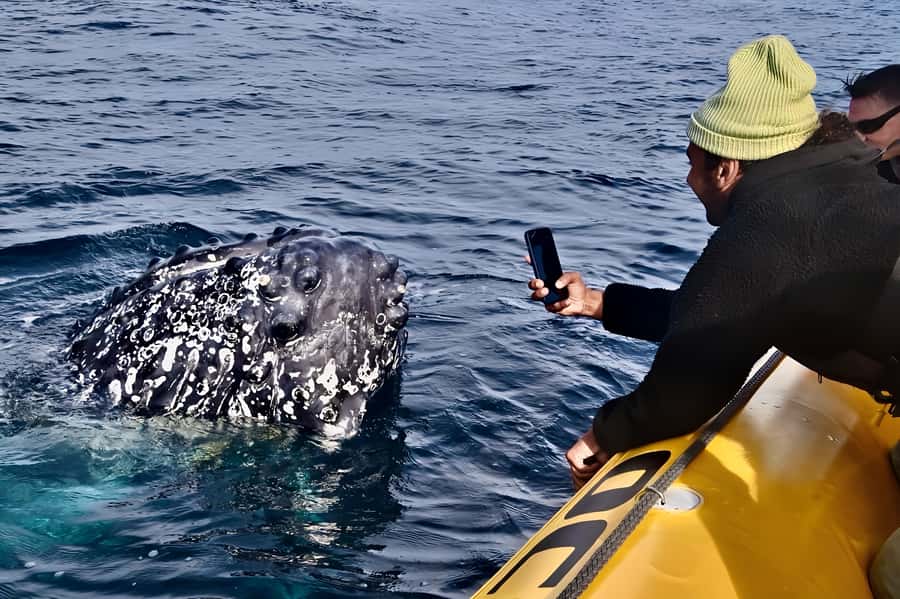
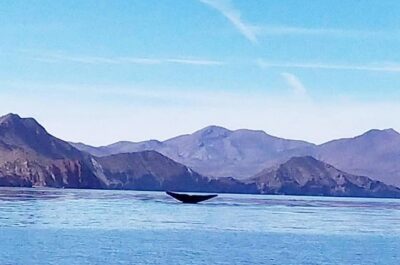
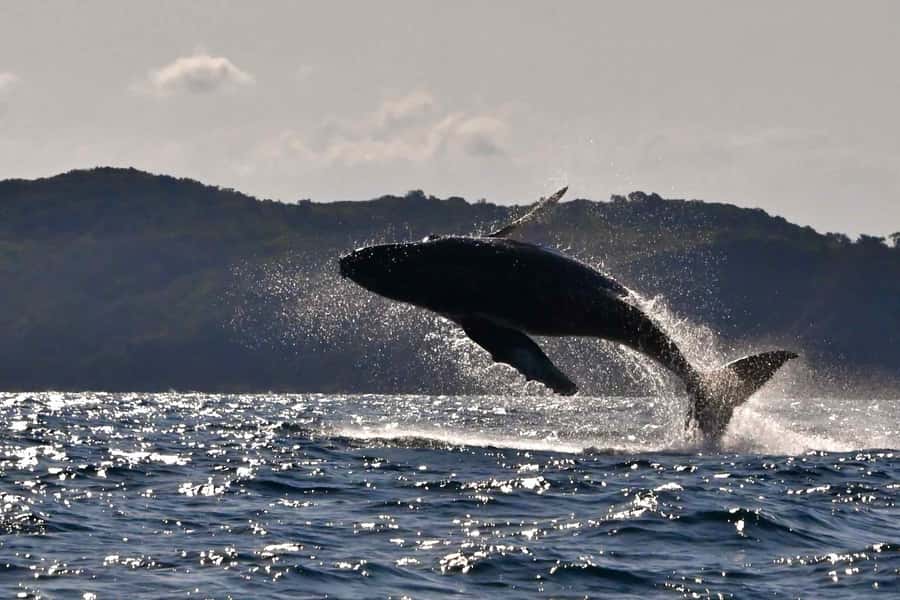
Noosa is one of those places where the water does the talking. On this tour, the goal is simple: see humpback whales as they migrate, not just pass by a distant coastline. When humpbacks surface, you’re not looking at a speck. You’re watching real animal behavior: breaches, tail lobs, and pectoral slaps are the kinds of moments this trip is set up to catch.
What makes this more than a generic wildlife cruise is the mix of scenery and wildlife. You start with a calm river-style portion, so your eyes get fed by the Noosa coastline from the water. Then you move into the ocean area where whales are more likely to be actively feeding or traveling. That combination helps you enjoy the full two hours even if sightings are spread out.
Also, the tour is led in English by a live guide, which matters. Whale watching is partly luck, but it’s also about spotting. A good captain and guide help you read what’s happening on the water, so you spend less time guessing and more time watching.
Noosa Marina departure: where you meet and what that means
The tour departs from Noosa Marina at 2 Parkyn Ct, Tewantin QLD 4565. Meet your captain in front of the Marina bar at Noosa Marina. That meeting point is practical: it’s central enough that you can show up prepared and not waste time on extra pickup shuttles.
One more logistics detail that affects your experience: there’s no hotel pickup and drop-off. So you’ll want to plan your own timing to arrive a bit early, especially if you’re parking or using rideshare. Being on time matters more on whale cruises because the captain needs to get moving and start searching as conditions allow.
From there, you’re on a boat route that’s built around hunting for whales. That means the clock is your friend. You’ve got about 2 hours total, so every part of the trip counts.
Noosa River cruising: the views you actually get from the water
Before the ocean search, you cruise down the Noosa River. This is a smart way to start because river water tends to make the whole trip feel more like a relaxed nature outing. From the water, you can take in Noosa from angles that are hard or impossible from shore.
You’ll also pass features that are easier to appreciate by boat: cliff formations, coves, and sweeping beaches that come into view in layers as you move along the coastline. Even if the whales are the main event, this section sets the tone. It’s where you settle into the trip, find the best viewing side, and get your bearings fast before the captain heads out toward the headland.
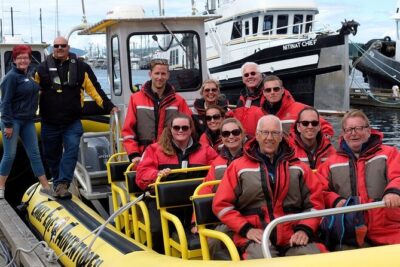
This is also where included extras pay off. Binoculars help you scan for movement, birds, and anything else popping up on the water surface. And if weather changes, rain jackets give you a workable plan instead of turning cold.
Out toward the headland: how the search shapes your time
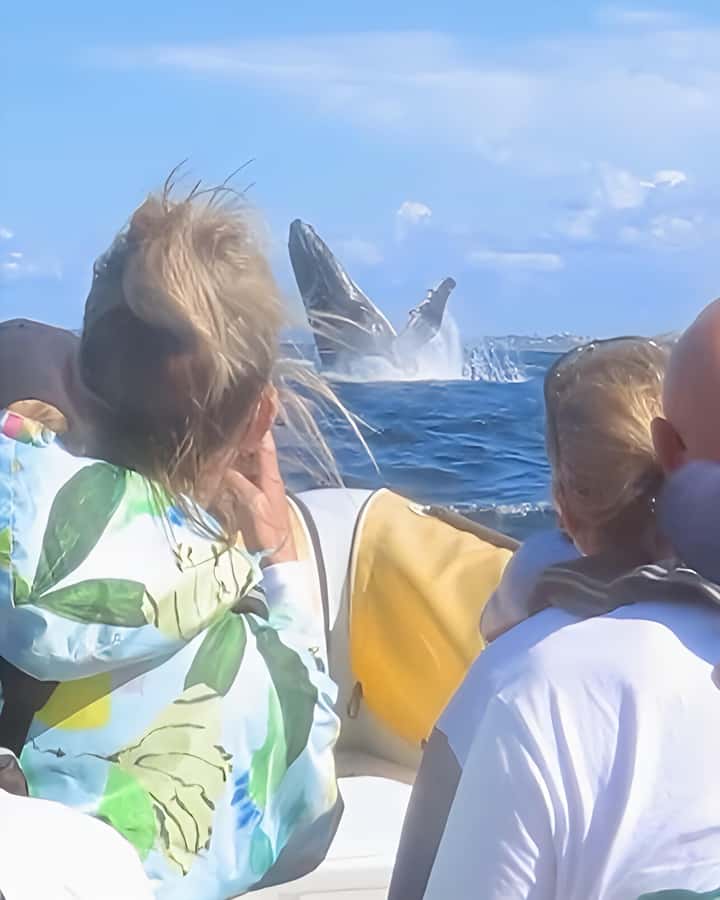
After the river section, the captain cruises out into the ocean to look for humpback whales. This is the part of the trip you can’t control. Whales don’t follow a schedule. They travel, surface, and move.
Still, the route and vessel choice make a difference. This tour is built for flexibility, and you can see that in how quickly the boat can reposition when sightings happen. In real terms, it means your best odds for close whale viewing come from being able to move to where the whales are rather than waiting in one spot.
That’s also why the tour includes binoculars. Even when the whales aren’t right beside you, the guide can help you locate where to look and what behavior to watch for. When you’re scanning, you’re not just staring into the distance. You’re working with a practiced search routine.
If you’re hoping for a specific kind of behavior, here’s the honest part: you can’t guarantee acrobatics. But when a humpback is in view, you’re watching the same types of actions you came for—breaching and slapping are the headline moves listed for this experience.
When whales show up: what to watch and how to behave
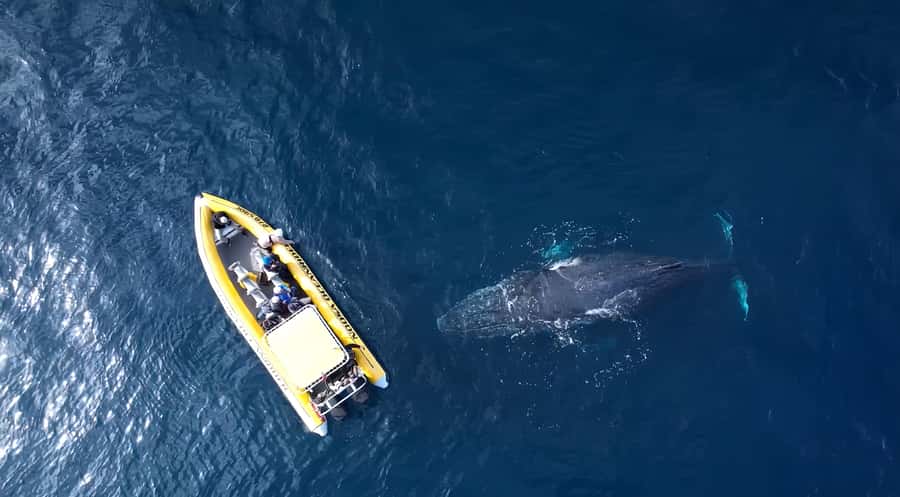
The moment humpbacks are located, the experience becomes all about observation. The tour is designed to let you watch whales playing in their natural habitat, not just see a quick flash and move on.
Here’s what I’d focus on so you get more out of it once you’re there:
- Breaching: when the whale rises and breaks the surface, it’s often the most dramatic moment for photos and video
- Tail lobs and slaps: look for sudden movement and the tail moving up and out of the water
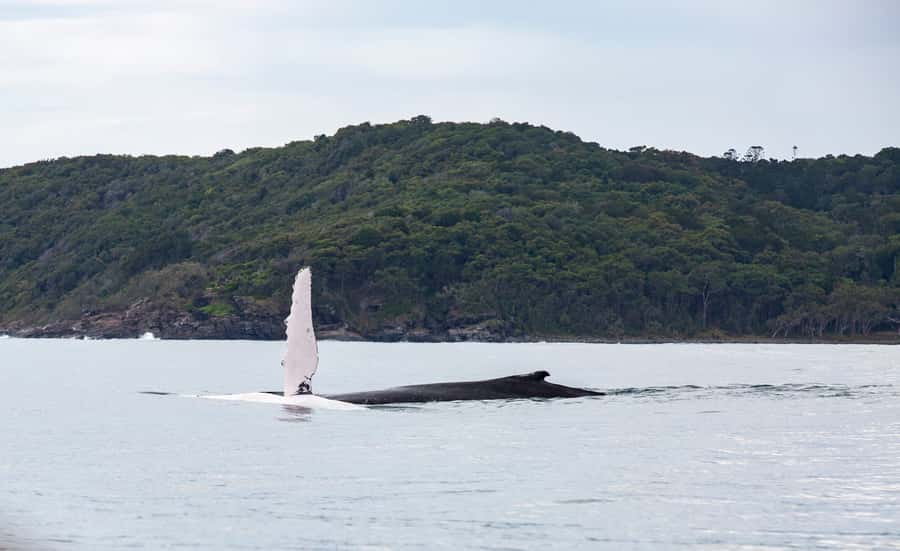
- Pectoral slaps: the arms can make a visible splash, especially when whales are close to the boat
Just as important, your guide/captain guidance can make the whole outing feel better ethically. Some captains actively instruct other boats how to behave responsibly around whales—things like keeping distance and changing motor behavior when whales come closer. That kind of practical instruction matters because it protects the animals and keeps the viewing safer for everyone.
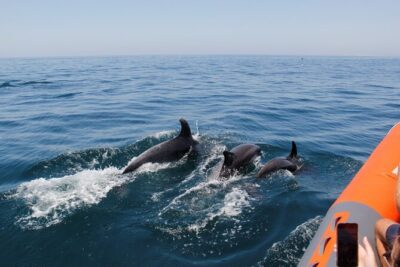
Also, sightings can include more than whales. On some departures, people have reported dolphins, and other marine life like jellyfish and even a sea snake. So keep your eyes moving. When the sea shows something, the guide is usually watching too.
Comfort and safety: the part you should check before you go
This is where I’d be very honest with you. The whale watching boat experience can be affected by sea conditions. Some people mention large swells and rougher water that make the ride bumpy.
Two issues come up in that context:
- Motion and comfort: If you’re prone to getting seasick or you have back problems, a choppy day can be tough.
- Restraints and seat feel: One person raised a concern about lack of seat belts and described the ride as fairly wild. That doesn’t mean every departure is the same, but it’s a real note to take seriously.
So here’s my practical approach: if you’re comfortable on boats in open water and you don’t mind a faster, engine-driven route, you’ll likely enjoy the excitement. If you’re not, consider whether a slower cruise might fit you better.
Rain can also change the vibe. The good news: rain jackets are included, and you’ll typically want weather-appropriate layers so you don’t get chilled once you’re wet.
Value check: what’s included in $70 and what to pack
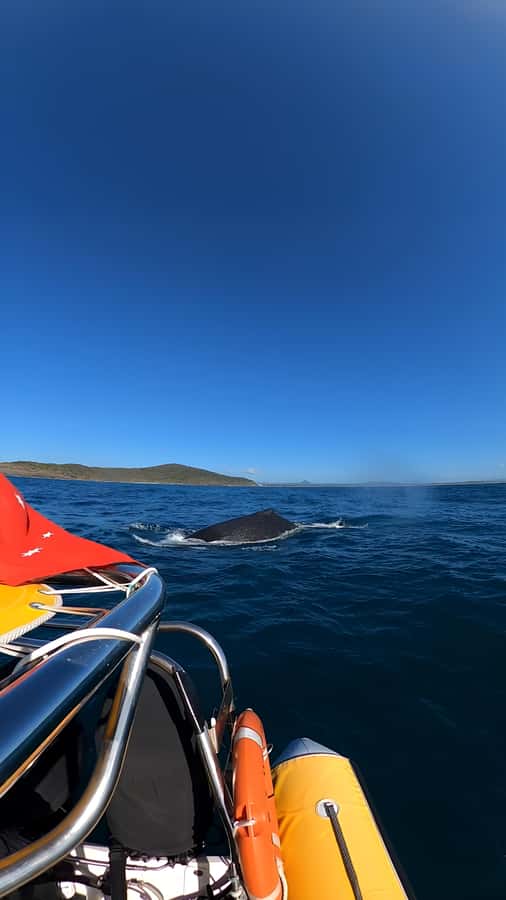
At $70 per person for 2 hours, you’re paying for an experienced crew, access to whale territory beyond shore, and the gear that helps you enjoy the conditions. For many people, the value is simple: this is not a walk-on-and-hope situation. You’re getting binoculars and a guided search, plus a route designed to see Noosa from water.
Included:
- Binoculars
- Rain jackets
Not included:
- Food and drinks
- Hotel pickup and drop-off
So plan accordingly. If you think you’ll want a snack or water beyond what you bring, pack it yourself. Since food isn’t included, it’s also smart to hydrate before you board, especially if the day is warm.
What to bring:
- Camera (you’ll want it ready for surface moments)
- Sunscreen
- Water
- Weather-appropriate clothing
- Waterproof bag
One extra detail worth knowing: there’s a small locker under each seat for a few belongings. But it’s still better to use a waterproof bag, because you’re on moving water and you don’t want your important items getting splashed.
Who should book this Noosa Oceanrider whale watching cruise
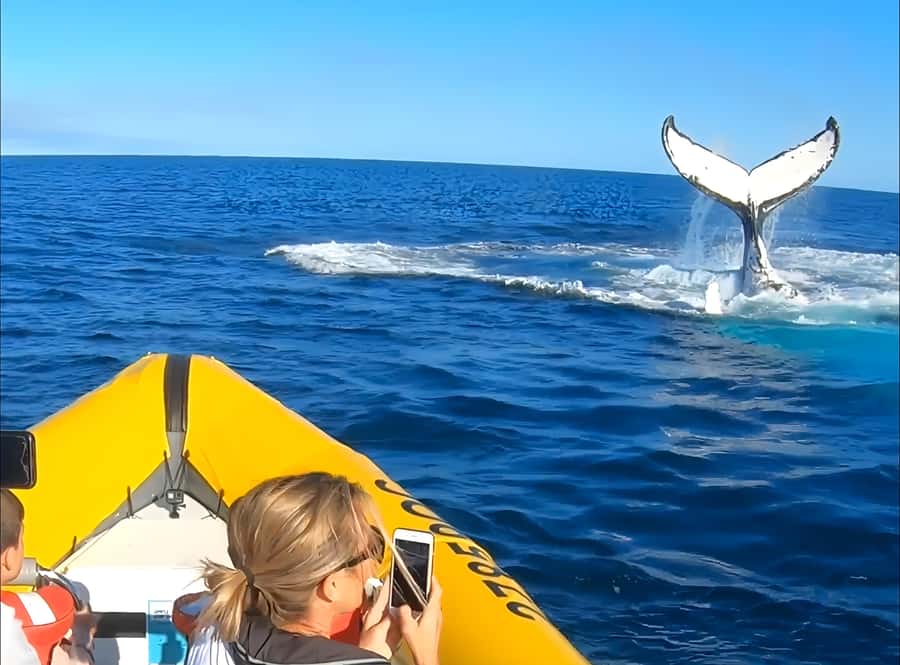
This tour is a great match if you:
- want humpback whales during migration and you’re okay with wildlife being unpredictable
- like getting outside the tourist shoreline for real water views of Noosa
- appreciate a guide who helps you spot behavior, not just facts on a lecture
It’s also a good fit for couples and groups of adults who can handle a boat ride in open water.
You should think twice if:
- you’re pregnant, since it’s listed as not suitable
- you’re traveling with kids under 6
- you know you’re sensitive to rough seas, since some days can feel quite bouncy
My booking verdict: should you book?
If your priority is humpback whale spotting and you’re comfortable with a fast, nature-focused outing, I’d book this. You’re getting the practical pieces that matter—binoculars, rain jackets, and a route that starts with Noosa River views before moving out to whale country off the headland.
But choose wisely if comfort is your top concern. A choppy day can turn a fun speed-boat experience into an uncomfortable one, so don’t ignore that risk.
If you match the tour’s conditions, this can be one of the most memorable ways to see Noosa, because the boat turns the region into a front-row seat.
FAQ
How long is the Noosa whale watching tour?
The tour duration is 2 hours.
How much does it cost?
The price is $70 per person.
Where do I meet the tour?
Meet at Noosa Marina at 2 Parkyn Ct, Tewantin QLD 4565, and meet your captain in front of the Marina bar at Noosa Marina.
Are binoculars included?
Yes, binoculars are included.
Are rain jackets included?
Yes, rain jackets are included.
Is food and drinks included?
No, food and drinks are not included.
Is hotel pickup and drop-off included?
No, hotel pickup and drop-off are not included.
Is this tour suitable for children?
It is not suitable for children under 6 years.
Is the tour suitable for pregnant women?
No, it is not suitable for pregnant women.
What is the cancellation policy?
You can cancel up to 24 hours in advance for a full refund.