REVIEW · PUERTO MADRYN
Valdes Peninsula: Full Day with Whale Watching
Book on GetYourGuide →Operated by Gray Line Argentina · Bookable on GetYourGuide
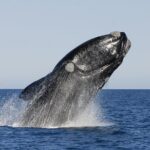
Whales off Patagonia feel unreal. This small-group full day from Puerto Madryn brings you to UNESCO-listed Valdés Peninsula for boat wildlife watching and big-sky land scenery.
I love the mix of animal types, especially the chance to see whales from the boat in the right season. I also like how the day is built around both water and land, so you’re not stuck waiting for one perfect sighting.
One thing to weigh: weather can affect whether you’ll get the best whale-watching conditions, and the boat commentary can be Spanish-only on some departures.
In This Review
- Key Things You’ll Notice on This Valdés Peninsula Day
- A Real-World Wildlife Day on Valdés Peninsula
- Getting There Early: Hotel Pickup and the Puerto Pirámides Start
- Boat Time by Season: Whales, Sea Lions, and No-Navigation Periods
- Puerto Pirámides and the Wildlife Window That Drives the Day
- The Lunch Stop: Planning for Food Without Overpaying
- Crossing the Peninsula on Land: Salinas Grande, Salinas Chica, and More
- Punta Cantor and Caleta Valdés: Where Geology Meets Wildlife
- Carlos Ameghino Interpretation Center: A Useful Pause
- Wildlife Beyond the Boat: What You Can Spot on Land
- Language and Comfort: The Small-Group Advantage (and One Caveat)
- Price and Value: What $298 Includes (and What You’ll Pay Separately)
- Practical Tips for a Better Day Out on the Peninsula
- Who This Valdés Peninsula Tour Suits Best
- Final Call: Should You Book This Tour?
- FAQ
- What months include whale watching on the boat?
- If I travel in December to March, what marine wildlife will I see?
- Are boat or nautical activities offered in April?
- Is hotel pickup and drop-off included?
- Does the price include lunch?
- How long is the tour?
- Is this tour wheelchair-accessible?
- Final Call: Should You Book This Tour?
Key Things You’ll Notice on This Valdés Peninsula Day
- UNESCO Valdés Peninsula wildlife focus: whales and seals are the main event, but land sightings are part of the plan.
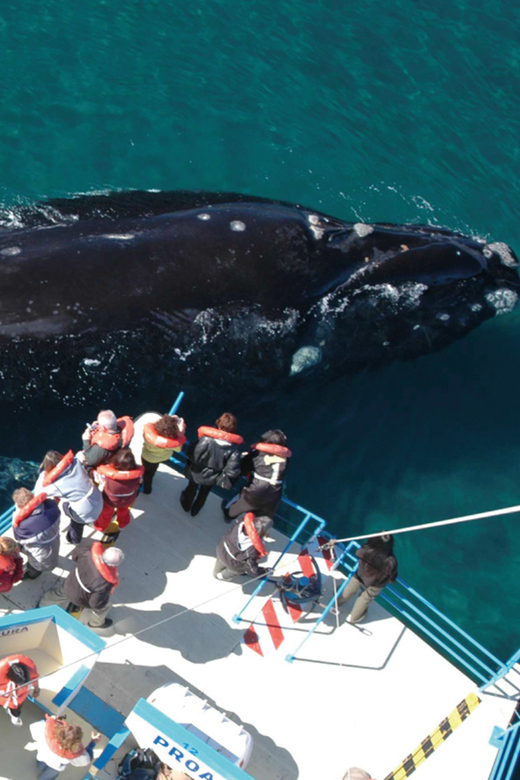
- Season-driven marine options: whales mid-June to November; sea lions and cormorants December to March; no navigation April to mid-June.
- Small group (max 10): easier listening, more natural pacing, and less crowd pressure for viewing wildlife.
- Land stops with real variety: grasslands and undulations, Salinas Grande and Chica, and Punta Cantor / Caleta Valdés area.
- Carlos Ameghino Interpretation Center stop: a useful pause to connect what you’re seeing to the peninsula’s natural story.
- Guiding in English and Spanish: you’ll get clear context, with one caveat about language on the boat.
A Real-World Wildlife Day on Valdés Peninsula
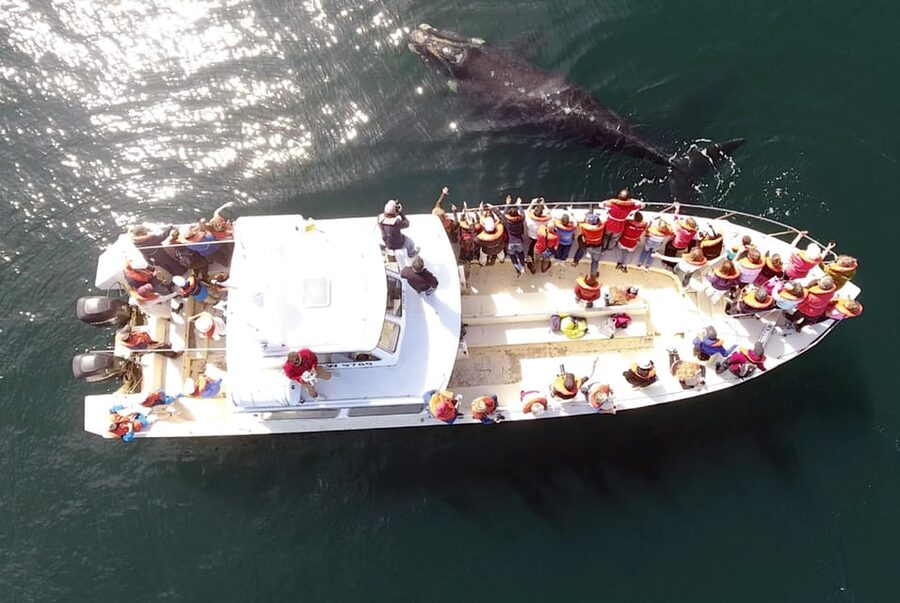
If you picture Patagonia as wide, dramatic, and slightly untamed, this day fits the bill. You’ll drive outside Puerto Madryn to the Valdés Peninsula Protected Natural Area, a UNESCO World Heritage Site. The goal is straightforward: spend quality time where wildlife actually lives, feeds, and shows up.
What makes this tour especially satisfying is that it doesn’t treat animals like a single “maybe” moment. You start with a water-based wildlife window (seasonal), then you shift to land routes across the peninsula. That balance matters on a day trip, because you’re doing more than transporting yourself from one viewpoint to another.
For me, the best value is the way the day uses the whole peninsula experience. You’re not just hopping to one famous photo spot. You’re moving through different habitats—salt flats, open grasslands, and coastal areas—so your odds of seeing something interesting stay higher even if the whales are quieter in your specific boat session.
You can also read our reviews of more tours and experiences in Puerto Madryn.
Getting There Early: Hotel Pickup and the Puerto Pirámides Start
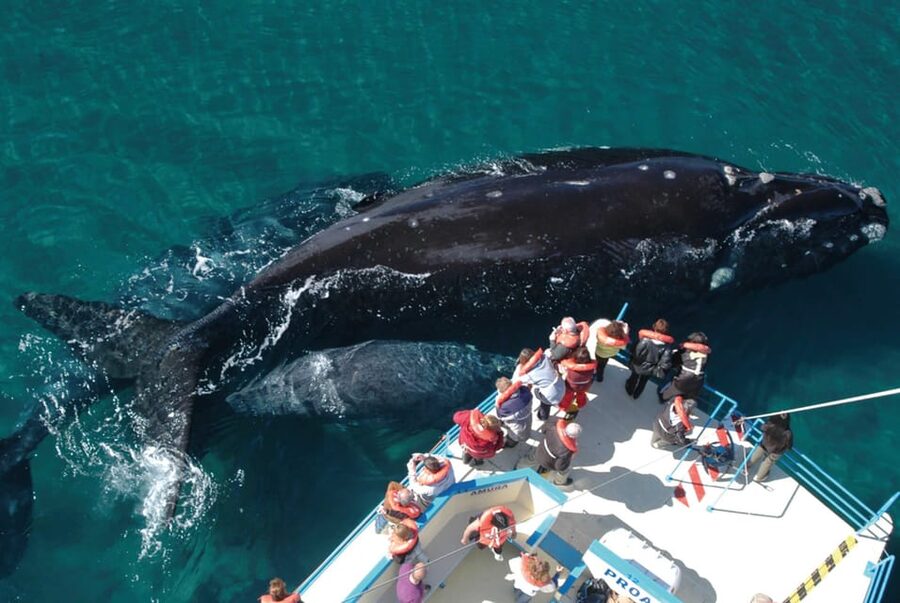
The day begins early, heading toward the Valdés Peninsula area. The ride takes about an hour before you reach Puerto Pirámides, the key launching point for marine wildlife watching.
Hotel pickup and drop-off are included for downtown hotels in Puerto Madryn. If your specific hotel isn’t on the pickup routes, you’ll be told the closest meeting point so you can join from there. Also note the important practical bit: this tour can’t be arranged from or to the cruise port.
That matters because the timing is tight. Whale and seal wildlife is seasonal and weather-dependent, so the early start helps you reach the best windows. You’ll want to be ready to go when the day starts—not when you feel like waking up.
Boat Time by Season: Whales, Sea Lions, and No-Navigation Periods
This tour is designed around the peninsula’s marine seasons, and it’s worth matching your travel month to what you actually want to see.
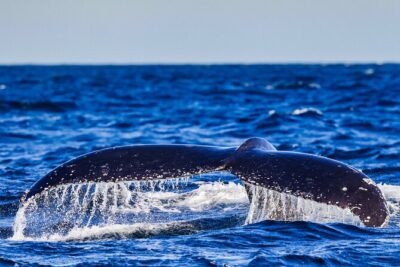
- Mid-June to November: whale watching on the boat.
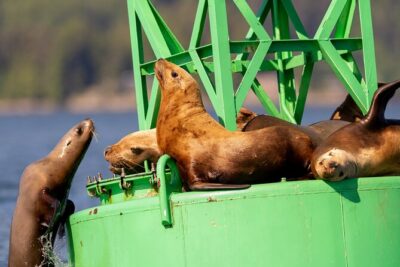
- December to March: nautical walk (instead of the whale season), focused on southern sea lions and cormorants.
- April to mid-June: no navigation.
That seasonal shift is the biggest “planner” factor. If whales are the reason you’re coming, plan your dates for mid-June through November. If you’re more interested in sea lions and the coastal wildlife vibe, December through March can be a good fit.
One more detail: whale watching is explicitly subject to weather conditions. That’s not just a legal line—it’s a reality at sea. If it’s rough or conditions are poor, the marine part can change. You’ll still do the land excursion all year, but the water highlight might not hit the way you imagined.
Puerto Pirámides and the Wildlife Window That Drives the Day
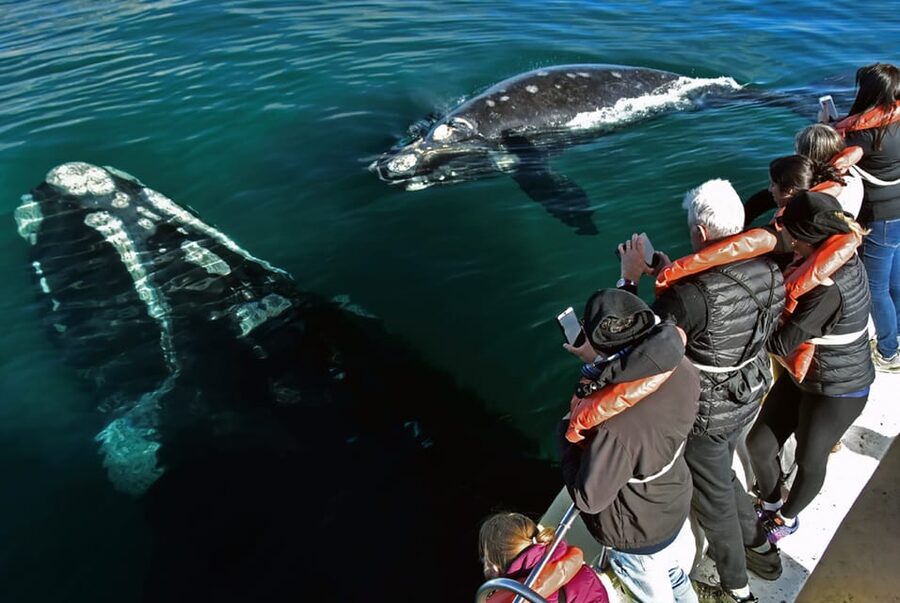
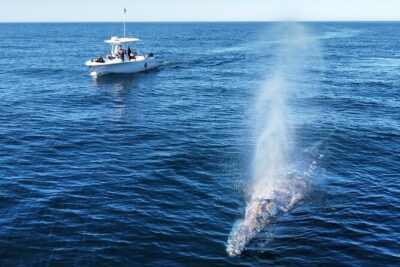
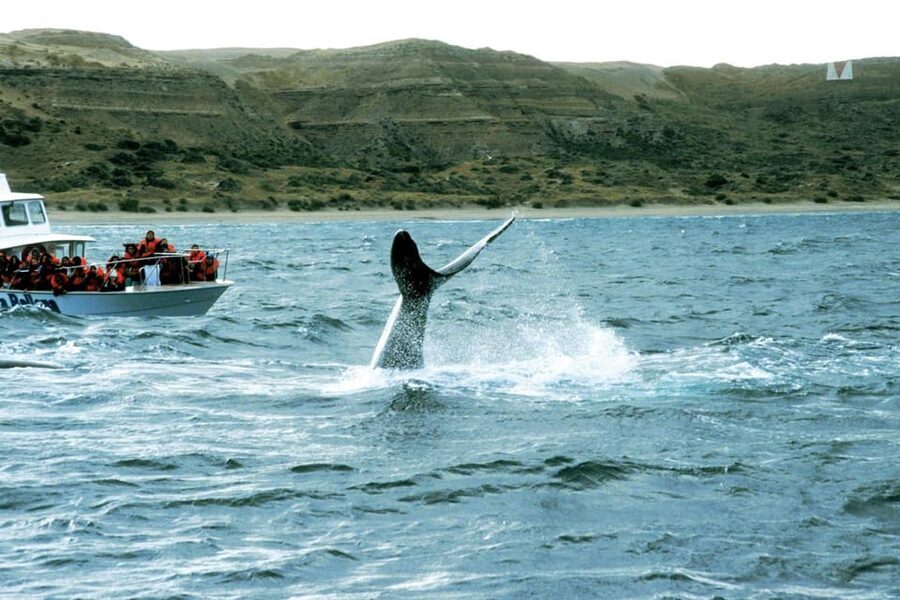
Once you reach Puerto Pirámides, the tour focuses on marine wildlife watching. In peak whale season, this is where you’ll spend time on the water looking for whales. In other seasons, the marine program shifts to coastal wildlife like sea lions and cormorants.
This is also where the guide guidance becomes extra helpful. Your Spanish/English-speaking guide can interpret what you’re seeing and answer questions as you go. And in the winter months (like July), you may be dealing with cold, rainy conditions. One of the strongest signals from real-life experiences is that the wildlife can still show up even when the weather feels miserable—just dress for it.
I’d treat the boat time as the day’s main “moving target.” Expect that sightings can range from distant views to closer action depending on the day and sea conditions.
The Lunch Stop: Planning for Food Without Overpaying
Lunch is scheduled in either Puerto Pirámides or Caleta Valdés, depending on how the day runs. Lunch and drinks are not included in the price, so you’ll want to budget a bit for food.
This setup is pretty typical for field-heavy wildlife days: it keeps the tour flexible and lets you eat somewhere that matches the day’s schedule. The upside is you’re not rushed through a sit-down meal. The drawback is you need to manage your own lunch choice.
If you’re sensitive to cold, factor this into your meal planning too. Eating warm food at the right time can make the afternoon land portion feel a lot more enjoyable.
Crossing the Peninsula on Land: Salinas Grande, Salinas Chica, and More
After the marine section, you’ll tour the southern part of the peninsula. This is where you get the broader Valdés Peninsula feel—flat, open areas and gentle undulations that look endless from the bus windows.
You’ll cross grasslands and undulations and pass through Salinas Grande and Salina Chica. Those salt flats aren’t just “scenery.” They’re part of the peninsula’s ecosystem and help explain why so many animals use this region.
The route also passes outside Punta Delgada, which marks the southern end of the peninsula. That geographic detail matters because it keeps you oriented. You can feel you’re working through the peninsula rather than just zigzagging between random spots.
Depending on the season and marine fauna availability, the land portion may swap out some areas (including Las Salinas and Caleta Valdés) for Punta Norte. In other words, the day has conditional flexibility, which is a practical advantage on a wildlife trip where nature doesn’t always follow the schedule.
Punta Cantor and Caleta Valdés: Where Geology Meets Wildlife
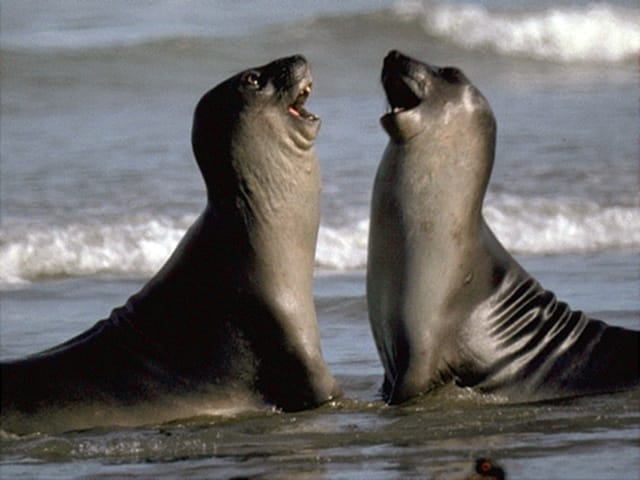
One of the most memorable land moments is the stop at Punta Cantor. This is where you can admire the Atlantic coast and the geological formation known as Caleta Valdés.
Coastal geology is one of those things that sounds dry until you see it. The cliffs, the shape of the coast, and the way the sea interacts with it give you a clearer mental map of the peninsula. And that map helps you make sense of why wildlife chooses certain beaches.
You’ll also be in an area where—depending on the time of year—beaches are usually inhabited by southern elephant seals. Even when the seals are not front-and-center, the coastline is still interesting because it’s very clearly “built” for marine life.
Carlos Ameghino Interpretation Center: A Useful Pause
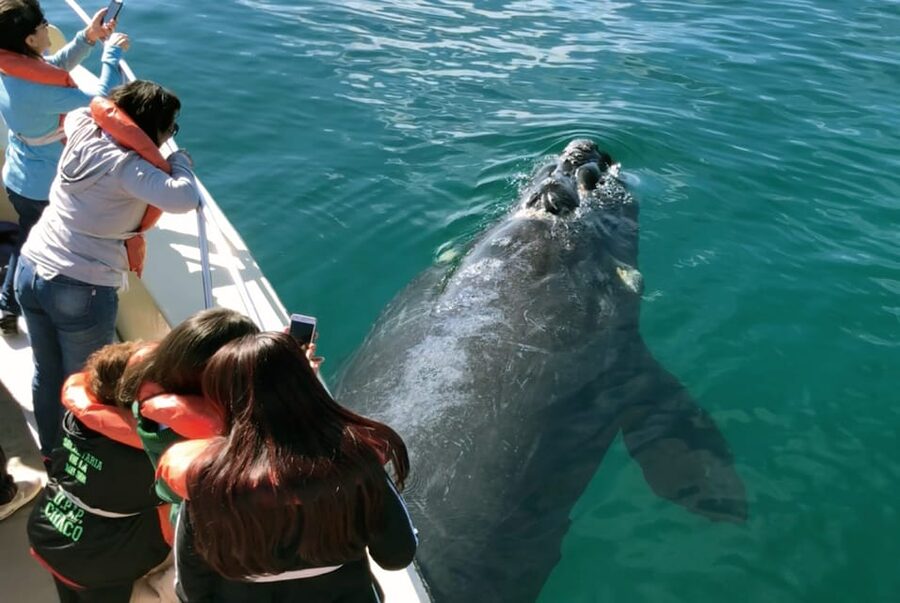
On your return, you stop at the Carlos Ameghino Interpretation Center. This is a compendium-like stop designed to connect what you just experienced with the natural wealth of the peninsula.
I like these stops on wildlife days because they turn fleeting sightings into something you can name and explain. You’ll come away with a better sense of how marine activity and land ecosystems tie together here, instead of treating it as disconnected sightings.
Wildlife Beyond the Boat: What You Can Spot on Land
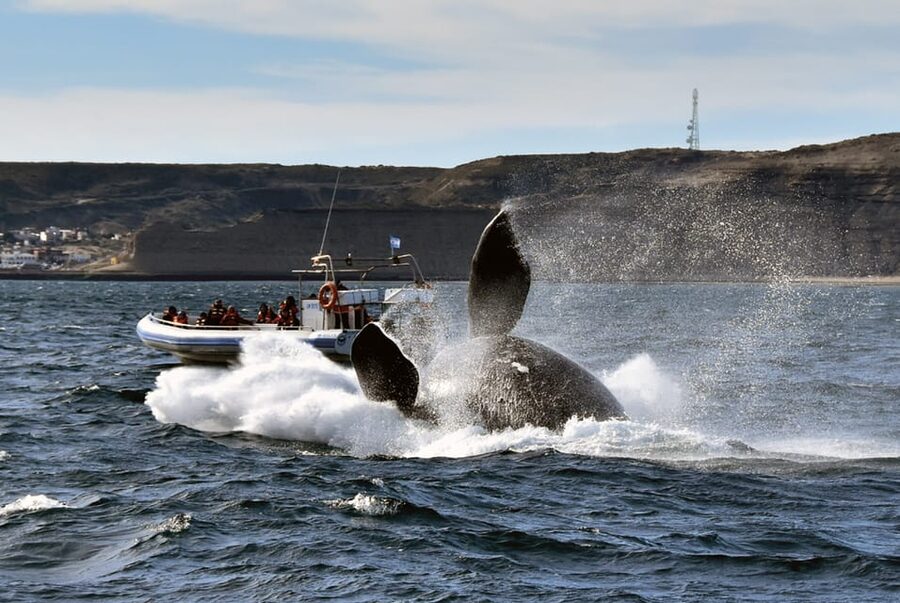
This is one of the tour’s strengths: terrestrial wildlife is not treated as a side bonus. You have good chances to observe animals such as guanacos, rheas, foxes, maras, armadillos, and skunks during the land excursion.
That list is a big part of the appeal for people who don’t want the day to depend entirely on whales. Even if the marine highlights are quieter, the land route still gives you plenty to watch.
And in practice, you’ll also see lots of birds as part of the general ecosystem. It’s the kind of day where you end up scanning more often than you thought you would.
Language and Comfort: The Small-Group Advantage (and One Caveat)
The tour includes a Spanish/English-speaking guide, which is a huge help when you want context, not just “there it is.” I’d especially value this if you like asking questions, because the guide can explain what you’re seeing in a way that makes the wildlife moment last longer in your memory.
There’s one caveat to plan for: the boat portion may be only Spanish on some departures. If you’re counting on hearing everything in English during the time on the water, keep that in mind.
On the comfort side, this is a small group with a maximum of 10 participants. That usually translates into less chaos around viewing and a better chance to hear explanations without shouting over other groups.
Price and Value: What $298 Includes (and What You’ll Pay Separately)
At $298 per person, this isn’t a budget trip. But for what you get, it’s not just “expensive for the sake of it.”
You’re paying for:
- Hotel pickup/drop-off within downtown Puerto Madryn
- A small-group experience (up to 10 people)
- Whale observation from the boat (when in season)
- A Spanish/English-speaking guide
Not included:
- Natural park entry fee
- Lunch and drinks
- Cruise port pick-up/drop-off
So the value question is simple. If you’re traveling in the right season and you want a guided, structured day that maximizes wildlife time, the price starts to make sense. If you’re going outside the whale season, you’ll still get the peninsula land excursion and marine wildlife options, but it shifts away from the specific “whales from the boat” dream.
Also, weather is part of the equation. Since whale watching is subject to conditions, you’re buying into a real-world wildlife day where Mother Nature decides how theatrical it gets.
Practical Tips for a Better Day Out on the Peninsula
This is a full day that starts early and runs about 12 hours. That means you need to think in terms of “whole-day comfort,” not just the boat.
A few practical pointers:
- Bring warm layers and something rain-friendly. Cold and rainy conditions can happen (especially in winter months like July), even when the wildlife shows up.
- Plan for lunch spending, since it’s not included, and choose something that won’t slow you down.
- Dress for wind near the coast. Coastal areas can feel colder than you expect, especially if conditions shift.
- If you’re language-sensitive, remember the guide is bilingual but the boat narration may be Spanish-only on some runs.
You’ll get the best experience if you keep expectations flexible. Wildlife watching is part science, part timing, part weather, and part luck. The tour’s strength is that it doesn’t let you depend on one single moment.
Who This Valdés Peninsula Tour Suits Best
This is a great match if:
- You want a guided wildlife day instead of self-driving the peninsula.
- You’re traveling with limited time and want both marine and land highlights in one shot.
- You like Patagonia wildlife variety, not just one animal type.
It’s less ideal if:
- You need wheelchair access (it’s not suitable for wheelchair users).
- You’re hoping for whale watching no matter your month, since navigation has defined seasonal windows.
Final Call: Should You Book This Tour?
If your timing lines up with the marine season, I’d book this day trip for the way it balances the big wildlife moment with strong land follow-through. The boat program is the headline, but the peninsula land route keeps the day worthwhile even when marine sightings are slower.
If you’re traveling in cold months, dress for rain and chill, and keep your sense of humor ready for weather-based nature surprises. When conditions cooperate, this is exactly the kind of Patagonia day you remember.
FAQ
What months include whale watching on the boat?
Whale watching on board runs mid-June to November.
If I travel in December to March, what marine wildlife will I see?
From December to March, the marine program is described as a nautical walk focused on southern sea lions and cormorants.
Are boat or nautical activities offered in April?
Between April and mid-June, there is no navigation.
Is hotel pickup and drop-off included?
Yes, hotel pickup and drop-off is included for downtown hotels in Puerto Madryn. Pickup from the cruise port isn’t available.
Does the price include lunch?
No. Lunch and drinks are not included.
How long is the tour?
The duration is 12 hours.
Is this tour wheelchair-accessible?
No, it’s not suitable for wheelchair users.
Final Call: Should You Book This Tour?
Yes, if you’re visiting in the whale season (mid-June to November) or you want a structured, small-group wildlife day that still delivers strong land sightings. It’s a solid value when you factor in hotel pickup, a bilingual guide, and organized time in both marine and terrestrial habitats.