REVIEW · LA PAZ
Gray Whale Watching Tour with Marine Biologist and Small Group
Book on Viator →Operated by Freefall Academy · Bookable on Viator
Gray whales need respect, and this tour delivers. I like that the experience follows eco-conscious guidelines and never forces whales to interact with people. That mindset matters a lot in Baja when the best moments come from the animals choosing to show up.
I also love the three-hour boat time, especially because it is long enough to actually settle in and watch behaviors change. The only real consideration: you’re signing up for a long day. The drive to Puerto Chale takes about 2 hours 15 minutes each way, and you may be asked to show your passport at a checkpoint.
In This Review
- Key Things You’ll Notice Right Away
- Gray Whales in Baja: What This Trip Really Targets
- The Full Day Flow: Pickup, Drive, and Puerto Chale Timing
- Practical tip for a smooth day
- Your Small-Group Advantage: Max Six People on the Boat
- Marine Biologist Guide: What You Learn While You Watch
- Ethical Viewing: The Eco-Conscious Part That Changes Everything
- How the Boat Time Works: Spotting, Timing, and Photos
- A realistic photo note
- Lunch in Puerto Chale: More Than a Meal Break
- Weather, Season, and the Good-Weather Requirement
- Price and Value: Is $376.34 Worth It?
- Who This Tour Is Best For
- Should You Book This Gray Whale Watching Tour?
- FAQ
- How long is the gray whale watching tour?
- Where does the tour start and is pickup included?
- What is the maximum group size?
- Who guides the boat ride?
- What food is included during the day?
- What should I bring for the trip?
- Is the tour offered in English?
- Do I need a passport?
- What happens if weather is poor?
Key Things You’ll Notice Right Away
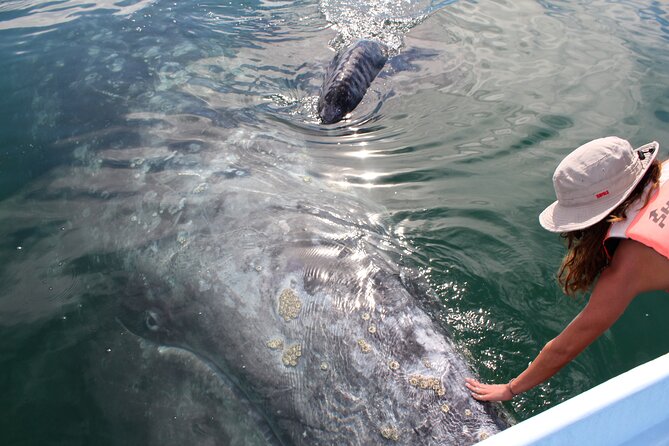
- Max six people keeps the boat feeling personal and makes it easier to spot whales together
- Marine biologist onboard means you’re not just sightseeing; you get real context for what you’re seeing
- About three hours on the water is a big upgrade over shorter whale cruises
- Eco rules that avoid forced contact help protect the animals and keep the viewing ethical
- Fresh seafood lunch in Puerto Chale turns the outing into a full day, not a quick tour and rush job
Gray Whales in Baja: What This Trip Really Targets
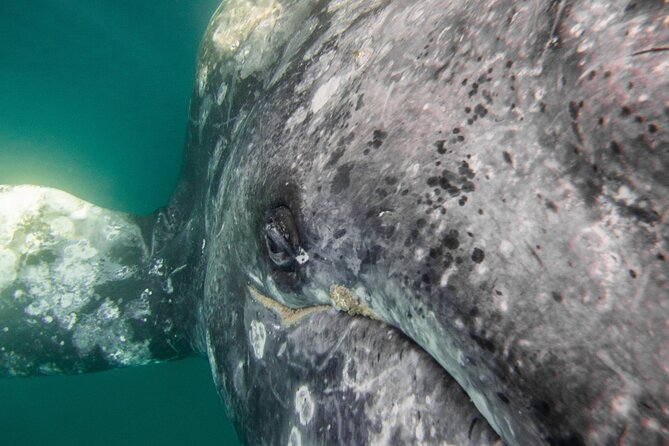
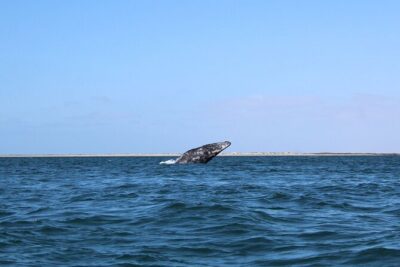
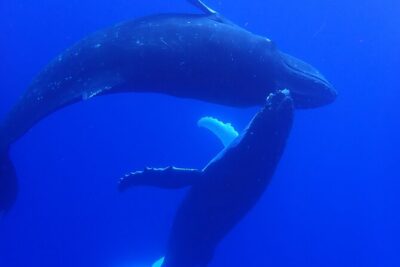
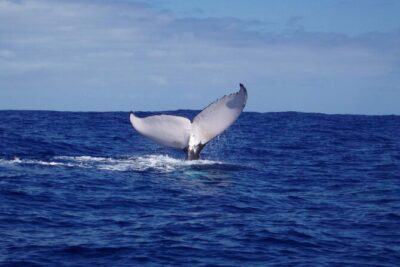
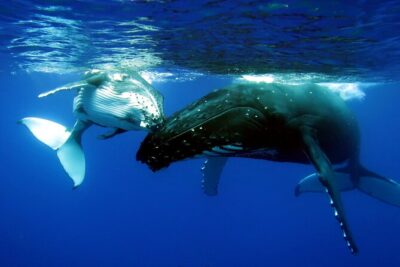
Gray whales migrate along Mexico’s Pacific coast in winter, and Baja’s lagoons are part of that seasonal story. This tour focuses on the gray whale run and gives you the kind of time on the water that helps you catch more than one behavior. One hour can feel lucky; three hours gives you a chance to see the pattern: surfacing, moving slowly through the area, and sometimes the more dramatic moments.
Also, the tour is built around respectful viewing. The big promise here is simple: whales are not forced to interact. That matters for you because it usually means a calmer boat, fewer distractions, and more observing. It also matters for the whales, and that’s the difference between a feel-good outing and a problematic one.
If you care about wildlife watching done right, this is the right vibe: small group, longer time on the water, and an expert guiding your eyes—not just your feet.
You can also read our reviews of more tours and experiences in La Paz.
The Full Day Flow: Pickup, Drive, and Puerto Chale Timing
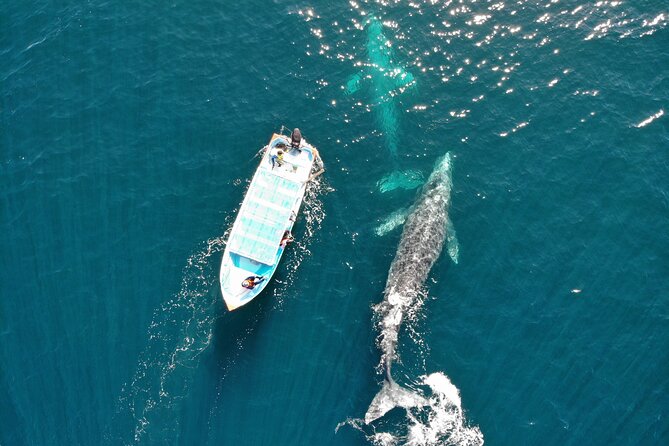
Your day starts in La Paz with round-trip transportation and hotel pickup (you coordinate the exact pickup location and time with the operator). The drive to Puerto Chale is part of the experience, even if it is long. Plan for the day to feel like a true outing, not a half-hour detour.
Once you arrive at Puerto Chale, you transfer onto the boat and get the day underway. The schedule is intentionally set up so you’re not rushing through the most important part. Most whale tours feel compressed because the boat time is short; here, you’re out for about three hours on the water. That extra time is one of the tour’s main advantages, especially if you’re hoping for photos or you just want time to watch for changing whale behavior.
When you finish on the water, you head back to shore and enjoy lunch. Then it is the same long return drive to La Paz.
Practical tip for a smooth day
Bring layers. You’re going between a warm coastal start and wind and spray once you’re on the boat. The tour recommends protection for sun, wind, and cold: hat, sunglasses, sunscreen, long sleeve, sweater, wind breaker, closed shoes, and socks. I treat that as the rule, not a suggestion.
Your Small-Group Advantage: Max Six People on the Boat
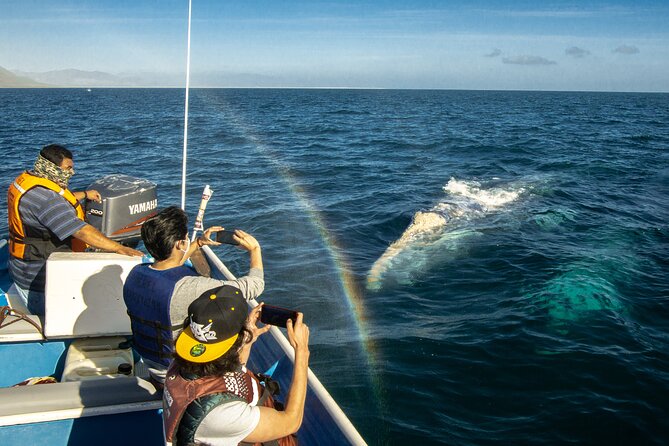
This is a small-group cruise with a maximum of six people. That number sounds tiny, because it is. And on a whale boat, tiny is the point.
With only a few people, the marine biologist can talk with you more directly and adjust how they guide spotting and observation. It also reduces the chaos of group spotting—no craning over strangers, no blocked views, no frantic reshuffling when someone shouts whale.
It also changes the feel of the boat. Even when the water is active, you’re not stuck in a big crowd system where you spend half the time trying to find your own spot. Instead, you can settle in and watch.
Marine Biologist Guide: What You Learn While You Watch
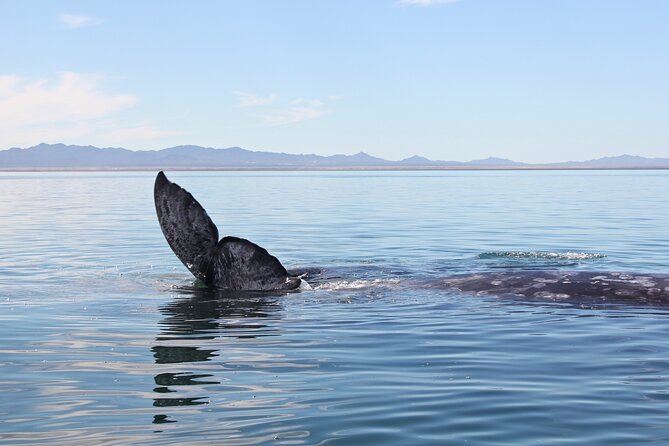
The tour includes a marine biologist guide on board. That shifts the experience from entertainment to understanding. You’re not just looking for whales—you’re learning gray whale biology and what conservation looks like in practice.
In real whale watching, the difference between seeing and really noticing comes from interpretation. A good guide helps you understand what you’re seeing: surfacing patterns, movement through the area, and why certain behaviors happen when they do. You can also get better at reading the signs before the whale appears, which means fewer missed moments when the animals show up suddenly.
Names you may meet in the real experience include Valentina, who is described as personable and knowledgeable about the region and gray whales. There are also mentions of Captain Mike and Karla as part of the team. Whether you catch the exact same crew or not, the structure is the same: expert guidance + safety + time on the water.
Ethical Viewing: The Eco-Conscious Part That Changes Everything
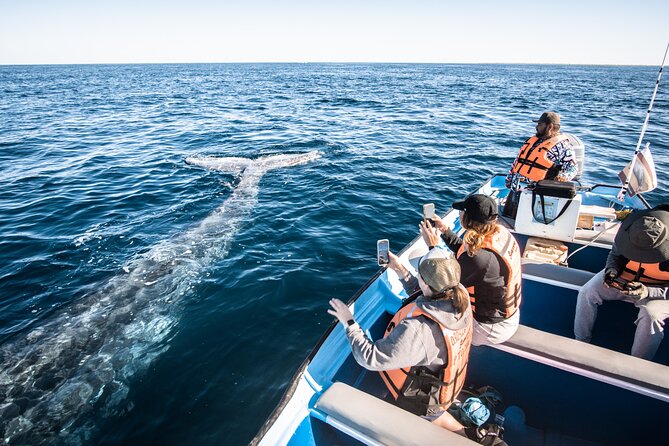
The tour’s eco approach is more than a marketing line. It’s about how whales are treated while you’re watching them.
The key commitment is that whales are never forced to interact. That matters because forced interaction can change whale behavior and increase stress. When the viewing stays respectful, the animals behave more naturally—and you get better sightings.
In the experience, that respectful approach pairs well with the longer cruise. You’re not burning through the day trying to make something happen. Instead, you’re giving the whales time to do what whales do, and you’re positioned to watch without crowding.
If you care about doing wildlife ethically, this is one of the strongest reasons to choose this specific tour rather than picking the cheapest option.
How the Boat Time Works: Spotting, Timing, and Photos
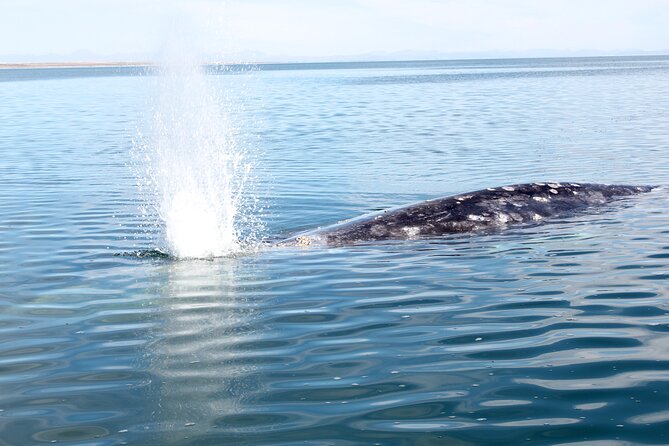
You’re out on the water for about three hours, which is long enough to experience more than one wave of whale activity. The tour is structured so that the marine biologist explains what you’re seeing, and you get time to observe and photograph.
What should you expect? You might see gray whales surfacing and moving through the lagoon area, and the day can include some of the more memorable behaviors people hope for—like spouting, cruising near the viewing area, and sometimes playful moments such as spy-hopping or breaching. Not every day is identical, but the long time on the water improves your odds of catching multiple behaviors.
The boat team also plays a role. When captains manage distance and viewing responsibly, it helps everyone get a better look—without turning the cruise into a chaotic chase. I like that this tour is designed around guidelines, not sudden improvisation.
A realistic photo note
Bring a phone mount or make sure your hands are free for steady shots. Wind and spray can make everything harder at the exact moment the whales show. This is another reason the clothing list matters: you’ll be able to stay out on deck longer and hold your camera comfortably.
Lunch in Puerto Chale: More Than a Meal Break
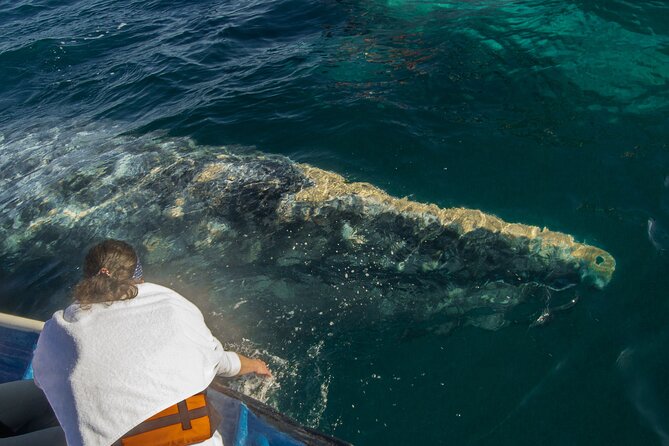
After the boat, you get lunch and snacks with beverages included. This isn’t a grab-and-go sandwich situation.
You’ll enjoy a seafood feast made with fresh ingredients, described as 100% local and freshly prepared. A standout detail from the experience is that lunch may happen at a local home in Puerto Chale. People highlight Jose’s home as part of the charm—delicious food served in a small place that feels real, not packaged.
Why this is a value win: it keeps you from spending your trip money on overpriced convenience stops. It also helps you recharge after time on the water, when wind and spray can leave you feeling cold even if the day started warm.
If you’re traveling with people who get hangry easily, this meal is a lifesaver.
Weather, Season, and the Good-Weather Requirement
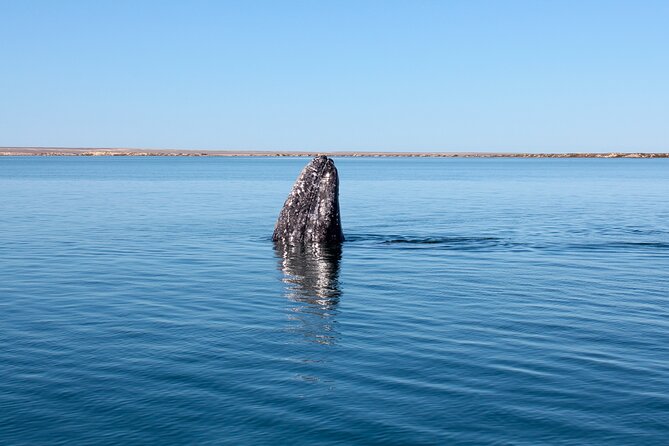
This tour runs during winter whale season, with operating windows listed for 01/18/2026–03/20/2026 and 01/18/2027–03/20/2027. It requires good weather, so if conditions aren’t right, you’ll be offered a different date or a full refund.
That weather rule is not a buzzkill—it protects both your comfort and the quality of the viewing. Wind and rougher conditions can ruin a whale day fast, even when the whales are there.
If you’re booking, pick a date where you’re not rushing to catch another flight right after. Your return is part of the experience, and that long drive is smoother when you’re not on a strict schedule.
Price and Value: Is $376.34 Worth It?
At $376.34 per person, it’s not a budget activity. But it is priced like a premium day trip, and the value is fairly clear.
Here’s where the money goes:
- Round-trip transportation from La Paz
- A marine biologist guide
- About three hours on the boat (longer than many whale tours)
- Lunch and snacks plus beverages
- Small-group size up to six people
When you compare it to shorter cruises that only give you one quick boat session, the longer time changes what you can realistically see and photograph. That’s the kind of value you feel on the water, not just on paper.
Also, because the group is small, you get a more personal wildlife-learning experience. If you want whales and education together, this tends to justify the price.
Who This Tour Is Best For
You’ll likely love this experience if:
- You want ethical, eco-conscious whale watching
- You care about understanding gray whale behavior, not just spotting spouts
- You prefer small groups over large-tour chaos
- You like a full-day plan with food included, not constant stopping and searching
It’s also a good choice for couples, friends, or small families who want a calmer boat day.
Should You Book This Gray Whale Watching Tour?
If you’re choosing between whale tours in the La Paz area, I’d book this one when these are your top priorities: enough time on the water to catch different whale behaviors, small-group viewing, and a guide who can explain what you’re seeing.
Skip it (or at least adjust expectations) if you hate long drives. This trip is about a 2 hour 15 minute journey to Puerto Chale and then the return. It’s also wise to pack for wind and cold, because time on deck can feel chilly fast.
My take: if you want whales plus a respectful, well-timed day, this is a strong pick.
FAQ
How long is the gray whale watching tour?
The experience runs for about 8 hours total, with approximately 3 hours on the boat.
Where does the tour start and is pickup included?
It includes round-trip transportation from La Paz with pickup offered. You coordinate your pickup location and time with the operator.
What is the maximum group size?
The tour has a maximum of 6 travelers.
Who guides the boat ride?
A marine biologist guide is included onboard.
What food is included during the day?
Lunch, snacks, and beverages are included. Lunch is described as fresh seafood with local ingredients.
What should I bring for the trip?
Bring protection for sun, wind, and cold: hat, sunglasses, sunscreen, long sleeve, sweater, wind breaker, closed shoes, and socks.
Is the tour offered in English?
Yes, the tour is offered in English.
Do I need a passport?
You should bring your passport. There was at least one checkpoint where passports were requested during the experience.
What happens if weather is poor?
The tour requires good weather. If it’s canceled due to poor weather, you’ll be offered a different date or a full refund.