REVIEW · CAMPBELL RIVER
Vancouver Island: People Water Land – Indigenous & Whales
Book on GetYourGuide →Operated by Homalco Wildlife and Cultural Tours · Bookable on GetYourGuide
Whales and village stories in one morning. This Homalco-led trip pairs Salish Sea wildlife with an interpretive walk at the historic First Nations site of Aupe, so the ocean adventure feels tied to place. I especially like the small-group feel and the fact that you learn while you watch. One thing to keep in mind: this is nature-first, so sightings vary, and you’ll also walk about 2 km on uneven trails.
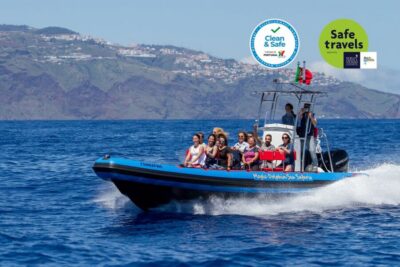
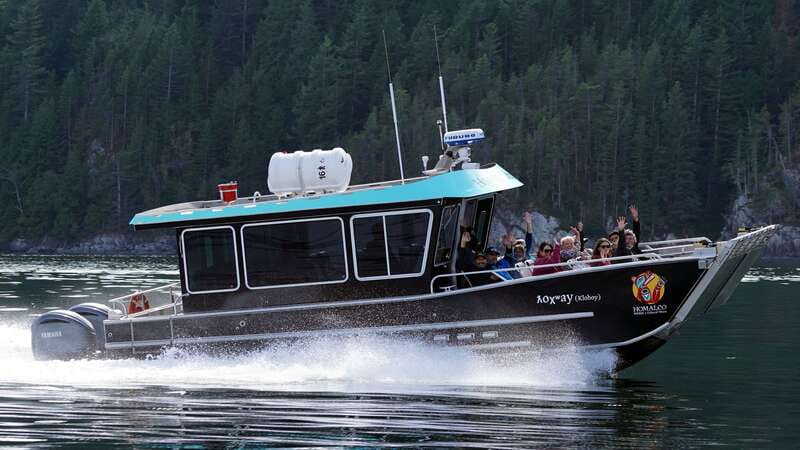
You’ll go out from Campbell River aboard heated, covered custom boats with inside and outside seating plus a toilet onboard. The goal is comfort plus clear viewing, which matters when you’re trying to spot Qʷ̓ənɛs (whales), Q̓aykʷ (eagles), and other marine life in changing weather. And because the tour is 100% owned by the Xwémalhkwu (Homalco) First Nation, part of what you pay supports whale research, salmon restoration, and Homalco youth cultural programming—so your morning has a purpose beyond photos.
In This Review
- Key highlights that make People Water Land worth your time
- 5 hours on Vancouver Island: Campbell River, landing craft, and Aupe
- Homalco guide-led culture: stories, language, and hands-on learning
- Salish Sea whale watching from inside/outside seating
- Aupe village site walk: what you’ll see, what you’ll learn
- Practical comfort tips: clothes, shoes, and binocular strategy
- Value in real terms: what your $272 covers and why it matters
- Small-group rhythm: what a morning on the water feels like
- Who should book, and who should skip this one
- Should you book People Water Land in 2026?
- FAQ
- How long is the People Water Land tour?
- What’s included in the price?
- Where do I meet the tour?
- What wildlife can you see?
- Is there a toilet on board?
- What should I bring and wear?
- What if poor weather prevents the tour from running?
Key highlights that make People Water Land worth your time
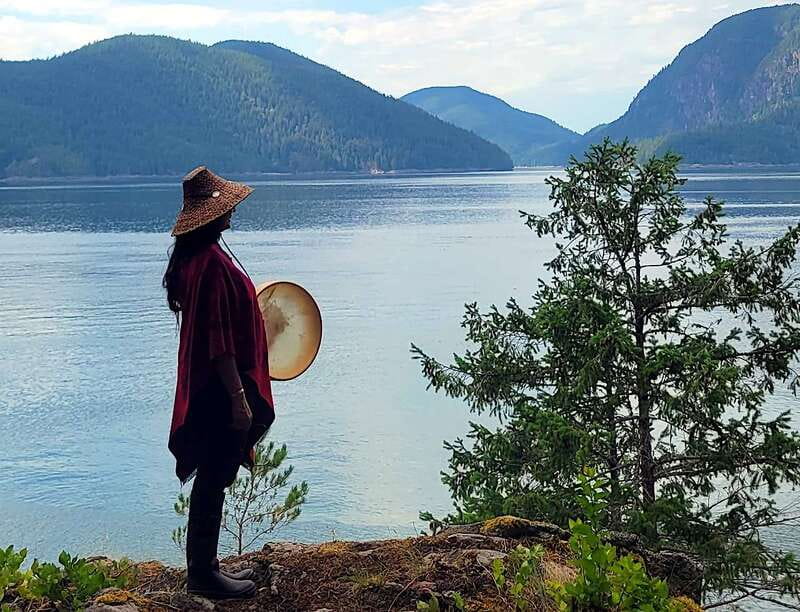
- Homalco, First Nations ownership and guidance: you’re learning in traditional territory with a guide who shares stories, language, and legends.
- Heated boats with real viewing options: inside warmth when the ride is underway, outside seating when you want eyes on wildlife.
- The Aupe village site walk: a guided look at a former Homalco community where nature has reclaimed buildings and where you hear what life was like.
- Hands-on cedar bark work: you’ll get to try weaving with cedar bark (Taχəmay) and make a bracelet.
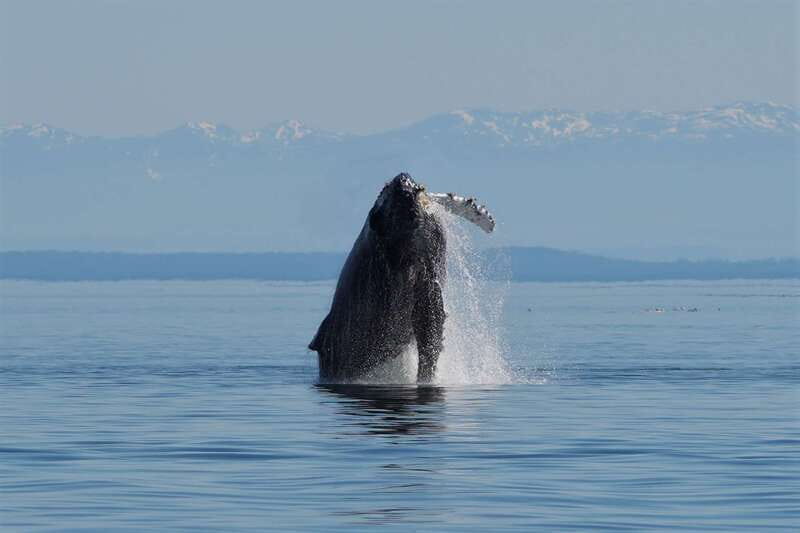
- Wildlife that can include orcas and humpbacks: you’re watching for several species across the Salish Sea and you may also see eagles and sea lions.
- Small group size (max 12): it keeps the tour feeling personal and makes it easier for your guide to answer questions.
5 hours on Vancouver Island: Campbell River, landing craft, and Aupe
This is a morning-style outing (about 5 hours) that starts with departures from Campbell River and returns after you’ve done both the on-water portion and the Aupe walk. The timing matters because marine wildlife activity can be best in the early part of the day, and you also get back to town without losing your whole afternoon.
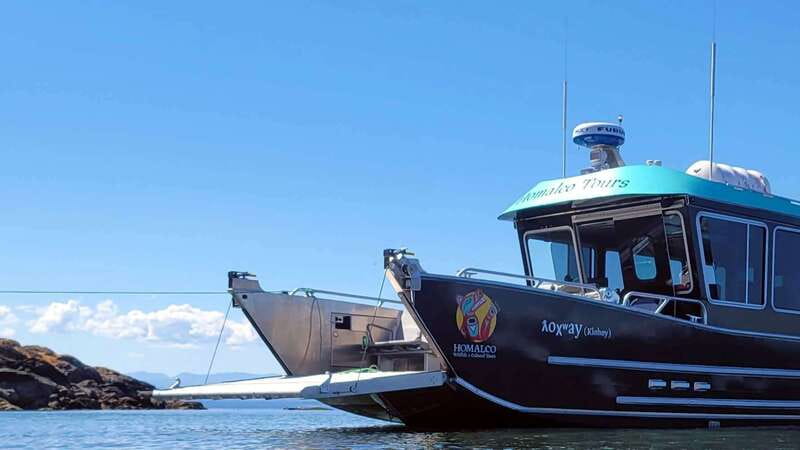
The boat setup is a big practical win. You’re on custom landing craft vessels with inside and outside seating and a toilet onboard. That means you can rotate between warmth and viewing without missing the action. If you’re sensitive to cold, this matters; if you’re eager to see whales at a distance, the open seating gives you fewer obstacles.
Routing and timing can shift based on weather and sightings. So you shouldn’t treat this like a fixed checklist where every animal is guaranteed. The tour’s value is in the blend of wildlife and learning, not in control.
Homalco guide-led culture: stories, language, and hands-on learning
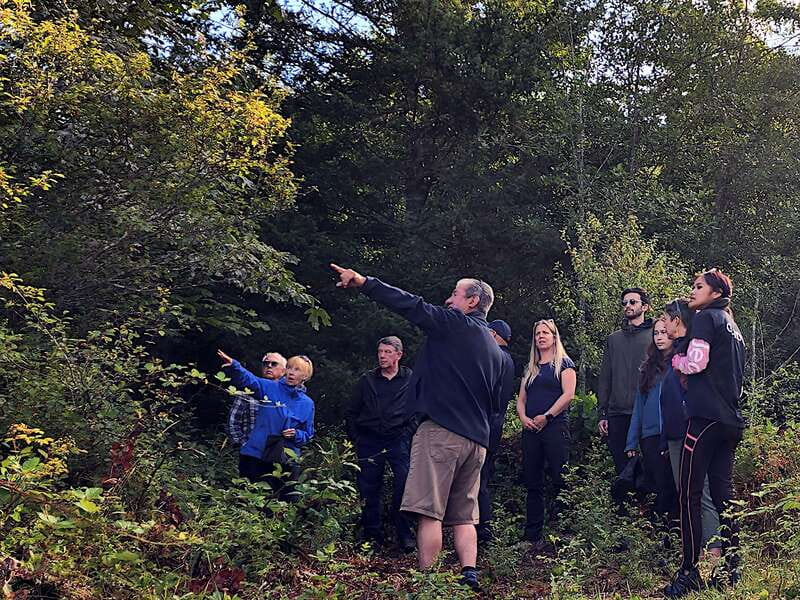
What makes this experience feel different from a standard whale tour is the guide format: you get an Indigenous guide delivering an interpretive cultural journey, paired with a skipper who runs the boat. That combo helps you understand what you’re seeing and why this coastline matters.
On arrival at Aupe, you step off the boat into the historic Xwémalhkwu (Homalco) village setting. The walk isn’t just walking. You’re given context through stories and explanations about the area and what life was like for First Nations people living on a remote Northwest Island. You also hear language connections along the way—like the names for whales (Qʷ̓ənɛs) and eagles (Q̓aykʷ)—which makes the place feel less like scenery and more like living knowledge.
One of the most memorable practical moments is the cedar bark (Taχəmay) weaving. Instead of only watching, you try your hands at making a bracelet. It’s a short activity, but it gives your brain a task beyond scanning the horizon. It also means you leave with something more personal than just a photo.
Salish Sea whale watching from inside/outside seating
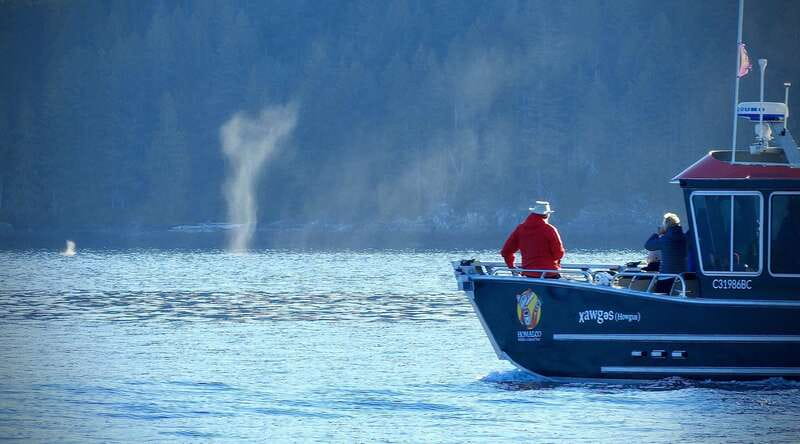
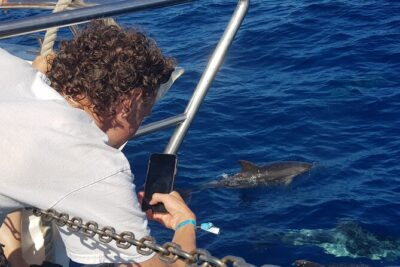
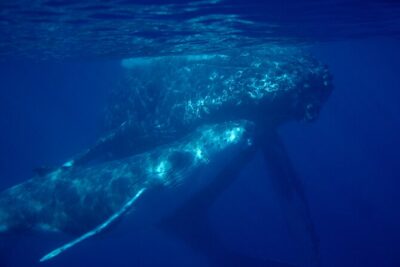
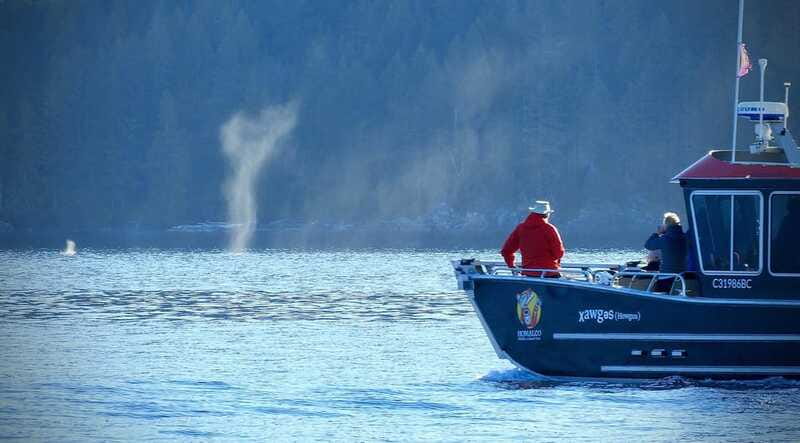
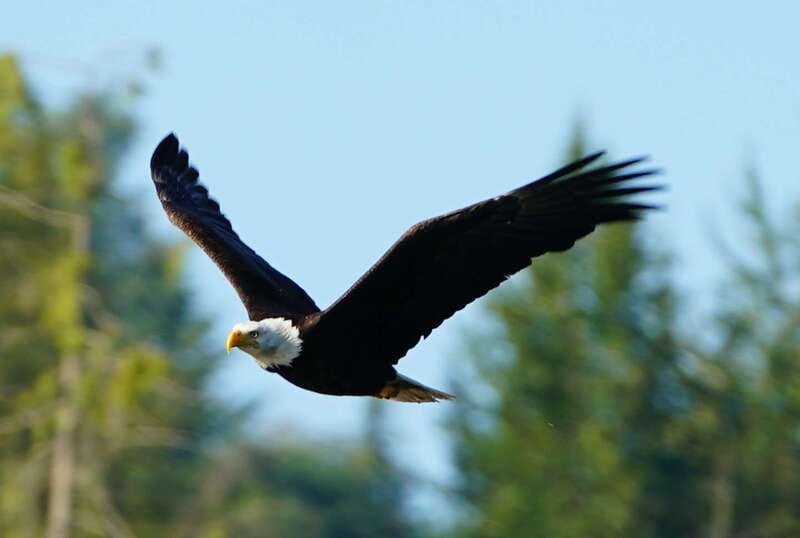
Your eyes will spend most of the trip on the water and the air. The tour is designed for wildlife spotting around the Salish Sea, and the most commonly expected species include orcas, humpback whales, dolphins, and sea lions. Bald eagles are part of the watch list too, along with the chance of other wildlife sightings depending on the day.
The boat design helps you manage wildlife spotting without freezing. When you’re traveling between viewing areas, you can stay warm indoors. When something shows up—spouts, surfacing blows, or a pod moving—you can step outside for clearer viewing. That inside/outside option is a small detail that turns into a big comfort difference on a cool morning.
Also, you’ll notice how the guides interpret animal behavior. They’re not only saying what you might see; they’re connecting it to the larger relationship between people and the marine environment. Even when you only get a distant view, the experience still feels structured and meaningful.
A reality check: whales are wild animals, so you might see some species closer than others. On some trips, you may see a whale only at a distance. The good news is that you’re also watching for other wildlife that can show up consistently, like dolphins and seals.
Aupe village site walk: what you’ll see, what you’ll learn
The Aupe stop is the cultural anchor of the day. You’re going to a historic village site associated with the Homalco people, often referred to as a former community where a significant number of people once lived. The walk gives you a sense of how the area looked before it was abandoned and how nature has changed it over time.
Expect a guided route through the village area, with stops that connect visible remnants to stories about daily life, seasonal use, and the meaning of the place. You’ll also see how older structures and footprints of the community are now partly blended into the natural environment, which is a powerful contrast: human history here is both present and reclaimed.
The best way to think of this part is as a short, focused cultural walk rather than a long hike. Still, it’s not a flat stroll. You need to be physically fit enough to walk about 2 km on trails that may include slippery rocks and uneven ground. If that doesn’t fit your body, this tour may feel stressful instead of rewarding.
If you’re comfortable on uneven trails, this is where the trip becomes more than a wildlife outing. You connect the whales and birds you spotted earlier to a human story tied to the shoreline.
Practical comfort tips: clothes, shoes, and binocular strategy
Bring warm layers. Even in good weather, it can feel cool out on the water, and you’ll spend time standing or shifting between seating areas. Rain gear is a smart call because coastal weather can change fast.
You’ll also want the right footwear. The tour requires hiking shoes, not sandals or flip-flops. You should plan for slippery rocks and uneven ground during the Aupe walk, and you’ll be happier with shoes that grip.
A few other practical points that are easy to miss until you’re at the meeting area:
- Binoculars help a lot for spotting wildlife from a distance.
- Avoid tripods. They aren’t allowed on this activity, which keeps movement and safety simpler on a small vessel.
- Pets are not permitted.
- The boat has a toilet, which reduces the stress of timing your comfort breaks.
If you’re the type who hates being cold, treat the clothing list as part of the experience, not just logistics. You’ll enjoy wildlife more when you’re not shivering.
Value in real terms: what your $272 covers and why it matters
At around $272 per person for a 5-hour outing, this isn’t the cheapest way to do whale watching on Vancouver Island. But the value comes from what’s included and who’s running it.
Your price includes:
- lunch, snacks, and beverages
- live commentary with a First Nations guide
- a small-group setup (max 12)
- a comfort-focused boat with inside and outside seating and a toilet
More importantly, part of what you pay supports whale research, salmon restoration, and Homalco youth cultural programming, plus employment and career options for Homalco people. That changes the economics. You’re not just buying transportation and a wildlife chance; you’re backing cultural and environmental work tied to this region.
Also, small group size matters. When you’re on the water and someone spots something, a small group is easier to position and easier for the guide to respond to questions. The tour tends to feel like a conversation and a guided experience, not like a crowded cattle line on a checklist.
Small-group rhythm: what a morning on the water feels like
The tour runs with a morning flow that starts with a meeting point near Campbell River’s dock area. You’ll check in and then head onto the boat, where the skipper gives you safety guidance and a clear sense of how the ride will work. If you enjoy talking to people while you wait, the start has a relaxed feel, including time for coffee at the dock area.
Once underway, you’ll move through coastal waters looking for wildlife. Dolphins and seals are often spotted earlier, and then bigger sightings like orcas or humpbacks can come later depending on the day. Even when whales are farther out, the guides keep it purposeful, pointing out what to watch for and connecting it to stories.
Off the boat at Aupe, the day shifts from scanning the horizon to listening and walking. The guide’s storytelling is part of how you experience the site, and the cedar weaving adds a hands-on element that helps you absorb the cultural side without it becoming lecture-only.
Who should book, and who should skip this one
This is a good fit if you want both wildlife and culture in the same half-day, and you like tours where Indigenous guides are the main storytellers—not add-ons.
It’s family-friendly for ages 10+, but there are rules that help it stay safe and respectful: passengers aged 10 to 17 must be accompanied by an adult 18+. It’s also family-friendly in the sense that the time on land is manageable, and the activity is structured around learning and short stops.
Consider skipping if:
- you’re under 10
- you have back problems or mobility limitations that make uneven, slippery trails hard
- you’re hoping for guaranteed close-up whale viewing (wildlife sightings depend on conditions)
Should you book People Water Land in 2026?
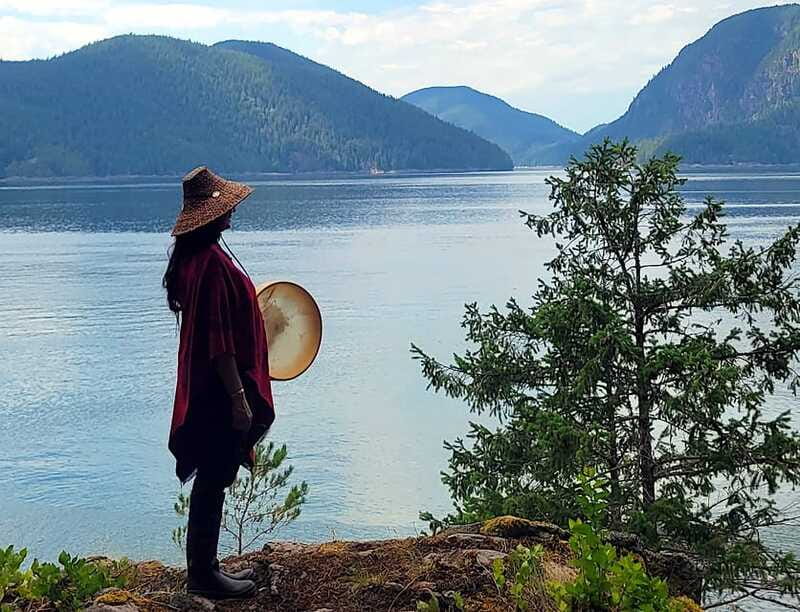
Book it if you want a morning in the Salish Sea that treats whales, birds, and shoreline history as connected. The small-group size, the inside/outside heated boat, and the Aupe walk with cedar weaving are the combo that makes this worth the money for many people.
Skip it if you need a low-effort outing. You’ll walk about 2 km on rougher trails, and you won’t control wildlife outcomes.
If you do book, pack for cold and rain, wear real hiking shoes, and bring binoculars. Do those three things and you’ll get the best version of what this tour is designed to do.
FAQ
How long is the People Water Land tour?
It lasts about 5 hours.
What’s included in the price?
Lunch, snacks, and beverages are included, along with live commentary from a First Nations guide.
Where do I meet the tour?
You meet at the Tyee Plaza Shopping Centre parking lot. Park in the regular areas and not in the spots designated for the Coast Discovery Inn. Arrive about 20 minutes early.
What wildlife can you see?
You’ll watch for whales (including orcas and humpbacks), dolphins, sea lions, and eagles. A resident black bear sighting is possible, but not guaranteed.
Is there a toilet on board?
Yes. Toilet facilities are available on the vessels.
What should I bring and wear?
Bring warm clothing, a camera, hiking shoes, rain gear, and binoculars. You’ll also want to avoid open-toed shoes, sandals, and flip-flops.
What if poor weather prevents the tour from running?
If the provider cannot operate due to poor weather conditions or unforeseen circumstances, you receive a full refund.