REVIEW · MAUI
Whale Watching Tour on a Charming Hawaiian Catamaran From Maalaea
Book on Viator →Operated by Makena Coast Charters · Bookable on Viator
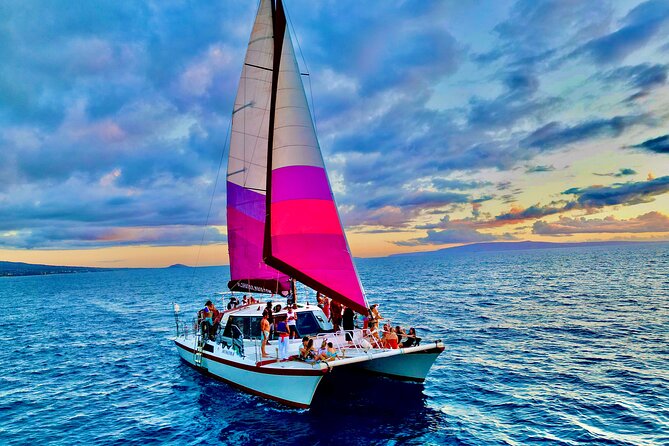
Whale songs through hydrophones make the trip special. On Maui in winter, this 2.5-hour sail from Maalaea gives you front-row access to migrating humpback whales, with West Maui, Molokai, and Lanai scenery while you lounge on a Hawaiian-built catamaran.
I like the small, not-too-crowded feel that comes with a maximum of 40 people, plus the crew approach that keeps the boat calm and organized when whales surface. I also love that you can listen for whale “songs” using underwater hydrophones, and the staff stays focused on what the whales are doing, not just where to look.
One drawback to think about: finding the boat can be tricky at first, so plan to arrive early and confirm you’re in the right place at 233 Maalaea Rd.
In This Review
- Key highlights worth planning around
- Why Winona Catamaran Whale Watching Feels More Maui Than Mega-Tours
- The 2.5-Hour Ride from Maalaea: What Happens First
- Whale-Spotting Moves: How the Crew Finds Action (and Repositioning Helps)
- The Soundtrack: Underwater Hydrophones for Whale Songs
- Where to Sit on Winona: Deck Nets, Calmer Upper Spots, and Sea Spray
- Snacks, Drinks, and the On-Board Comfort Stuff That Actually Matters
- Weather and Wind: Your Best Strategy for a Good Whale Day
- Price and Value: Is $85 for 2.5 Hours a Good Deal?
- Who This Tour Suits Best (and Who Should Rethink It)
- Should You Book the Whale Watching Tour from Maalaea?
- FAQ
- How long is the whale watching tour?
- What time of year can you see humpback whales on this Maui tour?
- What is included in the price?
- Are there restrooms on board?
- Do you ever see dolphins during the tour?
- Where does the tour start?
- What should parents bring for very young infants?
- Is there a minimum or maximum group size?
- What happens if the weather is bad?
Key highlights worth planning around
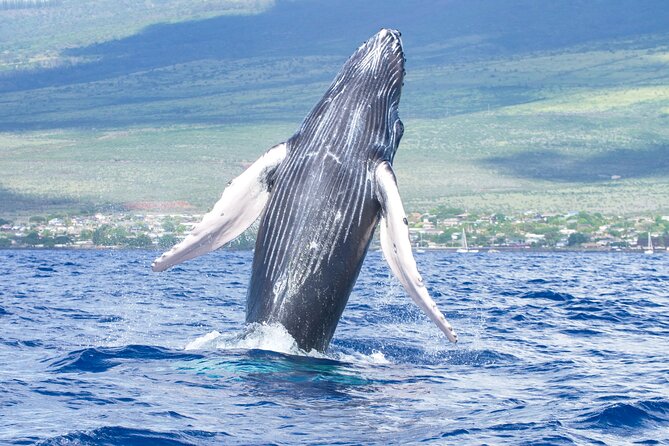
- Hawaiian-built catamaran Winona: a more intimate setting than the big fleets
- Underwater hydrophones: you can hear humpback songs through the water
- Engines-off moments when whales are close: the boat drifts so the interaction feels respectful
- 3–4 whale-search repositioning stops: the crew actively moves to where the action is
- Front seating on deck nets: splashier, but the view is often the best
- Included snacks and drinks: light bites plus soft drinks and water, with adult beverages for age 21+
Why Winona Catamaran Whale Watching Feels More Maui Than Mega-Tours
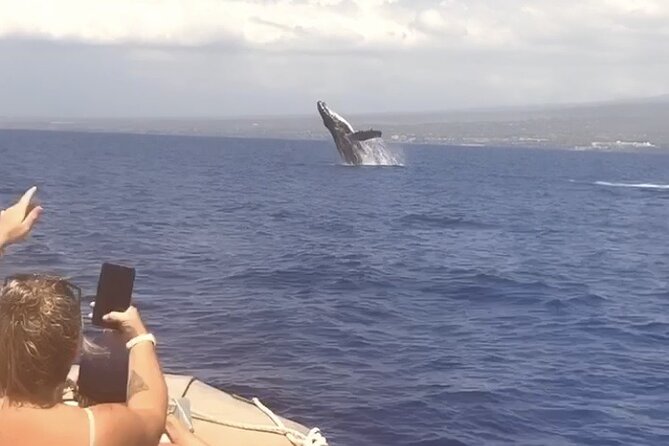
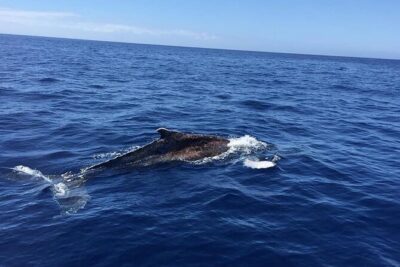
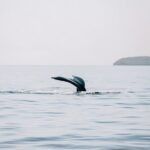
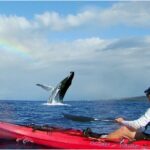
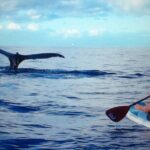
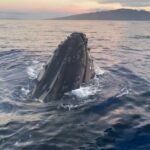
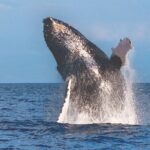
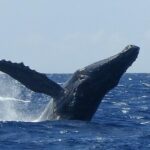
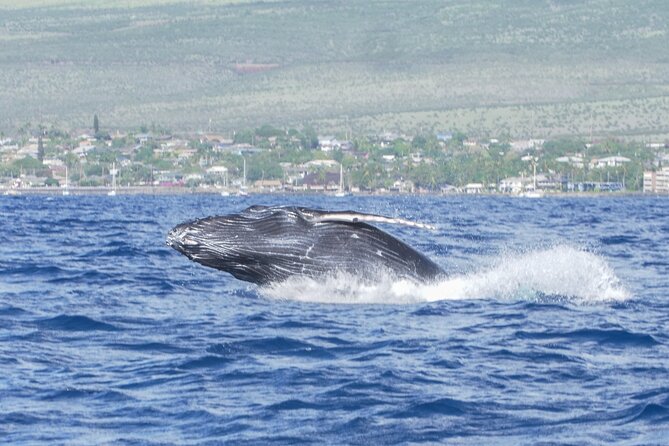
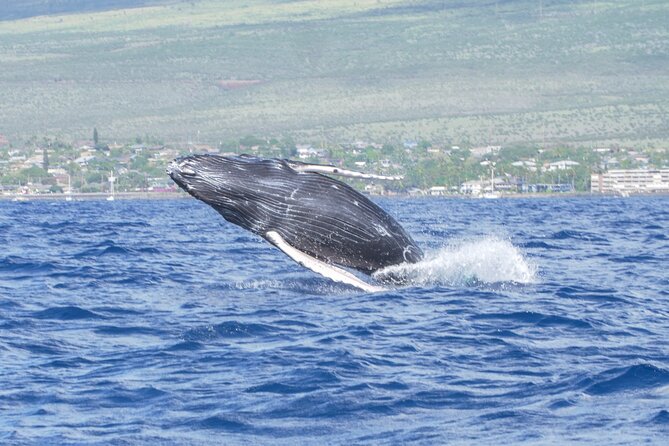
Maui’s whale season is December through March, when humpbacks migrate to warmer waters to breed and give birth. This tour leans into that natural timetable and keeps you out on the water long enough to catch whales that are actually doing whale things—breaching, slapping fins, and surfacing near the boat.
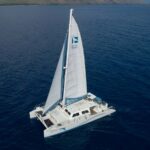
The biggest difference is the vibe. With a max of 40 people and a smaller catamaran feel, it’s easier to hear the crew, see what’s happening, and get moved efficiently when whales are spotted. You’re also on a Hawaiian-built catamaran, so the layout is made for lounging and scanning, not for corralling folks like luggage.
Another quiet win: you get two restrooms onboard, which matters more than you’d think once you’re out there watching the horizon and waiting for the next spout.
You can also read our reviews of more tours and experiences in Maui.
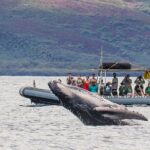

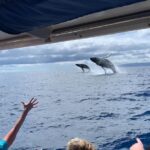
The 2.5-Hour Ride from Maalaea: What Happens First
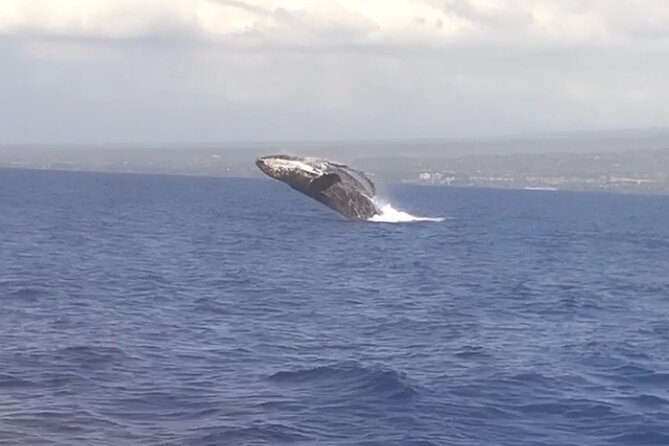
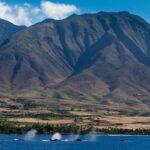
Your trip starts and ends back at the meeting point on Maalaea Rd (233 Maalaea Rd, Wailuku, HI 96793). After boarding, expect a practical start—crew guidance on safety and where to stand or sit for whale spotting. Then you’ll head out into the West Maui area, with clear sightlines toward West Maui’s mountains and the islands of Molokai and Lanai.
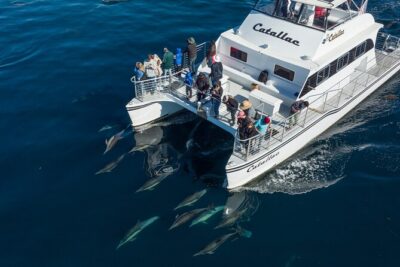
The first phase is all about searching. Whales can surface close or far, and that’s why the crew scans and rechecks—especially once the water starts doing that calm-then-activity rhythm you only get at sea. If there are dolphins in the area, you may get those occasional encounters too, which adds variety even on days when whales aren’t coming right to the surface.
This is also when you’ll want to set yourself up for viewing. If you’re chasing the best sightlines, pick your spot early, because once the crew starts tracking, you’ll be moving mostly in place—eyes up, hands ready with sunscreen, and camera at the ready.
Whale-Spotting Moves: How the Crew Finds Action (and Repositioning Helps)
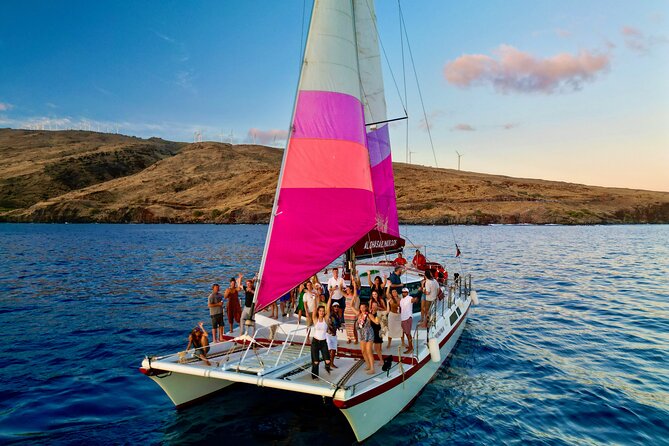
Here’s the part that makes the experience feel more than just a random cruise: the boat typically makes 3 or 4 locations to look for whales. The captain and spotters don’t treat spotting as a single moment; they treat it as a moving target. You may notice that you get a few goes at the best angles, instead of being stuck in one spot hoping the ocean cooperates.
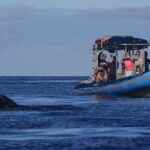
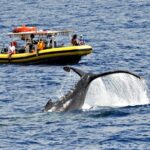
The goal is close viewing while keeping proper distance. When whales come nearer, the crew uses a careful approach—one of the most praised moments is when the captain turns off the engines and lets the catamaran drift. That reduces disturbance and often gives you that calm, almost surreal feeling as whales move in and out of your sightline.
On successful days, you’re not just getting one whale. You can end up seeing multiple animals, including mothers with calves and escorting males, depending on what the local pod is doing.
The Soundtrack: Underwater Hydrophones for Whale Songs
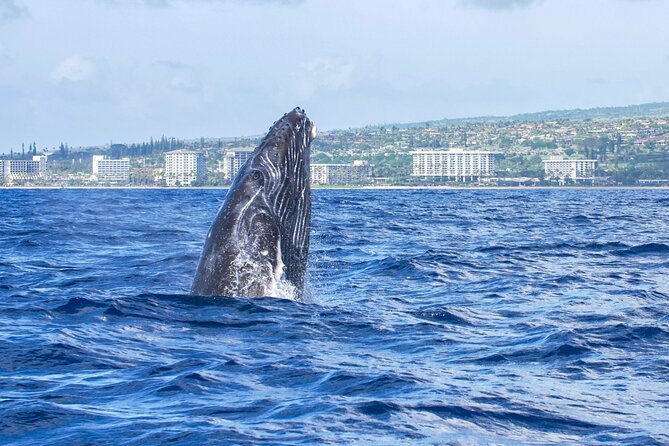
If you only remember one thing about this tour, make it this: the underwater hydrophones. Humpbacks are known for their vocalizations, and this is one of the few Maui whale experiences where you’re set up to actually listen—not just watch.
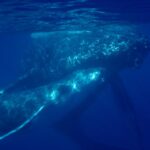
When the hydrophone is lowered into the water, you get the chance to hear the songs that normally stay hidden under the surface. It’s the kind of experience that makes your brain shift from sightseeing to wildlife appreciation. One big plus from feedback: the crew is sensitive to the moment and can tone down the onboard music so whale sounds come through clearly.
If you’re the type who loves details—behavior, biology, why whales do what they do—this part delivers. The crew provides insights while you’re watching and listening, which helps you understand what you’re seeing instead of just waiting for a breach.
Where to Sit on Winona: Deck Nets, Calmer Upper Spots, and Sea Spray
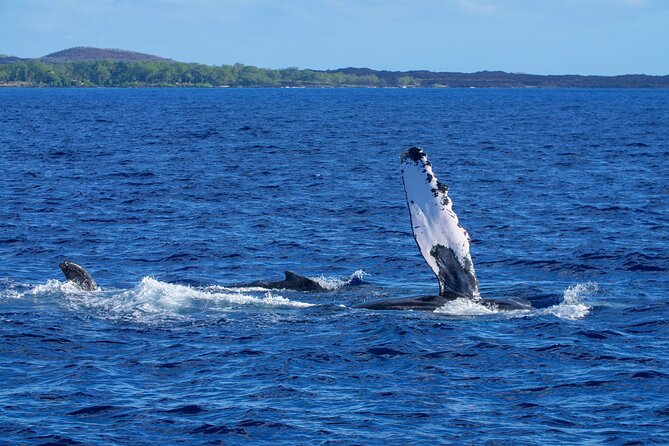
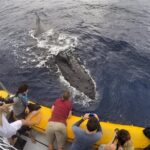
On a catamaran, seating choice matters. The boat has a deck setup where you can sit out toward the front nets for a more hands-on view. Just know the trade-off: you can get splashed. For many people, that splash risk is worth it because it’s the front-row perspective when whales are near.
If you’re more focused on comfort—or you’re traveling with someone who tends to get seasick—look for calmer areas. One practical tip from real-world experience: if seas get choppy, the captain may suggest moving to a calmer seat area up top. It’s a simple adjustment that can completely change how you enjoy the rest of the sail.
Also consider basics that improve the viewing experience:
- Sun protection (you’re on open water with Maui sun)
- A light layer for wind on the return
- A plan for keeping your eyes on the water instead of your screen
And yes—one small onboard rule can make your day easier: there’s praise for a no-shoe policy on deck, which tends to keep the surface safer and drier.
Snacks, Drinks, and the On-Board Comfort Stuff That Actually Matters
This is not a bare-bones whale trip. You get light snacks, soft drinks, juice, and water, plus adult beverages for age 21+ (two adult beverages included). In plain terms: you’re fueled enough to focus on wildlife instead of hunger, and you can enjoy a drink without hauling your own cooler.
Several people also mention that the onboard drinks and snacks feel organized and keep coming. If you want a more relaxed cruise vibe, that helps. A few reports even call out that cocktails like mai tais were well made, which makes the included adult beverages feel like part of the experience rather than an afterthought.
Then there’s the comfort factor: two restrooms makes longer ocean time less stressful, and the lounge-style layout means you’re not stuck sitting like it’s public transportation. Add island-style music and it’s a good balance—festive enough for a vacation mood, but not so loud that it ruins the whale-sound moment.
Weather and Wind: Your Best Strategy for a Good Whale Day
This tour depends on good weather. If it’s canceled due to poor conditions, you’ll be offered a different date or a full refund. That matters because whale sightings are a lot more likely when seas aren’t turning into whitecaps.
Even on a good day, Maui can bring wind. The good news is that the crew is used to that reality and keeps safety and spotting as priorities. If the water gets rough, your enjoyment comes down to positioning and expectations. Sitting farther forward can bring more spray; choosing a steadier spot up top can help if you’re sensitive.
Bring sunscreen, and think about wind management. The sun hits hard, and the breeze can trick you into forgetting you’re getting sunburnt while concentrating on whales. If you’re someone who usually feels fine but has a history of motion sickness, pack whatever helps you personally—your comfort is the difference between rushing for photos and actually enjoying the moment.
Price and Value: Is $85 for 2.5 Hours a Good Deal?
At $85 per person, you’re paying for a lot that other tours sometimes nickel-and-dime:
- a Hawaiian-built catamaran experience
- light snacks plus soft drinks, juice, and water
- two included adult beverages for age 21+
- underwater hydrophones
- onboard insight from the crew
- and two restrooms
For a whale watching tour in Maui’s winter season, that’s strong value because you’re not paying extra for the core experience: time on the water plus whale-focused equipment plus food and drinks. The other value angle is group size. With a cap of 40, the tour tends to avoid that crowded feel where you can’t see over heads or hear what the crew is saying.
It’s still important to be realistic: the ocean decides what you see. But this tour is built to improve your odds—by actively repositioning to whale sightings and using hydrophones when the whales are near.
Who This Tour Suits Best (and Who Should Rethink It)
This is a great fit if you want:
- an intimate whale watching feel on Maui (not a massive cattle-boat vibe)
- whale songs via hydrophones
- a relaxed 2.5-hour outing that includes snacks and drinks
- a crew that stays focused on behavior and biology, not just spotting announcements
Families do well here, too. The vibe reads family-friendly, and there’s helpful flexibility around kid comfort. For infants and kids ages 0–5, the tour cost is free, but parents must call to confirm.
A key caution: the tour isn’t recommended for travelers with mobility issues. There’s also a general note that you should have a moderate physical fitness level, and the boat setup can be harder to navigate if you need more assistance moving around.
If you’re planning with small children, note the life-vest rule: for infants 0–6 months, parents must bring a Coast Guard approved life vest.
Should You Book the Whale Watching Tour from Maalaea?
Yes—if you’re traveling in winter and you want the full whale experience with the practical extras that keep it comfortable. This is especially worth it if you care about more than sightings—because the hydrophones and the crew’s whale behavior explanations turn it into a real wildlife outing, not just a ride.
I’d book it when you also value smaller-group sailing. The Winona setup makes it easier to feel like you’re part of the search, not just watching from the back. And if you’re on the fence, the price helps: $85 with snacks, drinks, hydrophones, and organized whale-tracking is a pretty efficient use of your Maui time.
I’d think twice if mobility is a concern or if you’re the type who hates weather dependency. But if you can handle ocean conditions and want an authentic Maui winter activity, this one is a solid call from Maalaea.
FAQ
How long is the whale watching tour?
It lasts about 2 hours 30 minutes.
What time of year can you see humpback whales on this Maui tour?
Humpback whales are present on this route during December through March.
What is included in the price?
You get light snacks, soft drinks, juice, and water, plus island-style music. Two adult beverages are included for guests age 21+. Underwater hydrophones and onboard restrooms are also included.
Are there restrooms on board?
Yes, there are 2 restrooms on the catamaran.
Do you ever see dolphins during the tour?
Dolphin encounters are occasional during the tour.
Where does the tour start?
The meeting point is 233 Maalaea Rd, Wailuku, HI 96793, USA, and the tour returns to the same location.
What should parents bring for very young infants?
For infants 0–6 months old, parents must bring a Coast Guard approved life vest.
Is there a minimum or maximum group size?
There is a minimum of 10 travelers, and the maximum is 40 travelers.
What happens if the weather is bad?
The tour requires good weather. If it’s canceled due to poor weather, you’ll be offered a different date or a full refund.