REVIEW · REYKJAVIK
Whale Watching Cruise on a Yacht in Reykjavik
Book on Viator →Operated by Iceland Discover · Bookable on Viator
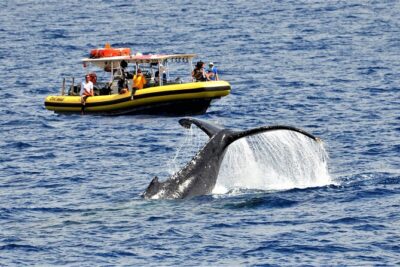
A cold spray of sea air and a calm search for Iceland’s whales. I like the way this yacht-style cruise mixes wildlife watching with real Reykjavík sights from the water, without making it feel like a rushed checklist. You’re out in Faxaflói Bay scanning for humpbacks, minke whales, dolphins, and porpoises, and your onboard team helps you read whale behavior so you know what you’re actually seeing.
What I love most is the chance for repeat luck: there’s a free return cruise if you don’t spot whales the first time. The second big win for me is comfort: the boat has both indoor shelter and open viewing decks, so you can actually keep watching even when the weather turns.
One possible drawback: whale sightings are never guaranteed, and on rough or low-visibility days you may feel the trip is more waiting than action. Also, because this is a yacht outing (not a big high-speed vessel), conditions at sea can feel more noticeable if the water gets choppy.
In This Review
- Key points to know before you go
- Leaving Old Harbour: Why a Yacht Cruise Feels More personal
- Faxaflói Bay whale search: what you’re scanning for
- Harpa from the water: Reykjavík’s most photogenic landmark
- Island passes: Engey, Lundey (Puffin Island), and Viðey
- Deck comfort, warm layers, and what matters most
- How long is it, and how the timing usually feels
- Who this whale yacht tour suits best
- Price and value: what $102 buys you in Reykjavík
- Quick practical checklist before you go
- Should you book this Reykjavik yacht whale watching cruise?
- FAQ
- How long is the whale watching cruise?
- Where does the cruise start?
- What marine animals are most likely to be seen?
- If we don’t see whales, do we get a refund?
- What should I wear on the yacht?
- Can I cancel for a full refund?
Key points to know before you go

- Old Harbour departure: You start right in Reykjavík’s Old Harbour, then move out past the city’s waterfront.
- Faxaflói Bay species mix: Expect a real shot at minke and humpback whales, plus dolphins and porpoises.
- Landmark views from the sea: The cruise includes views tied to Reykjavík’s Harpa concert hall.
- Island spotting potential: You’ll pass by Engey, Lundey (Puffin Island), and Viðey, depending on route and sightings.
- Warmth and time on the water: Bring layers; wind chill can be intense for hours on deck.
- Return cruise if needed: If whales don’t show, you get a free return cruise.
Leaving Old Harbour: Why a Yacht Cruise Feels More personal
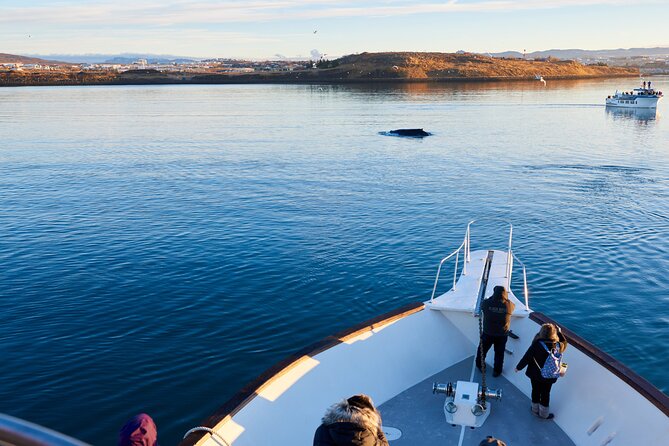
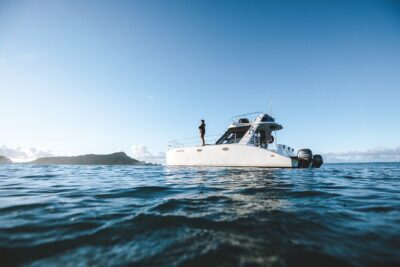
Reykjavík’s whale watching works best when you feel like you’re part of the scene, not just sitting on a giant transport. This cruise starts at Reykjavík’s Old Harbour area (Old Harbour House, Ægisgarður 2), so you’re close to the energy of the city, then quickly out over the water where the views open up.
The “yacht” factor matters. A smaller boat usually means you can find a spot to watch without playing deck Tetris. In practice, that’s why this style of trip appeals: you’re not constantly shoved around, and when the crew calls a sighting, you’re in a position to actually track what’s happening.
The other part I appreciate is the vibe shift. At the start, you’ve got Reykjavík scenery and the harbor rhythm. Then the search begins, and the focus turns to animal behavior: where whales surface, how quickly they disappear, and how dolphins move when they’re feeding or socializing.
You can also read our reviews of more tours and experiences in Reykjavik.


Faxaflói Bay whale search: what you’re scanning for
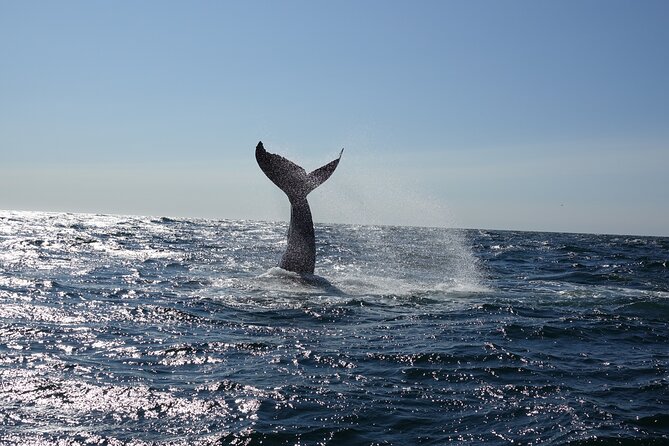
The main action is the time you spend out among the small islands and coastal stretches around Faxaflói Bay. This area is close enough to Reykjavík that you keep the city in your peripheral vision, but it’s open water enough for real wildlife encounters.
The species list is solid. The most common sightings are minke and humpback whales, and it’s also a strong bet for dolphins and porpoises. There’s always a chance of orcas—killer whales—and the crew also watches for other marine life patterns that show up when whales are active in the area.
Here’s what makes the viewing feel worthwhile even before you see whales: you’re sailing along Reykjavík’s coastline and working your way through the bay, so the experience isn’t dead time. Even when sightings take a while, you’re still out on the water with a purpose, and you’ll usually learn how the crew spots activity and communicates what they’re seeing.
One thing to keep expectations honest: whale watching is part biology, part timing. Reviews (and the nature of the sea) point to long stretches where you’re waiting, then sudden “there they are” moments. If you’re going in winter, do yourself a favor and dress for a long, windy scan, not just a quick look-and-leave.
Harpa from the water: Reykjavík’s most photogenic landmark
A whale cruise would be fun even if it stayed strictly on wildlife. But this one gives you a sightseeing layer, and Harpa is a standout.
Harpa is Reykjavík’s concert hall and conference centre, known for its striking colored glass facade inspired by the basalt landscape of Iceland. From the water, the building’s angles and reflections change as the boat moves, so it doesn’t look like just another landmark photo. It feels like the city has a new face.
Why this matters on a whale cruise: it gives you something meaningful when whale activity is slow. If you’re traveling with someone who doesn’t obsess over spotting spouts, Harpa makes the trip feel complete even on calmer days without big jumps or breaches.
Island passes: Engey, Lundey (Puffin Island), and Viðey
Part of what makes Faxaflói Bay special is the way the islands sit close to Reykjavík’s coastline. Your route can bring you past a few of the key islands in the area, and each one adds a different flavor of “Iceland from sea level.”
Engey is the second largest island in the Kollafjörður bay fjord system near Reykjavík. Then there’s Lundey, literally Puffin Island—an uninhabited island off Reykjavík’s western coast. And Viðey, the largest island in the Kollafjörður Bay near the capital.
Even if you don’t see every bird species you hope for, these island passes give you a better sense of geography. You start to understand why Reykjavík whale watching works: the sea isn’t just open water. It’s a coastline with island cover, feeding corridors, and wildlife that uses the space in predictable ways.
Deck comfort, warm layers, and what matters most
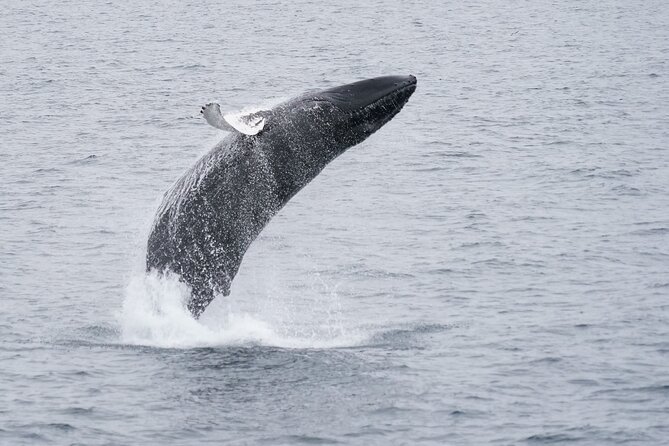
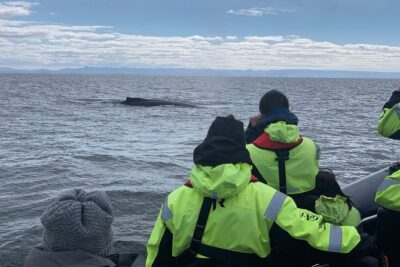
You’ll be outside long enough for the wind to matter. One pattern shows up again and again: even when the temperature on land feels mild, the wind chill on the water can make you regret not packing layers.
Your best move is to dress like you’re going to be cold for a while:
- a warm base layer
- a windproof outer layer
- gloves and a hat you’ll actually wear
- boots or shoes with grip for wet decks
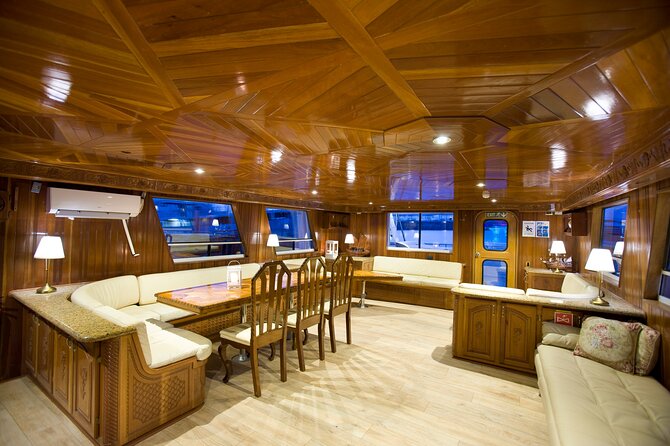
The boat setup helps. You’ll have indoor shelter, plus open areas for spotting, and that’s a winning combination. On many tours, people spend half the time stuck indoors because it’s too cold or too crowded outside. Here, the layout supports swapping between warmth and viewing.
Onboard, there’s also a small “keep you comfortable” factor. You can find coffee and snacks, and there’s a bar area where warm beverages and alcohol are available for purchase. That matters in Iceland: not because you need a drink to have fun, but because it helps you stay relaxed while you wait for the water to give you a whale.
One small practical note: toilet facilities exist, and at least some guests have reported the toilet system includes a bin for tissue rather than standard flushing. It’s not a dealbreaker, just something to remember so you don’t get stuck guessing in the moment.



How long is it, and how the timing usually feels
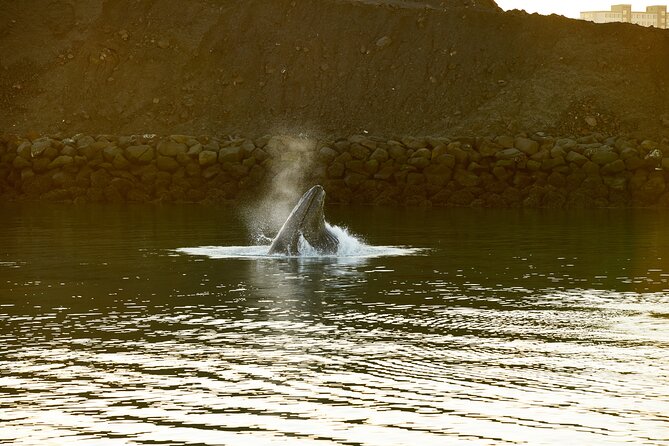
The trip runs about 3 hours. In real life, that doesn’t just mean “3 hours on the water.” It includes time leaving the harbour, searching the bay, and returning.
The most important thing for your plan: if you only have one shot at a whale cruise, this is the one to book with confidence, but still with flexibility in your schedule mindset. Whale activity can be clustered. Sometimes you’ll get multiple sightings close together. Other times, you may spend a longer stretch scanning before the sea offers a whale.
The bright side is that the crew is actively searching rather than treating sightings like an afterthought. When whale activity shows up, the tone shifts quickly: people get more focused, the boat’s movement becomes purposeful, and the viewing turns into a real “wait, there it is” moment.
Who this whale yacht tour suits best
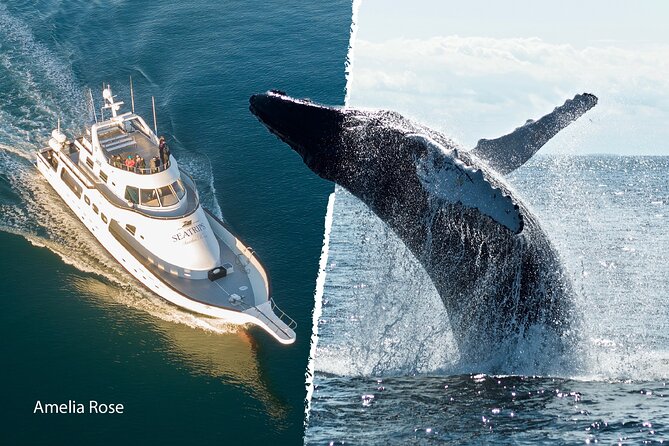
This cruise fits best if you want:
- wildlife first, city sights second (but not ignored)
- a more relaxed boat feel than super-fast, high-rush tours
- a guide who helps you understand whale behavior instead of just pointing
It can also work nicely for families. Reports include people enjoying the experience with children, and the mix of onboard shelter plus outdoor deck time makes it easier for different comfort levels.
Who might want an alternative: if your priority is maximum speed to chase sightings or you’re extremely sensitive to choppy water, you may prefer a faster option. This yacht style is often cozy and comfortable, but it can feel more affected by sea conditions than bigger, faster vessels.
Price and value: what $102 buys you in Reykjavík
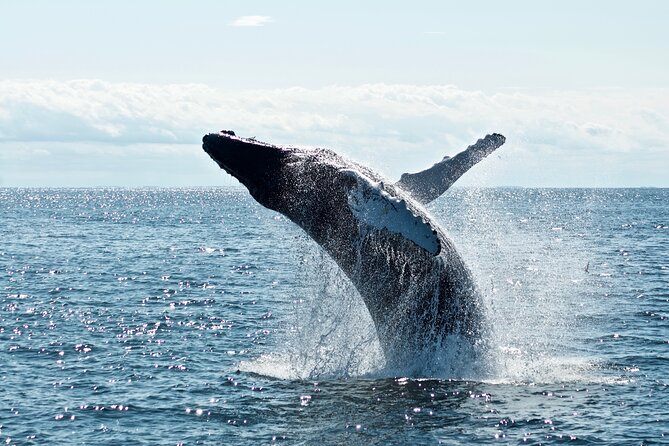
At about $102 per person for roughly a three-hour outing, you’re paying for two things: time on the water in a prime whale region and a guided search that tries to translate random water movement into actual wildlife sightings.
This is where the value stands out most for me: the experience includes a free return cruise if you don’t see whales. That one policy changes the math. If you hit a day when whales aren’t in the area, you may still end up with your money’s worth through that second chance.
Also, your experience isn’t just about whales. You get Reykjavík’s waterfront, Harpa’s glass facade from the sea, and island passes around Engey, Lundey, and Viðey. That’s a real added benefit if you’re pairing whale watching with sightseeing during a short Reykjavík stay.
A practical tip for value: if you’re on a tight itinerary, book earlier in your trip. That way, if the first outing is quiet, the free return option is easier to use before you leave Iceland.
Quick practical checklist before you go
- Bring layers for wind chill on deck.
- Gloves help more than you think.
- Wear shoes with grip for wet decks.
- Expect whale sightings to be luck-driven, and plan your schedule with that in mind.
- If you’re sensitive to motion, pack what you need; sea conditions can vary.
Should you book this Reykjavik yacht whale watching cruise?
I think this is a strong book if you want an Iceland experience that’s both outdoorsy and genuinely scenic. The mix of Faxaflói Bay wildlife searching plus Reykjavík landmark views makes it feel like you’re getting more than just a random wildlife tour ticket.
It’s also a good choice if you hate the idea of paying and getting nothing. The free return cruise if whales aren’t spotted gives you a safety net that’s hard to ignore.
Just go in prepared for two truths: the sea can be chilly and changeable, and whale sightings aren’t guaranteed. If that sounds like a fun challenge rather than a problem, you’ll likely walk away happy.
FAQ
How long is the whale watching cruise?
It’s about 3 hours.
Where does the cruise start?
It starts at Old Harbour House at Ægisgarður 2, Reykjavík, and ends back at the meeting point.
What marine animals are most likely to be seen?
The most common sights are minke and humpback whales, plus dolphins and porpoises. There is also a chance of orcas.
If we don’t see whales, do we get a refund?
You get a free return cruise if you don’t see whales.
What should I wear on the yacht?
Plan for cold wind on the water and dress in warm layers, since spending hours viewing from decks can get very chilly.
Can I cancel for a full refund?
Yes. You can cancel up to 24 hours in advance for a full refund, and the tour may also be rescheduled or refunded if canceled due to poor weather.