REVIEW · KAIKOURA
Whale Watching in Kaikoura by Boat
Book on Viator →Operated by Whale Watch Kaikoura Ltd · Bookable on Viator
A whale watch can feel like a gamble, but Kaikōura’s boat setup makes it a real hunt. On this speedy catamaran cruise, you get guided, live commentary and a serious chance at seeing sperm whales out in their natural habitat. The live narration helps you understand what you’re looking for, not just stare at the horizon.
I especially like the company’s “if it doesn’t happen, we’ll make it right” approach, built around a high success rate and an 80% refund if you don’t see a whale. The main drawback to plan for is sea conditions: the ride can be choppy, and you need to take motion sickness seriously.
In This Review
- Key Things You Should Know Before You Go
- Kaikōura by Catamaran: Why This Whale Watch Works
- Getting Onboard at Whaleway Station Road and Timing Your Day
- What You’ll See: Sperm Whales, Plus Dolphins, Seals and Sea Birds
- The Captain, the Crew, and Live Commentary That Helps You Spot Things
- Rough Water Reality: Seasickness, Clothing, and Deck Time
- Price, Value, and the 80% No-Whale Refund
- Weather Changes and Safety: What to Expect Day-of
- Who This Tour Fits Best (and Who Should Rethink It)
- Should You Book Whale Watch Kaikoura? My Decision Guide
- FAQ
- How long is the whale watching trip, and how much time will I spend on the water?
- What departure times are available?
- What are the chances of seeing a whale?
- What happens if I don’t see a whale on my tour?
- Will the tour run if weather is bad?
- What is the minimum age for children?
- What should I wear, and what should I do about seasickness?
Key Things You Should Know Before You Go
- Speedy catamaran + running commentary so you’re not guessing what all the blows mean
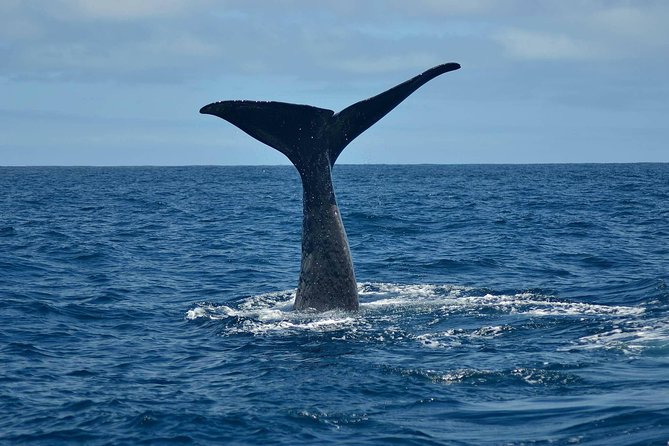
- Sperm whale focus with real-time positioning and waiting for the next surfacing
- Up to 2.5 hours on the water inside an overall ~3.5-hour outing once you factor in transfers
- 95% success rate with an 80% no-whale refund that reduces the risk of paying for nothing
- Modern purpose-built fleet and staff who actively monitor weather and sea state
Kaikōura by Catamaran: Why This Whale Watch Works
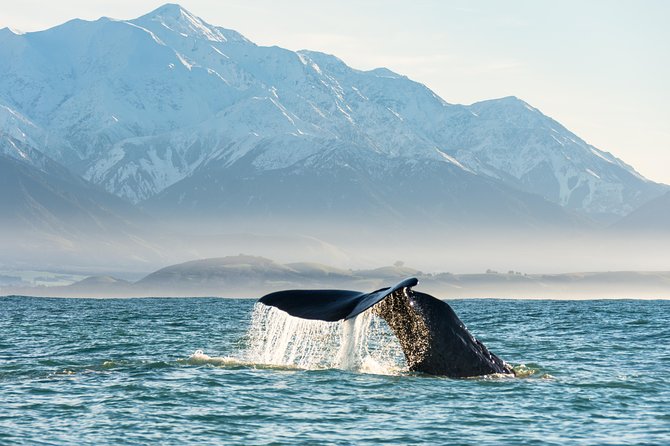
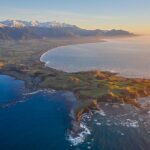
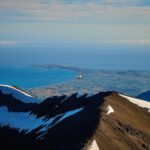
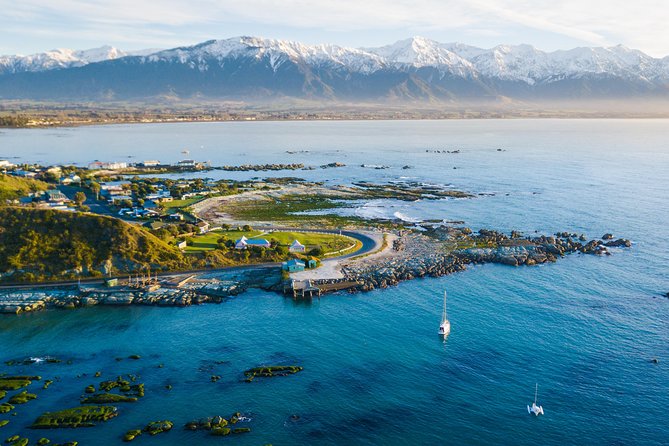
Kaikōura is one of those places where the ocean does most of the hard work for you. The coastline and underwater canyons pull in food, and that’s what brings whales and their prey close enough to find from a boat.
This tour is built for that reality. You’re not stuck on a slow ferry for hours. You’re on a purpose-built catamaran designed to get to the right part of the water and keep searching when conditions or sightings change. That matters because whales don’t show up on a timetable. They surface, exhale, and then go under again, sometimes quickly.
You’ll also get context while you’re out there. The live commentary is about more than whale trivia. It helps you read whale behavior and understand what sightings can look like. That’s how you get the most out of the moments you do have—like a brief spout, a head above the surface, or a tail flick before it goes under again.
You can also read our reviews of more tours and experiences in Kaikoura.

Getting Onboard at Whaleway Station Road and Timing Your Day
The experience starts and ends at Whaleway Station Road in Kaikōura, and there’s a bus ride involved between where you meet and where the catamarans run.
Plan on roughly 3.5 hours total for the day, even though the actual time on the water is up to 2.5 hours. That extra time covers check-in, a safety briefing, and the transfers. If you’re building the rest of your day around this, treat it like a half-day commitment.
Departure timing depends on the season, and the key thing is check-in. For the operating season Nov–Mar, tour times are listed as 7.15am, 10.00am, 12.45pm, and 3.30pm. Those are check-in times, and you’re specifically told not to arrive earlier than the posted check-in window.
One more detail that can matter if you’re trying to keep your day calm: the tour has a maximum group size of 116 people. That’s not a tiny boat group, so on the rare moment when everyone’s eyes lock onto the same whale, visibility can feel a bit tight.
What You’ll See: Sperm Whales, Plus Dolphins, Seals and Sea Birds
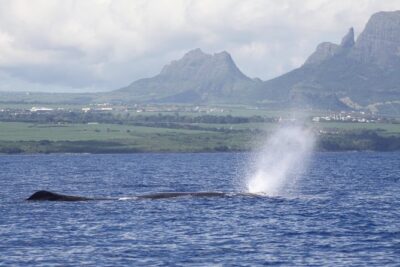
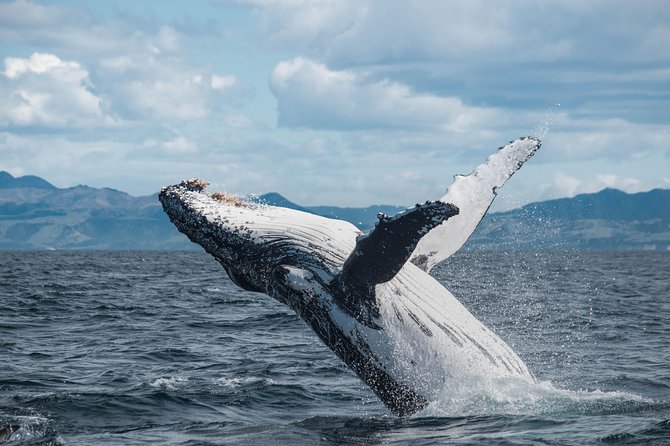
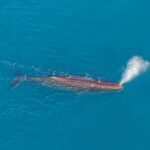
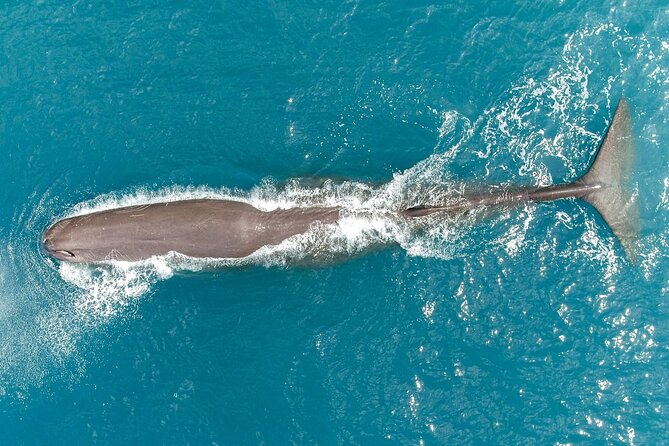
The headline animal is the giant sperm whale (often simply called sperm whale). Kaikōura is famous for this species, and this tour is clearly aimed at putting you in the right place for that experience.
That said, your wildlife list isn’t limited to whales only. Along the way, you may also see:
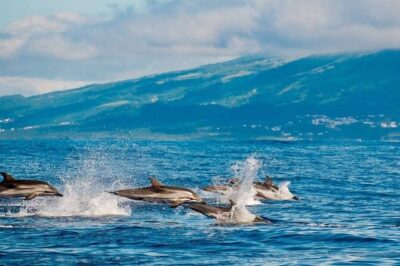
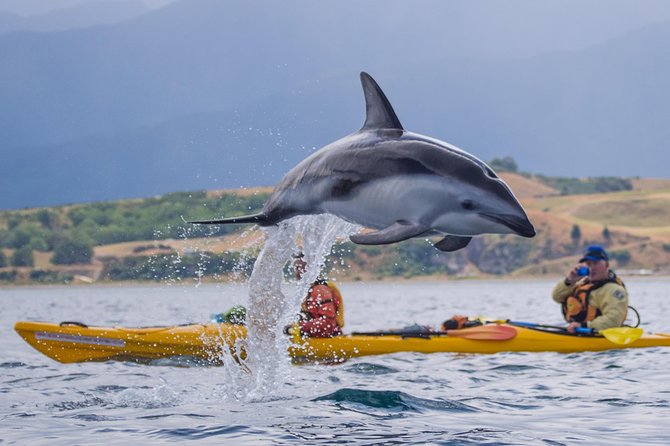
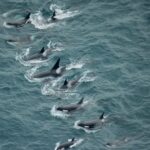
- dolphins (including pods of dusky dolphins and sometimes other dolphin species)
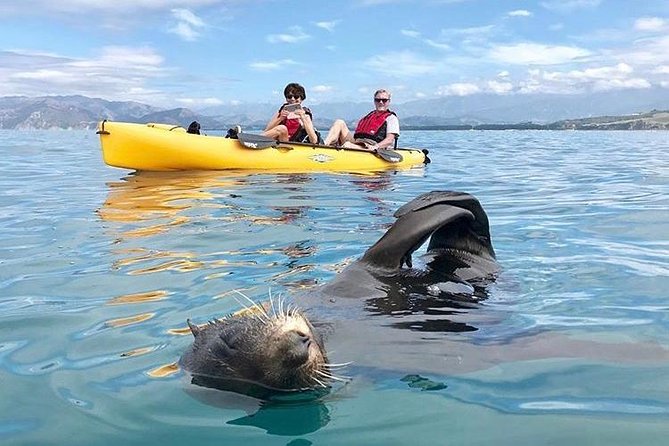
- seals
- sea birds such as albatross and petrels
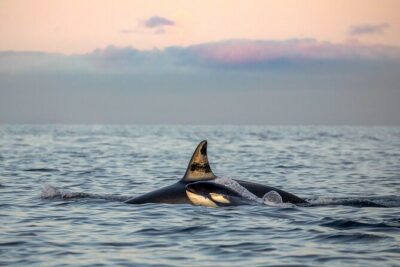
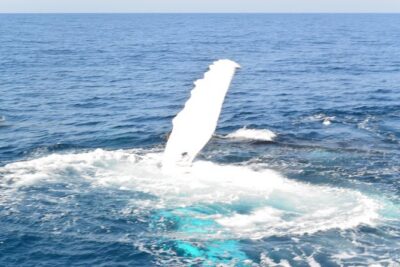
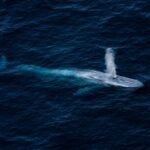
- and, depending on the day, other whales like humpbacks and even orcas
A reality check helps here. A good sperm whale sighting often looks like short, high-impact moments: spout, then the animal disappears again. One review experience described it as mostly backs and spouts rather than a long, close show like you might picture from TV. So I’d go in expecting “brief but meaningful” instead of “guaranteed close-up for the whole ride.”
When it does go your way, it can be unforgettable. I’d focus on the pattern the crew is hunting: whales surface, you get a chance to see them, the captain positions the boat, then you wait for the next surfacing. That rhythm is what turns a search into an encounter.
The Captain, the Crew, and Live Commentary That Helps You Spot Things
This is where you feel the difference between a random boat trip and a purpose-built whale watch operation. The crew runs live commentary throughout the tour, and it’s aimed at helping you interpret what’s happening out there.
You’ll also notice how much effort goes into finding and then staying with activity. Multiple accounts describe the captain positioning the boat next to whales and staying in the area while the animal surfaces again, which gives you a better chance at seeing the full behavior rather than just catching a single spout.
Guide and captain names do show up in the feedback. People specifically thanked Captain Malena for spotting a sperm whale, and Captain Fred for good commentary and local knowledge. Those names matter because they underline a common theme in the experience: people aren’t just reading a script. They’re reacting to what they see and communicating clearly.
The tour also includes award-winning onboard animations, which are useful when the sea is busy and you need to quickly connect the on-screen explanation to what you’re observing outside.
Rough Water Reality: Seasickness, Clothing, and Deck Time
Let’s talk about the part that can ruin the day if you ignore it: the ocean ride.
All the messaging around this tour points to sea conditions and motion sickness risk. One big review point was very direct: if they tell you it may be rough, believe them. There were stories of many people feeling unwell, and others stressing that buying or taking motion sickness medication made a huge difference.
Here’s what you can do before you board:
- Consider buying motion sickness pills at the retail shop on site before you go out.
- Dress warmly. You’re told to wear flat shoes and bring layers because you’ll be on the water.
- If you want time on the outside decks, you may need light waterproof clothing depending on conditions.
You may also be able to stay indoors during parts of the ride, which is a real comfort factor when the catamaran is bouncing. Even if you want deck time for photos, having an indoor option helps you recover between sightings instead of feeling stuck in the elements for the entire trip.
If you tend to get car sick, don’t assume you’re safe just because it’s a boat. It’s the same body reaction—so treat this as a “prevent first” situation, not a “wait and see.”


Price, Value, and the 80% No-Whale Refund
The price is $111.39 per person. That’s not the cheapest way to spend half a day in Kaikōura, so the value has to come from what’s included and how they handle the one thing you can’t fully control: whales don’t promise themselves.
What you’re paying for includes:
- the modern, purpose-built catamaran
- running commentary
- onboard educational materials (animations)
- a boat search with a guided crew
- bus transfers to and from the marina
- and a mobile ticket
The biggest value lever is risk reduction. The tour states a 95% success rate backed by an 80% refund if you don’t see a whale on your tour. That refund doesn’t remove all uncertainty, but it does change the mental math. You’re less likely to feel like you paid for a coin flip.
One more “value” point that shows up in feedback: people describe the operation as organized and responsive, with the captain and crew adjusting route based on what’s happening out on the water. That kind of flexibility is what you want in whale watching, because it often determines whether you spend more time searching or actually seeing.
Weather Changes and Safety: What to Expect Day-of
This tour is dependent on good weather and sea conditions. That’s not a trick. It’s how whale watching works safely.
On the day, staff monitor conditions and respond professionally. That can mean:
- a cancellation due to poor weather, with an alternative date or full refund offered
- safety restrictions that may apply, including raising age limits depending on sea state
- special caution for passengers with medical problems
If you’re the type who hates surprises, call the company’s freephone number on the day for a sea conditions update before you head down.
Also plan for the possibility that you’ll get a morning or afternoon that doesn’t feel “balmy.” Warm clothing is a smart default even when the forecast seems mild on land.
Who This Tour Fits Best (and Who Should Rethink It)
This is a strong choice if you:
- want a guided whale watch with live commentary, not just a boat ride
- care about understanding marine behavior (what to look for and why)
- can handle being on the water in potentially choppy conditions
- like the idea of a high success-rate operation plus a meaningful refund if no whale is seen
It might be a tougher fit if:
- you’re very sensitive to motion sickness and you’re not willing to take preventive steps
- you dislike crowds, because the boat can feel busy when whales surface
- you’re expecting an all-day close-up show. Real whale watching is usually quick, repeated moments rather than constant visibility
For families, there’s a minimum age of 3+, but the company can raise that minimum depending on sea and weather at check-in. So it’s worth planning for the possibility that kids might get pulled from the tour on a rougher day.
Should You Book Whale Watch Kaikoura? My Decision Guide
Book this tour if sperm whales are your priority and you want a structured, safety-focused operation that actively works the search instead of hoping for luck. The combination of a high success rate, live commentary, and the 80% no-whale refund makes it a more confident pick than most open-ended wildlife cruises.
Also book if you’re excited by the chance of extras. Even when whales are the main event, Kaikōura often delivers dolphins, seals, and sea birds in the same outing, and the crew’s narration helps you notice them instead of missing them while you’re waiting for the next whale spout.
Skip, or at least think hard, if motion sickness is your weak point. If you go, go prepared: warm layers, flat shoes, and medication beforehand. And if you’re crowd-averse, consider earlier departures when some people reported having more space aboard.
If you want one Kaikōura activity that leans practical and wildlife-first, this is a solid bet.
FAQ
How long is the whale watching trip, and how much time will I spend on the water?
The total outing is about 3.5 hours when you include check-in, a safety briefing, and bus transfers. The actual time on the water is up to 2.5 hours.
What departure times are available?
The tour operates all year with departures listed for check-in times of 7.15am, 10.00am, 12.45pm, and 3.30pm during Nov–Mar.
What are the chances of seeing a whale?
The tour states a 95% success rate for whale sightings.
What happens if I don’t see a whale on my tour?
If you don’t see a whale, you can get an 80% refund.
Will the tour run if weather is bad?
The tour depends on favourable weather and sea conditions. If it’s cancelled due to poor weather, you’ll be offered an alternative date or a full refund.
What is the minimum age for children?
The minimum age is 3 years and older. The operator may raise the age limit depending on sea and weather at check-in.
What should I wear, and what should I do about seasickness?
Dress warmly and wear flat shoes. If you plan to spend time on the outside decks, light waterproof clothing may be needed depending on conditions. The operator also recommends using motion sickness pills and notes that you can purchase them before departure.