REVIEW · KAIKOURA
Kaikoura Whale Watching – 45 Minute Ocean Safari
Book on Viator →Operated by South Pacific Helicopters NZ · Bookable on Viator
Whale spotting from the sky is a different sport. I like how this Kaikōura helicopter safari turns wildlife watching into a real aerial experience, with a flight over Kaikōura Canyon where you can scan for whales from above. It also includes a remote coastal landing, which adds scenery and photo angles you simply can’t get from the water.
Two things I especially like are the 45-minute flight time (you’re in the action long enough to actually spot and track), and the small size, with a maximum of 6 travelers. One thing to weigh: this is weather-dependent, so on a poor-visibility day your best-laid whale plans can change.
In This Review
- Key Things to Know Before You Go
- Kaikōura Canyon From 45 Minutes Up
- The Whales You Can See (and Why Season Changes Everything)
- The Remote Hilltop Landing: The Part That Feels Extra
- What Happens In the Air: Safety Gear and Real Narration Time
- Comfort, Constraints, and Who This Works Best For
- Price and Value: What You’re Really Paying For
- Meeting Point, Timing, and Easy Planning
- Weather: The One Factor That Can Change the Whole Day
- Should You Book This Kaikōura Helicopter Whale Safari?
- FAQ
- How long is the helicopter whale watching experience?
- What whales might I see on this tour?
- Where does the tour start?
- Is pickup offered?
- Are life jackets and headsets provided?
- Is bottled water included?
- How big is the group?
- What happens if weather is poor?
- What is the cancellation refund window?
Key Things to Know Before You Go
A true aerial safari: You’re flying for about 45 minutes and looking down on the ocean, not just along the shoreline.
Season shapes the species list: Sperm whales are the headline, and other whales can show up depending on timing.
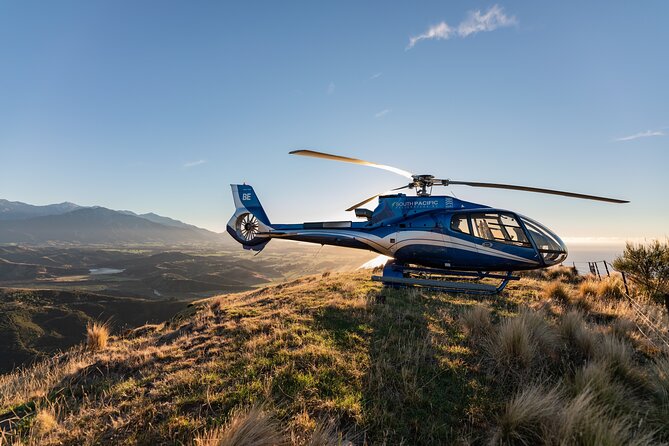
Remote hilltop landing: You’ll land somewhere only accessible by South Pacific Helicopters, with big panoramic views.
Wildlife variety, not just whales: Dusky dolphins and New Zealand fur seals are part of the experience along the coast.
Small group feel: Maximum of 6 travelers keeps it more personal in the air.
Bring your own water: Bottled water isn’t included, so plan ahead for comfort.
Kaikōura Canyon From 45 Minutes Up
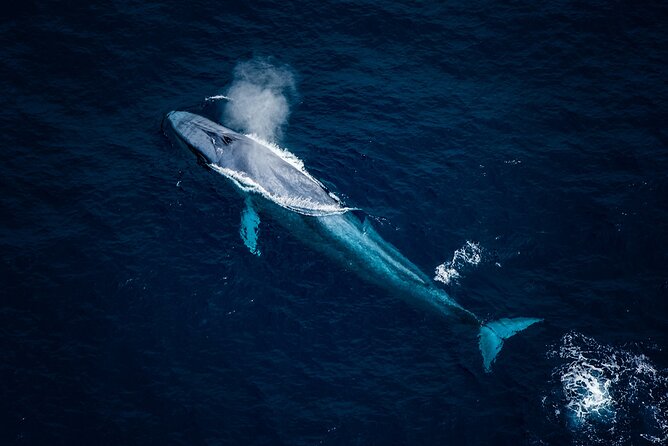
Kaikōura’s coastline is famous for marine life, but this tour gives you a vantage point that feels like cheating—in a good way. The flight centers on Kaikōura Canyon, a key area for whale watching because deep water and underwater features can pull animals closer to the surface.
The experience is built around time in the air: it runs about 1 hour 15 minutes total, with roughly 45 minutes of flight. That matters, because whale sightings can be brief or move quickly, and a longer airborne window gives you a better chance to see a whale, follow its path, and still enjoy the scenery without feeling rushed.
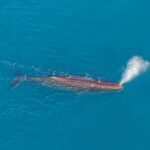
If you care about photography, this flight style is a big deal. From above, you can often frame animals against the coastline and canyon shapes, which is tough when you’re bobbing in waves.
You can also read our reviews of more tours and experiences in Kaikoura.

The Whales You Can See (and Why Season Changes Everything)
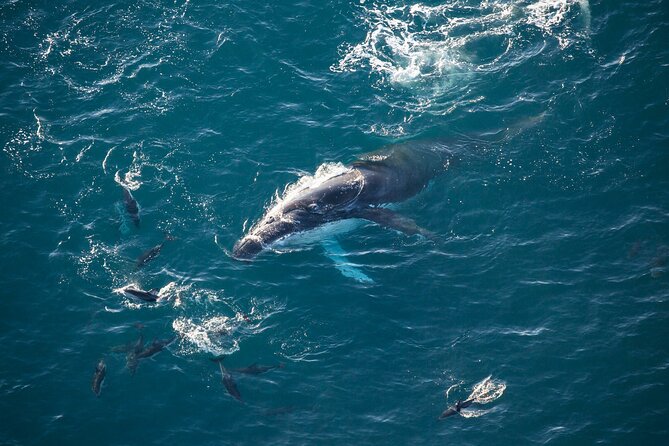
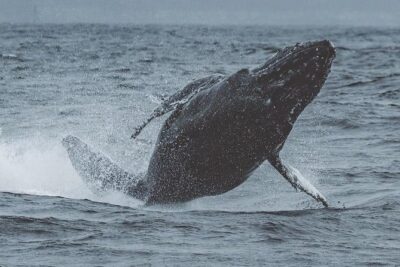
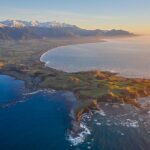
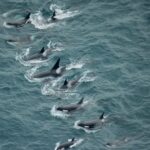
You’re not going to be guessing wildly. The tour is designed around what’s typically possible in Kaikōura, with whale species that can vary by season. Depending on timing, you may spot:
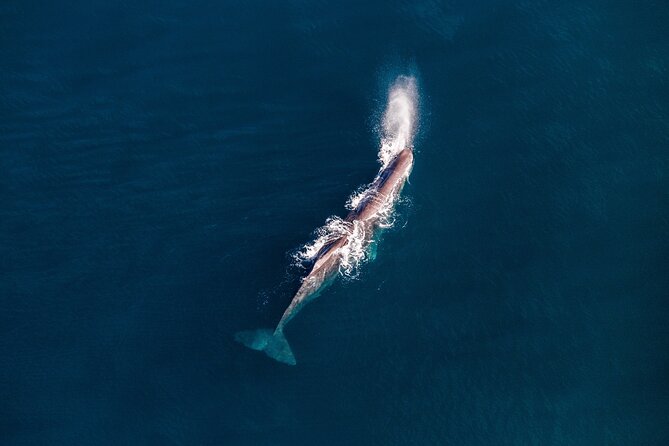
- Sperm whales (the classic target, head to tail spotting is part of the thrill)
- Humpback whales
- Southern right whales
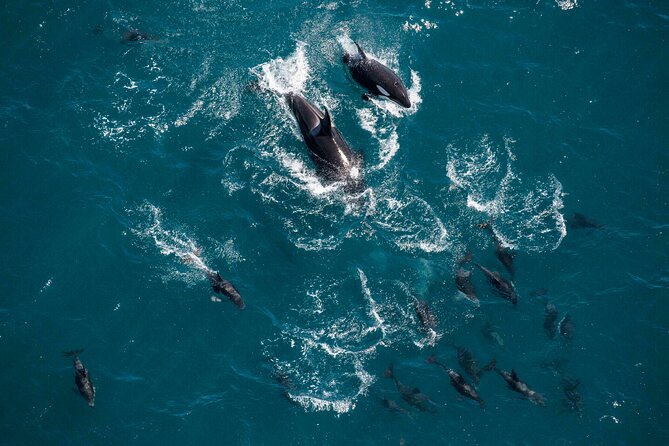
- Orca
- Blue whales
That season component isn’t just trivia—it helps you set expectations. If blue whales are the goal, pick a time when they’re more likely to be in the area. If you’re flexible, you’ll still get plenty of action potential since the canyon corridor can produce sightings across different species.
On top of whales, you’re also looking for dusky dolphins and New Zealand fur seals along the shoreline. That’s valuable because it means your experience isn’t only all-or-nothing. Even when whale sightings don’t happen the way you hoped, you’re still scanning for other marine life while the coast unfolds below you.
The Remote Hilltop Landing: The Part That Feels Extra
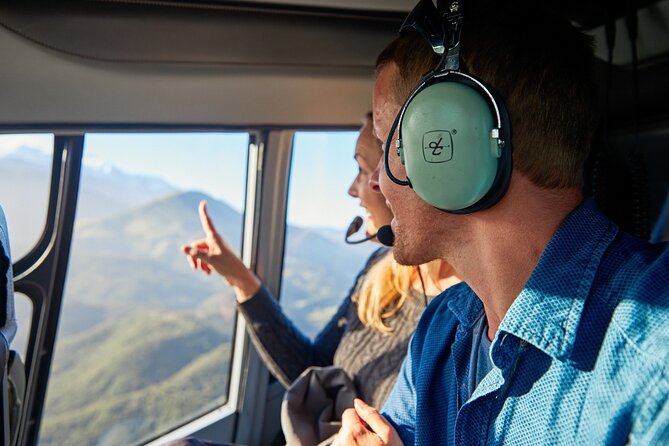
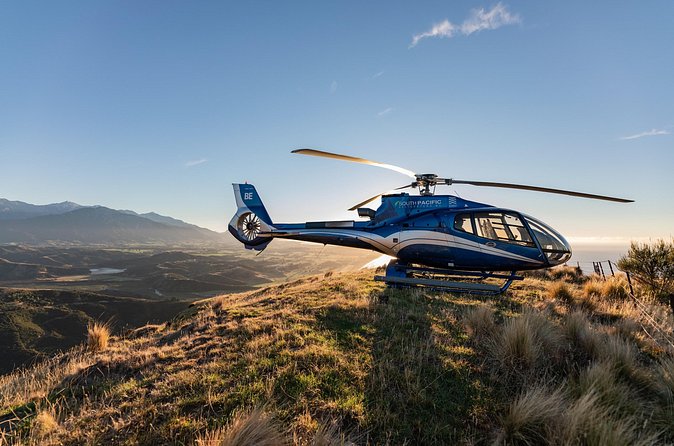
A big reason this tour gets talked about is the landing. You don’t just take off and land back the same way; you land at a remote coastal hilltop site that’s only accessible through South Pacific Helicopters.
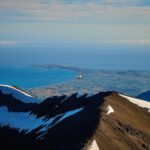
What I like about this stop is how it changes the rhythm. A lot of wildlife tours keep you on the move. Here, you get a moment to look out over the Kaikōura Ranges, rolling hills, and the turquoise waters below from a higher, safer viewing point than most other tours can offer.
It’s also where you can catch your bearings fast—especially for photos. From the hilltop, the coastline and ocean pattern are easier to read, so your whale-and-dolphin tracking makes more sense when you’re back in the air later.
One practical note: the landing is part of the “about 1 hour 15 minutes” total time. So you’re not spending hours on the ground, but you are getting a meaningful add-on that feels like more than a scenic detour.
What Happens In the Air: Safety Gear and Real Narration Time
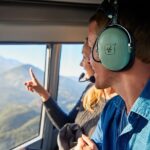
You’ll be set up with life jackets and headsets. That combination is there for a reason: you’ll need headsets to hear safety and commentary over rotor noise, and the life jacket is the standard you want for a helicopter operation over ocean.
The tour also includes narration and explanation during the flight. In past experiences on this route, pilots like Daniel have been singled out for clear commentary about the bay and sea mammals, plus an upbeat but safety-first approach. That kind of guidance matters because it helps you identify what you’re seeing instead of just hoping you catch a spout or flick.
This is where the small group size helps too. With a maximum of 6 travelers, you’re less likely to feel lost in a crowd. Everyone tends to get a decent chance at a view line, and the pilot can manage the in-air spotting rhythm without feeling like they’re herding a big group.
Comfort, Constraints, and Who This Works Best For
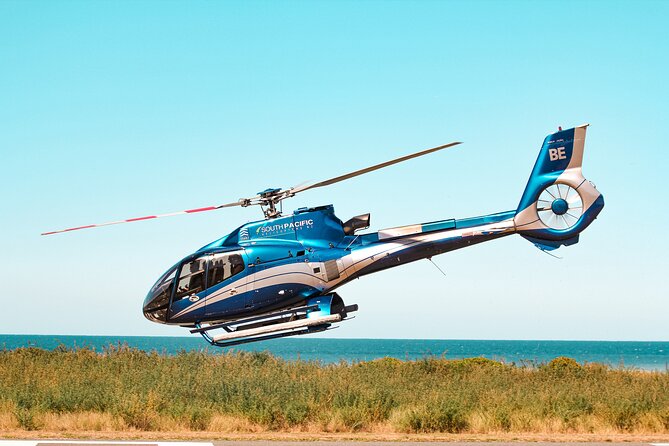
Helicopters are intense, but this one is designed for “most travelers can participate.” The details that matter are the constraints and the pacing.
- Total weight per passenger: 276 lbs
- Group size: max 6 travelers
- Service animals allowed
If weight limits are relevant for your group, confirm early. If you’ve got a question about comfort for sitting in close quarters, it’s worth planning as if you’ll be in flight for up to 45 minutes, plus some time in the overall tour.
Who tends to enjoy this most?
- Nature lovers who want a premium wildlife view instead of waiting for long, uncertain time on the water
- People who are excited by aviation as much as animals
- Families who want one big “wow” moment in a short window
Who might want a backup plan?
- Anyone who’s not comfortable with weather-driven changes (because this tour requires good weather)
- People who mainly want an easy, low-cost whale option without helicopter pricing

Price and Value: What You’re Really Paying For
At $511.97 per person, this is not a budget activity. The value isn’t in the sticker price—it’s in what you get per minute.
You’re paying for:
- A 45-minute aerial window focused on whale-spotting corridors
- A remote hilltop landing that adds distinct scenery
- Gear support like headsets and life jackets
- A small-group operation (max 6 travelers), which often improves the experience quality in-air
If you’ve done whale watching before from boats, this may feel like the expensive version for a reason: the helicopter reduces the time spent searching and gives you the “from above” perspective that changes what you can identify. When whales show up, it can feel like the difference between seeing something at street level versus from a rooftop.
On the flip side, the weather requirement means you shouldn’t assume you’ll always get the whale you’re hoping for. One good review angle is that even when no whales show, the flight and scenery can still deliver. Still, if your trip hinges on seeing a specific whale, time your visit wisely and go in with flexible expectations.
Meeting Point, Timing, and Easy Planning
This tour starts at 627 State Highway 1, Peketā 7374, New Zealand, and it ends back at the meeting point. A pickup option is offered, so you might not need to arrange your own transport all the way to the start.
The day moves quickly. Plan for short travel time to the launch point, and treat the overall duration—about 1 hour 15 minutes—as a block you can’t easily break up.
You’ll also have a mobile ticket, and you should receive confirmation at the time of booking. That’s helpful if you like to keep things streamlined on the road.
What about what to bring?
- Wear something warm enough for coastal air since you’ll be outside before and after flight.
- Bring your own water, since bottled water isn’t included.
- If you’re serious about photos, have a phone/camera charged and ready before you arrive—once you’re in the air, you’re mostly just watching and shooting.
Weather: The One Factor That Can Change the Whole Day
This experience requires good weather. If conditions are poor, the tour may be canceled and you’ll be offered a different date or a full refund.
That’s why I treat it like a “conditional highlight.” If you’re planning a trip with multiple activities around one day, leave room so you’re not stuck with a schedule that has no flexibility.
The good news is that the company handles weather-related changes with clear options. So you’re not left guessing what to do if the sky isn’t cooperating.
Should You Book This Kaikōura Helicopter Whale Safari?
I’d book this if you want the fastest path to a high-impact wildlife experience in Kaikōura, especially if you’re excited about seeing marine life from above and you value the remote landing as part of the story.
I might skip it (or look at alternatives) if:
- your budget is tight, because this is a premium outing
- helicopter riding is a hard no for your group
- you can’t shift dates if weather cancels the flight
My practical take: if whales are a top priority, pick your dates with the species you want in mind, be ready for weather reality, and go for the whole package—flight time plus the hilltop views—rather than thinking of it as only a “whales or nothing” gamble.
FAQ
How long is the helicopter whale watching experience?
The total experience time is about 1 hour 15 minutes, including approximately 45 minutes of flight.
What whales might I see on this tour?
You may see sperm whales, humpback whales, southern right whales, orcas, and even blue whales depending on the season. Dusky dolphins and New Zealand fur seals are also part of the wildlife you’ll look for.
Where does the tour start?
The meeting point is 627 State Highway 1, Peketā 7374, New Zealand. The activity ends back at the meeting point.
Is pickup offered?
Yes, pickup is offered. The tour also lists a specific meeting point in Peketā in case you’re meeting the group directly.
Are life jackets and headsets provided?
Yes. Life jackets and headsets are included.
Is bottled water included?
No. Bottled water isn’t included, so plan to bring your own.
How big is the group?
This tour has a maximum of 6 travelers.
What happens if weather is poor?
The tour requires good weather. If it’s canceled due to poor weather, you’ll be offered a different date or a full refund.
What is the cancellation refund window?
You can cancel for free up to 24 hours in advance for a full refund. If you cancel less than 24 hours before the start time, the amount paid isn’t refunded.