REVIEW · KAUAI
Winter Whale Watching Adventure in Kauai
Book on Viator →Operated by Captain J's Kauai Offshore Adventures · Bookable on Viator
In This Review
- Winter whales, right on your horizon
- Key highlights you’ll care about
- Open-Air Winter Whale Watching on Kauai: What Makes It Different
- The 2-Hour Plan: From Eleele Marina to Whale Action
- Getting to the boat and making the most of the time
- Stop 1: Kauai waters (your whale-spotting window)
- Hydrophones and Whale Sound: A Rare Extra You Should Hope For
- Crew Energy, Safety, and Comfort in Choppy Water
- When the ocean turns rough
- Music onboard: fun for many, annoying for some
- What You Might See: Humpbacks and More
- Price and Value: Is $137 Worth It?
- Before You Go: Who This Tour Fits, and Who Should Skip It
- Basic fit requirements
- Medical and condition restrictions
- Comfort and what to bring
- Should You Book This Whale Watch?
- FAQ
- How long is the whale watching tour?
- Where is the meeting point for Captain J’s Kauai Offshore Adventures?
- What age is the minimum for this tour?
- Is the boat open-air, and will I get wet?
- Are hydrophones used during the trip?
- What physical abilities do I need?
- What happens if weather is bad?
Winter whales, right on your horizon
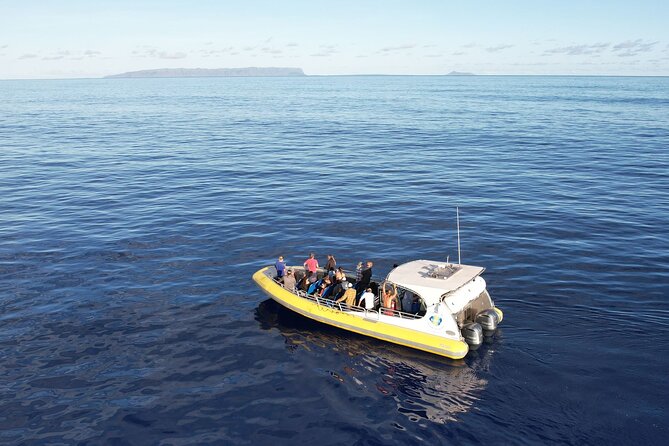
A winter whale watch in Kauai is all about timing, and this one has the right setup for chasing humpbacks fast. I like the open-air super-rafts and the 360° views, because you’re not stuck with a narrow viewing angle when a whale surfaces. The ride is built for real ocean conditions, so you’ll feel the day’s personality out there: calm when the sea behaves, bumpy when it doesn’t.
My favorite part is the chance to listen under the surface with hydrophones when conditions allow, plus the crew’s active search for breaching, tail-slapping, and cruising humpbacks. The main drawback to plan for is simple: this is an adventure boat ride, and you can get wet depending on waves and where you sit.
Key highlights you’ll care about
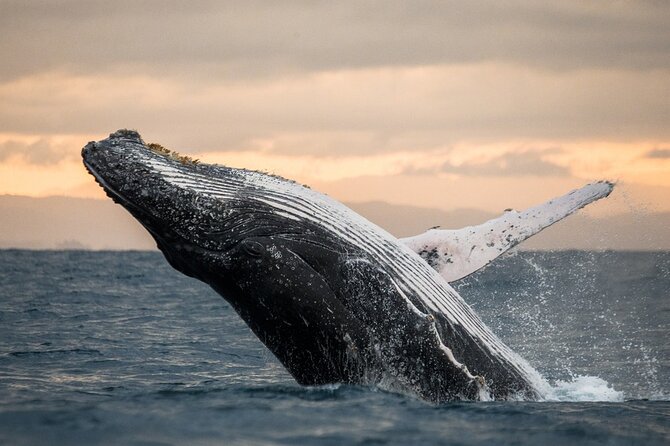
- Open-air super-raft with 360° whale viewing, so you can track a breach or tail-slap from multiple angles
- Hydrophones when conditions allow, giving you a rare chance to hear underwater whale song
- Small group limit (max 28), with many trips feeling closer than the big-boat experience
- Fast, active captains who reposition to improve your viewing chances when whales surface around the boat
- Bring a towel mindset, because sea spray is part of the deal on a winter ocean
You can also read our reviews of more tours and experiences in Kauai.
Open-Air Winter Whale Watching on Kauai: What Makes It Different
This tour is for people who want whales plus movement. You’re not touring on a slow, glassy lake-feel boat. Instead, you’re on a super-raft designed for adventure, with open sides that keep the air moving and your sightlines wide. That matters on a humpback day, because whales don’t just “come to you.” They surface, move, and surface again, sometimes out of the wind and sometimes in rougher chop.
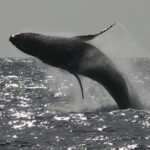
Winter on Kauai is the season when humpbacks migrate through. You’ll be looking for classic winter behavior: breaching, tail-slapping, and the slower cruising that lets you watch them breathe, angle, and then disappear. Some days feel easy. Other days feel like you’re holding on and hunting at the same time. Either way, the crew plans around what the ocean gives that day.
You’ll also get a strong “ocean sense” to the experience. Open-air means the sounds and spray are real, and that can make whale sightings feel more immediate than you’d expect from a boat. Add in the hydrophones when conditions allow, and you get a bonus you can’t replicate from shore: hearing the underwater sounds when the captain decides it’s the right conditions for it.
The 2-Hour Plan: From Eleele Marina to Whale Action
The trip runs about 2 hours, and it’s built around one main focus: getting you out to the hunting grounds quickly and positioning you for the best angles. You start at Captain J’s Kauai Offshore Adventures, 4353 Waialo Rd #4B, Eleele, HI 96705, and the tour ends back at the same meeting point.
Getting to the boat and making the most of the time
Plan for a short but real walk: you need to be able to walk about 200 yards to and from the boat. This matters if you’re coming straight from a parking spot and you’re thinking sandals and flip-flops only. Good footwear helps you move fast and stay steady when everyone’s loading up.
Once onboard, the crew’s job is to turn a moving ocean into a hunt. That usually means speed out to the area where humpbacks are likely to show, then repeated positioning as whales surface. Expect the ride to be fast and sometimes bumpy. It’s part of how they reach and search, and it also affects how comfortable you’ll feel during the ride out and back.
Stop 1: Kauai waters (your whale-spotting window)
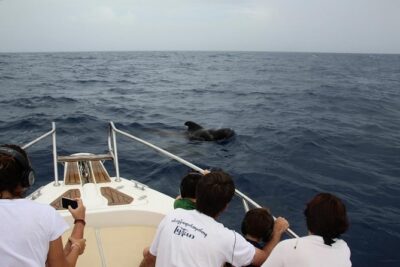
Once you’re out in the water, you’re scanning for signs: surfacing blows, body angles, and the moments where a whale decides to show off. The crew uses active searching and positioning to maximize your chances, including when whales surface farther from one side of the boat. Several guides have been praised for trying hard to turn the boat so people on both sides get a shot at seeing the action.
On a day with calmer water, you might feel more like you’re sightseeing with the coast around you. On a rougher day, the trip feels more like you’re on assignment. Either way, the goal stays the same: give you 360° views and a fair chance to watch behavior up close—breaches, tail-slaps, and cruising.
Hydrophones and Whale Sound: A Rare Extra You Should Hope For
Not every day is right for audio tech at sea, but when conditions allow, you get a chance to hear the underwater world with hydrophones. The effect can be surprising in the best way. Instead of only watching surface behavior, you get a glimpse of what’s happening below, when the whales communicate with sound.
Some guests also describe listening through onboard equipment during the tour. Either way, treat it as a “nice if it works” bonus, not a guarantee. It’s weather- and ocean-dependent, which is why the captain will decide when it’s appropriate.
If you’re the kind of traveler who loves nature details—how animals move, communicate, and react—this audio component can turn a great sighting day into a “I’ll remember this forever” day.
Crew Energy, Safety, and Comfort in Choppy Water
What really makes this tour work is the human factor: the captain and crew show up ready to do two things at once—search for whales and keep people safe and comfortable.
Many tours credit specific crew members, including Captain Andrew and his first mate, along with other captains and mates like Captain Andy, Matt, Ryan, Mason, and Kannon. Across the praise, the pattern is consistent: they focus on safety, they work to position the boat for better viewing, and they keep the mood fun even when conditions get rough.
When the ocean turns rough
On this kind of boat, “rough” doesn’t mean unsafe. It means you should expect a jostling ride that comes with getting out to where the whales are. You can also get wet from spray, especially if you’re toward the back. One of the most practical pieces of advice from experience is to bring a towel and dress with the expectation that sea spray will happen.
If you’re prone to motion sickness, treat this as a key planning moment. The ride is fast and bumpy when it’s bumpier, and that can trigger nausea for some people. Bringing motion aids can help, and it’s smart to plan your seating and gear to keep your head oriented toward the horizon if you can.
Music onboard: fun for many, annoying for some
There’s music played during the tour. For some people, that adds energy and turns the ride into a party. For others, it can feel too loud when you’re trying to focus on spotting whales. If your whale-watching style is quiet observation, you might want to mentally prepare for sound being part of the experience.
What You Might See: Humpbacks and More
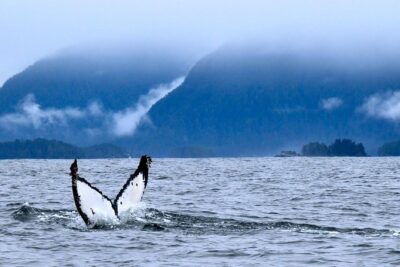
The headline is humpbacks in winter. You should reasonably expect to spend your time looking for humpbacks surfacing and showing behavior. Many sightings include tails, breeches, and active moments where whales come close enough for good viewing.
You might also spot other marine life. Several guests mention dolphins, including spinner dolphins as an added bonus. That’s not something you can schedule, but it’s a common payoff when the whales are active and the water is alive.
The reality check: whale watching is never a guarantee. Ocean conditions and whale behavior decide what you see that day. On some trips, whales are close and obvious. On other trips, they might surface farther away and not linger. The best move is to pick a day you’re flexible with and show up ready for a real ocean adventure.
Price and Value: Is $137 Worth It?
At $137 per person for about 2 hours, the value comes down to what you’re paying for: access to the right water, a crew that actively searches, and an experience designed around winter whale behavior rather than slow sightseeing.
Here’s what you’re getting for the money, in practical terms:
- Open-air viewing so you’re not boxed in when whales surface around the boat
- Fast positioning that helps you get more chances at sightings during a short window
- Hydrophones when conditions allow, which adds a unique sensory layer
- A small capped group size (max 28), meaning less crowding than big-boat options
The main “cost” to weigh is comfort and expectation. If you hate bumpy rides, you may not enjoy the ride even if you see whales. If you go in expecting spray and movement, you’re much more likely to feel like it was worth it.
If you’re planning around demand, note that this style of whale watch is often booked about 25 days in advance on average. That’s a sign the best timing days go first—so reserve early when you can.
Before You Go: Who This Tour Fits, and Who Should Skip It
This tour has clear limits meant for safety on a moving boat. You should read these closely before booking, because they’re not suggestions.
Basic fit requirements
- Minimum age is 4, and minors must be with a legal guardian
- You should have moderate physical fitness
- You must be able to walk 200 yards to and from the boat
Medical and condition restrictions
The tour does not permit participation for people with:
- Back, neck, or heart issues
- Expectant mothers
- Seizure history
- Recent surgeries that could be affected by jarring, bouncing, or high-impact activity
Also, emergency life jackets are onboard, with standard life jackets for children only. If you’re in any “maybe” category medically, it’s smart to choose a calmer activity instead. A boat ride that’s bumpy by design is not the place to test your limits.
Comfort and what to bring
Even if you’re not prone to seasickness, you’ll likely enjoy the trip more with practical prep:
- A towel (spray is real, and back seating can be wetter)
- Layers you can keep on during spray
- Sun protection, since you’re in open air for a chunk of time
Should You Book This Whale Watch?
I’d book this if you want an active, open-air whale watch and you’re okay with a ride that can get bumpy and wet. It’s a great choice for people who enjoy movement, who want wide viewing angles, and who would love the extra chance to hear whales with hydrophones when conditions allow.
Skip it if you need a very calm, low-motion experience, or if you fall into the stated medical restrictions. Also, if loud music would wreck your ability to focus, plan for that reality.
One last practical tip: book with flexibility when possible. Weather can affect whether the tour runs, and if conditions aren’t right, you’ll be offered another date or a refund.
If that’s your kind of adventure, this is one of the better ways to spend winter time on Kauai: fast out to whale country, hardworking crew energy, and real ocean sights in about two hours.
FAQ
How long is the whale watching tour?
It runs for about 2 hours.
Where is the meeting point for Captain J’s Kauai Offshore Adventures?
You meet at 4353 Waialo Rd #4B, Eleele, HI 96705, and the tour ends back at the same meeting point.
What age is the minimum for this tour?
The minimum age is 4 years old, and all minors must be accompanied by a legal guardian.
Is the boat open-air, and will I get wet?
The tours are fully open-air. You can expect sun and sea spray, and you may get wet depending on the waves.
Are hydrophones used during the trip?
Hydrophones are used when conditions allow, giving you the chance to hear whale sounds underwater.
What physical abilities do I need?
You should have moderate physical fitness, and you must be able to walk about 200 yards to and from the boat.
What happens if weather is bad?
This experience requires good weather. If it’s canceled due to poor weather, you’ll be offered a different date or a full refund.