REVIEW · REYKJAVIK
2-Hour RIB Boat Whale Watching Tour from Reykjavik
Book on Viator →Operated by Special Tours Iceland · Bookable on Viator
A RIB chase in Iceland sounds like a dream. This 2-hour whale watching trip from Reykjavik pairs RIB speed with an English-speaking expert guide, so you spend more time searching Faxaflói Bay for humpbacks and dolphins. You’re also kitted out with warm waterproofs and a new 12m boat with shock-absorbing seats, which helps on a bouncy run. One catch: open-sea wind and swells can make the ride rough, so think twice if you have back or joint trouble.
I like that the experience is built around real viewing time, not long stops and waiting. After checking in at the Old Harbour ticket office, you’ll get safety gear, a safety talk, then head out for whale feeding grounds. In summer you may even stop at Akurey for puffins, and if you don’t see wildlife you can get a complimentary ticket to try again on another whale option.
In This Review
- Key things I’d zoom in on
- Price and what you’re really paying for
- Old Harbour meet-up: quick check-in, fast suit-up
- The RIB boat experience: speed, control, and shock-absorbing seats
- Captain and guide: what you’ll get from the crew
- Out into Faxaflói Bay: Esja views and the hunt
- The animals you’re most likely to see (and how the trip finds them)
- Akurey puffins in summer: quick island vibes, not a long land day
- Back to shore: Reykjavík coastline and the wrap-up
- Weather and ride comfort: the honest downside of a RIB
- What’s included (and what that means for your packing list)
- Group size: why max 12 makes a difference
- Booking timing: when to lock it in
- Should you book this RIB whale watching tour?
- FAQ
- Where is the meeting point for the 2-hour RIB whale watching tour?
- What gear is included for this tour?
- Do whales and dolphins happen every time?
- Is there a puffin island stop?
- How many people are on this tour?
- What age or height is this tour not recommended for?
Key things I’d zoom in on
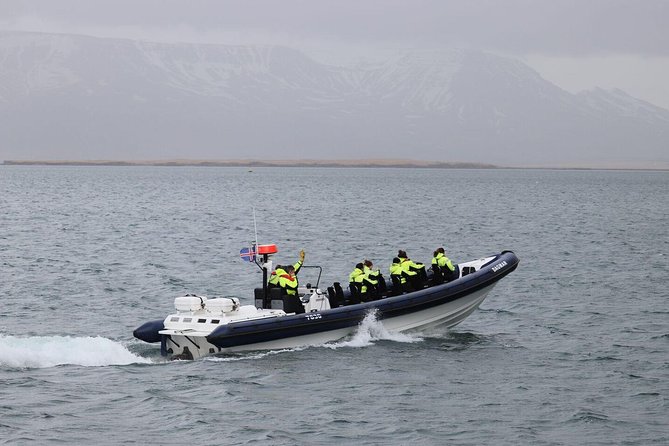
- New 12m custom-built RIB with suspension-style seats for a steadier ride
- Small group (max 12) so you’re not packed in like a sardine
- Expert English guide who helps you spot and interpret sea life in motion
- Summer Akurey stop for puffins when they’re nesting
- Better odds of sightings than from shore, plus a second-chance ticket if nothing shows
- Full cold-weather kit included: overalls, lifevest, gloves, and goggles
Price and what you’re really paying for
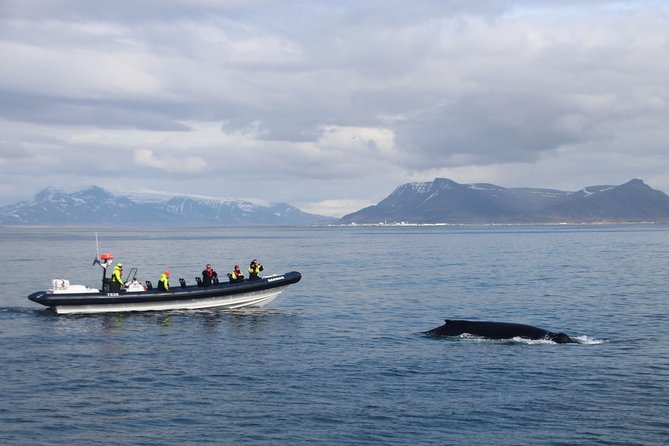
At about $189.87 per person for roughly 2 hours, this isn’t a cheap add-on. The price makes sense only if you care about getting close to wildlife and want the fastest boat option from Reykjavik.
Here’s what you’re paying for in practical terms: time on the water and comfort while you’re there. A RIB is designed to zip between potential sightings quickly, and that matters in a bay where animals can move fast. Also, you don’t just get a jacket and hope for the best. You get warm overalls, gloves, goggles, and a lifevest. That setup alone can save you from spending money on last-minute gear.
If you’re the type who wants a calm, scenic cruise, you might feel underwhelmed. But if you want the best shot at whales and dolphins and don’t mind a speed-and-waves vibe, this is a strong value.
You can also read our reviews of more tours and experiences in Reykjavik.
Old Harbour meet-up: quick check-in, fast suit-up
Your tour starts in Reykjavik’s Old Harbour area, with the meeting point at Ægisgarður 5, 101 Reykjavík. If you choose hotel pickup, you’ll still end up at the Special Tours ticket office in the Old Harbour. If you don’t, you go straight there.
Plan to arrive at least 30 minutes early. That’s not just for paperwork. You’ll have time to check in, get assigned where to get ready, and go through the safety info with your guide before boarding.
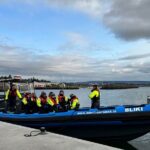
Once it’s time, the flow is pretty straightforward: you suit up in the thermal overalls and put on the lifevest, gloves, and goggles. Then you’ll get a safety speech and head onto the boat. Most of the “prep” here is about comfort and safety in cold wind—Reykjavik can be breezy even when conditions look fine on land.
The RIB boat experience: speed, control, and shock-absorbing seats
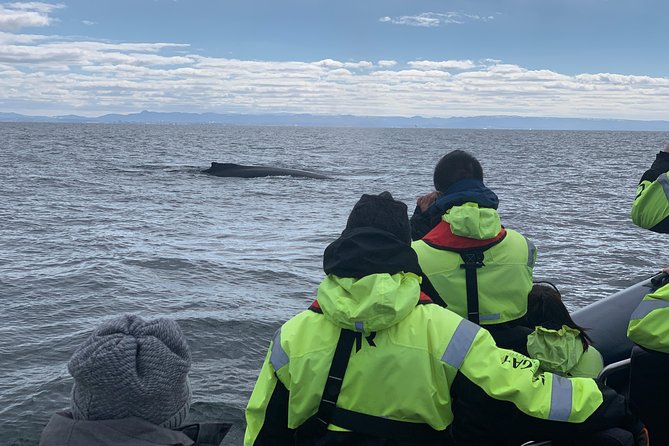
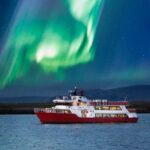
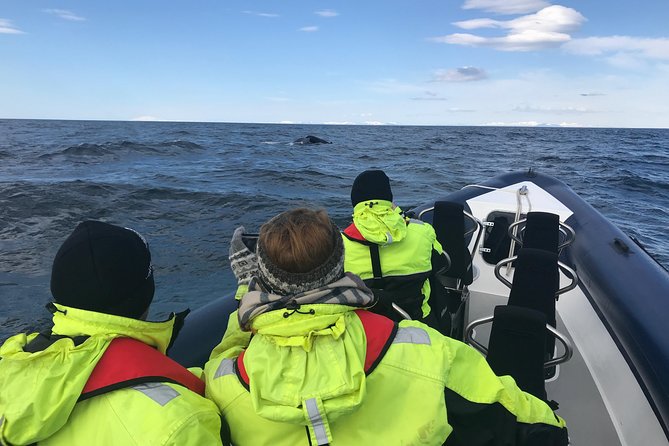
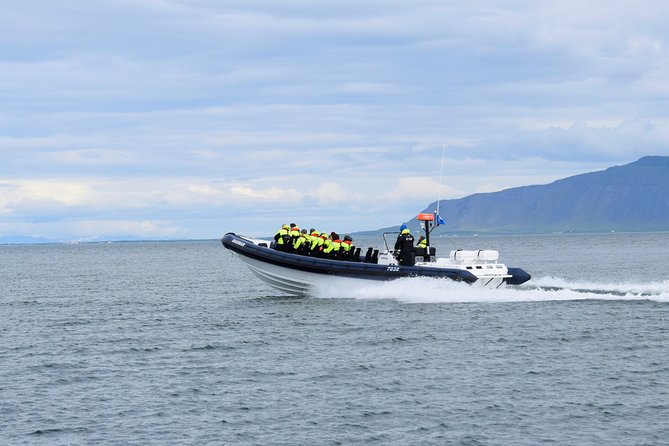
This is a brand-new 12m custom-built RIB express boat. The big comfort win is the shock-absorbing seats—a detail that shows up in the best parts of people’s memories. You still feel the bounce, especially if conditions are choppy, but the seating is built to reduce the pounding.
A RIB also changes the whole feel of whale watching. You’re not drifting slowly while the sea life decides whether you deserve it. You’re cruising at speed, which helps you reach feeding areas and move to new spots when animals shift position.
Keep in mind how reviews describe the ride: it can be exhilarating, but it’s not for everyone. If you’re dealing with back issues, heart conditions, or you simply hate being jarred, consider another style of boat. You’ll likely be happiest if you’re okay with a fast, open-sea outing and can keep a stable posture even when the water gets rough.
Captain and guide: what you’ll get from the crew
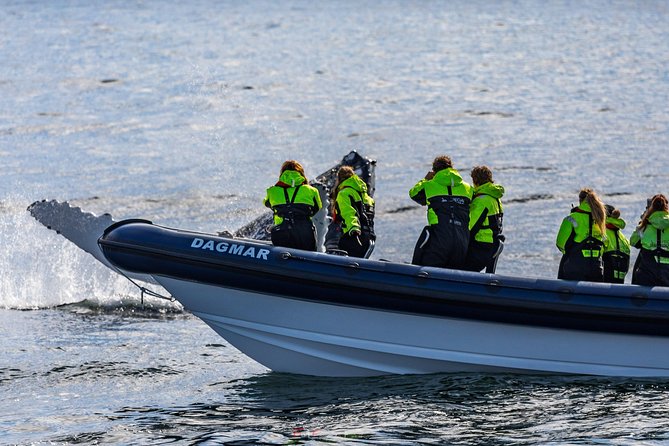
The success of a whale trip is part ocean, part skills. This tour leans hard into the skills.
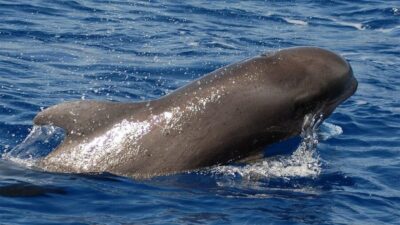
Your guide is English-speaking and focuses on helping you find and follow wildlife in the bay—humpback whales, minke whales, white-beaked dolphins, and harbour porpoises are all on the typical list. People also highlight how the crew tracks animals and positions the boat for viewing time, not random driving.
The names you might hear include Yoda (captain/driver) and Blanca (guide). Another guide name that came up is Jonathan. Whether or not you get the same pair, the theme is consistent: you’re with a crew that pays attention and communicates what you’re seeing.
One more subtle benefit: on a small group trip, your guide’s explanations feel less like background noise and more like a real part of the outing. When you understand behavior—tail moves, surfacing patterns, dolphin direction—you get more from every sighting, even the quick ones.
Out into Faxaflói Bay: Esja views and the hunt
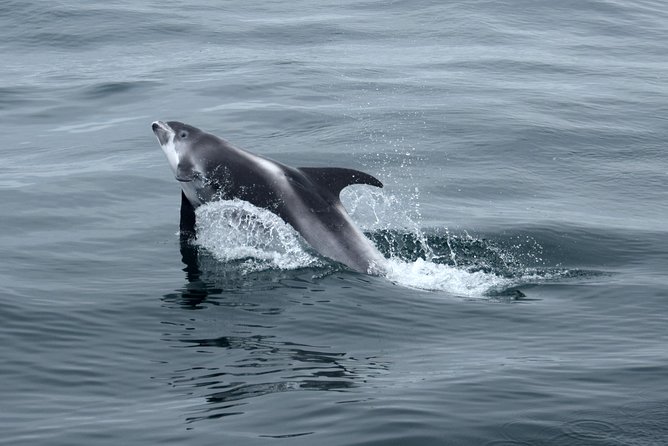
After check-in and boarding, you head out from Reykjavik into Faxaflói Bay. Along the way, you’ll get classic Reykjavík sight lines, including views of the Esja mountain.
This matters because it turns the ride into part of the experience, not just transportation. When you’re heading toward cold water and wind, the scenery can be the mental reset that keeps you excited while you wait for the animals.
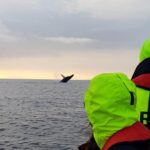
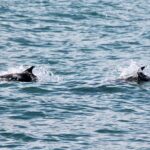
Then comes the main part: searching whale feeding grounds. The tour is designed for quick repositioning, so if sightings pop up, you’re more likely to be there at the right moment. If the bay is active, you might get repeated encounters—people describe following humpbacks for extended stretches and watching dolphins swim close to the boat.

The animals you’re most likely to see (and how the trip finds them)
This tour targets several species that are common around Reykjavik’s waters:
- Humpback whales (often the headline animal)
- Minke whales
- White-beaked dolphins
- Harbour porpoises
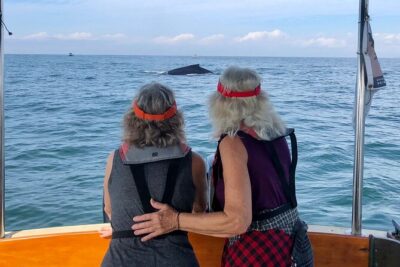
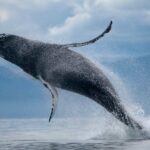
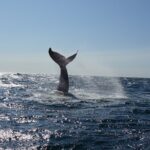
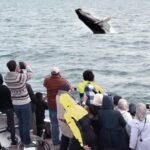
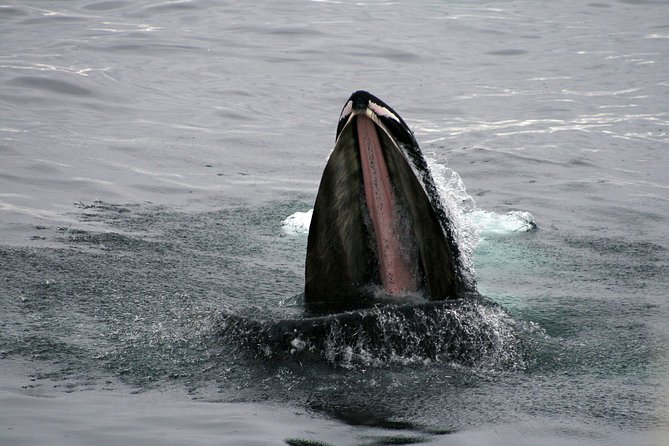
When it works, the viewing feels close and personal. People describe humpbacks and calves with visible fluke activity, and dolphins swimming near the RIB. One of the best parts of seeing whales this way is motion: you’re not just spotting a back. You’re watching behavior—surfacing, changes in direction, and how pods react.
A key reality check: wildlife sightings can’t be guaranteed. That’s not the operator being dramatic. It’s just ocean science. Animals aren’t assigned to your schedule.
The good part is what happens if your trip ends without sightings. If there are no wildlife sightings on your tour, you get a complimentary ticket to try again on another whale watching option (so you’re not stuck feeling like you paid for a bus ride).
Akurey puffins in summer: quick island vibes, not a long land day
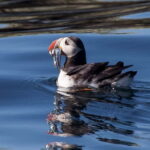
If you’re traveling in the right season, you may stop at Akurey, a popular puffin nesting island, during the summer months when puffins are in Iceland for nesting.
This is a nice add-on because it gives you something beyond marine mammals. Puffins are small, active, and loud in their own way—and when they’re around, you usually have fun just watching them move.
That said, don’t expect it to turn into a close-up photo safari. Based on real feedback, you might find the view distance depends on conditions, and some people wish they could see the puffins a little closer. Still, even distant sightings can be a highlight if you’re pairing the marine hunt with a land-based wildlife moment.
Bring your camera. And if it’s windy, protect it. Reykjavik wind loves to grab anything not strapped down.
Back to shore: Reykjavík coastline and the wrap-up
On the return, you’ll see more of the Reykjavík coastline. This is the “exhale” part of the tour. The fast boat slows back into the rhythm of harbor life, and you get to enjoy the city-side views again.
If you chose hotel transfers, a drop-off bus waits after the return to the Old Harbour. If you didn’t, you’ll finish back near the meeting point, and you can head out on your own.
Either way, plan to dress for cold through the end. Even if the ride felt manageable, the change from open water to harbor air can hit your face again, fast.
Weather and ride comfort: the honest downside of a RIB
Let’s talk about the big consideration before you book: ride comfort.
A lot of people love the RIB feel because it’s fast and thrilling. But the same factors that make it exciting also make it physically intense if you’re sensitive to motion. Reviews mention that the boat can be bouncy, and wind and waves can raise the intensity more than you expect.
Two practical pointers:
- If your back is touchy, think carefully. People report severe discomfort after rougher conditions, and the seats are shock-absorbing, not shock-proof.
- If you have heart conditions or you’re prone to feeling bad on boats, consider a slower cruise style instead.
This is also why the tour isn’t for very young kids. It’s not recommended for children under 10 years old or under 145 cm. The company also advises moderate physical fitness level, which is really about being able to board and stay balanced during motion.
If you’re unsure, choose comfort over pride. The “I could handle it” moment happens in your head before the waves prove you wrong.
What’s included (and what that means for your packing list)
This tour includes the cold-weather and safety basics so you can show up ready, not scrambling:
- Warm overalls
- Lifevests
- Gloves
- Goggles
- Suspension seats for comfort
- Expert guide in English
- Akurey stop during summer months
Because the thermal layers are provided, you can travel lighter than some other tours where you bring everything. Still, you should wear warm layers under the overalls and good shoes. Good shoes matter because you’ll be moving around in wind and cold near the harbor and getting onto the boat.
Also, listen closely to the safety instructions when you’re suited up. It’s not just formal talk. It’s how you stay comfortable when the boat changes speed quickly.
Group size: why max 12 makes a difference
With a maximum of 12 travelers, this is small-group by Iceland standards. That size affects three things you’ll feel in real life:
- Faster movement to the next viewing spot without waiting around for a huge crowd
- More personal guidance when you’re learning what to look for
- Less jostling when you’re trying to stand or sit comfortably in changing waves
Small group also helps the crew do their job well. Whale watching is not a set script; it’s a response to where animals are right now. A compact group makes that response easier.
Booking timing: when to lock it in
On average, this tour gets booked about 49 days in advance, which tells you two things. First, it’s popular. Second, you can’t assume you’ll get the exact day you want last minute, especially in peak months.
If whale watching is a top activity in your Iceland plan, I’d book early. If you’re flexible, you can take advantage of the second-chance idea if sightings don’t happen on your first go.
Also, because the tour depends on good weather, having options on your schedule helps. If one day is too rough or canceled, you can try again within your trip window.
Should you book this RIB whale watching tour?
Book this tour if you want a high-energy whale watching experience and you’re okay with the realities of open-sea motion. If you care most about seeing marine animals up close, the RIB format is one of the best ways to do it from Reykjavik—fast enough to chase moving sightings, and comfortable enough to keep you outside the whole time.
Skip or think hard if you’re sensitive to bumpy rides, have back or heart concerns, or you’re traveling with kids who don’t meet the minimum age/height guidance. For these situations, a calmer boat option could be a better match.
If you’re chasing a single standout wildlife day, though, this one has a strong recipe: warm gear included, a small group, expert English guiding, and a bonus Akurey puffin stop in summer. When conditions align, it can turn into one of those Iceland memories that sticks—not because it was smooth, but because it felt alive.
FAQ
Where is the meeting point for the 2-hour RIB whale watching tour?
You meet at Ægisgarður 5, 101 Reykjavík, Iceland. The tour ends back at the same meeting point.
What gear is included for this tour?
The tour includes warm overalls, lifevests, gloves, and goggles. You’ll also ride with suspension seats for extra comfort.
Do whales and dolphins happen every time?
No. Wildlife sightings can’t be guaranteed. If there are no sightings on your tour, you get a complimentary ticket to try again on a whale watching option.
Is there a puffin island stop?
Yes. During the summer months, you may stop at Akurey, a puffin nesting island.
How many people are on this tour?
This activity has a maximum of 12 travelers.
What age or height is this tour not recommended for?
It is not recommended for children under 10 years old or under 145 cm. The tour also calls for a moderate physical fitness level.