REVIEW · MOOREA
Half-Day Humpback Whales Encounter in Moorea
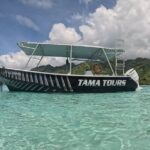
Book on Viator →Operated by TAMA TOURS MOOREA · Bookable on Viator
Humpbacks in Moorea feel impossibly close. This half-day encounter in Moorea, French Polynesia is built around finding humpback whales along the coast, then getting you time to watch them up close (and in the water if conditions allow). I like that the experience is led by Captain Tamatoa and a certified crew that treat whales as wild animals, not props.
What I really like is the small-group setup: the boat holds up to 12 people, and 2025 rules limit how many can be in the water at once. The one drawback to plan for is simple: if you’re not excited about open-water swimming effort, you’ll still be out there searching, and weather or water conditions can affect how much time you spend in the water.
In This Review
- Key Highlights You’ll Care About
- Why Moorea’s Humpback Season Is the Real Deal
- From Coco Beach Parking to Open Water in About Four Hours
- Safety Briefing: The Moment the Whole Tour Makes Sense
- Whale Search Along Moorea’s Coast: How You’ll Actually See Them
- Swimming Time: What the Group Limits Mean for Your Experience
- What It Feels Like When a Calf Comes Close
- Who This Tour Fits Best (And Who Might Prefer the Boat)
- Price and Value: Is $236.85 Worth It?
- Practical Tips Before You Go
- Should You Book This Humpback Whales Encounter in Moorea?
- FAQ
- Where does the tour start?
- How long is the humpback whales encounter?
- Can I swim with the humpback whales?
- How many people are on the boat, and how many can swim at once?
- What’s included in the price?
- Is transportation included?
- What happens if I cancel?
Key Highlights You’ll Care About
- Small boat, big care: max 12 on board, with staged time in the water
- Only swim when it’s safe to approach: the crew launches swimmers only after checking conditions
- 2025 rule: up to 6 swimmers in the water at a time: if the boat is full, groups rotate
- Whale privacy is part of the plan: priorities focus on the mother and newborn
- Swimming is optional: you can observe from the boat if you prefer
- Captain Tamatoa’s guidance: professional, calm leadership during the whole experience
Why Moorea’s Humpback Season Is the Real Deal
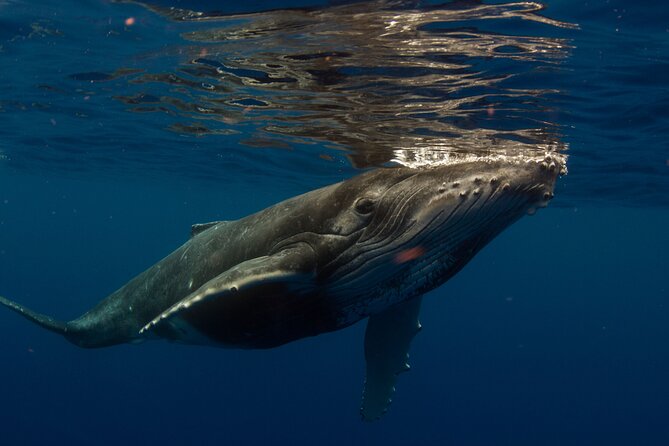
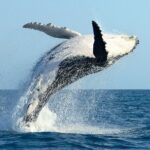
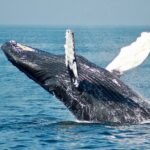
Moorea is one of those places where whales feel present, not distant. Humpback whales return to Moorea’s waters each year, and they come in close to give birth before moving on with their migration. That’s why this tour doesn’t feel like a generic boat ride with a chance of whales. You’re going out with the right goal: to witness humpbacks during a sensitive part of their life.
The tour’s tone matters. You’ll get clear language that the whales are wild animals and that the crew’s priorities are your safety and the mother-and-newborn’s privacy. That’s not just a “nice idea.” It changes how the captain positions the boat and when swimmers are allowed in.
You can also read our reviews of more tours and experiences in Moorea.

From Coco Beach Parking to Open Water in About Four Hours
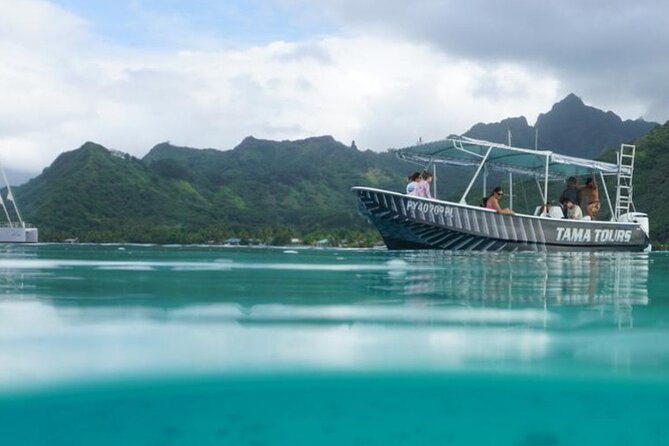
This outing is a half-day plan, roughly four hours total. You meet at Coco Beach Restaurant Parking (PK 24, Moorea-Maiao) and the activity ends back at the same meeting point. That matters because it’s a time-friendly option on an island where you may want to spread your days across beaches, viewpoints, and lunch spots.
The flow is straightforward:
- You meet at the parking area, then get organized for the boat ride.
- You get a safety briefing focused on how to approach cetaceans while you’re in the water.
- You head out along the coast to search for humpbacks.
- You observe whales, and you have the option to swim if conditions are favorable.
- You return to the meeting point when the half-day window is done.
Because the tour doesn’t rely on a long, drawn-out schedule, you’re less likely to feel like you lost your entire day to “waiting for whales.”
Safety Briefing: The Moment the Whole Tour Makes Sense
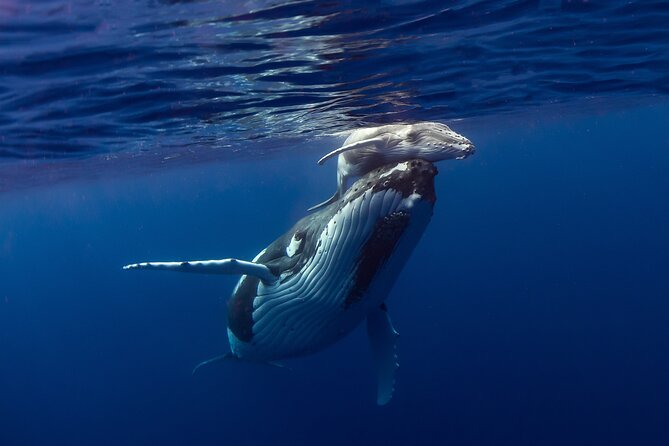
Before anyone jumps in, the crew does a safety briefing on approaching the cetaceans in the water. This is one of the most important parts of the entire experience, because it sets the rules early and keeps everyone aligned.
I like that the tour is explicit about what happens next: the certified crew will assess whether the approach conditions are favorable before launching the swim. That means you’re not being rushed into water just to “make it happen.” It’s also a smart way to reduce stress—for you and for the whales.
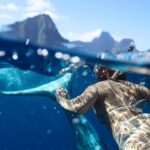
The experience is also set up for realism. Swimming is not required. If you’d rather keep it simple—float, watch, and let the captain do the work—you can do that from the boat.
Whale Search Along Moorea’s Coast: How You’ll Actually See Them
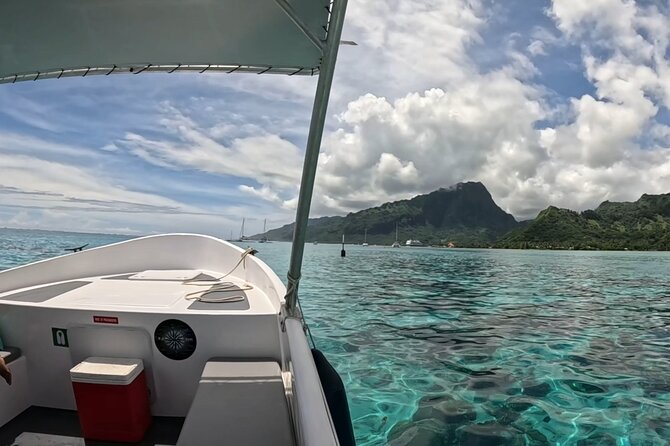
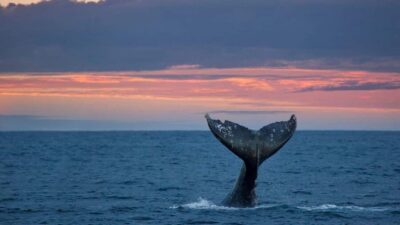
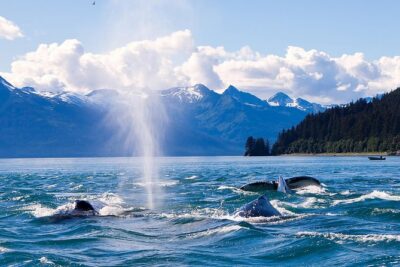
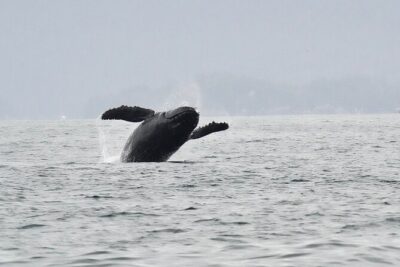
The tour’s heart is the search. You’ll head along the coast to look for humpback whales, and the captain’s job is to position the boat so you can observe the animals properly.
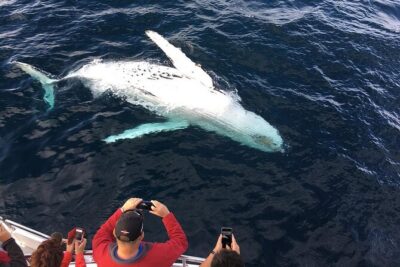
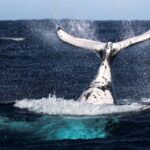
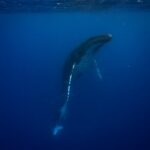
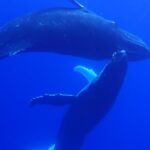
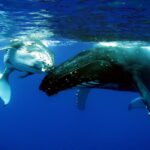
What you should hope for, and what people often celebrate, is time with whales right up close—sometimes including a calf. One of the most memorable themes from the experience is seeing baby humpbacks very near on multiple passes. Another good sign is when you see different animals in the same moment: mother, father, and calf, with the whales swimming by in a way that feels natural rather than forced.
You should also be ready for a basic truth of ocean wildlife tours: conditions matter. There’s at least one experience where whales were visible on the surface, but the weather was not favorable for observing in the water. Translation: even with skilled crews, Mother Ocean still runs the show.
Swimming Time: What the Group Limits Mean for Your Experience
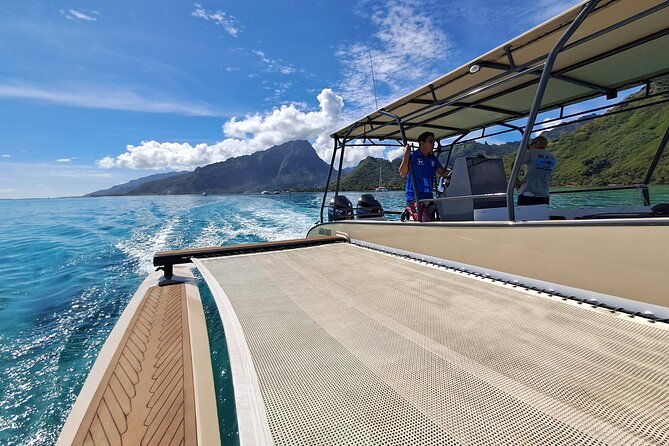
Swimming is where this tour becomes more than “whale watching.” But the rules make it feel safer and more humane.
Here’s how it works:
- Your boat capacity is 12 people total.
- Under new 2025 French Polynesian regulations, up to 6 people can go into the water at a time.
- If more people join the tour, participants are split into two groups, and only one group swims with the whales at a time.
For you, this is a big deal. Fewer swimmers in the water at once means less crowding and more room to keep your distance and follow instructions. It also increases the odds that the crew can manage the approach smoothly.
It also helps your mindset. If you’re nervous about open water or about doing things exactly right, being part of a smaller group can make you feel less overwhelmed. And if you decide halfway through you’d rather stay on the boat, you still get whale viewing without feeling like you “missed the point.”

What It Feels Like When a Calf Comes Close
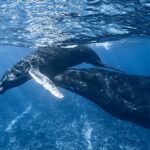
The most praised part of this encounter is not just seeing humpbacks—it’s what happens when a calf is involved. Humpbacks are wild, and you can’t script how close they’ll come, but the best moments are the ones where they pass nearby in a way that feels calm and unforced.
When you see a mother with her newborn, you may notice the crew becomes extra attentive to privacy. The tour is designed around that priority. You’re not just watching for movement—you’re sharing the water with an animal during a delicate life stage, which is why the safety briefing and the “only when favorable” approach are so important.
And yes, swimming effort is real here. People who love the tour tend to say the swim takes work, and it’s worth it. If you’re the type who enjoys snorkeling or open-water swimming, you’ll likely feel good about the effort. If you’re not, plan to choose the boat viewing option confidently. You’ll still be there for the whales, not for a workout.
Who This Tour Fits Best (And Who Might Prefer the Boat)
This activity is for people with a moderate physical fitness level. That doesn’t mean you need to be an athlete. It does mean you should be comfortable with the idea of swimming in open water as an option.
Best fit if you want:
- A focused half-day plan instead of a full day at sea
- The chance to swim in a small-group, rules-based setup
- Strong crew attention to whale respect and your safety
- Underwater interaction time that feels guided rather than chaotic
You might want the boat observation option if:
- You’re apprehensive about open-water swimming
- You’d rather spend your energy watching and listening to the crew guidance
- You know your stamina is better used for calm viewing than treading water for long stretches
Either way, the tour is structured so you don’t “fail” if you don’t swim. The main outcome is humpback whale viewing with a respectful approach.
Price and Value: Is $236.85 Worth It?
At $236.85 per person, this is not a budget activity. But whale encounters in Moorea often cost more than generic snorkeling trips because you’re paying for a certified team, a safety-first approach, and the real work of locating whales in open water.
Here’s where the value gets clearer:
- Small-group control: max 12 on the boat and only 6 in the water at a time
- Certified guidance is included
- Respect and safety decisions are built into the process, not added afterward
- You’re not just paying for “sighting.” You’re paying for whale-focused operations that include a safety briefing and an approach protocol
If you’re the kind of traveler who measures “worth it” by how close you actually get to the animals and whether the crew feels professional, this price can make sense. If you want low-cost, low-effort sightseeing, you may prefer a different style of tour.
The best way to think about value here: you’re paying for a human system that tries to do the right thing around wild whales.
Practical Tips Before You Go
Since swimming is optional but available, go in prepared for either choice.
You should consider:
- Bringing or wearing gear that works for open water, even if you hope to stay on the boat
- Having the mindset that conditions can change how much water time you get
- Being ready for a safety briefing that you should actually follow, not just listen to
Also, keep your plans flexible around sea conditions. If the ocean is rough or visibility isn’t ideal, the crew’s priority is still safety and whale privacy. That might mean less time in the water.
Should You Book This Humpback Whales Encounter in Moorea?
I’d book it if you want the most meaningful way to experience Moorea’s humpback whales: a half-day outing with a small-group feel, strong safety guidance, and a crew that treats the whales as wild animals first. The chance to see a calf and the way the tour manages swimmers in the water are exactly the kinds of details that make this worth it for the right traveler.
I’d think twice if you strongly dislike open water, expect a guaranteed swim regardless of conditions, or want a purely casual, sit-on-the-boat-only experience. This tour is built around doing it respectfully, and that includes saying no to swimmers when the situation isn’t favorable.
If that respect-first approach matches what you want, you’re in the right place.
FAQ
Where does the tour start?
The tour starts at Coco Beach Restaurant Parking, PK 24, Moorea-Maiao, French Polynesia.
How long is the humpback whales encounter?
The duration is about 4 hours.
Can I swim with the humpback whales?
Swimming is not compulsory. You can observe whales from the boat if you prefer.
How many people are on the boat, and how many can swim at once?
The boat maximum is 12 people. With 2025 French Polynesian regulations, up to 6 people can be in the water at a time. If more join the tour, participants are split into two groups and swim one group at a time.
What’s included in the price?
A certified guide is included.
Is transportation included?
Private transportation is not included.
What happens if I cancel?
This experience is non-refundable and cannot be changed for any reason. If it’s canceled because a minimum traveler number isn’t met, you’ll be offered a different date/experience or a full refund.