REVIEW · PONTA DELGADA
Azores Whale Watching & Islet Boat Tour
Book on Viator →Operated by Azores Whale Watching TERRA AZUL · Bookable on Viator
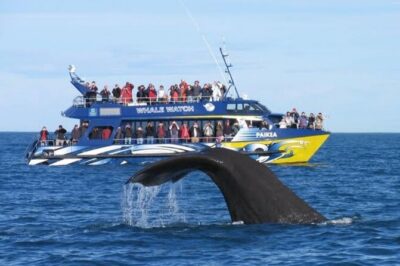
Whales off the Azores are within reach. I love the RIB ride speed and the chance to learn from a marine biologist guide as you search for sperm and pilot whales, plus dolphins and sea turtles. The only real drawback: nature can be hit-or-miss, so you can leave without seeing a whale on a given day.
The tour runs from the Vila Franca do Campo marina and focuses on both wildlife and the volcanic setting around the Princess Ring Islet. You get a quick briefing first—species behavior, safety, and how sightings often happen—then you follow the crew out to sea while a lookout directs the captain using radio.
Plan for getting wet and for rougher water moments. The good news is you’re kitted out with an impermeable full suit and life vest, and you can choose departure times to match your day.
In This Review
- Key points to know before you go
- Vila Franca do Campo: why this part of the Azores fits whale watching
- The 3-hour rhythm: briefing, high-speed search, then the islet loop
- The crew and the science: what a biologist adds to your time on the water
- Species chances: sperm whales, pilot whales, dolphins, and sea turtles
- Wildlife ethics and safety: fast water, careful approaches
- Is the RIB ride rough? What to wear so the day stays fun
- What’s actually included—and why that affects value
- How departure times and pickup change your plans
- Where you start and where you end
- Who this tour suits best (and who should think twice)
- Should you book this RIB whale tour?
- FAQ
- Where does the tour meet?
- How long is the whale watching tour?
- Is pickup available?
- What animals can you see on this tour?
- Can you guarantee you will see whales?
- What should I bring or wear?
- What happens if the weather is bad?
Key points to know before you go
- Marine biologist on board with live, on-the-spot commentary (no megaphones).
- Princess Ring Islet cruise after your time searching farther out.
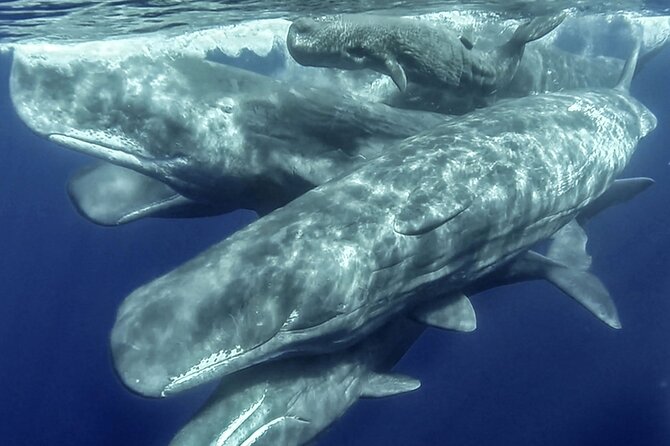
- Sperm and pilot whale country, plus bottlenose and Risso’s dolphins and sea turtles (no guarantees).
- Field imagery and data are collected during careful approaches for local research.
- Impermeable suit + life vest included, but you should still bring water and dress warm.
Vila Franca do Campo: why this part of the Azores fits whale watching
Ponta Delgada is the big name for Azores travel, but whale watching in this region often starts in smaller ports with easier access to open Atlantic waters. Vila Franca do Campo is one of those places where you can combine dramatic coast scenery with a real wildlife search.
The tour centers on the Princess Ring Islet, part of the area’s volcanic charm. That matters because whale watching isn’t only about spotting animals—it’s also about understanding where you are and how the local marine environment works.
If you like your nature trips guided and practical (not vague and wishful), this one has the right tone. You’ll get a briefing on behavior and migration patterns, and the crew explains safety in clear terms before you ever race across the waves.
You can also read our reviews of more tours and experiences in Ponta Delgada.
The 3-hour rhythm: briefing, high-speed search, then the islet loop
The experience is about three hours on the water, give or take. It starts with a short onboard briefing that sets expectations: which species live in the area, how they behave, and what you might see as the day changes.
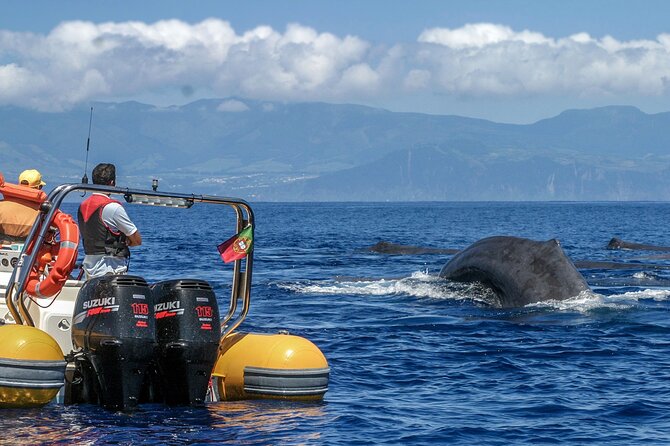
Next comes the main action. After you step onto the zodiac RIB and head out, a lookout high inland scans for wildlife and then guides the boat’s initial direction using VHF radio. In practice, this means you’re not just drifting and hoping—you’re moving based on real-time spotting.
When the crew returns to the marina area, the boat does a second loop around the Princess Ring Islet of Vila Franca do Campo. This is a nice payoff if you’re focused on both the animals and the geology—volcanic terrain, coastal views, and the chance to spot resident wildlife closer in.
The crew and the science: what a biologist adds to your time on the water
One of my favorite parts of this tour format is the onboard marine biologist. The guide talks live about cetaceans—whales and dolphins—covering migration and behavioral patterns, and also what to look for when you spot something out on the water.
During the careful approach, the team keeps you informed and also collects field imagery and data for local research. That’s not just a nice story; it changes the way the crew operates because the goal is observation with respect, not chasing.
You may hear staff names during your tour planning and interactions. In the same spirit, guides such as Mateo and Inez have been singled out for clear explanations and strong species knowledge, with hands-on tips about what you’re actually looking at.
Species chances: sperm whales, pilot whales, dolphins, and sea turtles
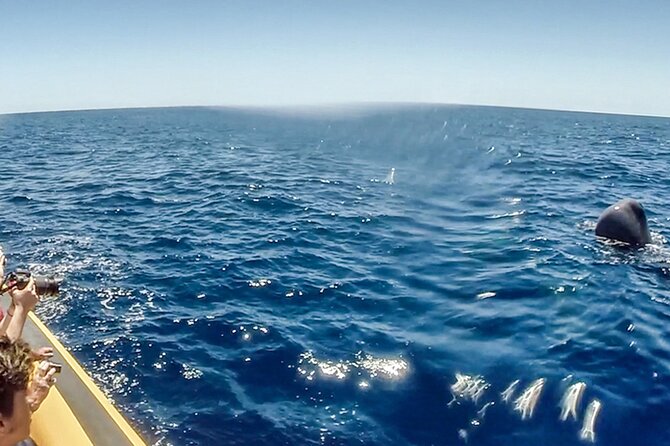
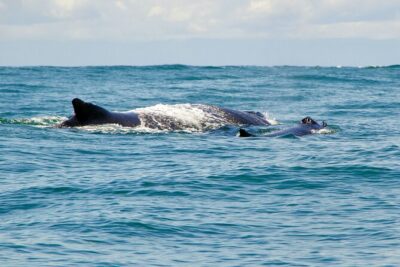
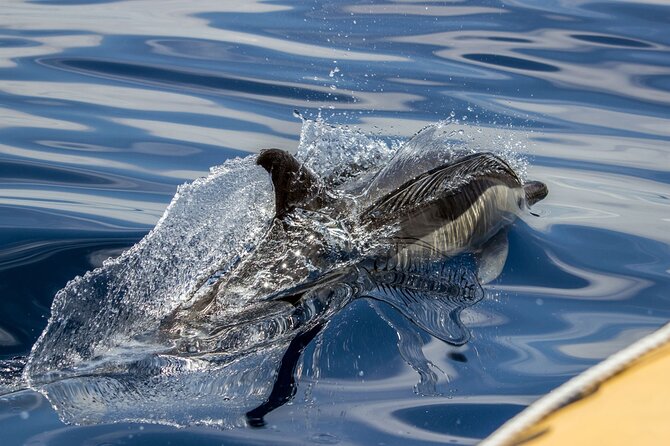
This is real Atlantic whale watching, with sightings possible year-round. The tour aims at sperm and pilot whales, plus bottlenose dolphins and Risso’s dolphins, along with sea turtles and other marine life you might spot during the search.
Still, here’s the honest part you should plan around: you can’t control wild animal behavior. The tour itself is explicit about that—there’s no promise that a specific species will appear at a specific time.
What helps is how the crew communicates. The guide and skipper keep you in the loop throughout the chase/search process, and you get directions when the lookout finds activity. If dolphins show first, you’ll often spend time with them rather than racing away immediately, which can still be a memorable experience.
Also keep in mind that sperm whales are described as resident alongside multiple cetacean species in this area. That doesn’t mean you’ll see them every single trip, but it does explain why the search here is more focused than in some places where animals only pass through briefly.
Wildlife ethics and safety: fast water, careful approaches
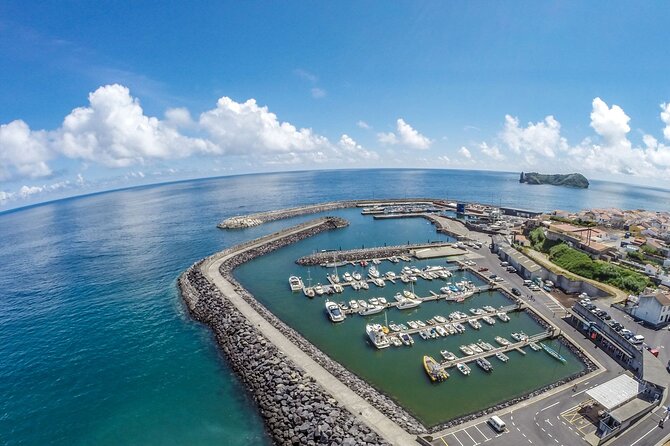
You’re in a zodiac RIB—fast, maneuverable, and built for getting out to where the animals are. But the tour description also emphasizes “carefully approaching our friends,” with the guide tracking what you’re seeing and keeping everyone safe.
You’ll get an impermeable suit and a life vest, and the briefing covers safety before you go. There’s also a live commentary style, meaning the guide talks directly instead of blasting instructions through a megaphone.
If you’re the type who hates feeling like you’re in the way, this format is a good fit. The crew’s job is to position you for views while still respecting distance and animal behavior.
Is the RIB ride rough? What to wear so the day stays fun
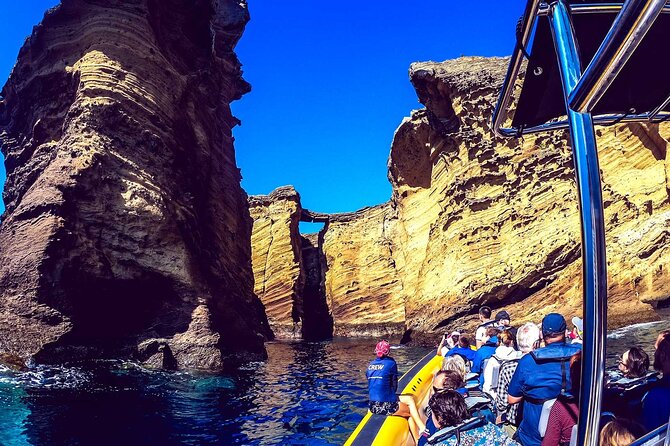
This is water and wind country. Even when the weather looks fine on land, conditions can change fast once you’re moving at speed.
The biggest practical tip is to dress for getting wet. The tour includes an impermeable full suit, but you’ll still want layers and warm clothing for comfort during spray and wind. One helpful suggestion from experience with this outfit: bring clothing you’re comfortable getting damp, and wear the included gear properly so it actually keeps you dry.
You’ll also want sunscreen and chapstick. Ocean glare plus wind can dry your lips in minutes, and the Azores can be cooler than you expect even on a “good” day.
Bring your own water supply—personal water isn’t included. Eat light before you go, and if you’re prone to seasickness, consider that the RIB can feel bumpy as it flies over waves. That’s not a reason to skip—just a reason to prepare.
What’s actually included—and why that affects value
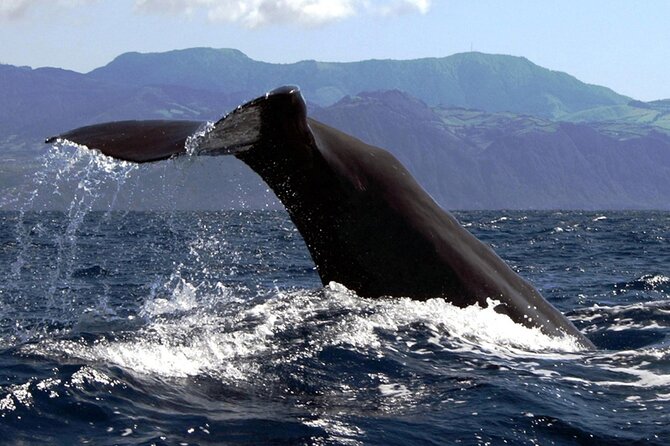
At $71.83 per person, this tour isn’t only paying for a boat ride. You’re also paying for real interpretation, safety gear, and the setup that makes wildlife observation more likely.
Included items worth calling out:
- Live wildlife guide commentary (no megaphones)
- Experienced skipper
- Zodiac RIB (described as either 12 or 28 pax depending on the ride)
- Impermeable full suit and life vest
- Insurance
- All fees and taxes
When you look at value this way, the price makes more sense. You’re not arranging suits, safety equipment, and marine interpretation separately. And because the boat is a RIB, you’re getting a strong “get out to the action” style of logistics compared with slower craft.
There’s also a maximum group size stated as 28 travelers, which helps you feel like more than just a seat. It’s still a group outing, but it’s not a massive crowd.
How departure times and pickup change your plans
The tour offers choice of departure times throughout the day, so you can match the ocean to your schedule. On some days, going earlier or later can matter because conditions shift.
Pickup is also offered. If you’re staying in the Ponta Delgada area, this makes the day easier because you’re not stressed about a tight transfer.
You’ll also receive a mobile ticket, which reduces the fuss of printing or keeping paper safe in damp weather.
Where you start and where you end
The meeting point is at the Azores Whale Watching TERRA AZUL marina base: Marina de Vila Franca do Campo 4, 9680-187 Vila Franca do Campo, Portugal. The tour ends back at the same meeting point.
That’s practical for planning your afternoon or evening back in Ponta Delgada. You don’t have to build in extra time for transfers after you’re already worn out from sun, salt, and wind.
Who this tour suits best (and who should think twice)
This tour is ideal if you want a guided wildlife search with a clear briefing, real-time lookout spotting, and respect for animals. If you love photographing marine life, bring your camera and protect it—salt spray and wind are real, even when the crew is careful.
It also suits multi-age groups because the structure stays consistent: briefing, time on the water, then the islet loop. The tour lists that most people can participate, and it allows service animals.
Who might think twice? If you’re strongly uncomfortable with wind and spray or you get motion sickness easily, you’ll need to plan your comfort carefully. The tour does provide gear, but it still involves high-speed movement and open Atlantic conditions.
Should you book this RIB whale tour?
I’d book it if you’re coming to the Azores specifically for Atlantic wildlife and you want the added layer of a marine biologist on board. The combination of live species guidance, careful approaches, and the bonus Princess Ring Islet loop makes it more than just “go out and hope.”
I would not book it expecting guaranteed whales. Even on a great day, wild animals can stay distant or uninterested. But the tour is built to maximize your odds with a lookout network, an active search pattern, and an ethics-first approach.
If you’re flexible with departure time and you dress for a wet, windy RIB ride, this is a very solid way to spend half a day in the Azores—especially if you want both ocean life and volcanic coastline in one go.
FAQ
Where does the tour meet?
It meets at Azores Whale Watching TERRA AZUL, Marina de Vila Franca do Campo 4, 9680-187 Vila Franca do Campo, Portugal. The tour ends back at the same place.
How long is the whale watching tour?
The duration is about 3 hours.
Is pickup available?
Yes. Pickup is offered.
What animals can you see on this tour?
The tour description includes possible sightings of sperm whales and pilot whales, bottlenose and Risso’s dolphins, sea turtles, and other marine life.
Can you guarantee you will see whales?
No. The tour notes that animals’ behavior in the wild can’t be controlled, and sightings of specific species at specific times aren’t guaranteed.
What should I bring or wear?
Eat light and bring your own water supply. Bring sunscreen and chapstick, wear warm clothing, and bring essential camera gear while protecting it from wind and spray. Light food is permitted.
What happens if the weather is bad?
The tour requires good weather. If it’s canceled due to poor weather, you’ll be offered a different date or a full refund.
If you tell me your travel month and whether you get seasick, I can suggest which departure time style (early vs. later) usually makes the most sense for comfort on open Atlantic days.