REVIEW · PONTA DELGADA
Azores Whale Watching Tour – Ponta Delgada
Book on Viator →Operated by Picos de Aventura - Animação e Lazer, S.A. · Bookable on Viator
The ocean decides your itinerary. This Ponta Delgada whale-and-dolphin tour sends you out with marine experts in open water, then steers you toward the places animals are actively feeding and traveling. I especially like the cetacean-sighting guarantee: you’re promised whales or dolphins, with a full refund if nothing is spotted.
Second, you get real choices that affect comfort. You can ride a catamaran for more space (and a toilet onboard) or a rigid inflatable speedboat for a closer-to-the-water feel. The main drawback? The open-boat experience can be windy and choppy, and the speedboat option is rougher if you’re sensitive to motion.
In This Review
- Key things that make this tour work
- Meeting at Marina Pêro de Teive: where the trip really starts
- What’s included (and why it adds value)
- Boat choice: catamaran comfort vs speedboat thrill
- Catamaran option
- Rigid inflatable speedboat option
- The 15–20 minute safety briefing that sets up better sightings
- At sea: how the route works and what to scan for
- What you might see
- What to do during sightings
- Timing and what “2 to 3 hours” feels like
- Returning to shore: wrap-up at the marina
- Weather, seasickness, and the speedboat reality check
- What to pack for comfort
- Who this tour is best for (and who should think twice)
- Great fit if you…
- Think twice if you…
- Is it worth the $78.60 price?
- Practical tips before you book
- Should you book this Ponta Delgada whale-and-dolphin tour?
- FAQ
- How long is the Azores Whale Watching Tour from Ponta Delgada?
- Where does the tour start and end?
- Is this tour offered in English?
- Do I need to arrive early?
- Are whales guaranteed?
- What types of boats are available?
- Do you provide life vests and rain coats?
- Is the tour suitable for children?
- What happens if the tour is canceled due to weather?
- What if I cancel?
Key things that make this tour work
- Cetacean sightings guaranteed: whales OR dolphins, with a full refund if the boat comes back empty.
- Marine biologists onboard: you get guidance on what you’re seeing and why it’s happening.
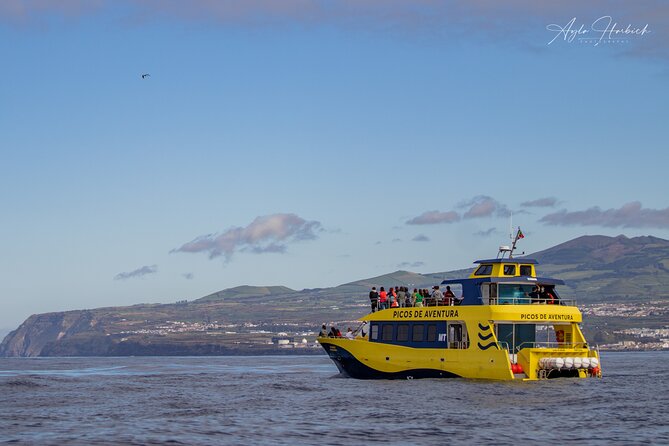
- Two boat styles: a more comfortable catamaran with a covered cabin and toilet, plus a faster, closer speedboat.
- Route flexes with wildlife activity: the itinerary shifts based on recent dolphin/whale movement and observation points along the southern coast.
- Up to 3 hours at sea: enough time to locate animals, then settle into real viewing.
- Family-friendly by design: max group size (75), kids must be with an adult, and boat choice can matter for comfort.
Meeting at Marina Pêro de Teive: where the trip really starts
Most of the day is at sea, but it begins with a short, focused setup. You meet at Marina Pêro de Teive in Ponta Delgada, at the Picos de Aventura headquarters. Plan to arrive 15–20 minutes early so you can check in, get your bearings, and be ready for the safety and wildlife briefing.
The briefing runs about 15–20 minutes and is led by the team’s marine biologists. This matters more than it sounds. Whale and dolphin watching isn’t just spotting; it’s understanding behavior and learning how sightings work in the Azores’ coastal waters. You’ll also hear what marine species might appear and how conservation is handled locally—useful context that helps you watch with your head up, not just your phone out.
If you’re planning around tides, it’s still nature-led. The tour uses observation points and adjusts based on conditions and what’s happening in the water that day.
You can also read our reviews of more tours and experiences in Ponta Delgada.
What’s included (and why it adds value)
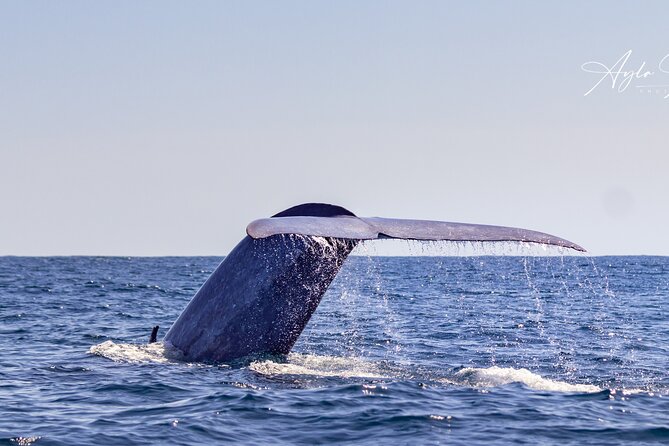
You’re paying for time on the water with experts, and the included items make that time easier.
Here’s what you get:
- Cetacean sightings guaranteed (whales OR dolphins)
- Professional marine life experts on board
- Rain coat and life vest on the small boats (life vest is mandatory)
- Choice of boat type: catamaran or rigid inflatable speedboat
- Mobile ticket and English-speaking guide option
The value isn’t just the gear. It’s the promise attached to the experience. If the boat doesn’t spot whales or dolphins, you’re eligible for a full refund. That’s a strong safety net compared to tours that treat sightings as a pure gamble.
Boat choice: catamaran comfort vs speedboat thrill
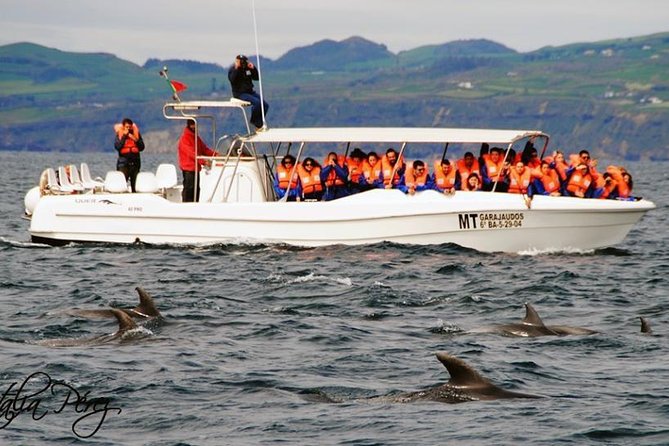
You’ll have two ways to do this, and your choice should match how you handle wind, waves, and comfort.
Catamaran option
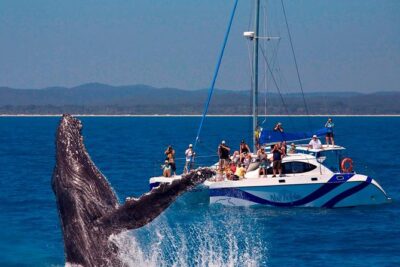
The catamaran is built for space and stability. You can move around, relax inside the covered cabin, or ride up top for views. It also has toilets onboard, which is a surprisingly big deal on a 2–3 hour outing at sea.
If you’re traveling with small kids, this option is usually the calmer pick because you have more room and a more forgiving ride when the water gets busy.
Rigid inflatable speedboat option
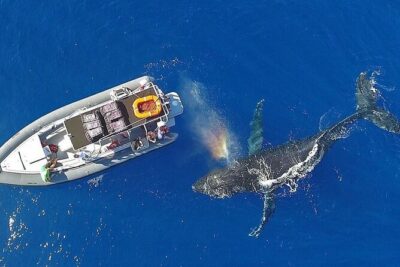
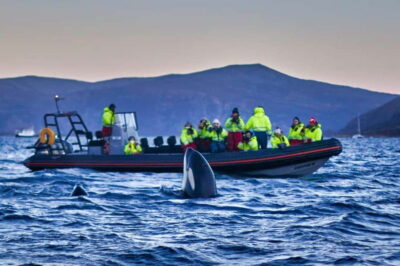
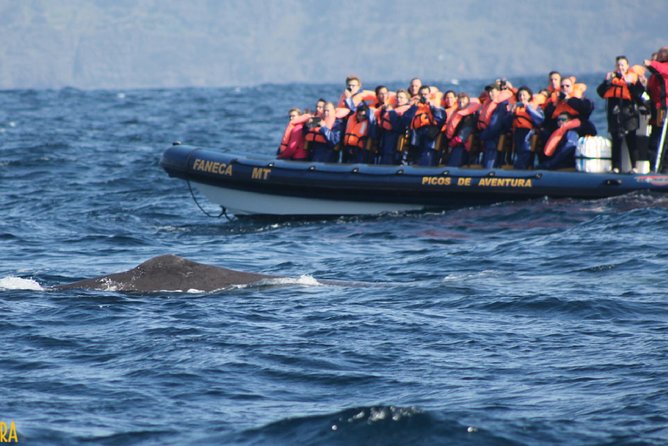
The speedboat is the more thrilling option. It’s designed to be faster and closer to the water, so you may feel more of the ocean. That closeness can mean better sightlines at the surface—but it also means more motion and more wind.
On the smaller boats, the tour provides a rain coat and life vest, and people often get soaked when it gets choppy. If you have a bag or camera setup, leave extra time to stow things securely, and expect the sea to do what it wants.
The 15–20 minute safety briefing that sets up better sightings
Don’t treat the briefing like a formality. It’s where you learn how to watch.
You’ll get:
- Safety instructions for open water
- An overview of marine species you might encounter
- Context about local conservation efforts
- The practical goal of the outing: track dolphins and whales during the most promising windows
This is also where you’ll hear the tour framing clearly: you’re out for whales and dolphins, and either category can happen without the other. The company emphasizes this before you sail, and it helps set expectations. In practice, that means you might come back with a dolphin-heavy trip—and still feel like you got what you paid for, because dolphins are the target too.
At sea: how the route works and what to scan for
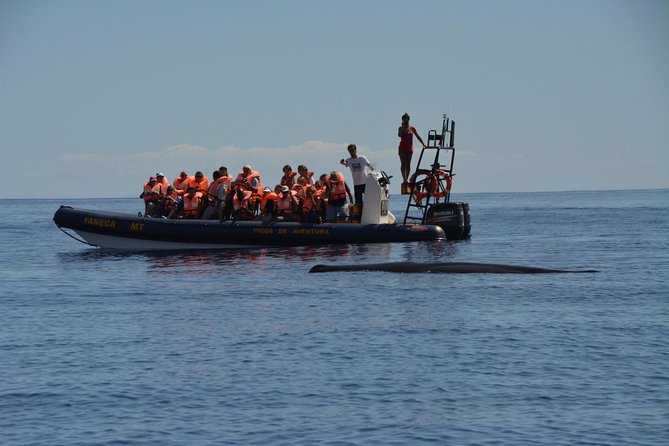
Once you board, you head out along the coast toward places chosen for wildlife activity. The exact path isn’t fixed. It varies with recent dolphin and whale movement, using a series of observation points along the southern coast.
That flexibility is a big part of the experience. Whales aren’t lining up on a schedule for your vacation photos. Instead, the crew works from what’s happening around you, then moves to the next viewing zone when it makes sense.
What you might see
The Azores waters are known for multiple cetaceans, and this tour highlights that reality. You’re looking for:
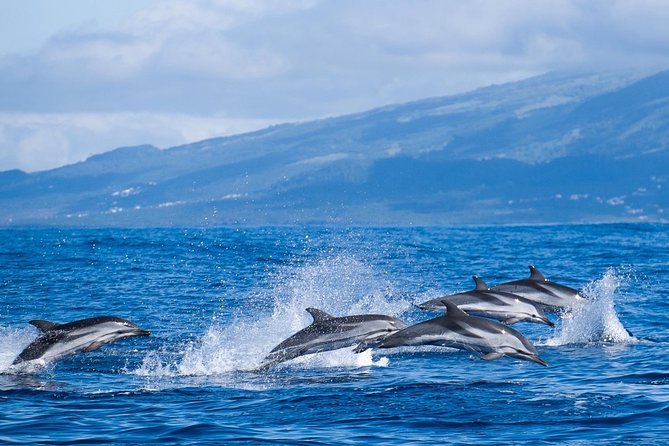
- Spotted dolphins and bottlenose dolphins (often among the first to show up)
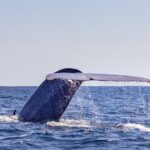
- Sperm whales and other migratory species that pass through the archipelago
- The possibility of baleen whales (sighting chances vary)
- A wide range of cetaceans overall—this outing advertises more than 20 different cetaceans potentially appearing in these waters
Species names you may hear as possibilities include humpback, pilot dolphins, common dolphins, sei whales, Bryde’s whales, and even reports of right whales. Not every trip includes the big species, but the “variety” theme is real: you’re not stuck watching only one animal type.
What to do during sightings
Your job is simple:
- Scan the water ahead, not just beside the boat.
- Watch for surface behavior (blows and quick changes in direction).
- Keep your camera ready, but don’t freeze. When animals show up, you’ll want your body and eyes ready to react fast.
On the day, your marine biologists will help identify what you’re seeing and explain what it likely means—feeding, traveling, or social behavior.
Timing and what “2 to 3 hours” feels like
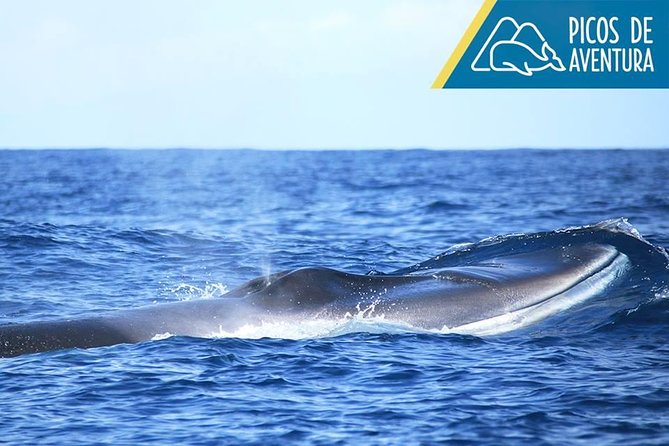
The tour is listed as about 2 to 3 hours total at sea, depending on where wildlife is found. That doesn’t mean you’ll spend three hours racing around. Most of the time is locating animals, then staying in an area long enough for real viewing.
One practical note: plenty of time offshore means you should dress for wind. Even when the water looks calm from the marina, conditions can change once you’re moving and exposed.
Returning to shore: wrap-up at the marina
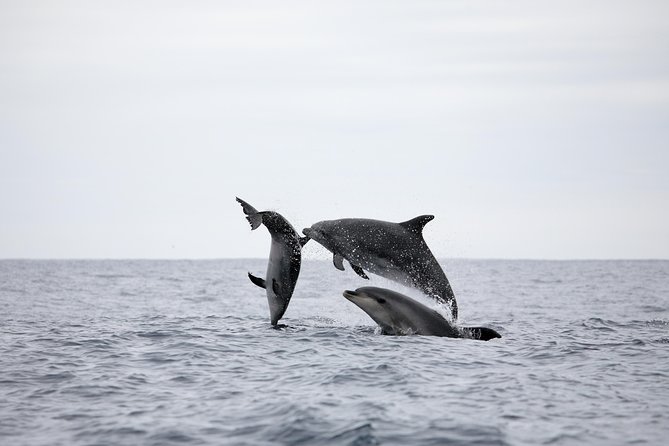
After your time on the water, you head back to the meeting point at Marina Pêro de Teive. Guides stay available for final questions, and it’s a good moment to ask what species you saw and what to look for next time in the Azores.
This is also where you can compare your photos and videos with what you learned onboard—often the difference between a fun snapshot and a meaningful wildlife moment.
Weather, seasickness, and the speedboat reality check
This tour requires decent conditions. That’s not a sales pitch; it’s open-ocean watching. Wind and waves can affect:
- How comfortably you ride
- Whether children can safely participate
- Whether the operator cancels or reschedules
If you get motion sickness easily, plan smart. People recommend taking sea-sickness medication ahead of time, and choosing the catamaran if you want fewer waves and less pitch. On speedboats, it’s common to feel the chop more, and some days can get wet even with rain gear.
What to pack for comfort
Based on real experience, I suggest:
- A warm layer (wind can cut)
- Your sea-sickness plan, if you use one
- A small snack or water if you like to top up during breaks (food isn’t included)
- A dry bag if you’re bringing your camera or phone case is not waterproof
Also: use the provided rain gear. On windy days, it can help more with wind protection than with keeping you perfectly dry.
Who this tour is best for (and who should think twice)
This is one of those activities that fits a lot of travel styles.
Great fit if you…
- Want a high chance of seeing something living out in the Atlantic
- Prefer guided wildlife spotting over DIY scanning
- Travel with kids and want a structured, family-friendly outing
- Like the Azores for nature-first days, not museum-only trips
Think twice if you…
- Need a smooth, guaranteed-comfort ride (the ocean can be rough)
- Are extremely sea-sickness-prone and dislike speedboats
- Have a very tight schedule that won’t handle weather reschedules (weather can trigger changes)
The tour’s guarantee helps, but it can’t force whales into view. It can only guarantee whales OR dolphins sightings.
Is it worth the $78.60 price?
At $78.60 per person, the price feels fair for a guided, research-led wildlife outing—especially because the tour includes that whales OR dolphins guarantee with a full refund if nothing is seen.
You’re also getting:
- Experts onboard (not just a driver)
- Time at sea with a flexible route
- Two boat options so you can match comfort vs thrill
- A small group cap (max 75), which helps your viewing feel less like a crowd scene
If you’re doing a short Azores trip and only have one shot at wildlife, this is a solid way to spend it. If you have multiple days and you love wildlife, I’d still book it—but I’d do it with the weather reality in mind.
Practical tips before you book
A few things that will make your day better:
- Pick your boat option based on comfort, not bravado. Catamarans are easier on the body.
- Arrive early so your check-in doesn’t stress you out.
- Dress for wind, even if the morning starts mild.
- Bring motion-sickness support if you need it; water conditions can get rough.
- Keep your camera ready but steady—your best shots often happen fast.
Also, this tour is commonly booked ahead (about 23 days on average). If you have a specific day in mind, reserve early so you can choose a departure time that fits your schedule.
Should you book this Ponta Delgada whale-and-dolphin tour?
Book it if you want a guided, nature-led Atlantic experience with a strong safety net on sightings (whales OR dolphins). It’s a smart choice for families, and it’s also a good bet for adults who care about learning what they’re seeing, not just taking pictures.
Don’t book it blindly if you’re highly sea-sickness-prone or you hate open-water wind. In that case, choose the catamaran option and pack your comfort kit. And if you’re traveling during a period when conditions are more changeable, expect the day to be weather-dependent.
If your goal is to trade a bit of certainty for real wildlife, this tour is a confident way to do it.
FAQ
How long is the Azores Whale Watching Tour from Ponta Delgada?
The time at sea is listed as about 2 to 3 hours, depending on where the wildlife is located.
Where does the tour start and end?
It starts and ends back at Marina Pêro de Teive in Ponta Delgada. The tour meets at the operator’s headquarters there.
Is this tour offered in English?
Yes, it’s offered in English.
Do I need to arrive early?
Yes. You should arrive 15–20 minutes before departure to check in and get ready.
Are whales guaranteed?
The tour guarantees cetacean sightings in the sense that you’re covered if the boat doesn’t spot whales or dolphins. It specifies whales and dolphins, and a full refund applies if neither is spotted.
What types of boats are available?
You can ride on either a catamaran or a rigid inflatable speedboat (zodiac-style). The catamaran has more space and includes a toilet; the speedboat is built for speed and closer-to-the-water viewing.
Do you provide life vests and rain coats?
On the small boats, life vests and rain coats are mandatory and provided.
Is the tour suitable for children?
Most travelers can participate. Children must be accompanied by an adult, and weather conditions may limit participation for child safety.
What happens if the tour is canceled due to weather?
If it’s canceled because of poor weather, you’ll be offered a different date or a full refund.
What if I cancel?
Cancellation is free up to 24 hours in advance for a full refund, based on the experience’s local time.