REVIEW · NEWPORT BEACH
Newport Beach: Year-Round Whale Watching Cruise
Book on GetYourGuide →Operated by Newport Landing Cruises · Bookable on GetYourGuide
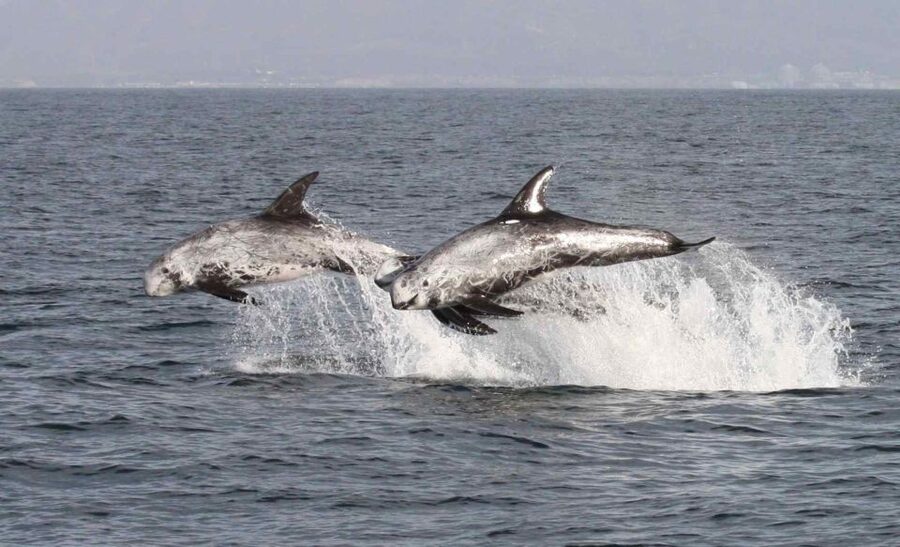
Whales are the prize, but dolphins do the encore. This year-round cruise runs out of Newport Harbor on a ship built for whale viewing and backed by a 96% whale viewing success rate. Because the water here is deep and nutrient-rich, you’re not just hunting one animal—you’re watching an active feeding area come to life.
I especially like the comfort and the viewing setup: two decks with a wrap-around sundeck outdoors, plus indoor seating with big windows when the breeze gets chilly. I also like that the guide and crew focus on what you’re seeing, not just the fact that whales exist, so your time feels practical and fun instead of vague.
One consideration: whales aren’t guaranteed every single trip, and you’ll want to keep your expectations flexible. Binocular rentals aren’t offered, and there’s a small chance of a $1–$4 fuel surcharge if marine diesel climbs.
In This Review
- Key things to know before you go
- Newport Harbor calm water and the real meaning of a 96% chance
- Meet the 65-foot whale-watching ship: where you’ll actually see the animals
- The sailing rhythm: how the stops shape your day
- Newport Landing Whale Watching: your starting line near the water
- Balboa Island: scenic cruising before the main action
- Corona del Mar State Beach: sightseeing plus a safety briefing
- Crystal Cove State Park: more scenery while the crew scouts
- Newport Beach Pier: a familiar landmark that helps you orient
- Newport Beach wildlife time: the heart of the cruise
- The Wedge: the last scenic stretch on the way back
- Return to Newport Landing Whale Watching
- What animals you might see by season
- Comfort, guidance, and how to get the most from your seat
- Price and value: why $30 can feel like a bargain here
- Getting to Davey’s Locker at Balboa Pavilion without wasting time
- Who this cruise is best for
- Should you book this year-round whale watching cruise?
- FAQ
- How long is the Newport Beach whale watching cruise?
- How much does the cruise cost?
- What is the whale viewing success rate?
- What whales might you see, and when?
- Where does the cruise depart from?
- How early should you check in?
- Are binoculars available to rent?
- Are food and drinks included?
- Is there any extra cost besides the $30 price?
- Can kids join, and are there age limits?
Key things to know before you go
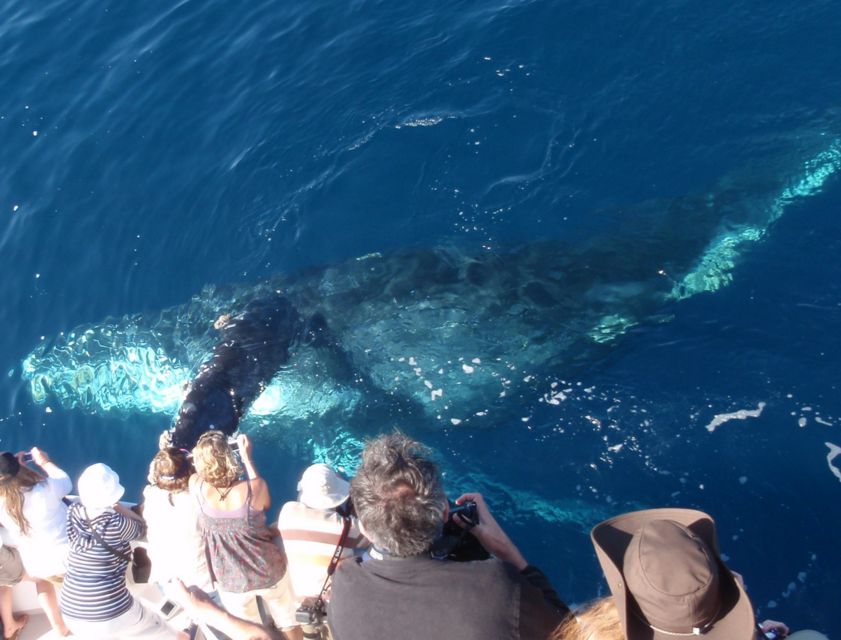
- 96% whale viewing success rate helps you feel more confident than the usual luck-based tour
- Year-round seasons mean different whale types show up depending on when you sail
- Purpose-built 65-foot ship has two decks built for spotting wildlife
- Calm local waters around Newport Harbor make it easier to enjoy the ride and the views
- Plan for dolphins either way since you may still get outstanding marine action even on whale-light days
Newport Harbor calm water and the real meaning of a 96% chance
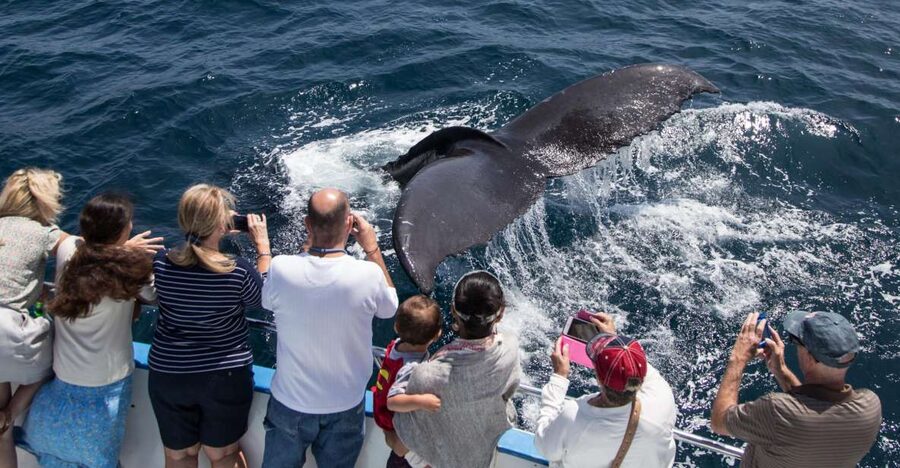
This cruise works because the water off Newport Harbor is both deep and nutrient-rich. That combo pulls marine life close, and it also helps the day feel less like a long search and more like a real wildlife outing. Add in local geography and you get relatively calm ocean conditions, which matters when you’re trying to scan for spouts at distance.
The 96% whale viewing success rate is the big promise here. It doesn’t mean you’ll see whales from the first minute, but it does tell you the operation is set up to find and track them. And it makes a difference when you’re budgeting time and money—nobody wants to spend 2.5 hours staring at empty horizon hoping for a miracle.
Season is the other key. Giant blue whales tend to show up in summer and fall, while grey whales are commonly seen in winter and spring. You can also encounter finback whales and other species depending on conditions, plus a steady chance at dolphins, seals, and other ocean life.
You can also read our reviews of more tours and experiences in Newport Beach.
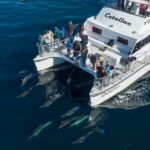
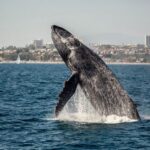
Meet the 65-foot whale-watching ship: where you’ll actually see the animals
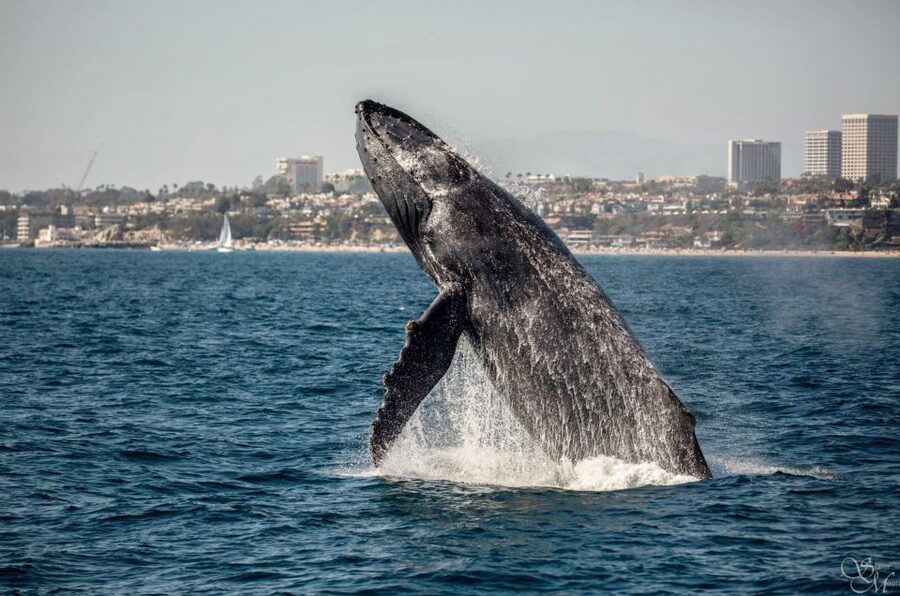
This is not a generic sightseeing boat. The vessel is about 65 feet long and built specifically for watching marine life, with viewing in mind from the start.
What you get:
- Two decks, with an upstairs sundeck and wrap-around outdoor seating for wide scanning
- Indoor seating with large windows if you want shelter or you’re traveling when it’s breezy
- A snack bar on board, so you’re not stuck waiting to eat until you’re home
- Comfortable setup for a 150-minute outing, not a rushed, stand-in-one-spot situation
If you tend to get cold easily, I’d plan to use both zones. Start outside for the first scans, then hop inside when you need a break—this ship makes that easy. And if you want the best odds, be ready to move your position when the captain calls a sighting. Quick repositioning is often what turns a distant look into a real view.
The sailing rhythm: how the stops shape your day
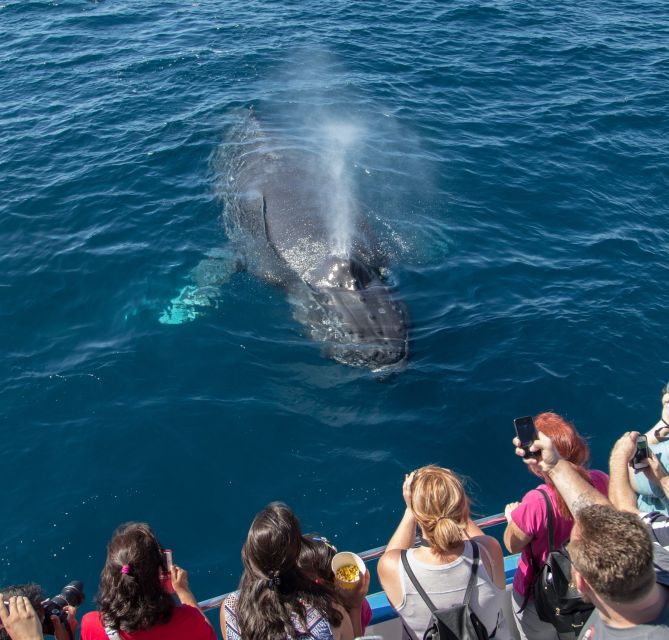
A good whale cruise isn’t just about the two hours of whale watching. It’s about building anticipation and keeping you oriented so you can enjoy the ride, not just endure it.
Newport Landing Whale Watching: your starting line near the water
You’ll check in at Davey’s Locker Sportfishing & Whale Watching in the Balboa Pavilion area at 400 Main Street. You’ll want to arrive early enough to get a boarding pass and get settled, and a good rule is to check in about 45 minutes before departure.
Once you’re on board, you’ll feel the setup is designed for spotting: deck space, good visibility, and crews who are ready to help you look like a pro even if it’s your first time out.
Balboa Island: scenic cruising before the main action
As you head out, you’ll get scenic views on the way from Balboa Island. This is a nice warm-up. It helps you learn the horizon quickly and get a feel for how the captain navigates your sight lines before you hit the deeper wildlife zone.
Corona del Mar State Beach: sightseeing plus a safety briefing
Next comes a stop with sightseeing and a safety briefing. The timing is smart: you get the basics, you understand where to stand, and then you’re ready to focus once the animals start appearing. If you’re traveling with kids, this is also a moment where everyone can reset and get settled.
Crystal Cove State Park: more scenery while the crew scouts
At Crystal Cove State Park, you’ll keep seeing the coastline while the ship is on the move. This part of the day is about two things: enjoying the coast and letting the captain set you up for where the wildlife is likely to be. Even if you don’t see whales immediately, you’ll still feel like the cruise is active, not stalled.
Newport Beach Pier: a familiar landmark that helps you orient
The Newport Beach Pier stop is more than a photo moment. A pier is a navigation anchor, and it helps you keep your bearings while watching for wildlife. When you’re trying to spot a whale’s spout or dolphins breaking the surface, having that orientation matters.
Newport Beach wildlife time: the heart of the cruise
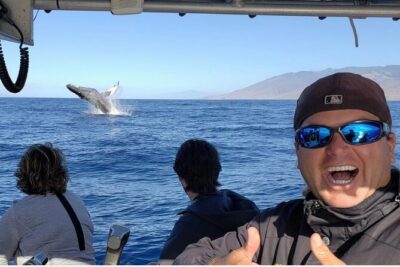
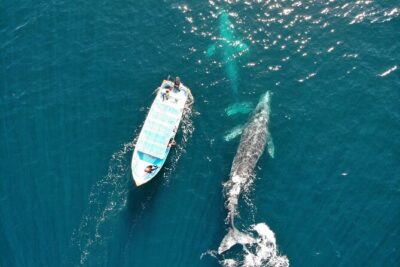
The main action is centered on Newport Beach, including dolphin watching, whale watching, and wildlife viewing for about two hours. This is where calm conditions and scouting pay off—this is the portion you’ll remember.
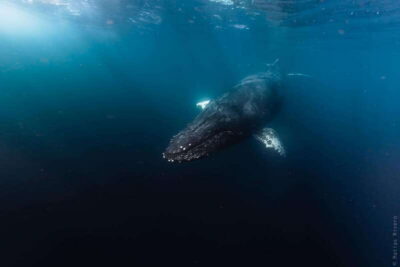
Here’s what makes this time different: it’s not just one-species focused. You’re set up to catch a variety of marine life, and the ship keeps you in the zone long enough for multiple chances. Depending on the season, you could see giant blue whales (summer and fall), grey whales (winter and spring), and finback whales among others.
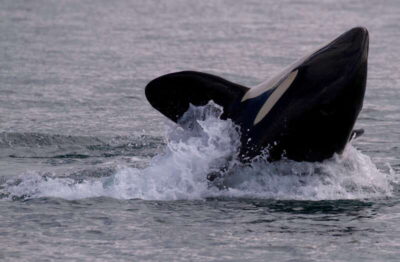
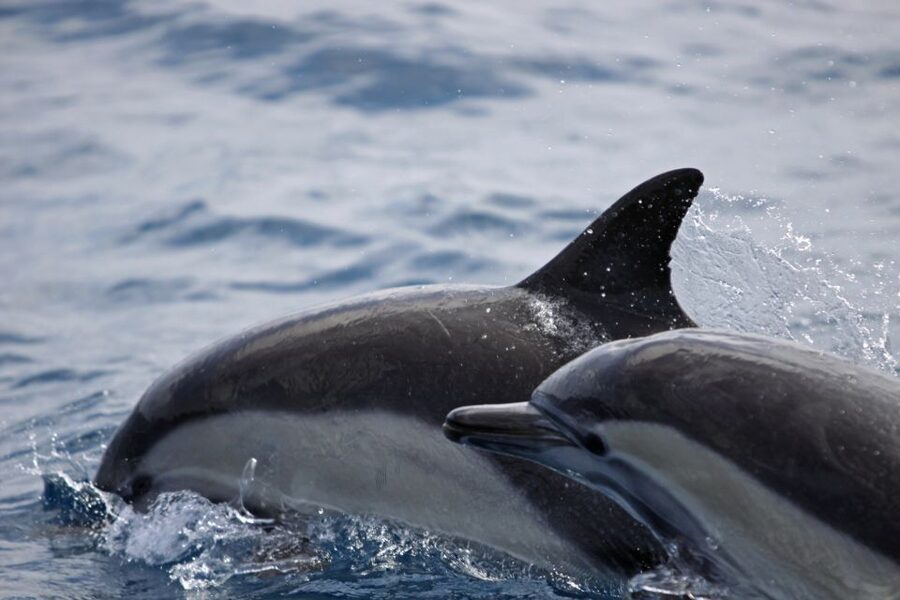
Even if whales are quiet, dolphins and seals can still be a big payoff. Many people end up treating dolphins as the show itself, and that makes the cruise feel like a win instead of a half-miss.
The Wedge: the last scenic stretch on the way back
On the way back, you’ll pass by The Wedge for more scenic views. It’s a good final sighting frame—often by now you’ve learned where to look and you’re watching with more confidence than when you first boarded.
Return to Newport Landing Whale Watching
You’ll finish back at Newport Landing Whale Watching. The total ride time is about 150 minutes, which gives you enough time to settle in, scan, and enjoy the day without feeling like you’re stuck at sea all afternoon.
What animals you might see by season
This cruise is built for year-round departures, and that’s where the seasonal breakdown helps you set your sights.
- Winter & spring: grey whales are commonly seen in the area, with finback whales also possible
- Summer & fall: giant blue whales are the headline for these months
- Other possibilities: minke whales and humpback whales can show up depending on conditions
- Always on the menu: dolphin types, seals, and other marine life are part of the mix
In real terms, this means you can book at different times of year and still have a reason to go beyond generic whale watching. You’re chasing the best chance for the season you’re visiting, not just hoping for whatever random animal happens to cross your path.
Comfort, guidance, and how to get the most from your seat
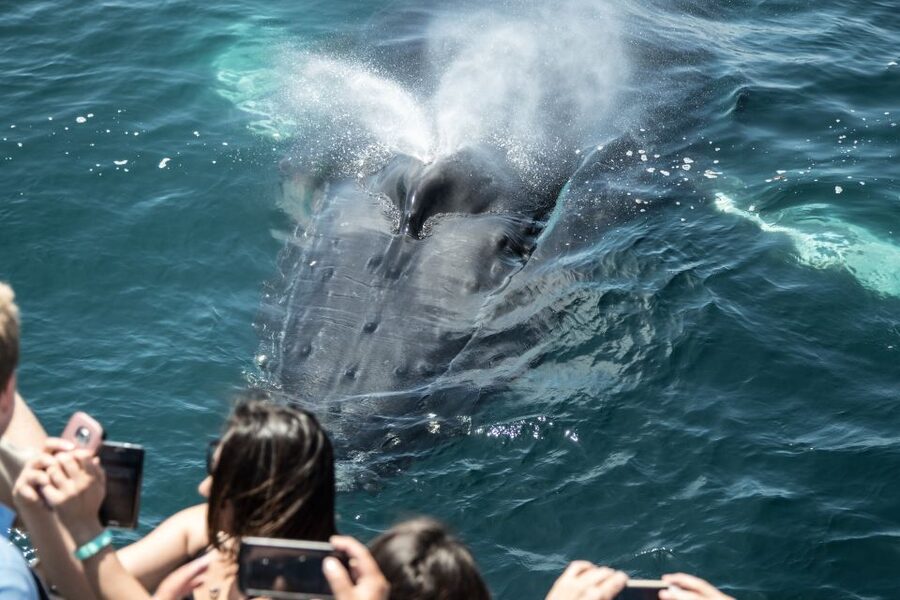
You’ll have a live English tour guide, and the captain and crew are well-versed in marine life and the local ecosystem. That matters because whale watching can be frustrating if you don’t know what you’re looking at or how quickly things happen.
Here are practical ways to work with the crew setup:
- Pick a viewing spot that lets you scan the horizon smoothly rather than craning constantly
- Be ready to shift positions when the captain calls movement
- If you’re traveling for the first time on the ocean, ask staff what to look for and where to stand for the best sight lines
Also, come ready to handle the small stuff. Binoculars aren’t available to rent, so if you want them, bring your own. And if you’ll want snacks, plan for the snack bar rather than expecting to leave for food.
Price and value: why $30 can feel like a bargain here
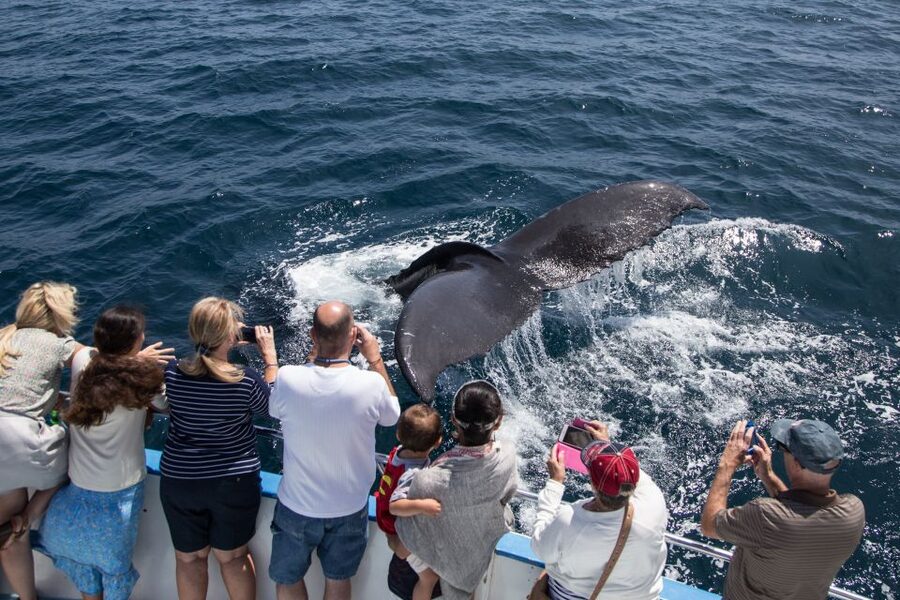
At $30 per person for a 2.5-hour cruise, this is priced in a way that makes sense for many visitors—especially since fees and taxes are included. You’re not paying extra on top just because you went on the water.
The only financial curveball is the $1–$4 fuel surcharge, which may apply if marine diesel exceeds a certain price point. It’s small, but it’s still worth knowing so you don’t get surprised at checkout or confirmation.
For value, I’d think about three things:
- You’re paying for a ship purpose-built for viewing
- You’re getting a longer wildlife window than quick harbor hops
- The season-based chance of seeing different whale types gives the trip more meaning than one blind outing
If you’re comparing alternatives, this one has a clear angle: it tries to maximize viewing conditions and time, not just get you on board.
Getting to Davey’s Locker at Balboa Pavilion without wasting time
Start at 400 Main Street, in the Balboa Pavilion building next to Harborside Restaurant and Grand Ballroom. The activity provider is in the Davey’s Locker Sportfishing & Whale Watching area, and you’ll check in with the office to get your boarding pass.
Parking tip that saves minutes: use the Balboa Pier municipal lot on Palm Street. Walk away from the pier straight down Main Street to find the pavilion. Newport Harbor gets busy, and showing up early is the easiest way to keep your day calm.
Once you’re there, the flow is simple: check in, get the pass, and settle on board. Trying to squeeze in at the last moment usually makes it harder to get a good viewing spot and easier to miss a pre-departure briefing.
Who this cruise is best for
This works well if you want a low-stress whale outing with a real chance at marine life close to shore.
Best matches:
- First-timers who want a comfortable ship and a crew that explains what they’re seeing
- Families, since the ride is long enough to enjoy and the route includes lots of coastline sights
- People visiting Orange County who want a half-day activity that feels like vacation
- Anyone booking based on season, because winter/spring and summer/fall have different whale odds
If your goal is only one specific species, you should plan around timing. But if you want a strong wildlife show in general—whales, dolphins, seals, and more—this cruise fits the bill.
Should you book this year-round whale watching cruise?
I’d book it if you want the best odds you can get without turning your day into a complicated expedition. The 96% whale viewing success rate, the purpose-built ship, and the chance at year-round wildlife make it a practical choice.
I’d hesitate only if you’re the type who needs binoculars you don’t already own, or if you hate the idea that you might end up thrilled by dolphins and seals even on a whale-light day. In other words: if you can roll with wildlife surprises, this cruise is a solid way to spend 150 minutes off Newport Harbor.
FAQ
How long is the Newport Beach whale watching cruise?
It runs for about 150 minutes, which is 2.5 hours.
How much does the cruise cost?
The price is $30 per person, and fees and taxes are included.
What is the whale viewing success rate?
The cruise advertises a 96 percent whale viewing success rate.
What whales might you see, and when?
Giant blue whales are typically seen in summer and fall. Grey whales are commonly seen in winter and spring, and finback whales are also possible in winter/spring conditions. Other whales like minke whales and humpback whales may appear depending on conditions.
Where does the cruise depart from?
It departs from Newport Landing Whale Watching, located within Davey’s Locker Sportfishing & Whale Watching at 400 Main Street.
How early should you check in?
Plan to check in about 45 minutes before departure time.
Are binoculars available to rent?
No. Binoculars are not available on rent.
Are food and drinks included?
A snack bar is available onboard, but beverages are not included and can be purchased onboard.
Is there any extra cost besides the $30 price?
A USD 1–4 fuel surcharge may be in effect if marine diesel exceeds USD 3.50 per gallon.
Can kids join, and are there age limits?
Children aged 2 and under may join at no charge, but they must be counted in your reservation.