REVIEW · SITKA
Best Whale Watching and Wildlife Shore Excursion in Sitka
Book on Viator →Operated by Sitka Sound Tours · Bookable on Viator
Six people. Serious whale time. This Sitka Sound boat excursion is built for wildlife sightings in an intimate group, with a heated cabin for comfort and a schedule designed for cruise-day stress. You’ll get a guided circuit around Sitka Sound and the outer Baranof Islands where you can look for humpback whales, Steller sea lions, sea otters, and the rain-soaked beauty of the Tongass National Rainforest. The one trade-off: wildlife sightings aren’t guaranteed, and the captain keeps the day weather-dependent.
I like how the tour focuses on time on the water with minimal crowd pressure. You also get practical onboard perks—gluten-free snacks, bottled water, carbonated drinks, a restroom, and outdoor viewing seats—so you’re not stuck scanning from a cramped deck. If you’re picky about whale behavior, note that sightings can be calm and quiet, and the day can’t be forced into action by the boat.
For many cruise stops, the biggest win is that you’re not gambling with your ship timing. This activity ends back at the meeting point, and the operation emphasizes a return-to-port plan so you can relax and keep your camera ready.
In This Review
- Key things to know before you go
- Sitka Sound is built for wildlife watching (and you’ll feel it fast)
- The 2.5-hour plan: what the guide is doing out there
- Weather matters more than you’d think
- Your boat setup: comfort for cold air, space for good sightlines
- Heated cabin and outdoor viewing seats
- Room to move
- Restroom on board
- Snacks and drinks keep you sane
- Wildlife targets: what you can realistically hope to see
- Humpback whales (and why timing matters)
- Sea otters: small bodies with big personality
- Steller sea lions and the “busy coastline” effect
- Tongass National Rainforest scenery
- Eagles and occasional other wildlife moments
- The guide factor: how a local spots patterns
- Seat choice advice (worth taking seriously)
- Price and value: is $205 a good deal for Sitka?
- Who this tour suits best (and who should look elsewhere)
- Should you book this Sitka whale and wildlife shore excursion?
- FAQ
- How long is the Sitka whale and wildlife tour?
- What does the tour cost?
- What group size should I expect?
- Where does the tour start and end?
- What animals might I see?
- Are animal sightings guaranteed?
- What’s included on board?
- What should I bring for comfort?
- Is there a return-to-port plan for cruise passengers?
- What is the cancellation policy?
Key things to know before you go
- Max 6 travelers: a small-group format that makes it easier to move for photos and to hear the guide
- Local Sitka guidance: born-and-raised know-how to find wildlife patterns in Sitka Sound
- Photography-friendly approach: quieter viewing moments are part of how the day unfolds
- Heated cabin + outdoor seats: comfortable in cool wind, but still set up for spotting
- Snacks included: gluten-free options plus drinks to keep you fueled on a 2.5-hour cruise
Sitka Sound is built for wildlife watching (and you’ll feel it fast)
Sitka Sound has that rare mix wildlife loves: productive waters, sheltered pockets, and a coastline that funnels animals into predictable feeding and resting areas. What I like about this tour is that it doesn’t treat whale watching like a checklist. It treats it like reading water: wind direction, where the prey is moving, and what the animals are doing right now.
You’ll start your outing around Sitka Sound with a route that also touches the outer coast of the Baranof Islands, an area strongly associated with the kind of marine life people come to Sitka for. The guide’s job is to translate all that coastline into “where to look next,” fast enough that you’re not wasting daylight.
The tone is relaxed and intimate. With a maximum of six passengers on board, you’re not elbow-to-elbow fighting for a view, and you’re not forced into one single angle for two hours. That matters for both spotting and photos.
You can also read our reviews of more tours and experiences in Sitka.
The 2.5-hour plan: what the guide is doing out there
The core of the excursion is a guided circuit from Sitka Sound and along the outer Baranof Island coast. Think of it as a moving wildlife search with planned stops for viewing time rather than nonstop speeding.
On the water, you’re guided to areas where you might see:
- Humpback whales
- Steller sea lions
- Sea otters
- Wildlife along the edges of the Tongass National Rainforest backdrop
The timing is tight enough for a cruise day, but long enough that “one good location” can turn into a meaningful viewing stretch. In practice, that means if you connect with whales—or sea otters—you’re likely to get more than a quick glance before the captain moves to the next spot.
Weather matters more than you’d think
This tour is weather permitting. That’s not a marketing line; it’s the reality of Sitka Sound. Wind and fog can cut down visibility and make the safer choice the better viewing option. The upside is that the captain’s call is supposed to prioritize both safety and wildlife-friendly viewing.
Your boat setup: comfort for cold air, space for good sightlines
This is a small-boat experience designed for real viewing, not just transport. Here’s how that plays out for you once you’re on board.
Heated cabin and outdoor viewing seats
You can split your time between:
- a heated cabin when it’s chilly or misty
- outdoor seats when you want the clearest sightline
That flexibility is worth real money when you’re watching marine life in cool coastal weather. You’re not stuck shivering through the whole session waiting for the animals to pop up.
Room to move
Because the maximum group size is six, you usually have more freedom to reposition for what’s happening. For wildlife photography, that’s huge. Even a slight shift in angle can turn a shaky, distant frame into something crisp and usable.
Restroom on board
On a 2 hours 30 minutes excursion, not having to plan around restroom breaks is a quiet quality-of-life win.
Snacks and drinks keep you sane
Gluten-free snacks plus bottled water and carbonated drinks are included. It sounds basic, but on an active spotting schedule, that little bit of fuel makes you more patient when the action isn’t immediate.
Wildlife targets: what you can realistically hope to see
The tour focuses on marine wildlife first, with scenery you’ll actually remember. Here’s what you should expect to look for, based on the tour description and how captains run the day.
Humpback whales (and why timing matters)
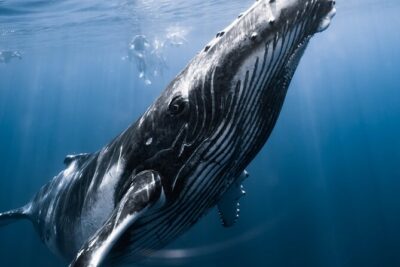
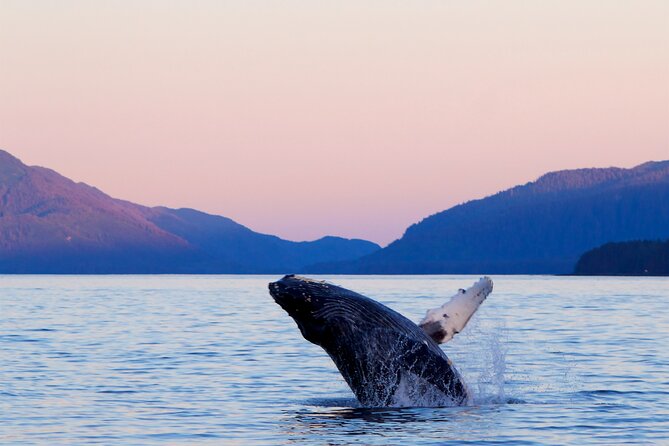
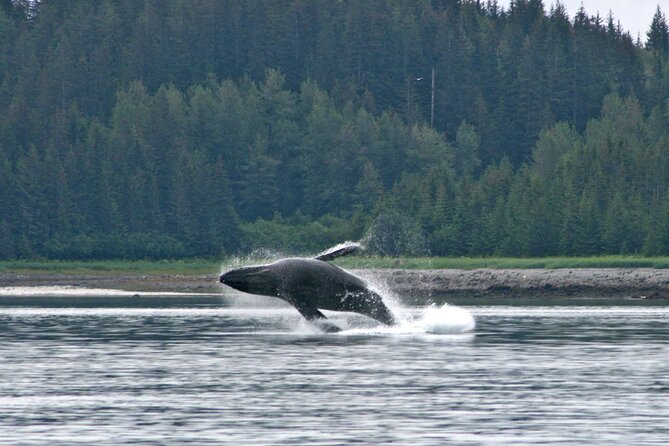
Humpbacks are a top target. Sometimes you get dramatic behavior. Sometimes you get slower surfacing and blow patterns. What helps on this tour is the captain’s approach to whale-friendly viewing—meaning less disturbance when animals are nearby, and more patience when whales are doing their thing.
Also, all animal sightings are not guaranteed. That’s true on any whale watch, but you should go in with the right mindset: the goal is seeing wildlife closely and respectfully, not forcing a breach on demand.
Sea otters: small bodies with big personality
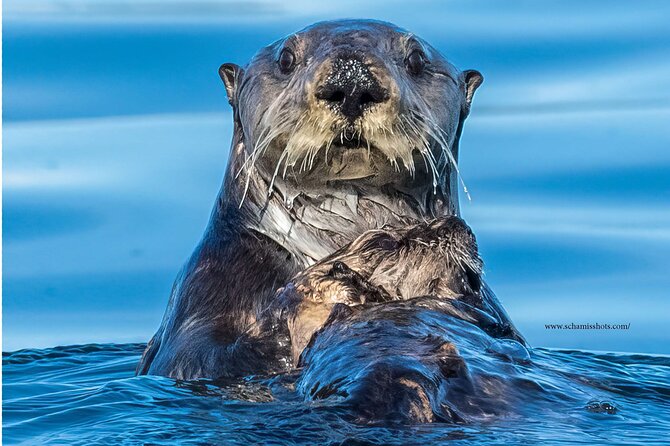
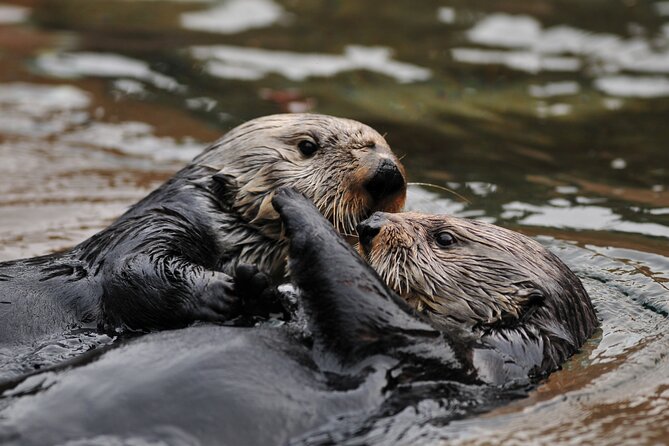
Sea otters are commonly seen in Sitka waters. When you spot them, watch for the little rhythms: floating position, grooming, and the way they pop up quickly then disappear again. With a small group, it’s easier to stay on them without losing the view.
Steller sea lions and the “busy coastline” effect
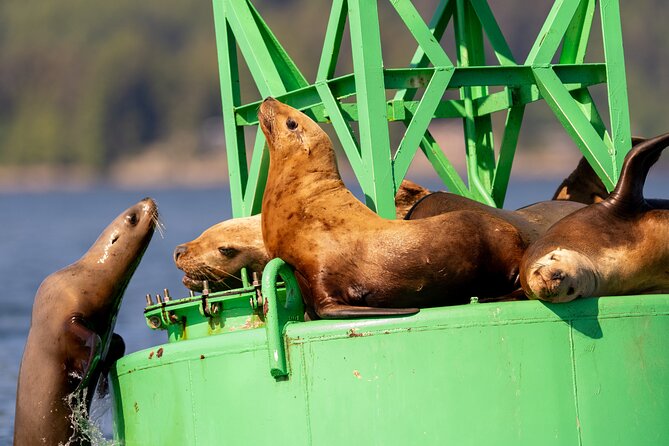
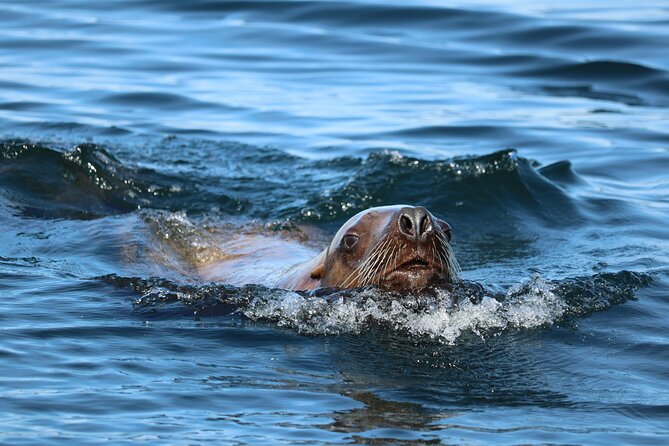
Steller sea lions can be easier to spot because they’re often more visible around haul-outs and near buoys and shorelines. When they’re in the area, the whole scene gets louder and more alive—great for both casual viewing and photos.
Tongass National Rainforest scenery
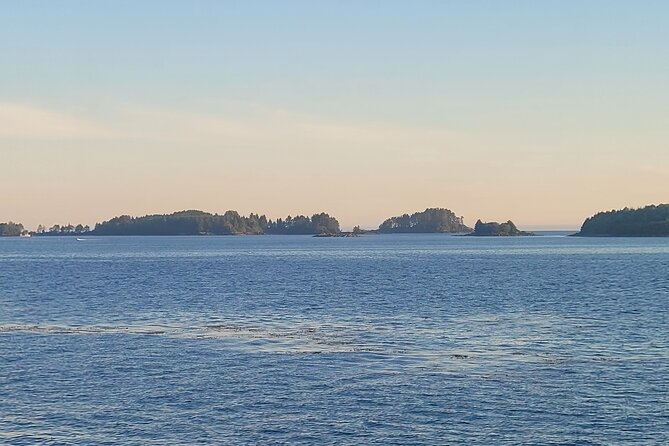
You’re not only staring at the ocean. The guide also points out the surrounding forested coastline tied to the Tongass National Rainforest. Even on overcast days, that wet-green backdrop is part of why Sitka feels different from many other Alaska stops.
Eagles and occasional other wildlife moments
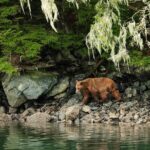
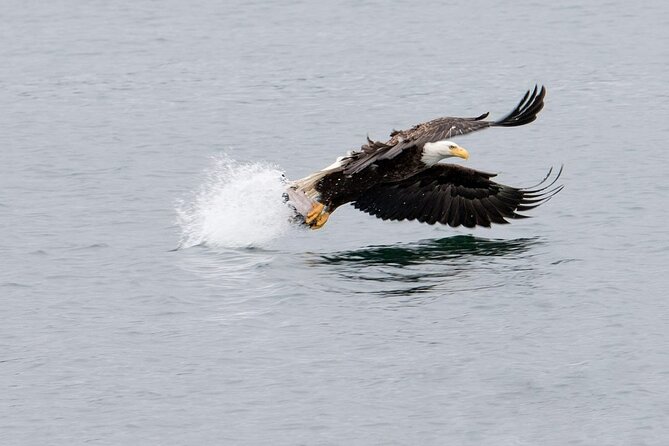
Bald eagles sometimes show up during the excursion in some conditions and routes. Some days also include a look for bears, though you should treat that as a chance, not a promise.
The guide factor: how a local spots patterns
This is where the tour’s value starts to make sense. You’re not just paying for a boat. You’re paying for decision-making on the water: where to look next, when to wait, and how to read animal behavior.
The operator notes that guides are born and raised locals. In practice, that local knowledge often shows up as confidence—knowing the water routes where wildlife tends to be, and adjusting quickly when the first location doesn’t pan out.
A detail that repeatedly comes up: the captain may shut down the engine when whales are close. That can improve your experience in two ways:
- you reduce disturbance during sensitive moments
- you can often hear whales blow more clearly and watch their behavior without noise
If you care about audio cues for whale location, that engine-off approach can feel like a small change with a big impact.
Seat choice advice (worth taking seriously)
If you want the best chance at both narration and spotting, plan to be near the front area of the boat when possible. Several guests highlight that the best viewing and guide interaction tends to be closest to the captain.
If you’re all about photos, you’ll still want outdoor time, but being close helps you catch the moment before something surfaces.
Price and value: is $205 a good deal for Sitka?
At $205 per person for about 2 hours 30 minutes, this isn’t a “cheap and cheerful” cruise. But it’s also not a big-boat cattle call. The price-to-experience ratio looks strong if these are your priorities:
- small group size (max six travelers)
- local, attentive guiding
- heated cabin comfort
- snacks and drinks included
- a return-to-port plan that reduces ship-day stress
Where the math gets tricky is if you expect constant narration from every seat, or if you only care about one type of whale spectacle. Marine life timing is real, and the tour can’t guarantee the specific behavior you’re hoping for.
Also, tips for the captain aren’t included, so factor that in when you plan your onboard budget.
Who this tour suits best (and who should look elsewhere)
This is a great fit if you:
- want a semi-private feel instead of a packed deck
- care about wildlife photography and want room to reposition
- value onboard comfort because Sitka can be cool and damp
- are on a cruise stop and want an outing that returns you to the ship area without drama
It’s less ideal if you:
- need guaranteed whale breaches or a guaranteed “show”
- only want the cheapest possible option
- dislike being flexible about routes when weather changes
Should you book this Sitka whale and wildlife shore excursion?
If your ideal Alaska day is calm water, focused spotting, and a guide who knows how to read Sitka Sound, I’d book it. The small group size is the headliner, and the added comfort—heated cabin, restroom, and snacks—makes the experience feel smoother when conditions shift.
Just go in with the right expectations: wildlife sightings are not guaranteed, and the captain makes weather- and wildlife-informed choices. If you can accept that, you’ll likely come away happy—because even when whales are quiet, the combination of sea otters, sea lions, and the Tongass rainforest scenery adds up to a genuinely “Sitka” kind of day.
FAQ
How long is the Sitka whale and wildlife tour?
It’s about 2 hours 30 minutes (approx.).
What does the tour cost?
The price is $205.00 per person.
What group size should I expect?
This activity has a maximum of six travelers.
Where does the tour start and end?
It starts at Harrigan Centennial Hall Visitors Dock at Crescent Harbor, 330 Harbor Dr, Sitka, AK 99835, USA, and ends back at the meeting point.
What animals might I see?
The tour focuses on humpback whales, Steller sea lions, and sea otters, with the Tongass National Rainforest scenery also part of the experience. Eagles are also mentioned in the experience, and there can be attempts to look for bears, depending on conditions.
Are animal sightings guaranteed?
No. Animal sightings are not guaranteed, though the captain guides you around Sitka Sound and the outer coast of the Baranof Islands to boost your chances.
What’s included on board?
Included are gluten-free snacks, bottled water and carbonated drinks, outdoor seats for viewing, a restroom on board, a heated cabin, and the guided experience. Captain tips are not included.
What should I bring for comfort?
Plan for cool coastal weather since viewing is done outdoors as well as from the heated cabin. A camera is a smart idea since the tour is especially good for wildlife photography.
Is there a return-to-port plan for cruise passengers?
Yes. The tour is designed so you return to port and do not have to worry about missing your ship.
What is the cancellation policy?
You can cancel for a full refund up to 24 hours in advance. If it’s canceled due to poor weather, you’ll be offered a different date or a full refund.