REVIEW · MAUI
Kayak, Whale Watch and Snorkel
Book on Viator →Operated by Maui Adventure Tours M.A.T., L.L.C. · Bookable on Viator
Whales and turtles without leaving your morning. This Maui combo pairs a kayak off Olowalu Beach with reef snorkeling, then shifts into humpback-sanctuary whale watching within the Hawaiian Islands Humpback Whale National Marine Sanctuary. I love the West Maui views from the water and the kind of up-close marine moments that make the snorkeling feel life-changing—turtles, schools of fish, and even a baby shark sighting reported by past guests. One drawback to keep in mind: you need good weather, and humpback sightings follow seasonal patterns.
I also like that the company frames this as marine conservation and education, not just a nature show. The tour supports well-known groups such as R.E.E.F, F.I.N., Pacific Whale Foundation, Project Aware, Surfrider, Earth Island Institute, Sea Shepherd, and more. With a small max group size of 10 people plus a mobile ticket, the morning typically feels organized and not crowded.
In This Review
- Key things to know before you go
- Olowalu’s humpback sanctuary: why this stretch of Maui matters
- Kayak from Olowalu Beach at 8:00 am: getting on the water efficiently
- Snorkeling on Olowalu Reef: turtles, fish schools, and a baby shark
- Whale watching in Maui’s winter sanctuary: what you’re aiming for
- Guides, safety, and the conservation mission behind the scenes
- Price and value: is $125 worth 3.5 hours on Maui waters?
- Who should book this kayak, whale watch, and snorkel tour
- Should you book this kayak, whale watch and snorkel tour?
- FAQ
- What is the location and meeting point for this tour?
- What time does the tour start?
- How long is the kayaking, whale watch, and snorkeling experience?
- How much does the tour cost?
- How many people are in a group?
- Is the tour dependent on weather?
Key things to know before you go
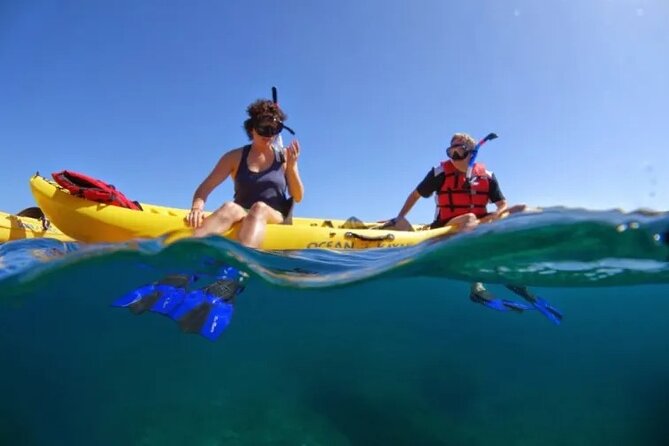
- Olowalu Reef’s marine life: thousands of colorful tropical fish and hundreds of giant green sea turtles in the area
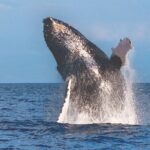
- Winter humpback grounds: from December to May, the North Pacific humpback whales visit to birth and breed
- A small-group outing: up to 10 people, which usually makes it easier to stay together on the water
- Certified guiding: guides are Certified Hawaii Marine Naturalists and hold CPR/First-Aid/Lifeguard credentials
- Snorkeling highlights: past participants specifically mention turtles, schools of fish, and a baby shark
- Conservation focus: the operator actively supports multiple marine protection organizations
Olowalu’s humpback sanctuary: why this stretch of Maui matters
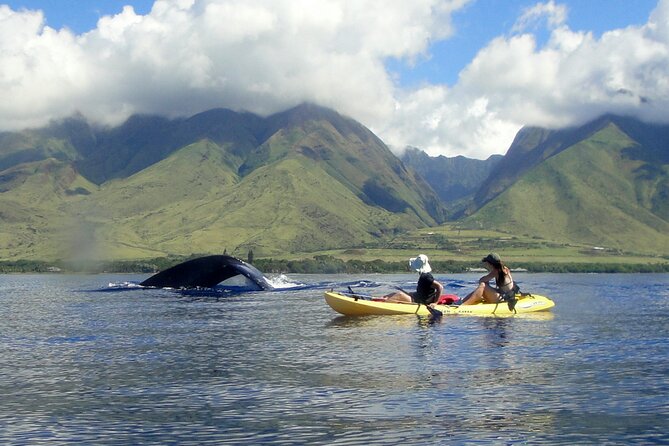
This tour focuses on one of Maui’s most meaningful marine areas: the Hawaiian Islands Humpback Whale National Marine Sanctuary. That matters because it’s not just about spotting animals; it’s about doing it in a protected zone where whale behavior is the point, not the show.
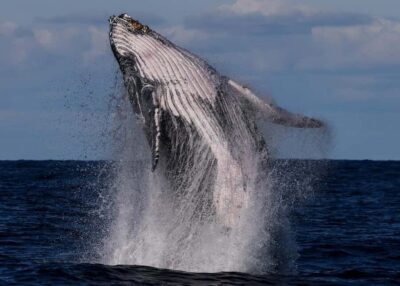
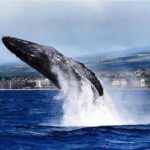
Olowalu is especially strong in winter. Between December and May, an estimated 15,000 humpback whales visit the area for winter birthing and breeding, then later head back to feeding grounds in Alaska. You also get the payoff of a reef ecosystem close to shore, where you can encounter sea turtles and lots of fish life before whale season even becomes your main focus.
Even if you’re more of a “reef person” than a “whale person,” this area gives you both. That combo is part of the value here: one outing that can cover calm water kayaking, snorkeling on a busy reef, and whale watching in a sanctuary setting.
You can also read our reviews of more tours and experiences in Maui.
Kayak from Olowalu Beach at 8:00 am: getting on the water efficiently
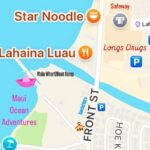
The tour meets at 814 HI-30, Lahaina, HI 96761, with an 8:00 am start. The ride back ends at the same meeting point, so you’re not stuck planning transportation for a half-day that goes sideways.
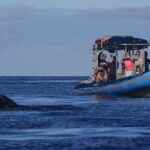
The practical win is the pacing. With a total duration of about 3 hours 30 minutes, you get real time in the water without it turning into a full-day production. And with a maximum group size of 10, you’ll likely spend less time waiting around and more time actually doing the activity.
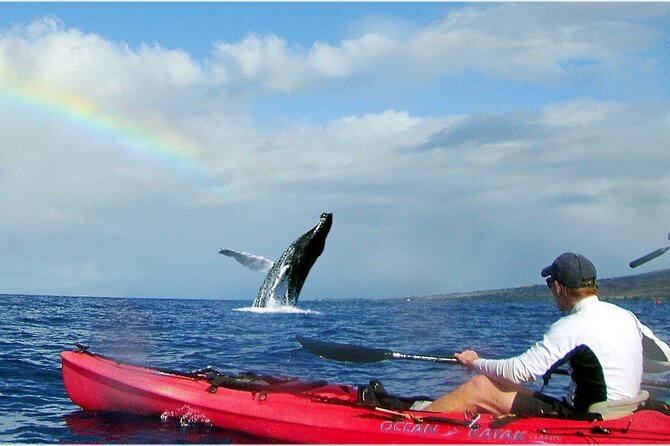
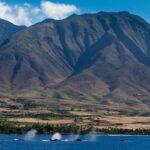
Olowalu’s setting also helps. You’re kayaking with views of the West Maui Mountains while you move over clearer waters associated with the Olowalu Reef area. That combination—scenery plus marine life—makes the kayak portion feel like more than “getting to the snorkel spot.”
One more thing I appreciate: the guides are experienced in Hawaiian waters and are Certified Hawaii Marine Naturalists. That usually translates into smarter answers for the questions you’ll naturally have once you’re out there, like why certain animals show up where they do.
Snorkeling on Olowalu Reef: turtles, fish schools, and a baby shark
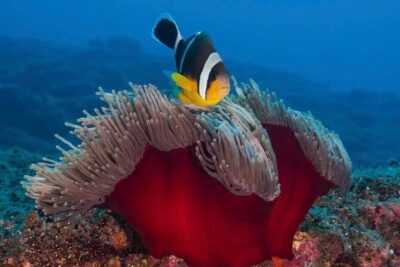
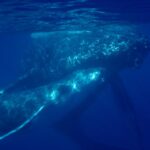
The snorkeling portion is where a lot of people hit the emotional jackpot. The reef around Olowalu is described as home to thousands of colorful tropical fish and hundreds of giant green sea turtles. That’s the kind of baseline biodiversity that gives you a good chance of seeing multiple types of wildlife, even if whales aren’t the main highlight that day.
From the guidance and what’s been reported, the snorkeling moments can be pretty close-up. Past participants highlight seeing turtles swim by, plus schools of fish. There’s also a memorable report of a baby shark sighting, which tells me the reef life here isn’t just about slow-moving turtles and generic fish.
What I’d look at for value is how snorkeling supports the rest of the tour. If you’re calm and patient in the water, snorkeling can turn the whole outing into a nonstop connection with the ecosystem. Then, when the focus shifts to whales, you’re not starting from zero. You already understand the environment and you’re better at spotting movement on the water’s surface.
A small caution: water visibility and animal sightings can change with conditions. This is still an outdoor marine activity, and your best odds come on a day with good weather, as the tour requires.
Whale watching in Maui’s winter sanctuary: what you’re aiming for
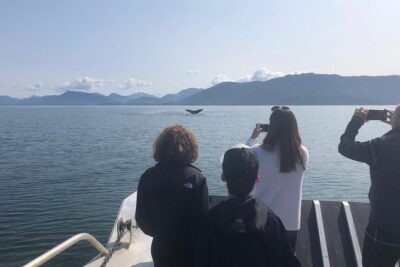
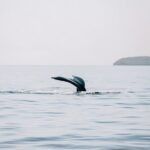
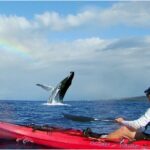
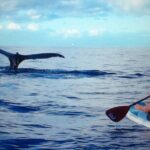
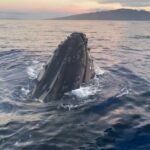
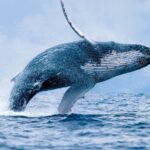
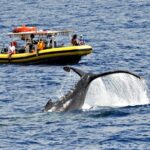
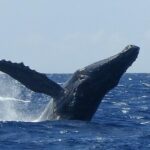
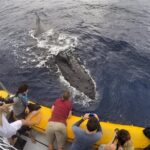
Whale watching here centers on the humpbacks that visit the sanctuary in winter. Between December and May, whales come through to birth and breed, then return to Alaska for feeding later. That seasonal pattern is a big deal for planning, because it affects how likely you are to have a meaningful encounter.
If you’re going specifically for whales, time your trip with that season in mind. If you’re flexible, you still get value from the reef snorkeling and the kayak portion, which is a strong backup plan when whale activity is lighter.
There’s also a conservation angle that’s worth paying attention to. The operator emphasizes marine conservation and education, and they actively support organizations such as Project Aware and Earth Island Institute. Even if you don’t follow every program detail, the intent is clear: you’re in a sanctuary where behavior matters. That usually means the guide focus stays on safety, wildlife respect, and making sure everyone understands what they’re seeing.
From a practical standpoint, I recommend keeping your expectations grounded. You’re not guaranteed a specific number of whale sightings. What you can count on is being in the right habitat at the right time, with guides who understand humpback presence in this sanctuary zone.
Guides, safety, and the conservation mission behind the scenes
The quality of a water tour often comes down to the people. In this case, the tour description makes a point of the guide training: Certified Hawaii Marine Naturalists plus American Red Cross CPR/First-Aid/Lifeguard certified staff. That’s not marketing fluff when you’re on open water and in and out of the ocean.
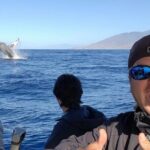
On top of credentials, there’s also the human factor. Past participants specifically called out guide service from Wes and Roger “Red”, praising them for going above and beyond. That kind of detail matters because it tells you what kind of tone to expect: hands-on help when it’s your first time, clear instruction, and enough warmth that you don’t feel rushed.
The company’s marine conservation focus ties everything together. Supporting groups like Surfrider and Sea Shepherd signals that the tour’s educational purpose isn’t an afterthought. For you, that means the outing is more likely to connect the dots between what you see—turtles, fish, humpbacks—and why it matters to protect their habitat.
And yes, that affects your experience. When you know the “why,” you pay more attention. You’re not just passing the time. You’re building a small understanding of a living system you can only access by being out there.
Price and value: is $125 worth 3.5 hours on Maui waters?
The price is $125 for about 3 hours 30 minutes, and that’s a fair question because Maui has plenty of ways to spend money. Here’s the value angle I see.
First, you’re getting three different experiences tied to one location: kayaking, snorkeling, and whale watching in a defined marine sanctuary area. Bundling those in one outing saves you from piecing together separate tours and dealing with separate timing, locations, and setup costs.
Second, the group size is capped at 10. On water tours, that matters more than it sounds, because fewer people usually means less friction: easier handling during instruction, better time on task, and less crowding around wildlife viewing.
Third, the guide credentials and conservation mission add weight. CPR/First-Aid/Lifeguard certification and marine naturalist training are the kind of details you don’t always see highlighted in cheaper activities. Even if you never need emergency skills, having trained leaders tends to improve pacing and decision-making in changing ocean conditions.
The one value tradeoff is that the tour requires good weather. If weather doesn’t cooperate, you’ll either be offered a different date or a full refund, so you’re not stuck. Still, that means you should check conditions close to your start time and plan your day with a little flexibility.
Who should book this kayak, whale watch, and snorkel tour
This is a solid fit if you want an efficient Maui morning that still delivers real wildlife time. The tour says most travelers can participate, and the overall structure makes sense for people who want “one outing, multiple highlights” without turning it into a long day.
It’s also a good option if you’re new to kayaking or snorkeling. The tour guide attention is a big part of why beginners feel comfortable, and the positive comments about Wes and Roger Red suggest the team handles first-timers well.
If you’re traveling with someone who’s split between whales and reefs, this tour helps both sides. Whale season in December to May raises your odds for humpbacks, while Olowalu Reef’s sea turtles and fish give you a strong alternative highlight even when whale sightings are slower.
If you’re going purely for whales and you’re visiting outside the winter season window, you might still enjoy the outing for reef life and the overall marine setting, but you should expect whales to be less consistent than in peak months.
Should you book this kayak, whale watch and snorkel tour?
I’d book it if you want a well-rounded marine experience that starts early, stays tightly managed, and focuses on the sanctuary environment rather than just sightseeing. The combination of Olowalu Reef snorkeling (turtles and fish life), plus whale watching tied to the winter humpback grounds, is a strong “value-per-hour” mix.
I’d also book it if you care about how the money is put to use. The operator’s conservation partnerships and the trained nature of the guides add confidence, not just excitement.
The main reason not to book is simple: if your schedule is rigid and you can’t handle weather changes. Because this activity requires good weather, you’ll want some flexibility built into your Maui plan.
FAQ
What is the location and meeting point for this tour?
The tour starts at 814 HI-30, Lahaina, HI 96761, USA. The activity ends back at the meeting point.
What time does the tour start?
The start time listed for this experience is 8:00 am.
How long is the kayaking, whale watch, and snorkeling experience?
The duration is approximately 3 hours 30 minutes.
How much does the tour cost?
The price is $125.
How many people are in a group?
This tour has a maximum group size of 10 travelers.
Is the tour dependent on weather?
Yes. The experience requires good weather. If it’s canceled due to poor weather, you’ll be offered a different date or a full refund.