REVIEW · BOSTON HARBOR
Boston: City Cruises Whale Watching Cruise
Book on GetYourGuide →Operated by Boston Harbor City Cruises · Bookable on GetYourGuide
Whales show up when you least expect them. This Boston Harbor City Cruises whale watch puts you on a fast, comfortable boat with big viewing space and real-time help from New England Aquarium Naturalists.
What I like most is the guided wildlife spotting—Naturalists point out where to look, explain behavior, and keep the chatter practical. I also like the setup: you’re not stuck outside the whole time. You can rotate between open-air decks and a climate-controlled cabin with large windows.
The main drawback to plan for is motion and weather. This outing isn’t for people with motion sickness, and even if you’re fine, choppy water can make the ride feel “a lot” (so bring the right layers).
In This Review
- Key Takeaways Before You Go
- Where the Cruise Starts at Boston’s Long Wharf
- High-Speed Boat Comfort: Decks, Windows, and Seating You Can Actually Use
- How the Naturalists Run the Spotting Game (and Why It Changes Everything)
- The Harbor Warm-Up: Castle Island and Boston Harbor Islands Pass-By
- The Real Target: 1.5 Hours at Stellwagen Bank National Marine Sanctuary
- Species You Might See: Humpbacks, Fins, Minkes, and White-Sided Dolphins
- Snacks, Sound Systems, and the “Wait for the Unexpected” Portion
- Price and Value: What $80 Buys on a Boston Whale Watch
- Weather, Choppy Water, and Motion-Sickness Reality Check
- Who Should Book This Whale Watching Cruise (and Who Should Skip It)
- Practical Tips I’d Use Before You Go
- Should You Book Boston Harbor City Cruises Whale Watching?
- FAQ
- How long is the Boston whale watching cruise?
- Where does the tour depart from?
- Where does the whale watching happen?
- What whales and marine animals can I see?
- What kind of viewing space is available on the boat?
- Is food and drink included?
- Can I bring binoculars or a camera?
- Is the cruise suitable for people with motion sickness?
- What is the cancellation policy?
- Is the tour wheelchair accessible?
Key Takeaways Before You Go
- Naturalists from the New England Aquarium help you spot whales and understand what you’re seeing
- Outside decks plus indoor cabin windows mean you can change spots fast without missing action
- Stellwagen Bank National Marine Sanctuary is where the best whale time happens (about 1.5 hours)
- You’re on a high-speed boat, which can shorten the wait to open water and keep things comfortable for many people
- Dress for cold wind and possible chop; this cruise can feel rough even on good days
- If you don’t see whales, ask about the rain-check option mentioned by the crew
Where the Cruise Starts at Boston’s Long Wharf
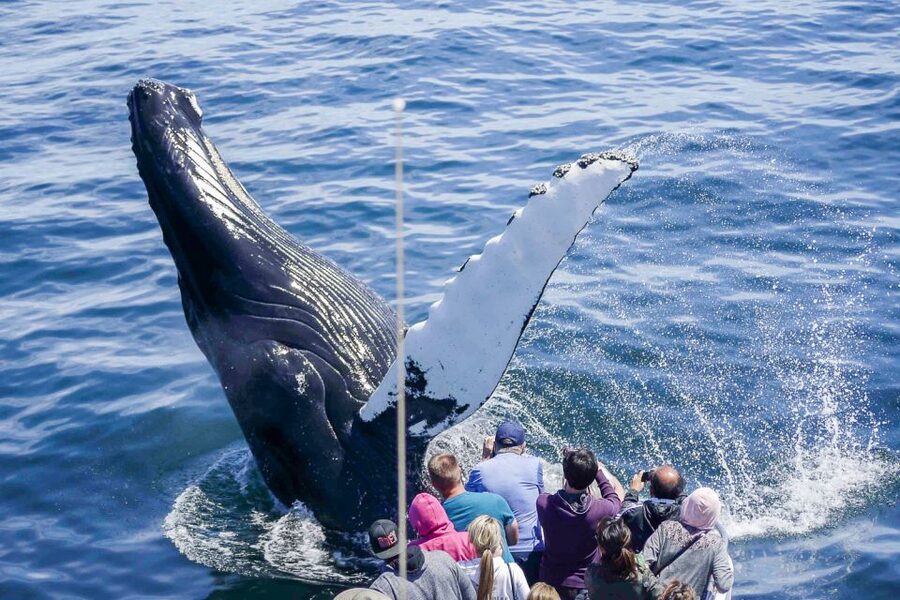
Your trip meets at Boston Harbor City Cruises on One Long Wharf, an easy area to find if you’re already in downtown. It’s between the Long Wharf Marriott Hotel and the New England Aquarium, so you’re basically in the middle of Boston’s waterfront action.
I like this meeting spot for two reasons. First, it keeps the whole experience simple: you don’t need a shuttle or a complicated transit plan. Second, you can arrive early and get your bearings before boarding.
When you show up, you’ll scan your voucher and get directed to the boat. Expect a quick, straightforward process. No long pre-show, no waiting around for hours on end—once boarding starts, you’re on your way.
High-Speed Boat Comfort: Decks, Windows, and Seating You Can Actually Use
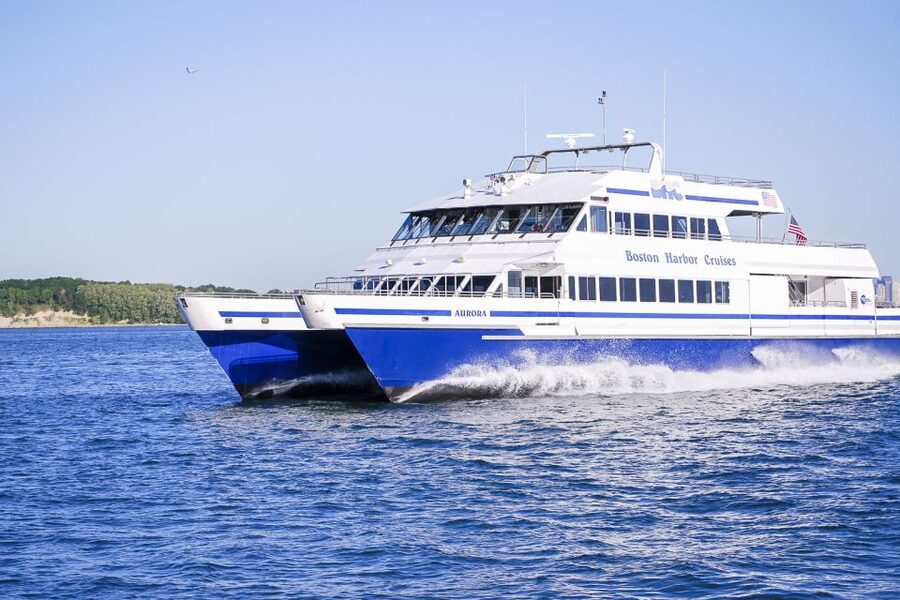
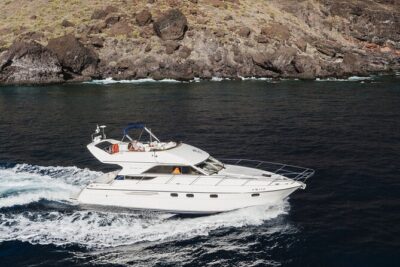
This is a high-speed boat designed for whale watching, and that design shows in how you can move around.
On one side, you have outdoor viewing decks. On the other, you have a climate-controlled cabin with big windows and cushioned seating. That matters more than you’d think. Whale activity can happen fast, and conditions can change even within a short viewing stop. Being able to step inside to warm up (or step out to get the best sightlines) keeps the whole 3.5–4 hour experience from feeling punishing.
Inside, there are tables and a sound/video system that supports the naturalists’ commentary. There’s also a galley where you can buy snacks and drinks. So if you’re the type who needs a drink in hand to relax, you can handle it onboard without breaking your flow.
Two small “real life” notes from the vibe: some seating is described as a bit worn, and a few people mention it can get cold in the closed area. My takeaway: bring a jacket even if the waterfront looks mild.
How the Naturalists Run the Spotting Game (and Why It Changes Everything)
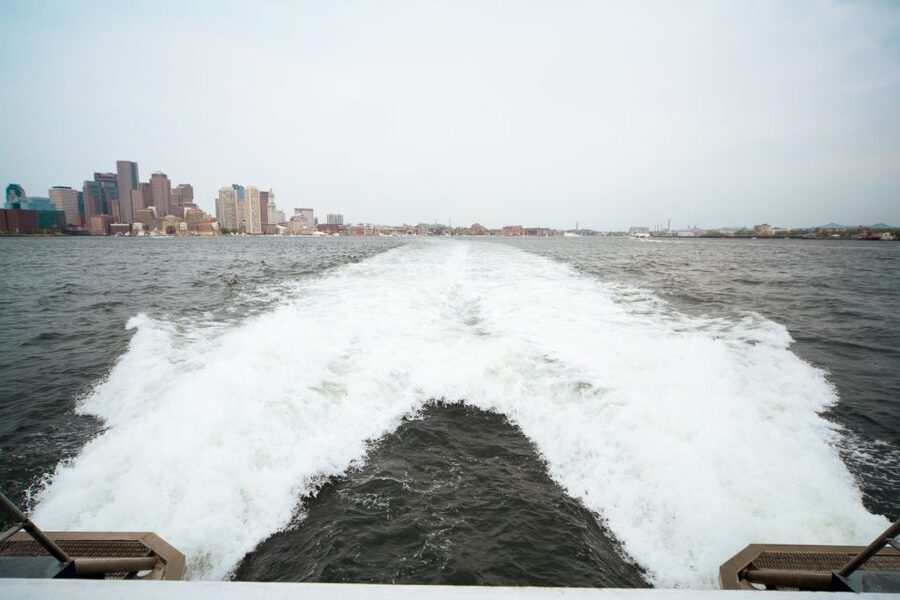
The best whale watches aren’t just about luck. They’re about getting your eyes on the right area at the right time—and the crew and Naturalists help you do that.
Naturalists from the New England Aquarium explain what you’re seeing and why. They also point out whale behavior and the details that matter for spotting—like where spouts might appear and what certain dives look like.
You’ll hear names like Colin and Eman associated with the guide team in guest feedback. That’s a fun detail, but the bigger point is what their role is: they’re translating whale life into something you can actually track from a boat.
On top of that, the captain works with viewing angles. More than one guest notes the boat turning so each side gets a chance to see breaches and activity. That matters because whales don’t always surface where you’re standing, and a good turning strategy can make the difference between a quick glance and a memorable moment.
The Harbor Warm-Up: Castle Island and Boston Harbor Islands Pass-By
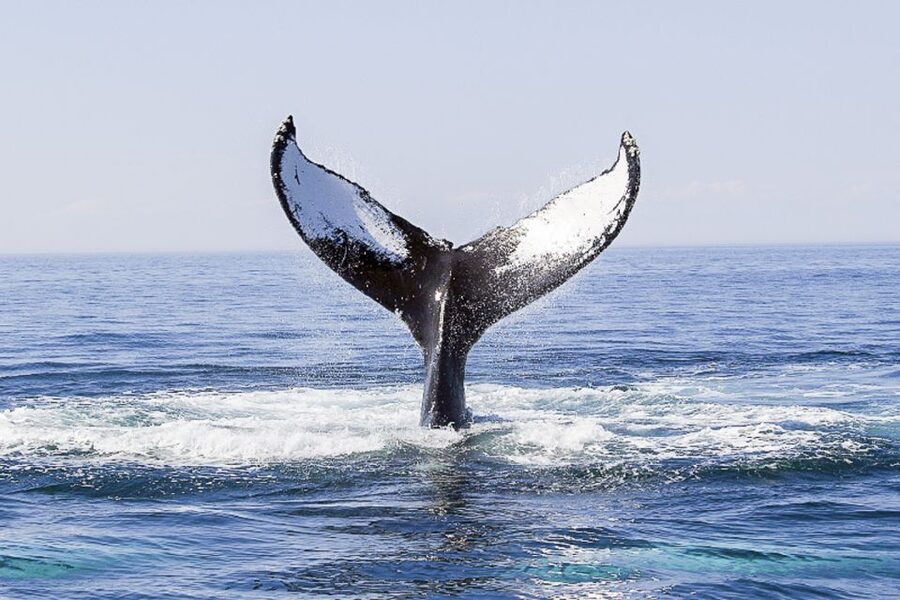
Right after you get moving, you’ll pass Castle Island and the Boston Harbor Islands National and State Park area.
This part isn’t the “main event” for whales, but it’s not filler either. It gives you time to settle in and figure out the boat rhythm: where you like to stand, how sound carries, and how quickly the crew communicates when they spot something.
Also, it’s a nice Boston moment. The harbor views add context to your day. You’re not just heading out into blank ocean—you’re easing into it with recognizable landmarks.
The tradeoff is time. You’re not yet at the whale area, so the earlier minutes are mostly for getting set up, not guaranteed sightings. If you’re the kind of person who gets antsy before the action, plan to stay outside for at least a bit, then rotate inside for warmth.
The Real Target: 1.5 Hours at Stellwagen Bank National Marine Sanctuary
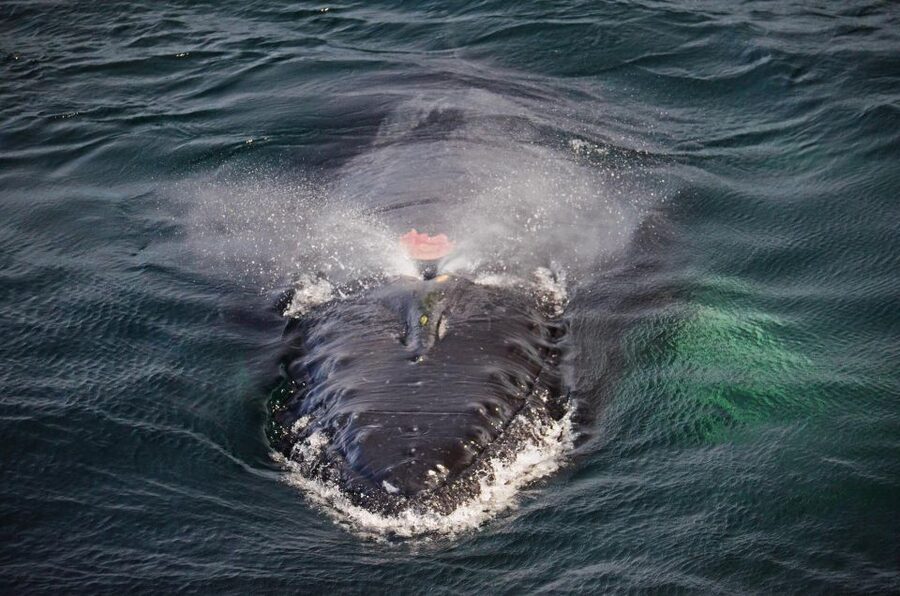
Your whale-watching block happens at Gerry E. Studds / Stellwagen Bank National Marine Sanctuary. That stop is where the boat slows for viewing and where you’ll get your concentrated chance to spot whales.
You’ll spend about 1.5 hours watching, and this is the most important part of the whole schedule. The rest of the trip is getting you there and back, plus the “in-between” passes near the harbor.
One key practical point: whale locations can require extra travel time. The trip is typically 3.5 to 4 hours, but sometimes it runs longer if the crew has to go farther or find a concentration of wildlife. That’s why it’s smart to treat this as a flexible block, not a tight, clock-punched appointment.
During the viewing time, keep rotating between outside and inside if the winds or sun shift. Large windows are helpful, but if the activity gets close enough, outside sightlines can still feel more direct.
Species You Might See: Humpbacks, Fins, Minkes, and White-Sided Dolphins
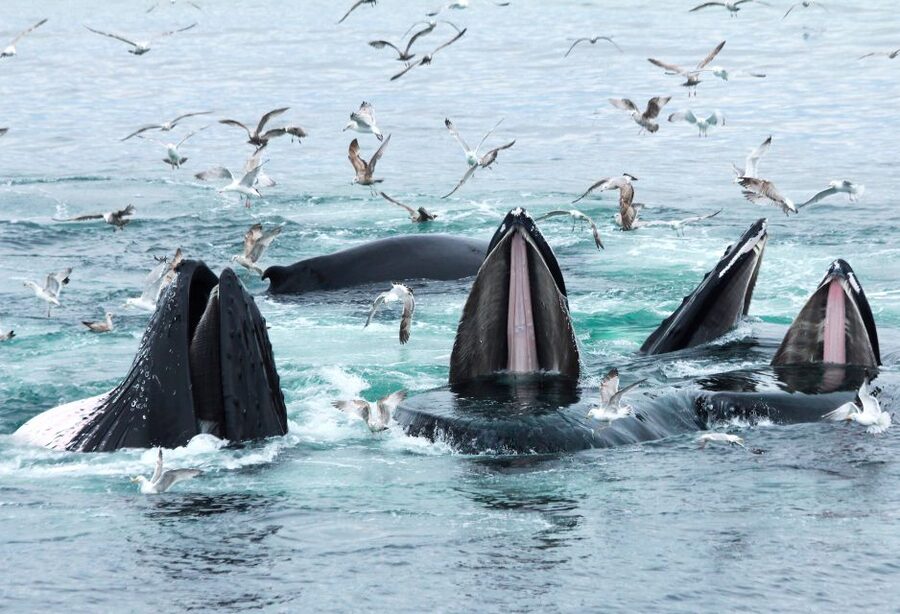
This cruise is aimed at seeing whales in their natural habitat, not in a zoo-like way. The spotters are watching for surfacing and behavior cues, and then the naturalists help you interpret what you’re looking at.
Here’s what you may encounter:
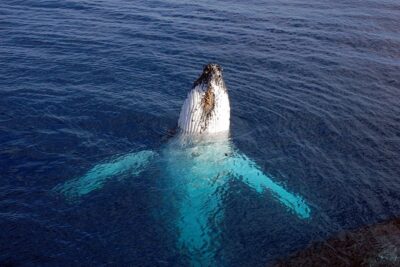
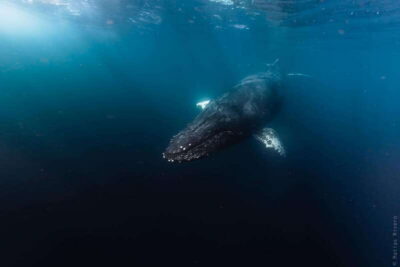
- Humpback whales: named for the way their backs arch when they’re preparing to dive. Their scientific name is Megaptera novaeangliae, a fun detail the crew often shares because it ties to New England.
- Fin whales: huge and built for distance. They’re second only to blue whales in overall size and can reach 45–70 feet.
- Minke whales: smaller, sleek, and often described as the most abundant baleen whale globally.
- White-sided dolphins: North Atlantic dolphins found in waters around New England and beyond. They feed on single prey like squid, which differs from whales that take lots of small fish.
It’s also common to see other marine life alongside whales—things like seals and sharks show up in guest reports. Even when your “primary target” whales are scarce, this kind of wildlife spotting still tends to feel like you’re on the right track.
Snacks, Sound Systems, and the “Wait for the Unexpected” Portion
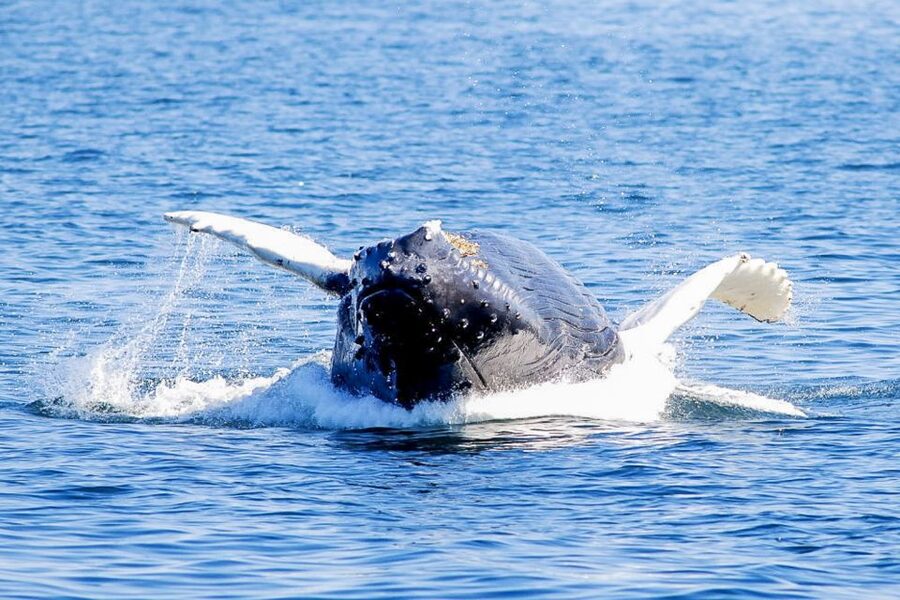
A 3.5–4 hour whale watch can feel long if you’re not prepared. The good news is the onboard setup helps you pass time without being bored.
You’ve got:
- A climate-controlled cabin with cushioned seating and tables
- State-of-the-art sound and video systems supporting the guided narration
- A galley with snacks and drinks for purchase
I like that food is available, because it removes one stress. You don’t have to make a plan to eat perfectly before the cruise and hope you still get back on time.
The other reality is waiting. Whale watching isn’t a guarantee. That’s why the best attitude is to treat this like a guided wildlife outing at sea. If you get whale activity, you’ll love the payoff. If you don’t, you still learn how to look like a spotter.
One small comfort tip from guest feedback: there are mentions of free ginger sweets for sea sickness. If that’s offered on your day, take them. Even if you’re not severely prone, it’s a low-effort help.
Price and Value: What $80 Buys on a Boston Whale Watch
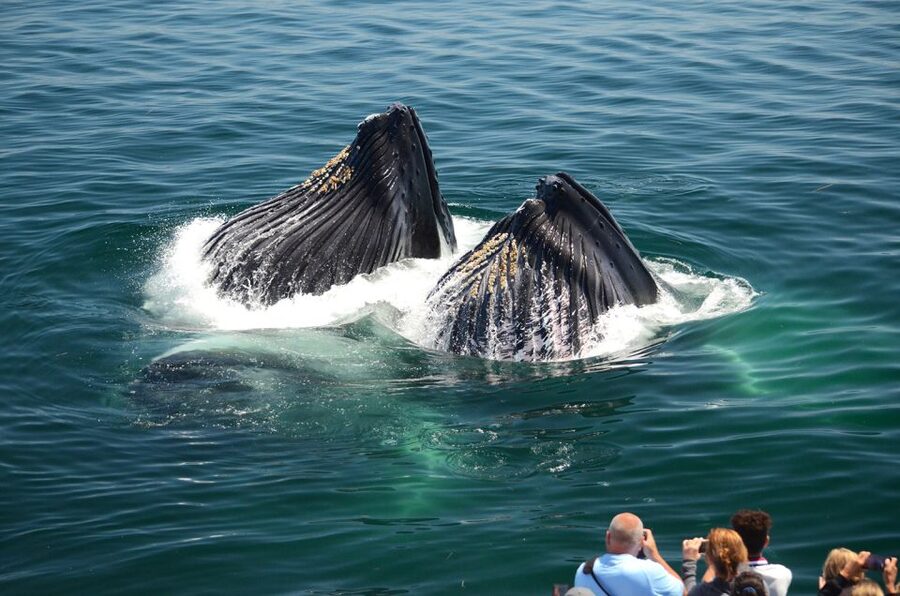
At $80 per person, this isn’t a bargain bus trip. You’re paying for three things: getting out to productive waters fast, having enough viewing space to stay comfortable, and bringing in expert interpretation from the New England Aquarium.
Is it “just a boat ride”? Some people feel that way, especially if they come hoping for the widest possible action at the lowest price. But the value case is strong when you look at the whole package:
- A guided experience with naturalists spotting and explaining
- The boat design that makes it easier to manage weather (outside decks + indoor windows)
- A dedicated time block at Stellwagen Bank for whale watching
Also, the $80 price is for a real experience with wildlife interpretation. You’re not just viewing whales; you’re learning how whales move, surface, and feed. That turns a quick sighting into something you remember.
If you’re someone who needs a “guaranteed” show no matter what, you might feel impatient. If you enjoy wildlife and learning to spot behavior, the price starts to feel more fair.
Weather, Choppy Water, and Motion-Sickness Reality Check
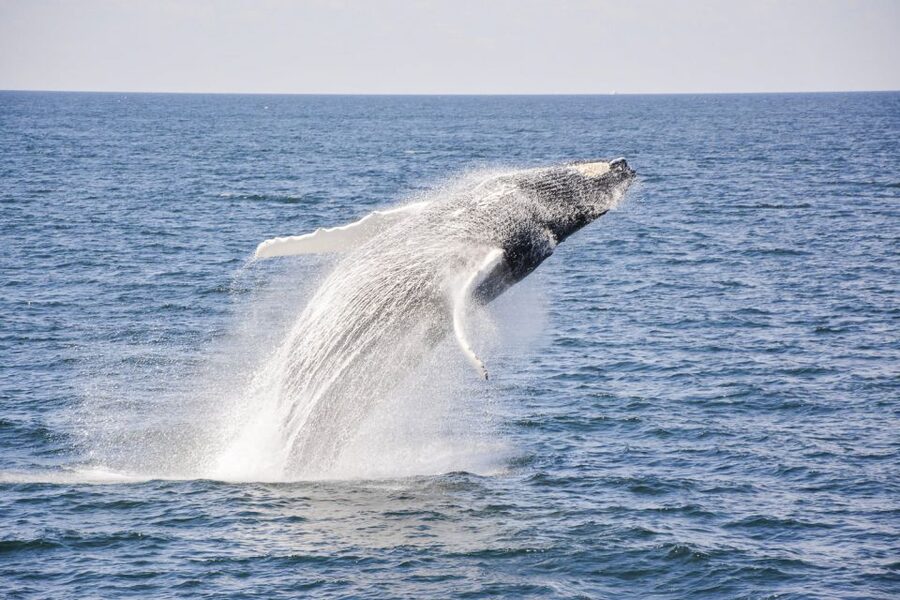
Let’s be straight about the sea part of this trip. This outing isn’t suitable for people with motion sickness, and multiple comments point to real chop at times.
That doesn’t mean the trip is miserable for everyone. It means you should respect the water conditions and plan ahead.
What you can do:
- Bring the weather-appropriate clothing the trip recommends (a warm jacket, hat, sunglasses).
- Wear comfortable shoes and avoid slipping around on decks.
- If you’re sensitive, consider sea-sickness bands or other preparations you’ve used before (one guest specifically recommends bands from a chemist).
- If you’re feeling rough, move yourself. You can rotate between decks and the cabin to find what feels best in the moment.
And remember: even if you feel fine for the ride out, the viewing stop can hit when waves are most noticeable. Build in flexibility.
Who Should Book This Whale Watching Cruise (and Who Should Skip It)
This cruise is a great match if you:
- Want a guided whale watch with serious interpretation from aquarium naturalists
- Prefer a boat experience with both outdoor and indoor viewing
- Like the idea of seeing several species, not just one
- Have a mid-length schedule available (plan on about 3.5–4 hours, possibly a bit more)
You should think twice if you:
- Have motion sickness issues (this activity isn’t suited for it)
- Want a slow, calm sightseeing experience rather than open water
- Are extremely cold-sensitive without a solid jacket strategy
If you’re traveling with kids, this can work well. One guest mentions extra kid-friendly touches like coloring sheets and books, which helps during the waiting portions.
Practical Tips I’d Use Before You Go
Here are the moves that make a difference on this kind of cruise:
- Dress for wind, not just temperature. Bring a jacket and a sun hat if you get glare.
- Pack sunglasses and sunscreen. Sea reflections can be intense.
- Bring binoculars if you like scanning for spouts and behavior.
- Use comfortable footwear. You’ll likely walk from deck to cabin multiple times.
- Bring a camera, but also accept that not every whale will be close enough for perfect shots.
- If you’re prone to sea sickness, plan ahead before you board and stay flexible with where you stand.
One more smart approach: go with curiosity. The crew’s explanations make it easier to spot humpback arches, fin-size tells, and the smaller minke sightings when they pop up.
Should You Book Boston Harbor City Cruises Whale Watching?
I’d book this if you want a guided, comfortable Boston whale watch with real experts on board and enough viewing space to handle changing conditions. The combination of Naturalists from the New England Aquarium, time at Stellwagen Bank, and the mix of outdoor and indoor watching is exactly how you turn a “maybe we’ll see whales” day into a meaningful wildlife outing.
Skip it if you can’t handle motion or you’re looking for a calm, guaranteed spectacle. For everyone else, it’s the kind of experience that gets you out past the tourist shelf and into actual New England marine life.
If you’re deciding last minute, choose the time that fits your schedule and then dress like the ocean is in charge. It usually is.
FAQ
How long is the Boston whale watching cruise?
The duration is about 3.5 hours on most trips, and the average trip runs 3.5 to 4 hours.
Where does the tour depart from?
The cruise departs from Boston Harbor City Cruises on One Long Wharf, located between the Long Wharf Marriott Hotel and the New England Aquarium.
Where does the whale watching happen?
The whale watching takes place at Gerry E. Studds / Stellwagen Bank National Marine Sanctuary for about 1.5 hours.
What whales and marine animals can I see?
The experience is designed for whale spotting, including humpback whales, fin whales, and minke whales, plus white-sided dolphins. Other wildlife such as seals and sharks have been reported.
What kind of viewing space is available on the boat?
You can use both outdoor viewing decks and a climate-controlled indoor cabin with large windows.
Is food and drink included?
Food and drinks are available for purchase onboard.
Can I bring binoculars or a camera?
Yes. The recommended items include a camera, binoculars, sunglasses, sun hat, and sunscreen.
Is the cruise suitable for people with motion sickness?
No. It is not suitable for people with motion sickness.
What is the cancellation policy?
Free cancellation is available up to 24 hours in advance for a full refund.
Is the tour wheelchair accessible?
Yes. The activity is wheelchair accessible.