REVIEW · VANCOUVER
Vancouver-Victoria Day Trip by Seaplane + Whale Watching by Boat
Book on Viator →Operated by Harbour Air Ltd · Bookable on Viator
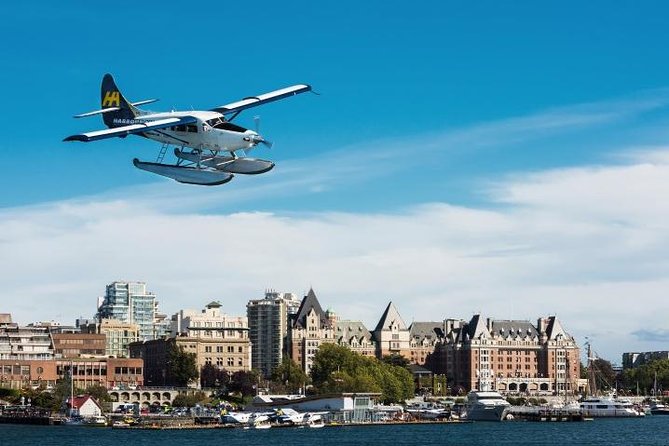
Orcas plus a seaplane sounds unfairly good. This full-day Vancouver-to-Victoria plan turns transit into a big part of the fun, with a 35-minute Harbour Air flight across the Georgia Strait.
I love the focused wildlife angle: you’re aiming for Southern Resident killer whales (orcas) and the wider mix of marine life around Victoria’s Inner Harbour. The guides do the hard work—reading conditions, sharing what they know, and helping you look in the right places—so you’re not just sitting there hoping.
One drawback to plan around: weather controls the day. If fog, wind, or sea conditions aren’t right, your boat time (and sometimes the flight) can change or cancel, and the water can feel cold fast.
In This Review
- Key Highlights You Should Know Before You Go
- Seaplane to Victoria: The Aerial Start That Really Matters
- Stop 1: Harbour Air Vancouver Check-In and the Views Above Downtown
- Stop 2: Orca Spirit Whale Watching From Victoria’s Inner Harbour
- What to expect when whales are close
- If you do not see orcas
- Comfort on the Water: Zodiacs, Covered Boats, and Staying Warm
- Pets and service animals
- Accessibility note
- What You See in the Salish Sea: Orcas, Humpbacks, and the Surrounding Cast
- Victoria Time: Inner Harbour Views and a Chance to Look Around
- Stop 3: Harbour Air Victoria Terminal and the Return Flight to Vancouver
- Price and Value: Is $546.53 Worth It?
- Best Fit: Who This Trip Works For, and Who Might Want Another Plan
- Should You Book This Seaplane and Whale Watch?
- FAQ
- What’s included in the tour price?
- How long does the day take, and where does it start and end?
- What should I bring for the whale watching portion?
- Are there age and height limits for the boat type?
- Can I bring a pet, or a service animal?
- What happens if weather cancels the experience?
Key Highlights You Should Know Before You Go
- Small group size (max 14) for a more personal feel on both flight and boat.
- Round-trip seaplane included, with a short aerial hop that saves time versus ferrying.
- Whale watching with Orca Spirit Adventures on the Salish Sea for up-close wildlife chances.
- Guides who communicate to help you connect with a pod even when visibility isn’t perfect.
- Cold-water clothing matters year-round, even in summer, because you’re moving over open water.
- Zodiac rules are strict: if you want the zodiac experience, check age and height limits first.
Seaplane to Victoria: The Aerial Start That Really Matters
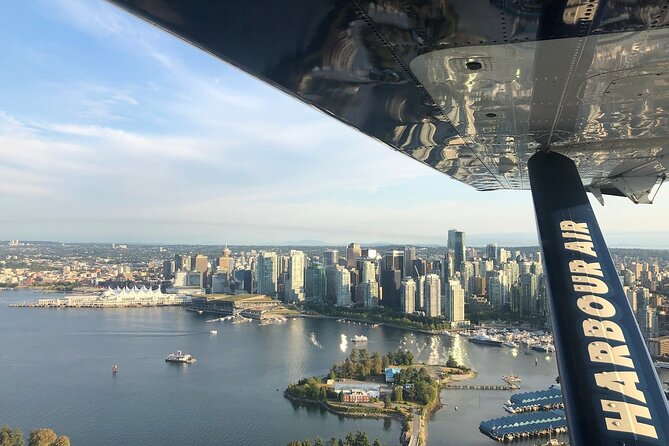
This is the kind of day trip where the travel part isn’t filler. Your seaplane flight is short, but it’s also scenic in a way you simply don’t get from a road trip. From the air, you pass over Vancouver’s core and then swing out over the islands and coastal water that make this region feel so remote.
The big practical win is timing. You’re not burning half the day getting to Vancouver Island by land and ferry. You’re in Victoria quickly, and then you’re on the water for a full 3-hour whale watching session afterward.
There’s also a psychological benefit: when you’re already seeing the coast from above, the whale watch feels like the next chapter, not a separate tour tacked on at the end.
You can also read our reviews of more tours and experiences in Vancouver.
Stop 1: Harbour Air Vancouver Check-In and the Views Above Downtown
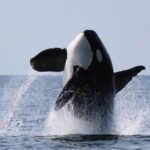
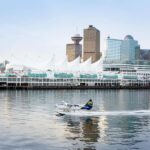
Your day begins at Harbour Air’s Vancouver terminal at 1055 Canada Pl, in the middle of downtown. The key detail here is tempo. Arrive at least 40 minutes before departure, and make sure you’re fully checked in 20 minutes before the scheduled time. If you miss the check-in window, you won’t board—and you won’t get refunded.
Also plan for ID. Everyone age 18+ needs either one government-issued photo ID or two IDs without a photo. That’s one of those rules that’s easy to overlook when you’re excited and moving fast.
Once you’re on board, the flight is about 35 minutes. As you leave Vancouver, you fly past well-known waterfront landmarks—Canada Place, the cruise terminal area, and the Vancouver Convention Centre—and out toward the North Shore Mountains. This is the part that makes the trip feel special even if the whale day goes a little sideways.
Stop 2: Orca Spirit Whale Watching From Victoria’s Inner Harbour
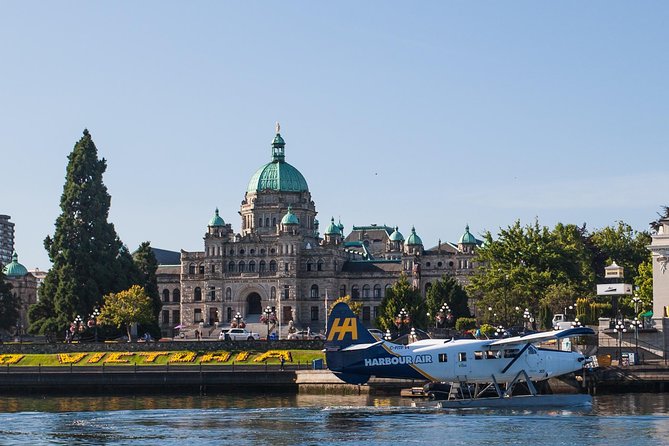
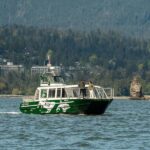
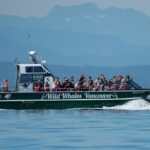
In Victoria, your whale watching starts right after you land. The boat operation is with Orca Spirit Adventures, and the tour runs about 3 hours.
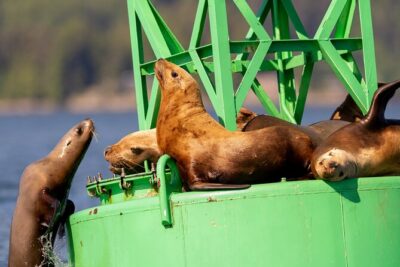
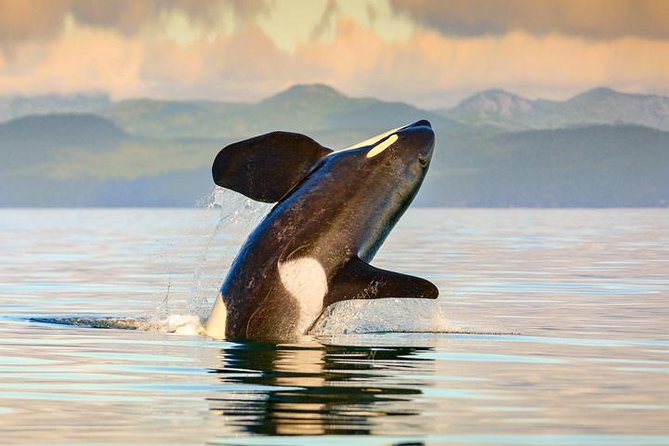
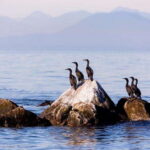
The waters here are part of the Salish Sea system, known for a surprisingly diverse mix of wildlife. Your captain and guides focus on what’s actually around you—orcas, humpback whales, seals, sea lions, and a range of seabirds. You might also see other animals depending on the day, but the whole point is that you’re in the right region for real wildlife spotting.
Another thing worth appreciating is how the guides frame the area. They share local ecology and the importance of protected marine zones used for research and conservation. It changes the vibe from sightseeing to something more grounded: you’re learning why the whales are there, not just trying to catch a single photo.
Guide quality is a recurring theme, especially in tough conditions. People highlight staff who stay calm when visibility changes—fog is one example—and who keep communication going so the group doesn’t miss a pod passing through. Names you may run into include guides like Shannon, Josh, Luke, Liam, and others mentioned for being sharp on local waters and for keeping the group engaged.
What to expect when whales are close
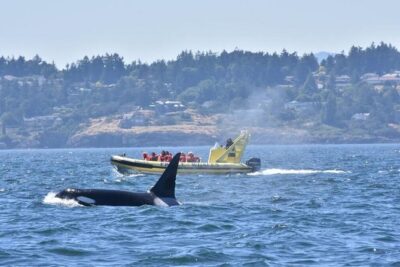
If orcas (or humpbacks) show up, the captains typically position the boat to maximize your viewing without treating the animals like a ride. That’s how you get those moments people talk about—seeing whales near the zodiac or boat, watching calves nearby, and noticing behavior instead of just big surface blows.
If you do not see orcas
This matters: whale watching is wildlife, not a vending machine. Some days are orca-heavy, and some are more humpback or mixed-species days. Either way, you’re still out in one of Canada’s most whale-friendly zones, and you’ll often get seals, sea lions, and birds along the way.
Comfort on the Water: Zodiacs, Covered Boats, and Staying Warm
This is a practical section, because the water can humble your packing choices fast.
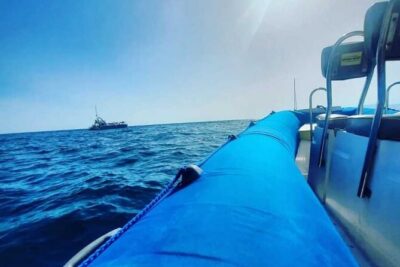
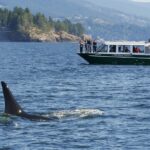
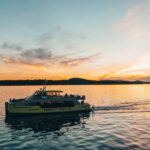
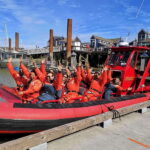
Your boat style can be either a covered vessel or a zodiac. The tour info says covered vessel tours welcome people of all ages, while zodiacs have restrictions: you need to be at least 6 years old and meet a minimum height of 4 feet. If you’re traveling with a child, confirm which vessel you’ll be on, because the access rules differ.
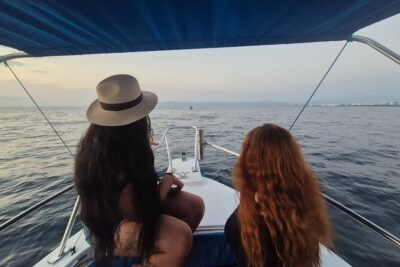
Cold is the other major issue. The tour guidance recommends dressing warmly for the water even in summer, with layering as the best strategy. Bring sunglasses and sunscreen. Wind over open water can feel colder than the air temperature suggests, and sun glare can sneak up on you when you least expect it.
From the practical side, people also mention rain gear. Even when land weather looks fine, the boat portion can get wet and chilly. If you run hot easily, you can always peel off layers—but going underdressed is harder to fix once you’re out there.
Pets and service animals
Pets can’t be accommodated on the whale excursion. Certified service animals can be accommodated on covered vessel tours only, not on zodiacs.
Accessibility note
This experience is marked not handicap accessible. That matters if stairs or boarding steps are a concern for you.
What You See in the Salish Sea: Orcas, Humpbacks, and the Surrounding Cast
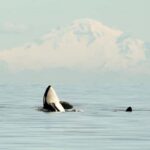
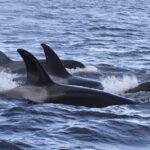
The headline target is Southern Resident killer whales (orcas). That’s the reason many people pick this trip: this area is one of the places where you can sometimes spot them.
But the day is rarely only about the top billing. Expect the surrounding wildlife to be part of your payoff:
- Humpback whales on some days
- Harbour seals and sea lions
- Bald eagles and other seabirds
- Occasional surprises noted by captains or guides, depending on the season and the route
A couple of real-world patterns show up in how guides operate. Captains work the area to find active wildlife, and interpreters explain what you’re seeing and what to look for next. When conditions like fog show up, the guide team’s coordination becomes important—so you might not just sit and wait for a miracle.
If you’re a photographer, your best shots will depend on your positioning and weather. The boat layout matters too. Some people specifically point out that views from the top of the boat tend to be best when skies cooperate.
Victoria Time: Inner Harbour Views and a Chance to Look Around
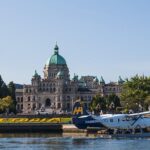
The structure of the day is simple: land in Victoria, go whale watching, then return to the Harbour Air terminal. Still, you often get some downtime in the Inner Harbour area, even if it’s not a full sightseeing day.
Because the whale boat starts from Victoria’s Inner Harbour zone, you can keep your walking simple. If you like to stretch your legs between activities, this part of the trip is where you do it. Fisherman’s Wharf is one area people call out as worth finding if your schedule gives you any breathing room.
A key point: don’t plan a long hike or anything that requires deep transit. This is a tight day built around the seaplane and the boat timing.
Stop 3: Harbour Air Victoria Terminal and the Return Flight to Vancouver
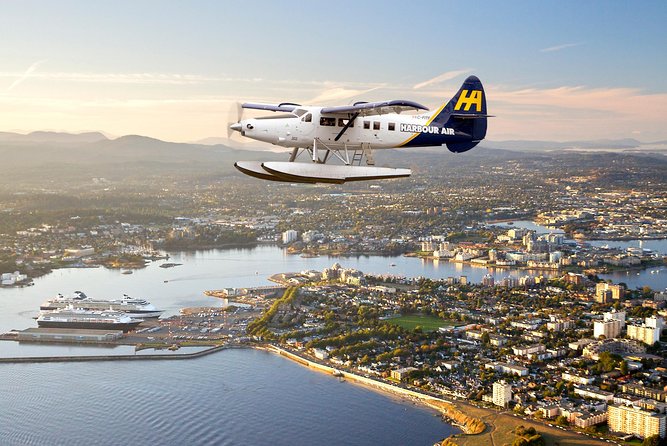
After the whale watch, you head back to the Harbour Air Victoria terminal. It’s bright and modern, with waterfront views looking back toward the Inner Harbour area. That matters because it gives you a comfortable place to reset before the flight.
The return flight is part of the payoff. You’ll get one more aerial look at the coast as you fly back to Vancouver. People who love the scenery usually rate the seaplane legs as a big win on their own, not just as a means to an end.
Also remember: the tour ends back at the meeting point, so you don’t have to figure out separate transport from the island back to downtown.
Price and Value: Is $546.53 Worth It?
At $546.53 per person, this isn’t a cheap day out. But it’s also not just a boat ticket with a transportation add-on.
What you’re paying for, clearly:
- Round-trip seaplane flights between Vancouver and Victoria
- The 3-hour whale watching cruise
- Taxes and sustainability fees included
What you’re not paying for:
- Food and beverages
- Hotel pickup and drop off
The value math usually works best when you factor in time and convenience. The seaplane saves you from the slower back-and-forth that can eat your day. It also lets you see the region twice—from the air, then from the water—so your day has a double set of “wow” moments.
One more value factor: small group size. With a max of 14 travelers, you’re less likely to feel like a number being moved through a system.
Weather risk is the wildcard. This experience requires good conditions. If it’s canceled due to weather, you’ll be offered a different date or a full refund. That reduces risk, but it still means you should keep your schedule flexible if you can.
Best Fit: Who This Trip Works For, and Who Might Want Another Plan
This trip is a strong fit if you:
- Want a fast, efficient Vancouver Island day
- Care about whale watching but also enjoy scenic flight time
- Are okay with cold wind and water conditions
- Like learning from interpreters rather than just spotting from a distance
It may be less ideal if you:
- Need a fully warm and dry day (the boat can get wet and cool)
- Can’t meet the zodiac age or height requirements
- Travel with pets (pets are not accommodated on the whale excursion)
- Have mobility needs that require accessibility accommodations (the tour is not handicap accessible)
If you’re celebrating something, this also fits well. People describe it as a once-in-a-while adventure because it’s built around two big experiences in one day: flight and whales.
Should You Book This Seaplane and Whale Watch?
I’d book this if you want the best chance at a “do it once and remember it” day without spending the whole trip in transit. The seaplane legs make the experience feel complete, and the whale watch is long enough to matter.
If you’re picky about comfort, pack for cold and wind like you mean it. If you’re chasing orcas specifically, understand that wildlife days can vary, but you’re in the right place and guided by teams that work hard to put you where sightings happen.
In short: this is a high-effort, high-reward day trip. It’s best when you can handle weather swings and you’re excited to get out on the water.
FAQ
What’s included in the tour price?
Round-trip scenic seaplane flights between Vancouver and Victoria, the whale-watching cruise, and taxes and sustainability fees are included. Food and beverages are not included, and there’s no hotel pickup or drop off.
How long does the day take, and where does it start and end?
Plan for about 7 to 8 hours. The tour starts at Harbour Air – Vancouver (1055 Canada Pl) and ends back at the meeting point.
What should I bring for the whale watching portion?
Dress warmly for the water even in summer, using layers. Bring sunglasses, sunscreen, a camera, and a snug-fitting hat. The water can feel cold quickly when you’re moving over open ocean.
Are there age and height limits for the boat type?
Covered vessel tours welcome people of all ages. Zodiacs are restricted to those 6 years old and above with a minimum height of 4 feet.
Can I bring a pet, or a service animal?
Pets can’t be accommodated on the whale watching excursion. Certified service animals can be accommodated on covered vessel tours only, and not on zodiacs.
What happens if weather cancels the experience?
This experience requires good weather. If it’s canceled due to poor weather, you’ll be offered a different date or a full refund. You can also cancel in advance for a full refund if you meet the cutoff times.