REVIEW · GENOA
Genoa: Pelagos Sanctuary Whale Watching Cruise
Book on GetYourGuide →Operated by Golfo Paradiso srl · Bookable on GetYourGuide
Whales are not on a schedule here. This 4-hour Genoa cruise pushes out into the Pelagos Sanctuary, where the crew and a biologist guide scan for cetaceans. It’s not a performance. It’s patient wildlife watching on the Tyrrhenian Sea.
I especially love two things: the cruise’s open-sea search after about 30 minutes, and how often the trip delivers real variety, from dolphins to sperm whales and beyond. When you’re out in the open water, the views feel bigger and the animals feel closer—without the feeling of chasing them.
The main drawback is simple: you’re going to spend time looking, not guaranteeing results. Even with a good route and careful spotting, wild animals set the rules, and rougher conditions can make sightings harder.
In This Review
- Key things to know before you go
- Why Pelagos Sanctuary works for whale watching from Genoa
- Meeting at Porto Antico: Calata Mandraccio and a 13:00 departure
- The 4-hour flow: navigation, 1000–1500m depth, and surface searching
- What you can realistically see: sperm whales, striped dolphins, beaked whales, turtles
- The biologist guide experience: what they do and how you’ll use it
- When calm seas matter more than you think
- Group size, pace, and the reality of wildlife tracking
- Comfort onboard: toilets, drinks, and how to dress
- Price and value: what $51 buys on a biologist-led cruise
- When to book: best months and best days for Genoa Pelagos cruises
- Should you book Genoa: Pelagos Sanctuary whale watching?
- FAQ
- Where is the meeting point for the Genoa whale watching cruise?
- What time does the cruise depart from Genoa?
- How long is the excursion?
- How far do you travel before whale spotting starts?
- Which animals might you see on this cruise?
- Do you have guaranteed sightings?
- What months and days does the cruise run?
- Do you travel in calm weather only?
- What languages are available on the cruise?
- Is the cruise suitable for people with mobility impairments?
- What is the cancellation policy?
Key things to know before you go
- Pelagos Sanctuary open-sea depth: after ~30 minutes, you reach about 1000–1500m to improve your chances
- Biologist-led spotting: you’re guided by a marine biologist, with possible extra German/English support
- No fixed meeting times with wildlife: you watch for surface activity while the boat tracks the sightings
- Strong odds for dolphins: striped dolphins, pilot dolphins, sperm whales, and more show up frequently
- If you miss everything, you may return free: a second excursion is available if no sightings occur
- Best sailing = calm and no wind: visibility improves when the sea is smooth
Why Pelagos Sanctuary works for whale watching from Genoa
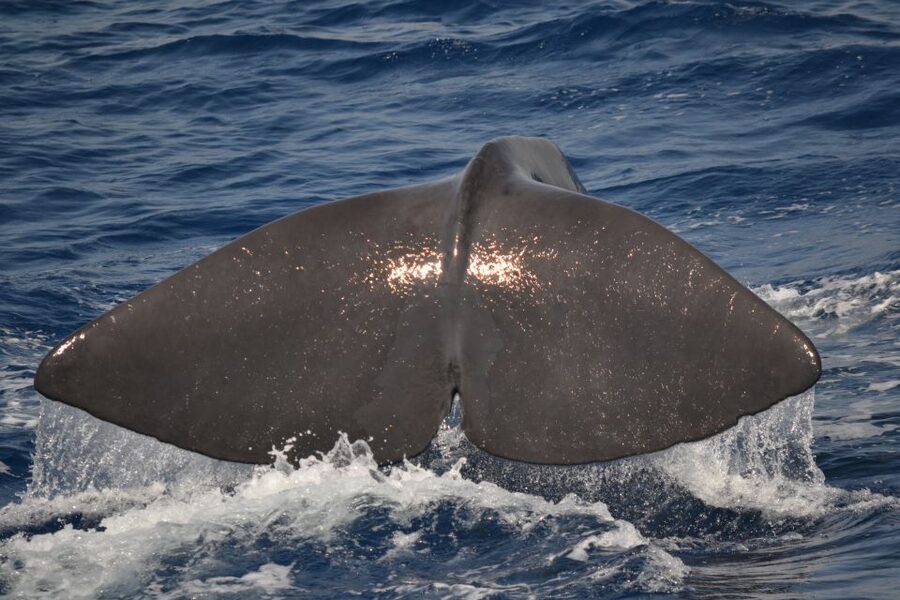
Pelagos is one of those places where “chance” actually has a reason behind it. This cruise is built around getting you out to open water and then spending the bulk of the time observing the surface. The Sanctuary waters are deep, and whales and dolphins don’t roam randomly in your direction. They move through the ecosystem, and your job is to watch long enough—and with the right guidance—to catch the brief moments when they come up.
This trip also keeps the focus where it should be. You’re not just looking for a “big whale photo.” You’re learning how cetacean spotting works: scanning, tracking, and understanding behavior cues while you’re on the water. That turns the whole experience from sightseeing into a real nature session.
Meeting at Porto Antico: Calata Mandraccio and a 13:00 departure
You’ll meet in Genoa’s Porto Antico, specifically at Calata Mandraccio, near the Bigo and close to the patrol boats of the Genoa Coast Guard. It’s a helpful landmark area—easy to orient yourself if you’re already planning time around the port.
The cruise departs at 13:00. Because the action doesn’t happen in the harbor—there’s about 30 minutes of navigation before you reach open-water depth—you’ll want to arrive early enough to check in without stress. If you’re planning lunch beforehand, pick something quick. Then you can focus on the water instead of your watch.
The 4-hour flow: navigation, 1000–1500m depth, and surface searching
Here’s the basic pacing, and it matters more than you might think.
First, you leave Genoa and spend about 30 minutes heading out. During that segment, you’re not expecting instant sightings. You’re getting into the right area—this is how you improve odds for cetaceans in deeper waters.
Once you reach roughly 1000–1500m, the research activity begins. This is where the biologist guide and crew really earn their place. The method is surface observation. You’ll watch for spouts, movement patterns, and signs of feeding or social activity. When the crew spots something, they move quickly to reach the area before the animals go under again.
One important reality check: wildlife spotting here isn’t structured like a zoo visit. The provider stresses that you can’t rely on predetermined times or exact points for meeting animals. You’re out there doing a patient, monitoring-style search. In calm conditions, you’ll often feel the rhythm of it: scan, wait, react, and repeat.
After that, the excursion runs its course within the 4-hour duration. If the sea is smooth, it tends to feel relaxed even when you’re actively searching. If the sea is choppy, you’ll feel it more during the watching time.
What you can realistically see: sperm whales, striped dolphins, beaked whales, turtles
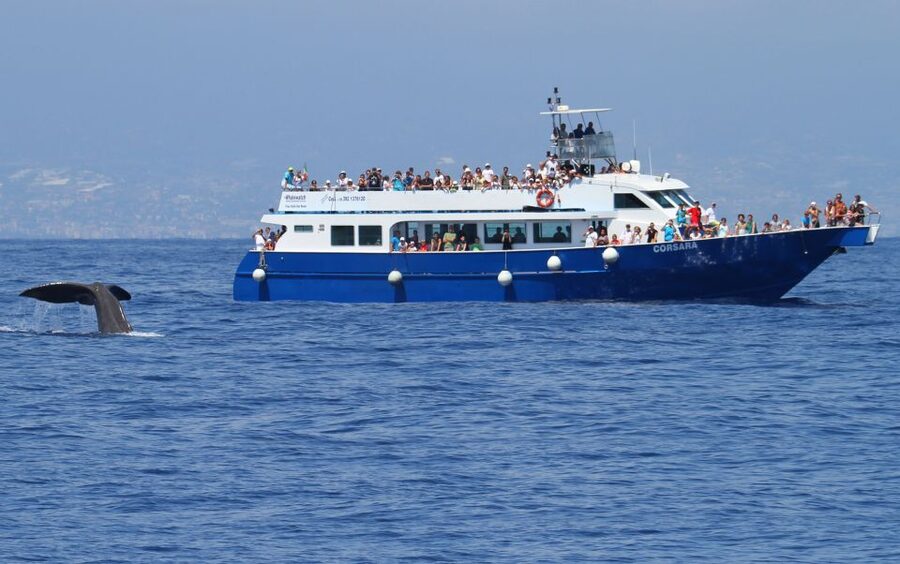
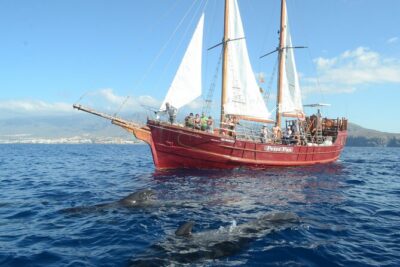
This cruise is designed around cetaceans, but the “wildlife bonus” is real. From the trip highlights and real sightings, you might see:
- Sperm whales (including reports of multiple individuals on some trips)
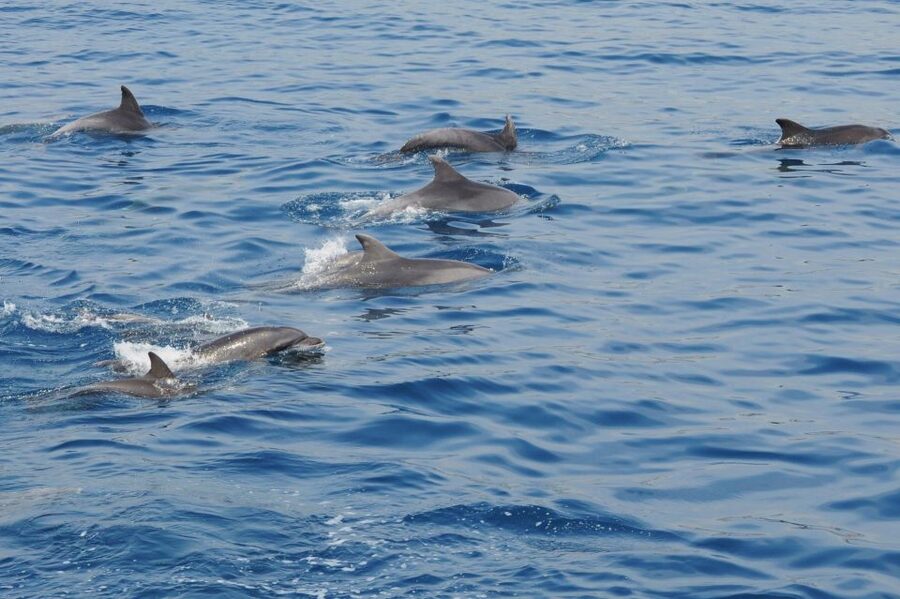
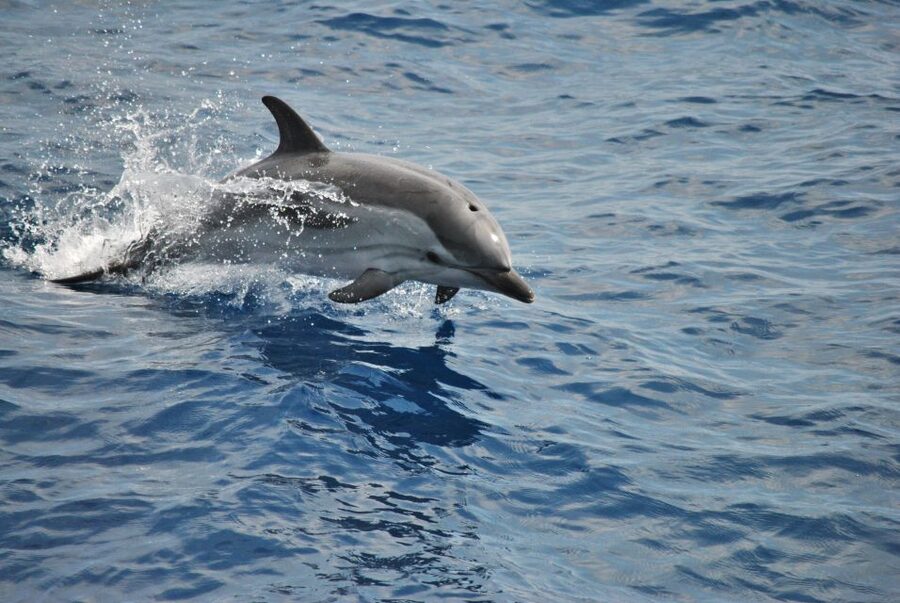
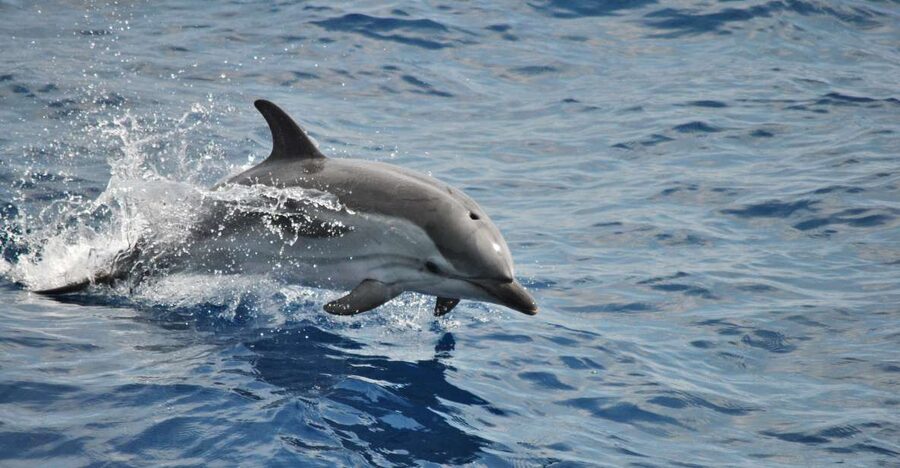
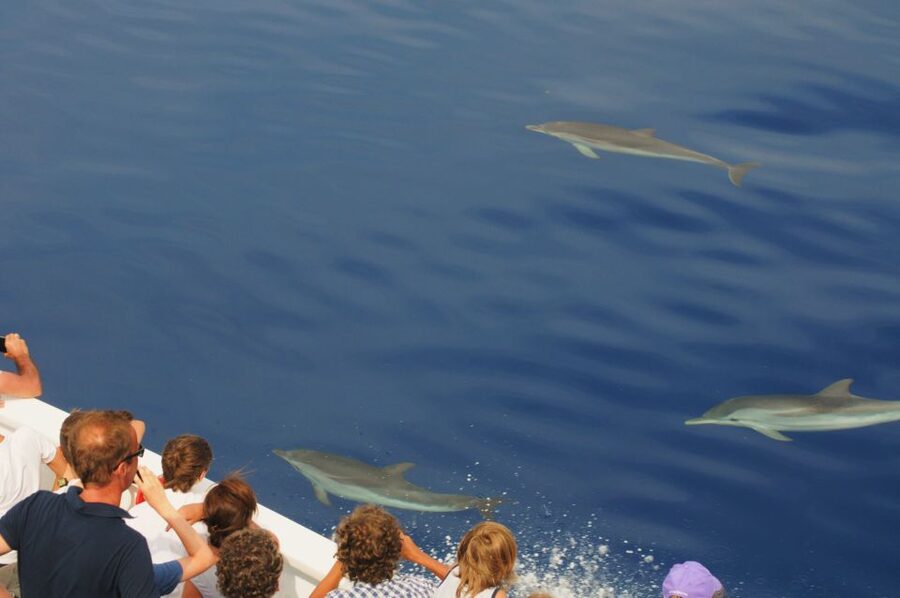
- Striped dolphins and pilot dolphins
- Mediterranean whales (as listed by the tour)
- Cuvier’s beaked whales (from multiple accounts)
- Fin whales (in some sightings)
- Loggerhead turtles / sea turtles (more than once)
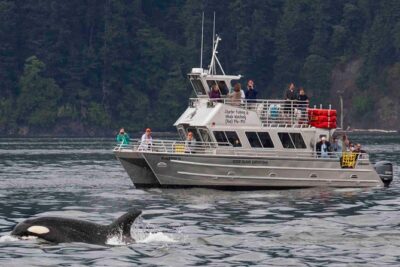
The dolphins often steal the show. Several accounts describe big pods, sometimes with dolphins swimming under the boat or moving in energetic groups. That can make the trip feel lively even when whales are harder to time.
The more “rare-feeling” sightings are the deeper-water species. One review highlights how Cuvier’s beaked whales are extremely rare to surface, which is the kind of detail that makes the whole trip feel earned. When you finally see them, it’s not because you went looking in the wrong way—it’s because you were watching long enough in the right water.
Also, a good day can include other animals like sea turtles and sea birds. Even when whales don’t show up, dolphins and turtle sightings can still make the cruise feel like a genuine wildlife encounter rather than a gamble.
The biologist guide experience: what they do and how you’ll use it
This cruise includes a biologist guide, and the provider also notes that if needed you can have a German/English-speaking guide to help with details. Practically, that means you’re not just getting a running commentary. You’re getting context for what you’re seeing—feeding behavior, movement patterns, and why the crew chooses certain areas.
The best part is how the spotting and the explanation reinforce each other. One account describes crew using binoculars/prismatics and staying focused until they find something. That kind of on-water attention matters because whales and dolphins don’t stay at the surface for long. The “how” is part of the fun.
There is one watch-out. Some people report that following English translations can be tricky at times, depending on the day and the flow of the group. If you’re relying heavily on English, consider bringing a few basic questions in your head before you go—things like how they interpret spouts or how they distinguish dolphin types from a distance. Even if the timing of explanations is imperfect, the crew’s attention to spotting usually translates into clear answers once you ask.
When calm seas matter more than you think
One of the clearest, most practical tips from the information: the best days are calm seas and no wind. The reason is straightforward. Dolphins and whales surface briefly to breathe. If the water is rough, those moments can be harder to see and harder to interpret. You’ll also feel movement more intensely, which can affect comfort during the longer scanning periods.
The good news: the cruise schedule also runs in months with generally better weather. Tours operate from April to October, and the provider specifically mentions better weather conditions in those months. They also suggest that months leading up to the high season can work out well because of lower shipping traffic, which can reduce noise and complexity in the area.
Still, this is open-sea water. If you’re sensitive to motion, plan accordingly. Some accounts mention seasickness risk toward the end of the trip, even when people found the overall experience good. If you know you react to boat motion, pack your usual prevention.
Group size, pace, and the reality of wildlife tracking
This excursion can run with a minimum number of passengers, which sounds promising if you’re hoping for a calmer, more conversational experience. At the same time, other accounts describe the boat feeling busy. The practical takeaway: you might get a more intimate feel, or you might be in a lively group. Either way, the spotting process is the same—binocular scanning, tracking, then moving when animals show up.
Pace-wise, some trips begin with a slower period while the crew searches. One review described nearly an hour before anything appeared, and then multiple dolphin and whale sightings followed. That pattern is common for wildlife cruises. Your best strategy is mental, not physical: settle in, accept waiting, and let the crew do their work.
When animals are found, you may feel the boat accelerate to reach the sighting quickly. That’s why patience matters early. You’re giving yourself the chance to experience the fast, exciting part later.
Comfort onboard: toilets, drinks, and how to dress
A few comfort details show up in real accounts. The boat has toilets onboard, and there’s the possibility of buying drinks during the trip. That’s helpful on a 4-hour outing—especially if you get the kind of day where sightings happen in active bursts and you don’t want to keep rushing back and forth.
Dress for wind and sea spray, even in better months. Calm seas feel warm; open sea can cool you off quickly once you’re moving. Layers work well: a light jacket you can zip up during the smoother scanning moments.
If you’re bringing kids, this kind of cruise can be a hit because it’s visual and alive. But remember: it’s still open water and depends on wildlife behavior. The best kid experience is usually the one where everyone can sit through waiting without expecting a guaranteed whale at minute one.
Price and value: what $51 buys on a biologist-led cruise
At around $51 per person for a 4-hour boat cruise with a biologist guide, this sits in the “serious value” category—especially compared to the cost of longer or more specialized wildlife trips in other coastal countries.
Why the value feels real:
- You’re not just paying for a boat. You’re paying for guided search and interpretation.
- The cruising time is long enough to matter. You’re not in and out with only a short scan.
- You also get a safety net: if there are no sightings of any kind, you can return for a second excursion for free within 1 year (you’ll need to book again by contacting the provider).
That return option is one of the best “hidden values” on the schedule. It doesn’t erase disappointment, but it reduces the financial sting if the sea decides to stay quiet.
The only part that isn’t guaranteed is the headline species. Dolphins often show up, but whales are more timing-sensitive. If you come expecting the experience itself to be about the search and the science, you’ll feel the value even on a day without the biggest whale moment.
When to book: best months and best days for Genoa Pelagos cruises
This cruise runs from April to October, but the schedule details help you plan around your trip days.
- April, May, October: excursions on Sundays
- June to September: departures on Wednesdays, Fridays, and Sundays
All trips depart from Genoa Porto Antico at 13:00.
If you can choose, aim for times when weather tends to be kinder and shipping traffic is lighter. The provider specifically notes that months leading up to high season can be better. Translation: you’re more likely to get the calm, clear conditions that improve surface spotting.
Also, if you’re trying to maximize your chance of seeing whales, pick a day that the forecast says will be calm and low-wind. The cruise can’t control wildlife, but it can control how well you can spot it.
Should you book Genoa: Pelagos Sanctuary whale watching?
If you want a whale and dolphin cruise that feels grounded in real observation, I’d book it—especially at this price point. The biologist guide, the deep-water search strategy (about 1000–1500m), and the realistic approach to wildlife watching are exactly what make this kind of trip worthwhile.
Book if:
- You’re okay with waiting and you understand that animals run the schedule.
- You want a mix of cetaceans, not only one “must-see” species.
- You like learning while you watch, not just taking photos and moving on.
- You can handle open water and you’re willing to dress for sea wind.
Skip or think twice if:
- You need accessibility support. The cruise is not suitable for people with mobility impairments based on the provided info.
- You’re very prone to motion sickness and you haven’t handled it before. This isn’t guaranteed, but seasickness has come up in real experiences.
If you’re flexible with dates within April to October and you pick a calmer forecast day, you’ll stack the odds in your favor. And if you don’t get sightings, the possibility of returning free within a year is a rare consolation prize that actually changes the decision.
FAQ
Where is the meeting point for the Genoa whale watching cruise?
You board at Porto Antico, in Calata Mandraccio, near the Bigo and close to the patrol boats of the Genoa Coast Guard.
What time does the cruise depart from Genoa?
The departure time from Genoa Porto Antico is 13:00.
How long is the excursion?
The excursion lasts about 4 hours.
How far do you travel before whale spotting starts?
After about 30 minutes of navigation to the open sea, you reach a depth of about 1000–1500m, and then the research activity begins.
Which animals might you see on this cruise?
The trip highlights include dolphins, sperm whales, striped dolphins, and pilot dolphins, and sightings also include beaked whales and sea turtles.
Do you have guaranteed sightings?
No. The search involves patient monitoring and observation, and there are no fixed meeting points with wildlife. If there are no sightings of any kind, you can return for a second excursion for free within 1 year.
What months and days does the cruise run?
It runs April to October. In April, May, and October it’s on Sundays. In June to September it’s on Wednesdays, Fridays, and Sundays.
Do you travel in calm weather only?
The best days for sightings are those with calm seas and no wind, since it’s easier to spot animals when they surface.
What languages are available on the cruise?
The languages listed are English and Italian. There may also be a German/English-speaking guide if required.
Is the cruise suitable for people with mobility impairments?
No. It is not suitable for people with mobility impairments.
What is the cancellation policy?
You can cancel up to 24 hours in advance for a full refund.