REVIEW · KETCHIKAN
Ketchikan Whale Watching and Nature Tour
Book on Viator →Operated by Reel Alaska Fishing Charters · Bookable on Viator
Whales show up fast here. From Thomas Basin in Ketchikan, I like the private hunt around Revillagigedo Island on a fast, warm boat, with binoculars and a fully enclosed cabin so you can stay comfortable while wildlife surfaces.
I love how the included binoculars make spotting practical, not guesswork—especially for quick-moving eagles and porpoises. I also like that this is led by Reel Alaska Fishing Charters with local skill that can pay off fast; Captain Scott’s area know-how has helped turn searches into solid whale and otter sightings.
The main drawback to plan around is weather. This experience needs good conditions, so if it’s canceled for poor weather you’ll be offered a different date or a full refund, but the non-change, non-refundable rule means you’ll want to book smart.
In This Review
- Key things to know before you go
- Thomas Basin to Revillagigedo Island: the tour’s simple starting point
- The warm enclosed cabin: the comfort play that makes spotting easier
- Wildlife targets you can actually plan your eyes for
- How the around-Ketchikan run actually works (and why it’s worth hours)
- Binoculars and scanning strategy: turn surfaces into sightings
- Price and value for a private boat: $3,000 per group up to 6
- Who this Ketchikan whale hunt suits best
- A few practical tips before you book
- Should you book this Ketchikan whale hunt?
- FAQ
- How many people are included in the private tour?
- Where do we meet for the Ketchikan whale watching tour?
- What wildlife might we see during the tour?
- Are binoculars and snacks provided?
- How long is the tour?
- Is pickup available?
- What happens if weather is poor?
Key things to know before you go
- Private boat time (up to 6): you avoid the stress of crowded tours and keep the focus on your group.
- Warm, fully enclosed cabin: you can scan for wildlife without freezing the moment you step out.
- Binoculars + a wildlife search plan: you’re not just cruising; you’re actively looking for specific animals.
- Snack-and-drink breaks: you’ll have fuel during the hours on the water for better, calmer spotting.
- Captain Scott’s local routing helps: the best trips come from knowing where to look around Ketchikan.
- Revillagigedo Island loop: it’s designed for lots of picture chances, not a single short pass.
Thomas Basin to Revillagigedo Island: the tour’s simple starting point
This is a straightforward, no-nonsense setup: you meet at Thomas Basin, Ketchikan, AK 99901, then head out on a private run around Revillagigedo Island. The whole idea is to spend real time on the water with a route built for wildlife sightings, not a long scenic drive with a quick boat stop.
Your boat ride starts from the local hub, so you’re not scrambling to get to some remote departure dock. The tour also lists pickup offered, which is a big help if you’re juggling luggage, timing, or just want one less thing to manage before you’re on the water.
Time on the water matters with wildlife. The longer you’re out scanning, the better your odds for the animals that only show themselves briefly—then disappear like they never existed. This tour is built for that patience. It also keeps you from feeling locked into a rigid crowd schedule, because it’s private.
You can also read our reviews of more tours and experiences in Ketchikan.
The warm enclosed cabin: the comfort play that makes spotting easier
One of the easiest wins here is comfort. The tour highlights that you can stay warm inside a fully enclosed cabin, which changes the whole feel of a boat outing in southeast Alaska. When you’re not shivering through the ride, you can focus on watching—real watching, not counting minutes until you can get back inside.
You’re also not forced into the classic tradeoff of either staying outside for sightings or staying inside to stay warm. With an enclosed cabin, you can keep your attention on what’s happening at the surface while staying protected from wind and spray.
The binoculars are another comfort-to-sightings connection. If you’ve ever been on a boat where everyone’s squinting like it’s a competition, you know how quickly that gets frustrating. Here, the binoculars are part of the package, so you can actually use them when something pops up—then share what you’re seeing with your group without shouting across the deck.
Wildlife targets you can actually plan your eyes for
This tour isn’t vague about what you’re looking for. The route around Revillagigedo Island is designed for a recognizable wildlife checklist, including:
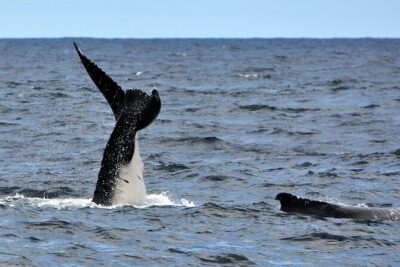
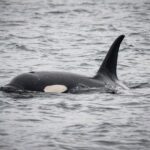
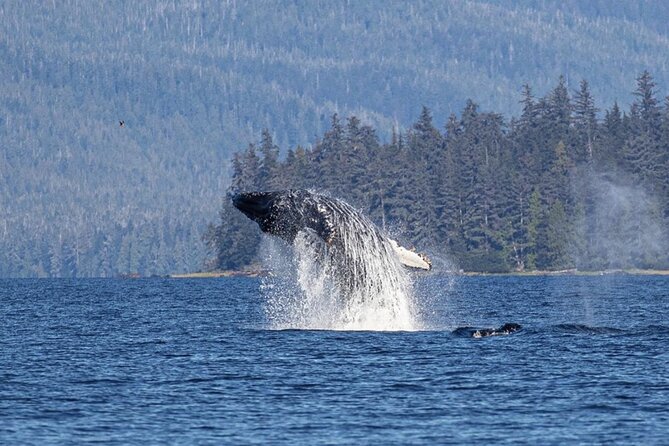
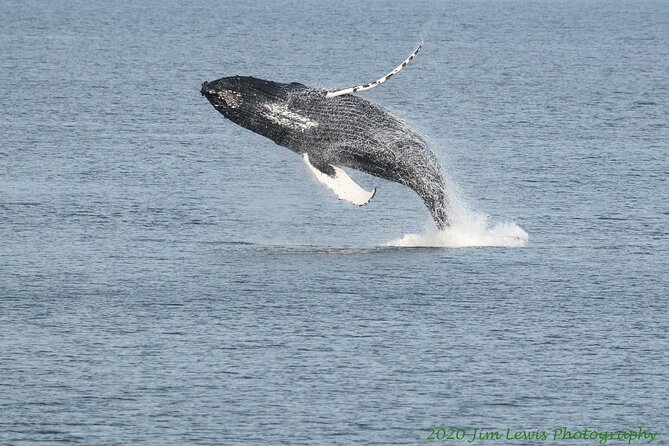
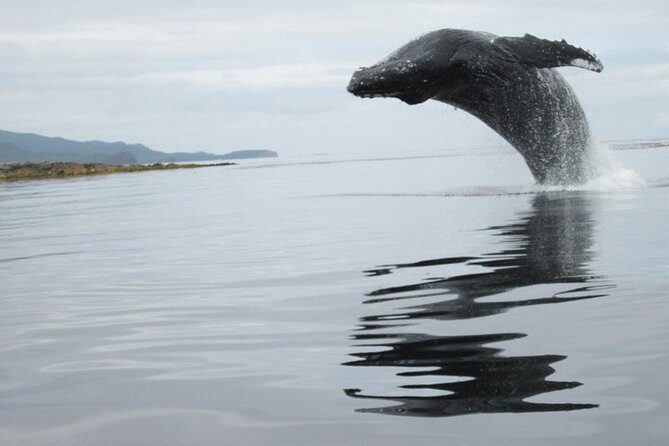
- Humpback whales
- Orcas
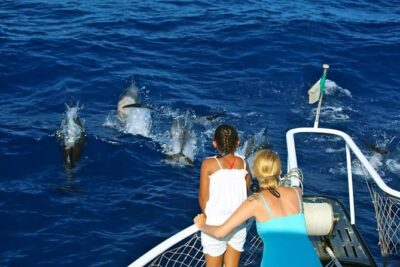
- Dall’s porpoise
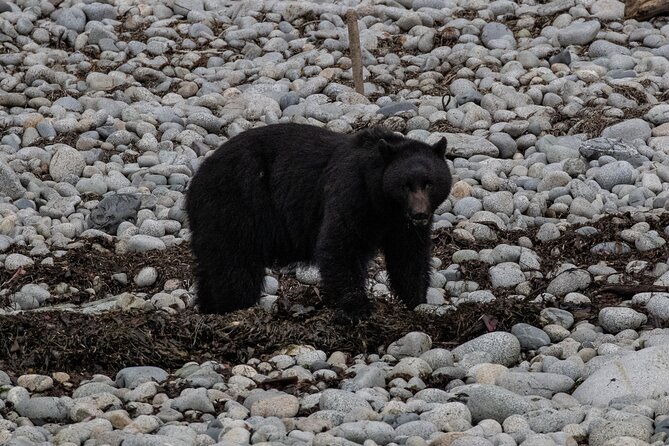
- Bears
- Otters
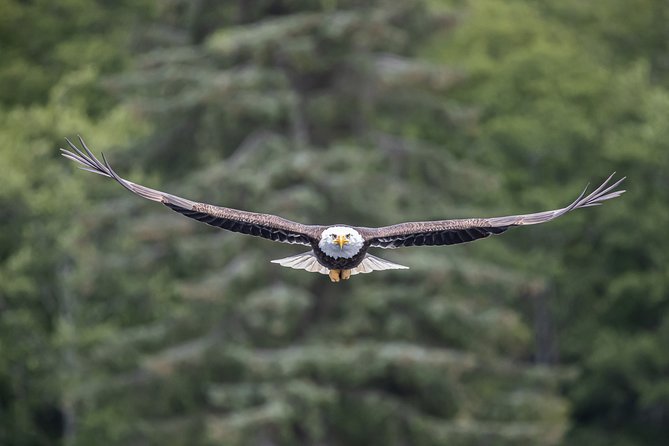
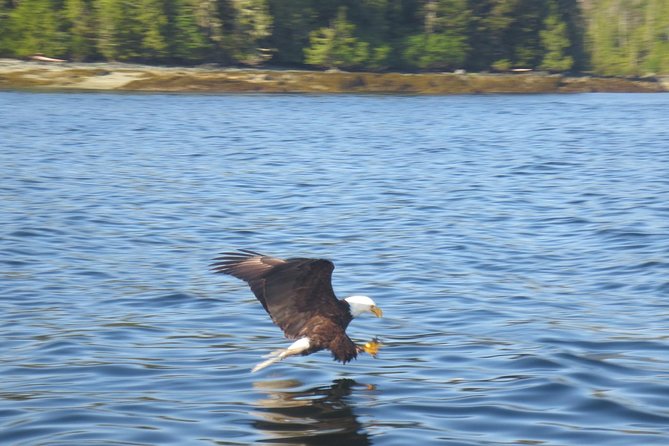
- Eagles
- Waterfowl
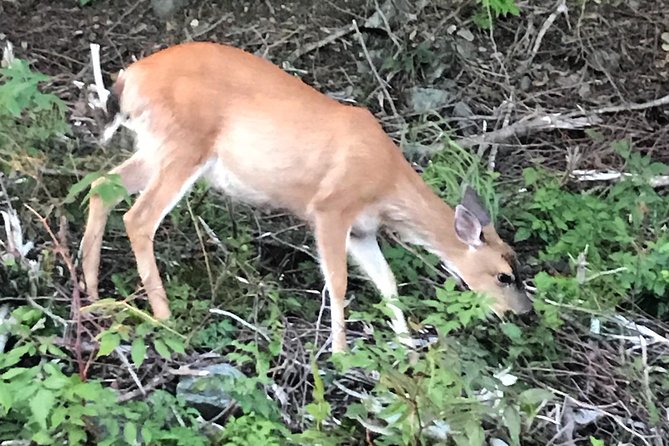
- And other land and shoreline animals such as deer, mink, and mountain goats
That’s a lot of names, but it’s also useful. When you know the targets, you can scan smarter. For example, you’ll watch for whale surfaces and blows, but you’ll also keep an eye on the shoreline edges and calmer coves where bears might show up. Eagles tend to make themselves known by being busy—so you’ll want to scan for movement and sudden stillness on the water and along the banks.
The best part is that the tour has a reputation for delivering variety. One standout experience credited Captain Scott with strong results including humpback whales, Dall’s porpoise, seal sightings, bald eagle sightings, and sea otter sightings. Even if you don’t hit every item on the list, having a captain with local routing experience improves the odds that you’ll see more than just one kind of wildlife.
How the around-Ketchikan run actually works (and why it’s worth hours)
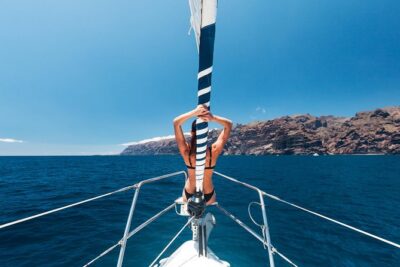
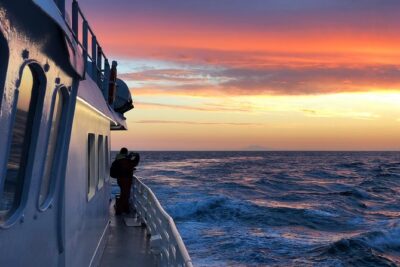
Your day is built around a single big loop: a magical tour around Revillagigedo Island departing from Ketchikan. Instead of lots of short stops, you get hours on the water to search for wildlife, take photos, and enjoy the coastal scenery.
Here’s what you can expect during that main run:
- Active searching for wildlife (not just a passive cruise)
- Breaks with snacks and drinks provided
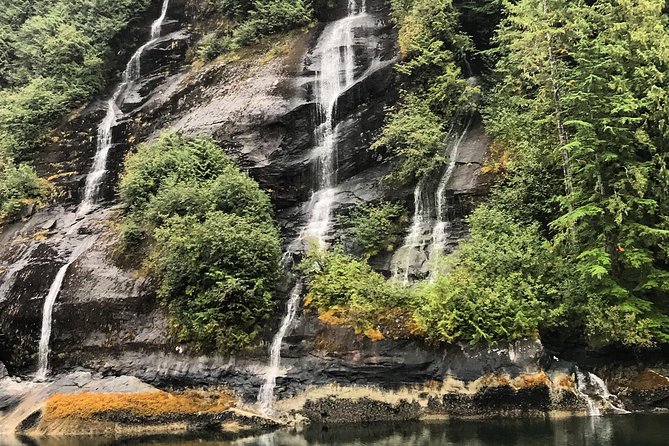
- Lots of picture moments as you pass different shoreline angles and water conditions
- Time for your group to switch between scanning and relaxing inside the cabin
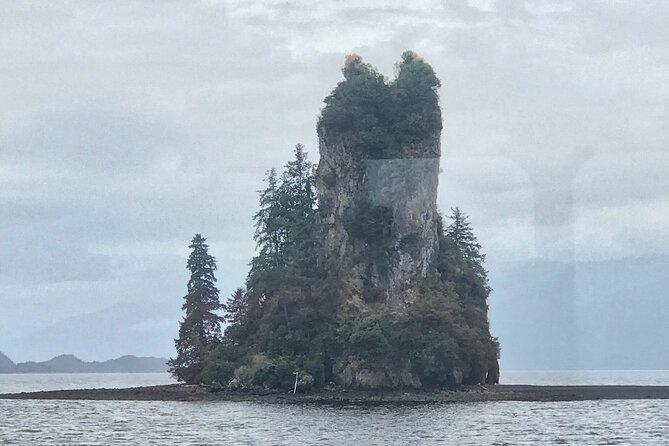
The itinerary also calls out exploring local land marks while you’re out there. That matters because it gives context to your photos. You’re not just shooting animals in isolation—you’re capturing the places those animals use.
The duration is listed as 2 to 5 hours (approx.), and one schedule detail points to 4 hours. So plan on a half-day feel. Wildlife watching rarely runs on a clock. If animals are active, the captain may stay with them and milk the moment. If they’re quiet, you spend that time searching rather than being rushed off the water.
And because it’s private, your group isn’t competing with strangers for the best sight lines. That’s a big deal when something surfaces. You’ll be able to shift where you want to look without playing deck chess with a crowd.
Binoculars and scanning strategy: turn surfaces into sightings
This tour gives you the tools—binoculars—and that makes your own spotting role more effective. I’d use them in a simple rhythm:
- First, scan widely for movement and unusual stillness along the shoreline.
- Then zoom in when you spot something that could match a target like an eagle perched near the waterline or a porpoise pattern.
- When a whale is spotted, slow down and keep your focus steady. Whales can move fast, but the surface cues often come in short windows.
The enclosed cabin helps with this because you can watch without bouncing between warm and cold. You’re not fighting weather as much, so you can actually stay attentive.
Also, the snack-and-drink setup isn’t a throwaway. When you’re comfortable and fed, you wait better. On wildlife tours, patience is part of the product.
If you’re the type who likes to take photos, plan to rotate: one person scans with binoculars while another checks the camera settings, then swap. That keeps you from missing the one moment a whale decides to show its presence.
Price and value for a private boat: $3,000 per group up to 6
Let’s talk money without hand-waving. The price is listed as $3,000.00 per group (up to 6). On paper, that can look steep—until you break down what you’re actually buying.
You’re paying for:
- A private boat experience (your group only)
- A captain’s local routing skill around Revillagigedo Island
- A fast boat ride with a warm, enclosed cabin
- Binoculars
- Snacks and drinks
If you’re booking with a full group of 6, the per-person cost is about $500 max. That’s the “private” part doing most of the work. With other formats, you often pay for a shared boat plus the hassle of crowding and shifting sight lines when wildlife appears. Here, you can keep your viewing focused on your own people and your own rhythm.
This tour is also worth considering if you want a better odds strategy. Wildlife watching is luck-based, but having a captain who’s practiced in these waters can help you find more frequent action—like the trip that included whales, porpoise, eagles, sea otters, and seals.
So value here is less about luxury and more about control: fewer variables, more attention, and more time actively searching.
Who this Ketchikan whale hunt suits best
This one fits best if you want a wildlife-focused experience without the crowd factor. It’s also a strong match if you don’t want to gamble your comfort on freezing deck time.
You’ll likely enjoy it most if:
- You’re traveling as a couple, family, or small group and want a private setup
- You care about spotting and photos and want binoculars provided
- You prefer staying warm in a fully enclosed cabin
- You’d rather spend time scanning for whales, bears, otters, and eagles than bouncing between quick stops
If you’re a solo traveler hoping for a cheap deal, this may not be the best fit because it’s priced per group up to 6. But if you can align with others or you’re traveling with your own small crew, it becomes much more reasonable.
A few practical tips before you book
The tour requires good weather, and that’s worth respecting. Plan your schedule with some flexibility if you can, especially if your trip is tight.
Even with an enclosed cabin, I’d dress in layers. Wind and spray can change quickly on the water, and you may still want to step out for a minute when something big is spotted.
Bring a camera or phone with enough battery life. Longer stretches of watching mean you’ll have more chances to shoot, and wildlife sightings can move from “nothing” to “there it is” fast.
Finally, think about what you want most: whales, orcas, bears, otters, eagles, or a mix. This tour’s strength is that it searches broadly, but you’ll get the most satisfaction when you know your personal top priorities.
Should you book this Ketchikan whale hunt?
I’d book it if you want a private wildlife hunt with a warm, enclosed cabin, binoculars included, and a captain with local know-how—especially if your group can fill out near the up-to-6 limit. The combination of comfort plus active searching is the key. You’ll spend your time watching for real, not enduring the cold or fighting for space.
I’d hesitate only if your schedule can’t handle weather disruption. Since the experience requires good weather and the tour is non-refundable with no changes unless it’s canceled due to poor conditions, you’ll want to make sure you’re booking with realistic weather timing.
If you match those conditions, this is the kind of Ketchikan outing that can turn a calm day into a memorable one—when the whales surface and the eagles keep watch along the waterline.
FAQ
How many people are included in the private tour?
The tour is private, and the group size is listed as up to 6 people.
Where do we meet for the Ketchikan whale watching tour?
The meeting point is Thomas Basin, Ketchikan, AK 99901, USA.
What wildlife might we see during the tour?
The tour is set up to search for humpback whales, orcas, Dall’s porpoise, bears, deer, mink, mountain goats, otters, and eagles, plus waterfowl.
Are binoculars and snacks provided?
Yes. Binoculars are provided, and snacks and drinks are included during the tour.
How long is the tour?
The tour duration is listed as approximately 2 to 5 hours, and one itinerary detail shows a 4-hour schedule.
Is pickup available?
Pickup is offered.
What happens if weather is poor?
The experience requires good weather. If it is canceled due to poor weather, you’ll be offered a different date or a full refund.