REVIEW · TAHITI
Whale watching in the calm of the peninsula with Tātahi tours
Book on Viator →Operated by Tātahi Tours · Bookable on Viator
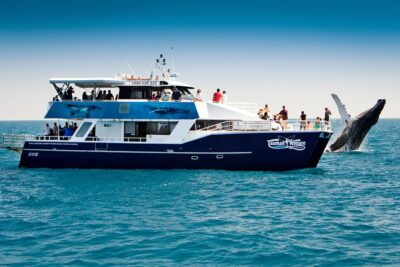
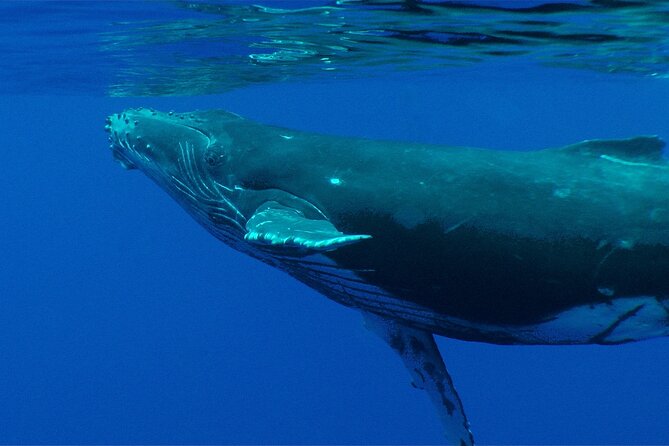
Whales sound like a soundtrack out here. This Tātahi Tours trip runs in the calm of the peninsula between Toahotu and Teahupoo, with the famous Teahupoo wave in the mix and Fenua Aihere reached only by boat.
It’s a wild, preserved pocket of Tahiti where there aren’t many boats out at once, so the day feels quieter and more focused.
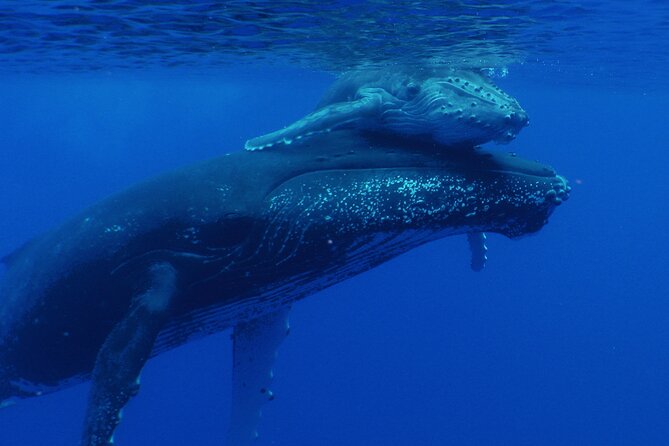
I love two things most: the respectful way you’re encouraged into the water only when conditions allow, and the strong chance of seeing lots of whales up close when the sightings line up. The crew also keeps the experience educational, with clear explanations about whale behavior and what to look for.
One practical catch: hotel transfer isn’t included, so you’ll need to get to the meeting point in Taiʻarapu-Ouest on your own.
In This Review
- Why the Peninsula Calm Helps Your Whale Odds
- Route Overview: Toahotu, Teahupoo, and the Boat-Only World of Fenua Aihere
- On Board With Tātahi Tours: Briefing, Whale Info, and the Hydrophone
- Snorkeling Time: When You Go In, and How to Do It Respectfully
- Seeing Teahupoo Without the Crowds, and Why It Feels Like Real Tahiti
- Price and Value: Is $193.13 Worth It for 4 Hours?
- Who Should Book This Whale Watching Trip?
- Practical Tips That Keep the Day Easy
- Should You Book Tātahi Tours Whale Watching?
- FAQ
- How long is the whale watching tour?
- How many people are on the boat?
- Is snorkeling equipment included?
- Do you get in the water to snorkel?
- What is the hydrophone used for?
- Is hotel transfer included, and what happens if the weather is poor?
Why the Peninsula Calm Helps Your Whale Odds
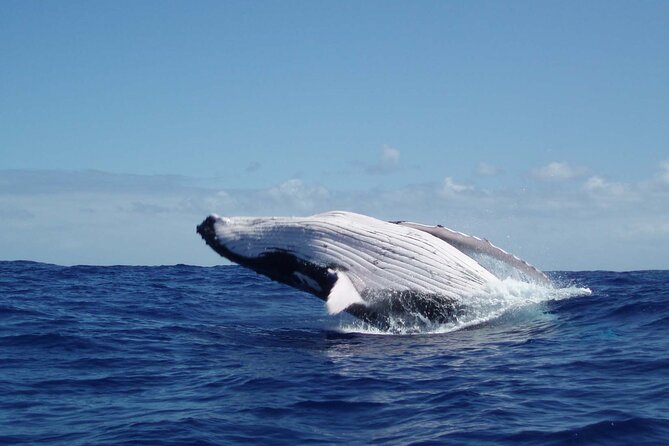
On paper, this is whale watching. In real life, what matters is how you whale watch. Here, you sail far enough into a quieter zone that the calm is noticeable. Fewer service providers are on the water, which means you’re not bouncing around with a whole armada of boats.
That calmer setup does two things for you:
- You can actually pay attention to whale behavior instead of fighting the motion.
- When you do enter the water, it feels less like a show and more like a careful meeting.
You also get a sense of place. You’re not just cruising past viewpoints. The peninsula is described as wild and preserved, and that fits the vibe: less noise, more nature, and time to listen.
Finally, the trip is built around information. There’s a briefing before any water time, and during the outing you get key info on whale lifestyle and physical characteristics. That makes your spotting faster and your memories stick longer.
Route Overview: Toahotu, Teahupoo, and the Boat-Only World of Fenua Aihere
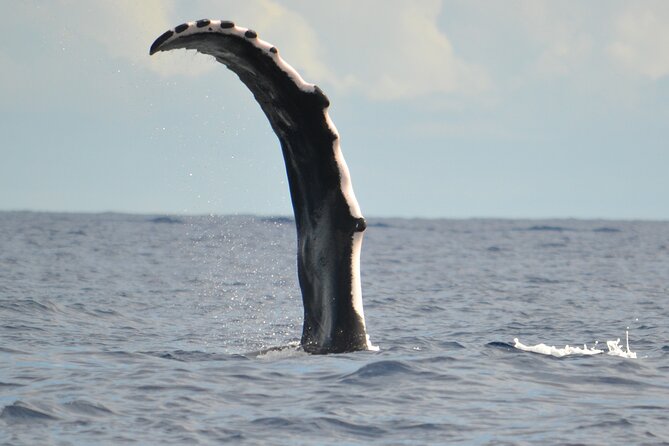
The route is simple, which is a good sign: sail between Toahotu and Teahupoo, then head toward Fenua Aihere in search of whales.
Here’s why those names matter, and what you can expect:
- Teahupoo is the famous one. Even without doing anything extreme, you’re there in the area where the mythical Teahupoo wave is known worldwide. If weather and sea conditions cooperate, you’ll get that visual reminder that this ocean is powerful.
- Fenua Aihere is the wild-card stop. It’s a place without a road, so it’s accessible only by boat. That detail matters because it signals you’re not going to a crowded, easy-to-reach spot. It’s more remote by design.
You’re not told to expect a big land excursion. This is a sea day first: whales are the priority, and Fenua Aihere fits as part of the preserved environment you’re traveling through.
The tour ends back at the meeting point, so it’s not a half-day that turns into a whole logistics project.
You can also read our reviews of more tours and experiences in Tahiti.



On Board With Tātahi Tours: Briefing, Whale Info, and the Hydrophone
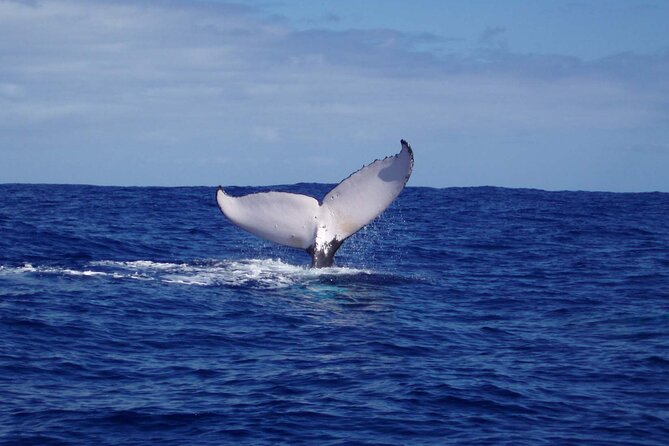
This is the part of the day that turns a random whale sighting into something you understand. The flow goes like this:
1) You get a detailed briefing.
2) If conditions allow, you enter the water calmly for snorkeling.
3) Throughout the trip, you learn what you’re seeing.
The star tool here is the hydrophone. It’s on the boat so you can listen to the magnificent song of whales. That’s one of those upgrades that makes the experience feel more human and less guesswork. Instead of only hoping you heard something in the distance, you get direct audio context while you’re spotting.
You’ll also have snorkeling gear provided, plus refreshments and fruits during the outing. Snacks and water are included, and that matters on a 4-hour sail because you’re out on the water for the long enough stretch to actually want real fuel.
And because the boat can carry a maximum of 12 travelers, the whole setup tends to stay organized. It’s not a giant crowd situation where your attention gets scattered.
Snorkeling Time: When You Go In, and How to Do It Respectfully
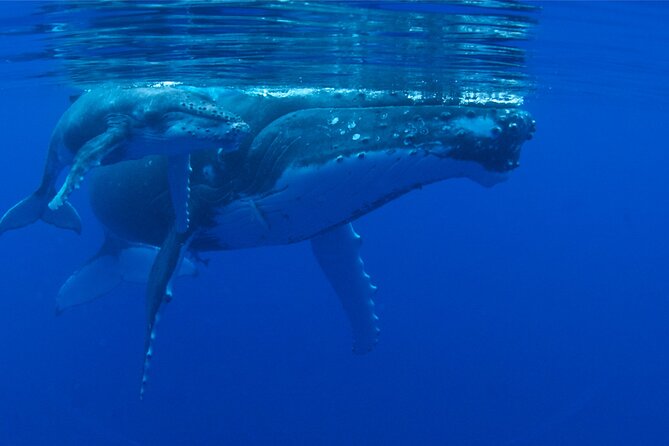
A big reason this tour earns a top score is the approach to water time. The plan is clear: after the briefing, you may enter the water only if conditions allow. This matters because “conditions” aren’t a throwaway word here. They’re the difference between a safe, controlled experience and a chaotic one.
From the way the trip is described and the experience style people rave about, you’re not just dropped in. You’re guided to do it in a way that respects the animals. One of the strongest highlights is mise à l’eau in full respect for the animal, and that shows up in the way the day is structured.
What you should expect when the water time happens:
- You’ll have snorkeling equipment provided.
- You’ll be there for calm viewing, not a sprint.
- You’ll be watching behavior as much as you’re watching bodies.
Practical mindset tip for you: if you’re thinking of snorkeling as a performance, you’ll miss the point. Treat it like quiet observation. Keep your movements smooth. Focus on what the guides help you notice during the briefing.
And if conditions don’t allow water entry, the trip still works as a whale-watching sail. The company doesn’t advertise an all-or-nothing promise. It’s more like: when the ocean cooperates, you get the extra step.
Seeing Teahupoo Without the Crowds, and Why It Feels Like Real Tahiti
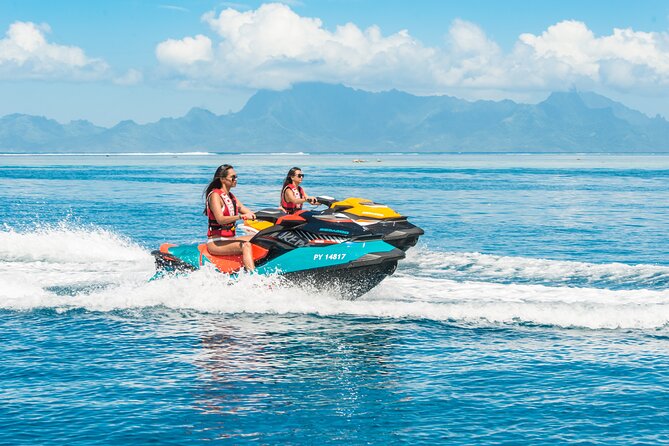
Tahiti can be busy, fast, and tour-heavy in places. This one is built to feel different. The peninsula is described as wild and preserved, and in practice that means you’re out in a calmer zone where service providers are scarce on the water.
That changes the mood. Instead of chasing constant action, you settle into a rhythm:
- spot,
- listen (hydrophone),
- learn what you’re seeing,
- then, when conditions allow, snorkel calmly.
Teahupoo is part of the atmosphere. Even if you don’t ride waves or do anything surf-centric, being in that region gives the day a stronger sense of place. It’s one thing to see Teahupoo on a screen. It’s another to be sailing through the ocean that makes that wave famous.
And then there’s Fenua Aihere, the boat-only area. That stop reinforces the idea that the trip is about access to nature, not access to convenience.
Price and Value: Is $193.13 Worth It for 4 Hours?
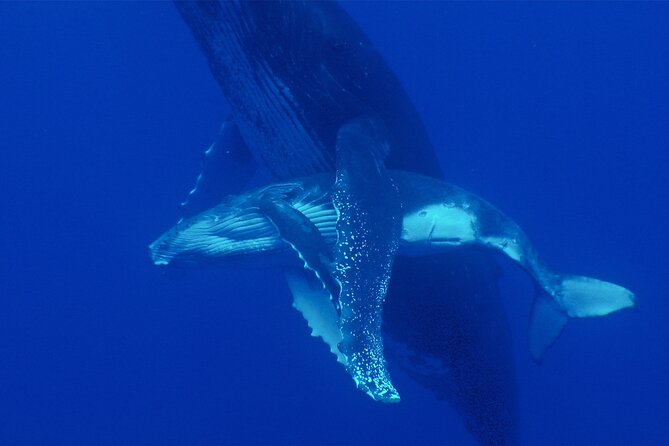
At $193.13 per person for about 4 hours, this isn’t a bargain-basement activity. But it’s also not inflated in a way that ignores what you get.
Here’s what’s included:
- Snorkeling equipment
- Snacks and water (plus refreshments and fruits during the outing)
- Hydrophone whale song experience on board
- A guided briefing and whale behavior explanation
- A small group cap of 12 travelers
- Mobile ticket
What you’re paying for is mostly the ocean logistics and the experience design. You’re not just booking a boat ride; you’re booking a guided hunt with educational context and a respectful, conditional water entry.
Also, the limited group size matters for value. In small groups, you’re more likely to get clear guidance and better attention if you’re trying to identify behaviors or keep track of where whales are moving.
Where value can drop for some people:
- If you need hotel pickup, it’s not included. That means you should factor in getting yourself to the meeting point in Taiʻarapu-Ouest.
- If weather is poor, the tour can be canceled and rebooked, or refunded. Weather isn’t a “maybe” thing here—it’s a requirement.
If you’re the type who wants fewer people, more info, and a calmer feel on the water, the price starts to look fair.



Who Should Book This Whale Watching Trip?
This tour fits best if you:
- Want a calm, nature-first experience rather than a crowded “check-the-box” outing
- Like learning while you’re watching wildlife
- Are happy with snorkeling as part of the experience, with water entry dependent on conditions
- Prefer smaller groups (max 12 travelers)
It might not be ideal if:
- You strongly rely on hotel transfer and don’t want to arrange your own transport to Taiʻarapu-Ouest
- You’re only available on a single date and can’t be flexible if weather forces a change
Based on the rating—5 out of 5 from 6 reviews—the overall fit is very positive. The highest praise focuses on welcoming, strong explanations, and the fact that you can see a lot of whales, including days where people report sightings like 20+ whales.
Practical Tips That Keep the Day Easy
You don’t need to overthink it, but a little planning helps.
- Plan transport to the meeting point. The tour doesn’t include hotel transfer, but it’s near public transportation, and the start and finish are at the same meeting point area in Taiʻarapu-Ouest.
- Have realistic expectations about water time. The water entry depends on conditions. If you don’t go in, you’ll still be on a whale-focused outing with the hydrophone and guidance.
- Bring the right attitude for wildlife. This is described as respectful. Move calmly in the water if you snorkel, and follow the briefing closely.
- Watch the weather window. The activity requires good weather. If the day cancels due to poor conditions, you’ll be offered a different date or a full refund.
One more note: the tour uses a mobile ticket, and you’ll receive confirmation within 48 hours based on availability.
Should You Book Tātahi Tours Whale Watching?
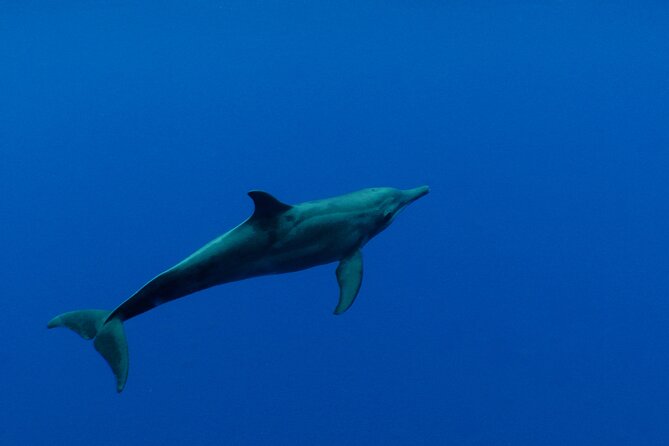
I think you should book this if you want Tahiti whale watching that feels calm, guided, and genuinely connected to the sea. The best part isn’t just whales—it’s the combination of quiet waters, clear explanations, and the extra layer of listening through the hydrophone.
It’s also a smart pick if you care about how wildlife is handled. The tour’s in-water approach is described as respectful, and that matters. You’re not out there to force the encounter; you’re out there to understand it.
If you need an easy, pickup-and-go day with zero logistics, the lack of hotel transfer could be a dealbreaker. Otherwise, this is exactly the kind of experience I like: small group, focused route, and a real chance to see whales in a preserved part of Tahiti.
FAQ
How long is the whale watching tour?
The tour is about 4 hours.
How many people are on the boat?
The tour has a maximum of 12 travelers.
Is snorkeling equipment included?
Yes. Snorkeling equipment is included.
Do you get in the water to snorkel?
After a detailed briefing, the group enters the water if conditions allow.
What is the hydrophone used for?
A hydrophone is present on the boat so you can listen to the whale song.
Is hotel transfer included, and what happens if the weather is poor?
Hotel transfer is not included. The experience requires good weather; if it’s canceled due to poor weather, you’ll be offered a different date or a full refund.