REVIEW · NAHA
Okinawa Whale Watching From Naha
Book on Viator →Operated by マリンハウスシーサー那覇店 · Bookable on Viator
Whales off Okinawa are worth the chill. This 4-hour winter outing from Naha takes you offshore toward the Kerama Islands, where spotting whales is the whole point. It’s run by a long-established team, with a naturalist using sonar and radar to help find sightings faster than luck alone.
I especially like the practical setup: life jacket rental, hot and cold drinks, and a rain coat option so you’re not stuck freezing on deck. I also like that the guide work is built for real understanding, with veteran English support that turns random blows into actual whale behavior you can picture.
One thing to consider: this is an offshore boat ride, so wind and spray can make it feel colder than it looks from shore. If you’re prone to sea sickness, plan for it.
In This Review
- Key things to know before you go
- Why winter whale watching from Naha feels like a real mission
- Marine Club Berry Naha: start point, size, and what you’ll get
- The 4-hour yacht ride to the Kerama Islands
- Whale spotting rules you’ll actually feel on the water
- The guide experience: more than facts, less guesswork
- Dress for wind, warmth, and deck time
- How the value stacks up for $38.22
- Who should book this Okinawa whale tour
- Should you book Okinawa whale watching from Naha?
Key things to know before you go
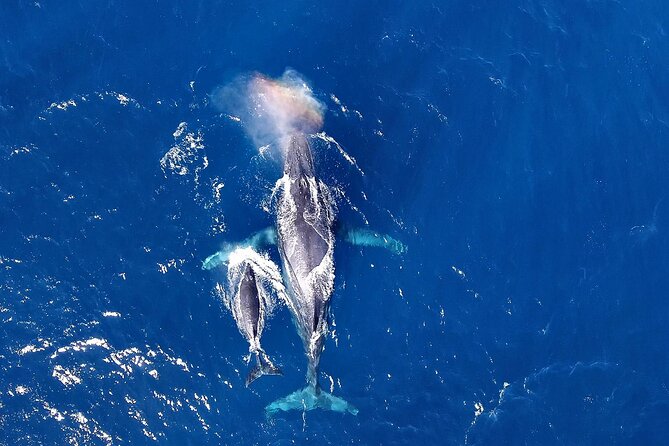
- Kerama Islands focus: the trip routes toward the area where whales are most actively seen in this season.
- Sonar and radar scouting: a naturalist on board works to locate whales before you ever fully commit your time to the search.
- High-speed double-deck yacht with 2 toilets: you get space to move and warm up between sightings.
- Hot and cold drinks plus rain gear rental: you can stay comfortable even when conditions turn breezy.
- Winter season, guided by results: the operator reports very high yearly success in recording whale appearances.
- Refund or re-trial options when no whales appear: you’re not locked in blindly during peak winter months.
Why winter whale watching from Naha feels like a real mission
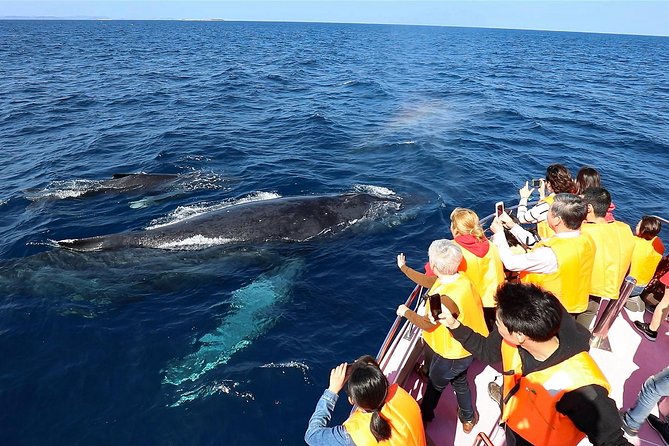
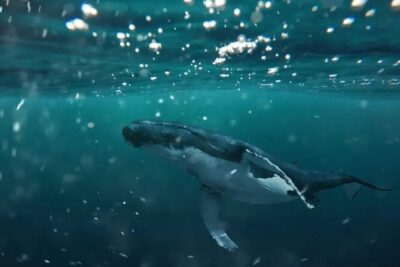
Winter is when Okinawa whale watching turns into a focused routine instead of a casual hope. From January through the end of March, this area sees recurring whale activity, which is why locals and repeat visitors keep coming back. You’re not just going out and waiting. You’re joining a structured search at sea.
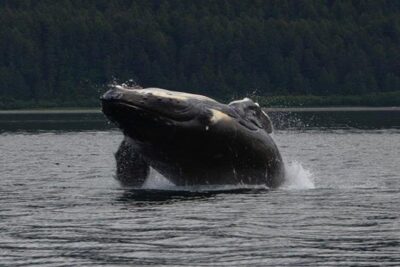
The best part is the timing. When whales show, they can show often. Multiple sightings can happen during one outing, and that changes the whole mood on the boat—from anxious scanning to full-on cheering. One of the big themes you’ll hear about is how quickly people go from concern to payoff once the first spout appears.
You can also read our reviews of more tours and experiences in Naha.
Marine Club Berry Naha: start point, size, and what you’ll get
The tour starts and ends back at Marine Club Berry, in Naha:
Marine Club Berry, 2-chōme-3-13 Minatomachi, Naha, Okinawa 900-0001, Japan.
If you want the easiest day possible, you should use the free shuttle bus if it’s available for your hotel. Advance booking is required. If you’re driving yourself, there’s free parking space.
The group stays small enough to feel coordinated. There’s a maximum of 35 travelers, and it shows in how the crew can manage boarding, reminders, and safety checks without chaos.
As for what’s provided, you’re not paying extra for the basics:
- life jacket rental
- hot and cold drinks
- rain coat rental if you need it
- guide
- downloadable photos
- downloadable whale-watching booklet
Meals are not included. So if you’re doing this earlier in your day, eat beforehand. A full stomach helps on a boat, even on a “you’ll be fine” sea day.
The 4-hour yacht ride to the Kerama Islands
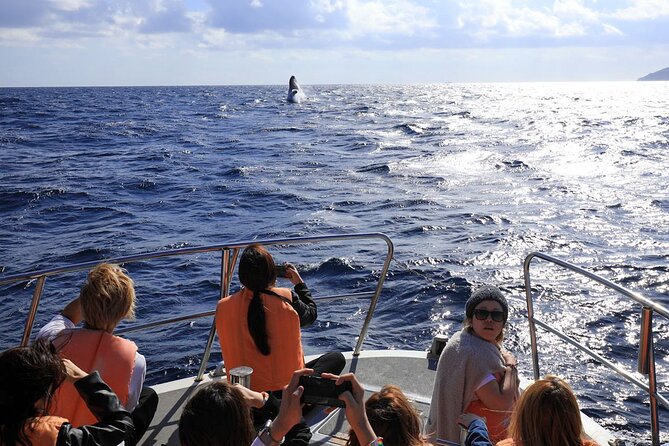
This experience runs about 4 hours total, and the main offshore stop is the Kerama Islands area. You’ll likely feel the trip most in two phases: the outbound hunt (eyes up, scanning, listening) and the active viewing window once whales are found.
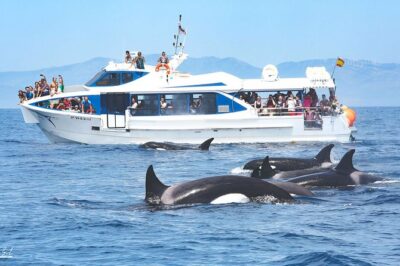
The boat is described as a large high-speed double-deck yacht, and it matters more than you might think. A fast craft helps the crew position you efficiently when whales move through the area. Two decks also give you options: step to the open air when you want to spot blows, then come back to warm up and regroup.
Practical detail that many first-timers don’t expect: you’ll spend time outside, because that’s where sightlines are best. Even if the viewing is good, wind can still cut through. That’s why the offered rain coat rental and hot drinks are more than “nice add-ons.”
One of the most reassuring parts is how searching works. The naturalist uses sonar and radar to help locate whales. That doesn’t remove the ocean’s randomness, but it turns the trip into a real hunt with tools and trained eyes, not just waiting around.
Whale spotting rules you’ll actually feel on the water
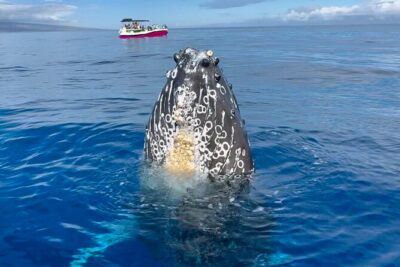
Here’s the truth that makes whale watching ethical—and also sets expectations: boats can’t just steam up close whenever they feel like it. The operation follows distance rules, which means you’ll experience the viewing from proper space. If you came hoping for a “right next to the propellers” moment, you may find it a bit less dramatic than social media.
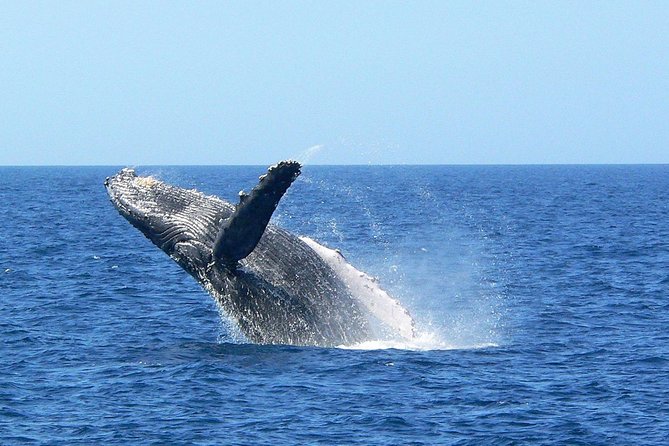
But that distance usually improves the chance of calm, repeated viewing. When the crew can hold position appropriately and let the whales do their thing, sightings can become more frequent. People describe whales surfacing about every few minutes during successful outings, and some report seeing multiple breaches in a single session. When that happens, it feels like the ocean is putting on a show.
Also note the refund language is strict in a specific way: you get a full refund only when no whale is spotted during the protected window. The documentation also states that if someone on board staff spots a whale, dolphin, or their blow, the full refund condition doesn’t apply. Translation: the decision is based on official spotting outcomes, not just what you saw from your seat.
The guide experience: more than facts, less guesswork
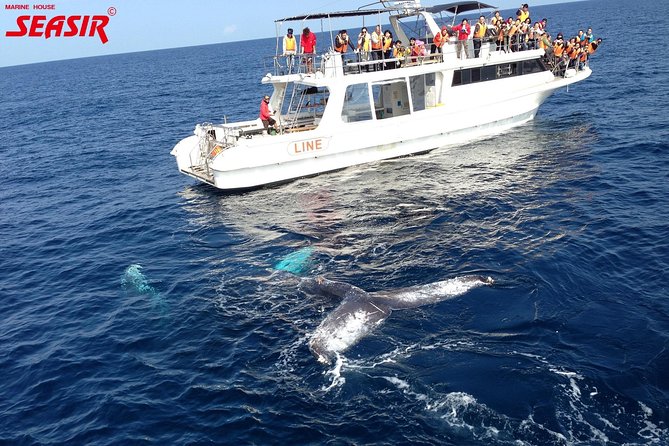
This tour includes a veteran English-speaking guide who orients you on the world of whales. The point isn’t to give you a class. It’s to help you recognize what you’re looking at and what it means.
If you’re lucky with staffing, the guide quality gets called out by name. Rita is highlighted as having very understandable English and deep marine knowledge, described as a PhD marine biology student. Even if you don’t get Rita, the setup is clearly meant for non-Japanese speakers, not just local groups.
What this does for your trip: you stop seeing random spouts. You start noticing patterns—what happens before a blow, how quickly whales surface, and why the crew’s positioning makes sense. When you understand even a little, the waiting feels shorter, and the viewing feels sharper.
Dress for wind, warmth, and deck time
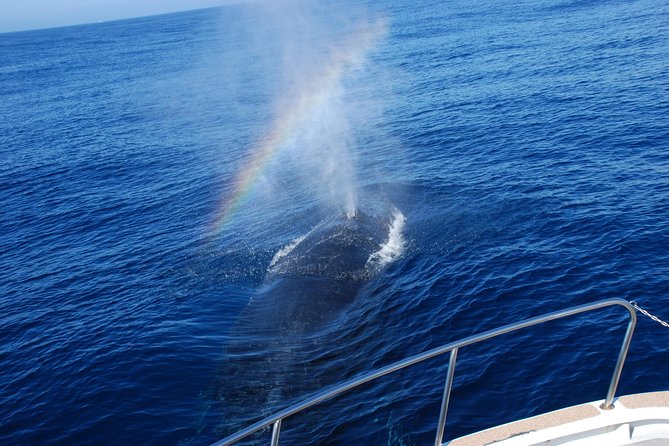
Even in winter, you can feel “okay” standing in line—then get slapped by wind once you’re on the open deck. The practical advice here is simple: dress warm and plan for breeze.
Some specific tips that fit this kind of boat day:
- bring a wind breaker and hat (your neck and ears will thank you)
- wear layers you can keep on while you move between decks
- consider sea sickness medication if you tend to get motion sick
- if you’re bringing children who can’t stand on their own, you’ll want a baby carrier
Rain matters too. You can rent a rain coat if needed, but don’t rely on it as your only weather plan. Wet sleeves plus wind can drain your energy fast.
One more comfort note: the boat is double-deck, but seating can feel tight depending on how many people are onboard. If you like a lot of space to stretch out, take advantage of deck movement. If you prefer stable seating for viewing, arrive dressed to stay put for short bursts.
How the value stacks up for $38.22
At $38.22 per person, the ticket price lands in the “serious fun” category, not bargain travel. You’re paying for: offshore time, a high-speed boat, guide support, drinks, and equipment rentals. That’s why it can feel worth it even when the whales don’t show right away—because the hunt itself is guided and the crew is actively searching with tools.
Then you add the financial safety net, which changes the math. During Feb 1 to Mar 31, you’ll get a full refund if no whale is spotted. For Dec 22 to Jan 31, you get a re-trial voucher if no whales or dolphins are spotted.
That matters because winter can be hit-or-miss by day, not just by season. These policies help you avoid the classic whale-watching problem: paying money for an uncertain promise with no off-ramp.
Meals aren’t included, so build that into your total day cost. But overall, this is one of those trips where the “included extras” are actually useful out on the deck, not just paperwork.
Who should book this Okinawa whale tour
This one fits best if you want:
- a winter-focused whale watching outing with a structured search
- an English-supported guide so the experience makes sense
- a manageable group size (max 35) on a larger vessel
- a tour that welcomes solo travelers
The operation also lists participation limits that are important:
- people with a history of epileptic seizure or loss of consciousness for unknown reasons can’t join
- people with a history of hyperventilation syndrome can’t join
- pregnant or possibly pregnant can’t join
If any of those apply to you, skip it and look for a different type of Okinawa activity.
If you’re traveling with a baby or toddler, plan around the baby carrier note and bring what you need for comfort during deck time.
Should you book Okinawa whale watching from Naha?
If you’re visiting Okinawa in winter (January through March), and you want a guided, tool-supported whale hunt out of Naha, I think this is a strong booking choice. The deck setup, included drinks, rain gear rental option, and the English guiding make it feel designed for real people, not just tour math.
Book it if you can handle wind and open water, and if you’re okay with respectful viewing distance. Consider skipping if you’re sensitive to motion, or if you fall into the listed medical or pregnancy restrictions.
If you want one last decision tool: pick this tour when you can stay flexible within the winter window. With the re-trial and refund structure, you’re giving yourself a better shot at the payoff than a single, unprotected day on the sea.