REVIEW · NAHA
Okinawa:Kerama Islands experience Diving/Snorkeling/WhaleWatching
Book on Viator →Operated by JOY CREATE OKINAWA TEA-DA · Bookable on Viator
Kerama water grabs you fast. Clear blue, coral gardens, and sea life keep your eyes busy the whole day, even if it’s your first time on the water. I like that this trip works on two levels: beginner-friendly first-time scuba training plus an option to snorkel on the same boat. The potential drawback is simple: sea turtles and, in winter, whales are not guaranteed—weather and sea conditions decide.
I also like the practical feel of the day. You get plenty of instruction (including surface practice), staff trained in first aid, and extra comfort support like free motion sickness medication if you reserve it. Still, plan for at least one long stretch where you’re focused on safety checks and gear setup, and note that lunch isn’t included.
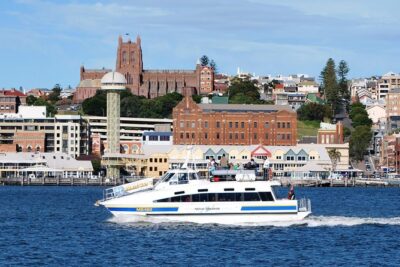
If you’re in Naha and want an efficient way to hit some of Okinawa’s best-looking water, this is a solid, affordable pick. The boat runs from Miegusuku Port, and the itinerary bounces between several Kerama islands in search of turtles, fish, and dramatic reef scenery.
In This Review
- Key highlights you’ll feel on this Kerama day
- Kerama Islands in one day: the payoff for your time
- The on-water plan: how snorkeling and first-time scuba work together
- Whale watching in winter: January 12 to March 31 expectations
- The Kerama island stops: Zamami, Tokashiki, Kuroshima, and Maejima
- Safety and gear rules you should not skip
- Underwater photos and small perks that actually help
- Price and value from Naha: what $96.67 buys you
- Who this is best for (and who should think twice)
- Tips to make your day feel smoother from the start
- Should you book this Kerama Islands intro scuba and seasonal whale watching day?
- FAQ
- What time does the tour start?
- Where do I meet the group?
- Is pickup offered from Naha?
- Do I need to know how to swim?
- Is whale watching included?
- What gear is included?
- Do I get photos or video?
Key highlights you’ll feel on this Kerama day
- Small group size (max 15 travelers) so the instructors can give close attention
- First-time scuba with surface practice, not just a quick gear handoff
- Sea turtle-focused routes across multiple Kerama islands (spots vary daily)
- Snorkelers and scuba participants share the same boat, so no one gets left behind
- Underwater photo gifts (2–3 photos via Facebook), plus optional FHD video
- Seasonal whale watching (Jan 12 to Mar 31) when seas allow
Kerama Islands in one day: the payoff for your time
This is the kind of day trip that works because it gives you variety without wasting the whole vacation on transit. You start from Miegusuku Port in Naha at 7:30am, then spend your morning and afternoon on the water around the Kerama Islands. The schedule is built around hitting two to three carefully selected underwater spots per day, which matters because good visibility can change fast. You’re not just doing one location and hoping for the best.
What makes Kerama special is the clarity. The experience promises water so clear you can see down to the seabed, plus coral and fish that look close enough to touch (even though you should keep your hands to yourself). When you’re new to the water, that clarity helps you relax—your brain reads the scene quickly and you spend less time wondering what’s going on.
And yes, the trip is advertised around sea turtles, so expect the guides to steer your attention toward the areas where turtles tend to appear. One important reality check: even with good guidance, spotting turtles isn’t guaranteed. That’s not a dealbreaker; it just means you should treat the turtles as the bonus, not the requirement.
You can also read our reviews of more tours and experiences in Naha.
The on-water plan: how snorkeling and first-time scuba work together
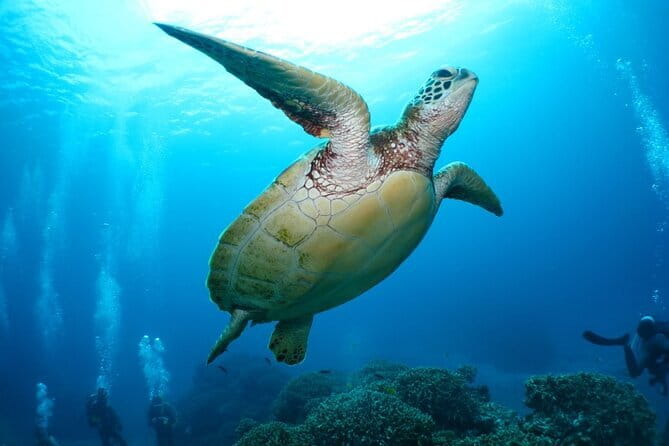
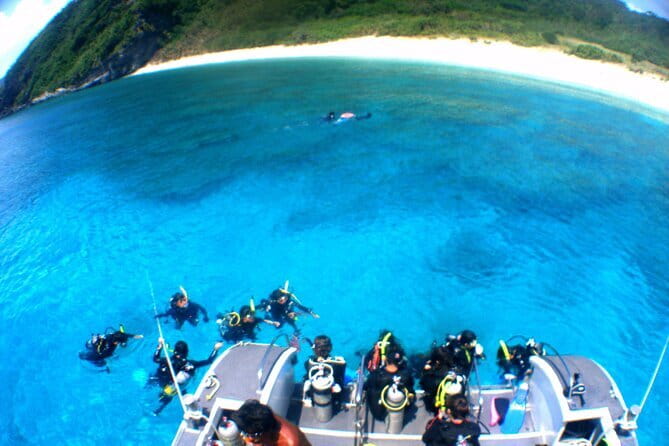
This is a mixed-experience boat: you can do snorkeling or scuba, and you can pick based on your comfort level. The biggest advantage for me is that you’re not forced into a single style. If one person wants to stay on the surface while another wants the chance to use scuba gear, you can still be out there together.
The training approach is also very “calm and methodical.” Before anyone goes underwater, the guide provides verbal explanations, equipment explanations, and surface practice. That’s a big deal for first-timers. You’re not dropped into chaos. You learn how the gear works, how your body should feel, and what the basic signals and behaviors look like in a controlled environment first.
If you can’t swim, the trip says not to worry. You’ll still be wearing the safety gear the activity requires (a wetsuit or life jacket), and you’ll also have floating rings provided. That doesn’t replace good safety habits, but it does mean you’re not relying on athletic ability alone.
Whale watching in winter: January 12 to March 31 expectations
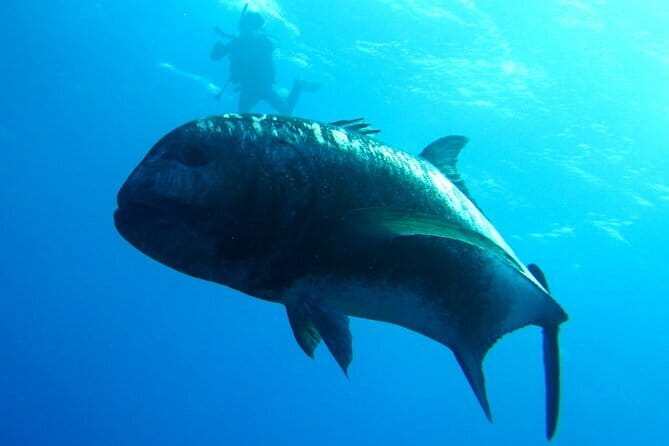
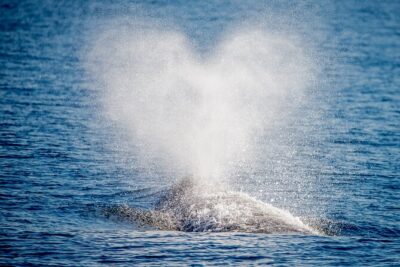
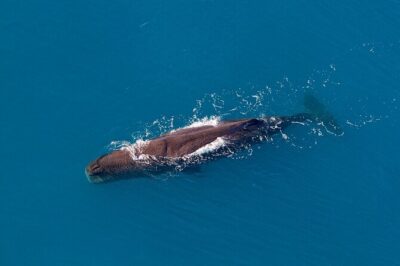
From January 12 to March 31, whale watching is included. This is the seasonal add-on that can turn a great reef day into something extra memorable. The catch: you’re explicitly told whales might not show up, because it depends on weather and sea conditions.
So here’s how I’d plan your mindset. Treat whale watching as a bonus window, not a guaranteed encounter. If the seas are rough enough to affect the route, you may still get the scuba/snorkeling parts of the day, but the whales can be a no-show. If you’re booking during that winter season, you’ll enjoy it more if you see it as a chance to scan the horizon, not a promise you must collect.
The Kerama island stops: Zamami, Tokashiki, Kuroshima, and Maejima
You won’t circle every island every time. Instead, your day focuses on 2–3 carefully chosen spots across the Kerama area, typically involving islands such as Zamami, Tokashiki, Kuroshima, and Maejima. Which specific island you visit in what order can vary, but the theme stays consistent: see reefs, see fish, and look for turtles.
Here’s what you can reliably expect from the way the day is described:
- Varied underwater locations instead of one long, repetitive drift
- Turtle-search behavior from the guide, meaning you’ll be paying attention to the right areas rather than just following currents blindly
- Lots of coral and schooling fish—enough that even a first-timer with limited buoyancy confidence should still be able to enjoy what’s around them
Even if you don’t spot turtles, the underwater scenery is the core reason people make this trip. One review I noted specifically praised the guide’s animal information and the mix of marine life they saw, including turtles, sharks, and many types of fish. That matches the trip’s emphasis on animal spotting plus reef variety.
Safety and gear rules you should not skip
The safety setup here is built for beginners, but it still requires you to follow the rules. Everyone on staff is described as an instructor, and they also have first aid training. That’s reassuring because it suggests you’re not dealing with random tour helpers on deck.
Before you go, you’ll do the usual safety and health screening. If you’re in good health, you’re generally OK to participate, but the activity lists a long set of medical conditions where you should not join (or should get clearance first). It also calls out a key behavior: if you drink alcohol within the hour, they may refuse participation.
Gear-wise, you’ll use snorkeling equipment or scuba equipment (depending on what you choose). The trip requires you to wear a wetsuit or life jacket for safety, and floating rings are provided. That combination is often what helps first-timers feel stable early on.
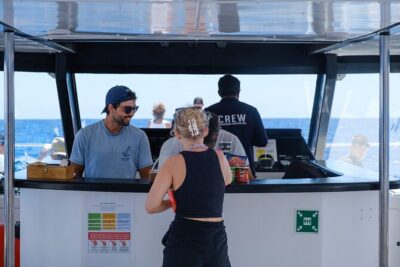
One more practical note: you’re getting extra comfort tools. The tour offers free motion sickness medication (reservation required), and they also provide swim bladder rental with reservation. If you’re even slightly prone to seasickness, I’d reserve those in advance. You’ll enjoy the day more when you’re not battling nausea between stops.
Also: pay attention to your equipment. I saw one low-rating report where a participant felt unsafe after a regulator issue, and they were trying to get help quickly. That’s rare, but it’s a reminder: if anything feels wrong—fit, breathing comfort, strap pressure—speak up immediately. Don’t wait hoping it improves on its own.
Underwater photos and small perks that actually help
A lot of tours promise photos. This one at least gives a clear expectation: you receive 2–3 underwater photos as a gift, downloaded through Facebook. There’s also an FHD video service option if you want it. For a first-timer, those photos can be a morale boost, because your memory of the day is often split between “I’m doing this” and “wow, the reef looks close.”
There are also comfort extras that make sense for a beach day:
- Tea and water are included
- Seasickness medicine is available if desired
- Free snacks for children under 12
- Free shaved ice in August and September, which is exactly the kind of summer Okinawa moment you remember later
These perks don’t make or break the experience, but they reduce friction. You go snorkeling/scuba with less hassle, then you get something simple and cold afterward.
Price and value from Naha: what $96.67 buys you
At $96.67 per person, this tour sits in the “serious value” zone, mainly because the price covers more than just a boat ride. Included items listed here include:
- Ship fare and insurance
- Snorkeling equipment and scuba equipment
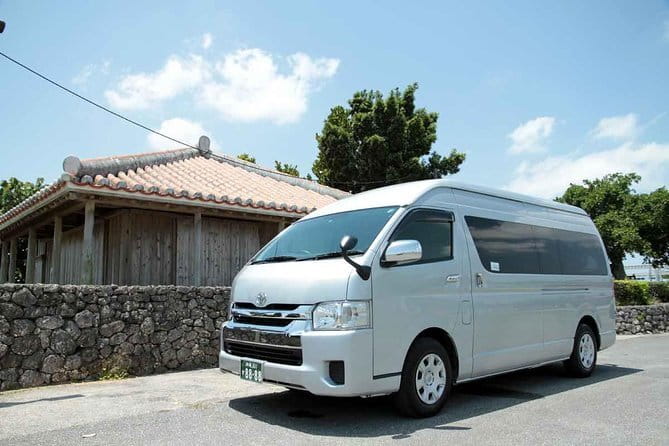
- Pickup service within Naha city (if the shuttle bus isn’t full)
- Tea and water
- Seasickness medicine (if desired)
You do need to plan for one key omission: lunch isn’t included. That’s not a dealbreaker, but you should either eat before you go or plan to grab something after. Also, bring basic day-trip common sense: sun protection, a towel change, and a dry bag. Those aren’t listed, but they matter because you’re on open water and handling gear.
The other big value point is the experience mix. You can snorkel or do first-time scuba, and both groups move together on the same day. That can save you money compared with booking separate activities for different comfort levels.
Finally, note the group size: max 15 travelers. Paying this price for a smaller crew typically means less waiting, more help when you’re adjusting gear, and a smoother schedule between stops.
Who this is best for (and who should think twice)
This is a great fit for:
- First-time scuba participants who want instruction plus surface practice
- People who want to snorkel and scuba on the same day without splitting from friends or family
- Anyone who values safety structure and wants staff trained in first aid
- Reef lovers who understand that animals like turtles are a search, not a guarantee
It’s a less ideal fit if:
- You only book when you must guarantee whale sightings or turtle sightings. Even during whale season, the activity warns whales may not show up due to sea conditions.
- You have medical conditions from their health checklist and aren’t sure where you stand. The tour says you might not pass the health check the day of, and there are no refunds even if you’re unable to participate because of that check. So if you’re uncertain, ask questions before you go.
Tips to make your day feel smoother from the start
- Reserve any add-ons early, especially motion sickness medication and swim bladder rental, if you think you’ll need them.
- If you get nervous with gear, use the surface practice seriously. It’s the part that turns “I’m trying” into “I can handle this.”
- If you’re prone to seasickness, don’t tough it out. Use the medication option and plan your body for the boat ride.
- Bring a plan for food since lunch isn’t listed as included. Eat beforehand so you’re not hungry while you’re in the middle of the water schedule.
- If you feel off during scuba setup or breathing, speak up right away. Quick communication is the fastest way to restore confidence.
Should you book this Kerama Islands intro scuba and seasonal whale watching day?
Yes, if you want a first-time-friendly ocean day with real structure: clear instruction, safety training on staff, and a route that visits multiple Kerama islands in search of turtles and reef life. The $96.67 price feels fair for what’s included—equipment, insurance, and a guided day that can work for both snorkelers and first-time scuba participants.
Book it with eyes open if your main goal is a guaranteed whale or guaranteed turtle sighting. The tour is upfront that you might not see whales in winter or turtles on the day. If you can accept wildlife as the bonus, you’ll still have plenty to enjoy: coral, fish, calm guidance, and that unforgettable Kerama clarity.
FAQ
What time does the tour start?
It starts at 7:30am.
Where do I meet the group?
You meet at Miegusuku Port (三重城港), Naha, Okinawa 900-0036.
Is pickup offered from Naha?
Yes, pickup is offered within Naha city, but it may not be available if the shuttle bus is full.
Do I need to know how to swim?
No. The tour says you don’t need to be able to swim, and floating rings are provided along with required safety gear.
Is whale watching included?
Yes, whale watching is included from January 12 to March 31. Weather and sea conditions affect whether you see whales.
What gear is included?
You get snorkeling equipment and scuba equipment, plus the tour provides floating rings. You’re required to wear a wetsuit or life jacket for safety.
Do I get photos or video?
You get 2–3 underwater photos as a gift via Facebook download. There’s also an FHD video service available if you want it.