REVIEW · SEATTLE
Only Wildlife and Whale Watching Tour Leaving from Seattle
Book on Viator →Operated by FRS Clipper · Bookable on Viator
Whales from Seattle sound simple, but it’s better than that. This Pier 69 cruise puts you right on the water fast, then you head into the Salish Sea for a search for orcas and humpbacks with an onboard naturalist. You also get classic Seattle shoreline views early on, including the Space Needle from the water.
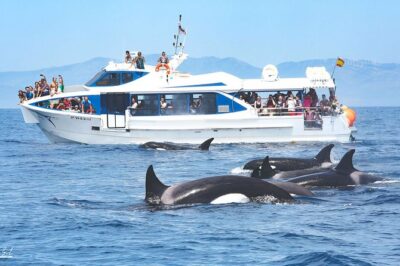
Two things I like a lot: the boat experience is built for spotting wildlife, and the staff clearly works the water to help you find activity. You can move between viewing areas, grab seats, and learn what you’re looking at instead of guessing—plus there’s an onboard food and drink galley when you want a break from standing in wind.
One downside to keep in mind: whale time is unpredictable. Even when the naturalist is on it, you may spend a lot of the trip waiting for sightings, and deck space can get crowded—so bring patience (and a plan for motion sickness).
In This Review
- Key things to know before you go
- Pier 69 makes this whale watch easy to start
- What the FRS Clipper ride feels like: seating, deck views, and food
- From Elliott Bay to the Salish Sea: your realistic itinerary day
- The Elliott Bay departure and skyline photos
- The wildlife search in the Salish Sea
- How long you might actually be out there
- Learning on the water: what the naturalist adds (and what it won’t)
- Seating and photos: standard vs premium, and the “gotcha” about image sales
- Staying comfortable in real Seattle weather and real boat motion
- Wildlife odds: how to think about sightings so you don’t feel burned
- Who should book this whale watch from Seattle?
- Great choice if you…
- Maybe skip if you…
- Price and value: $153.64 for 3–5 hours on the water
- Should you book this Pier 69 whale watching tour?
- FAQ
- Where does the whale watching tour depart from?
- How long is the tour?
- How much does it cost?
- Is the tour offered in English?
- Will there be an onboard naturalist?
- What whale and wildlife might we see?
- Are food and drinks available onboard?
- What seating options are available?
- What happens if weather is poor?
- What is the cancellation window?
Key things to know before you go
- Pier 69 launch point: steps from Pike Place Market and a quick hop from downtown sights
- Naturalist-led wildlife viewing: you’re not just staring at water, you’re learning as you look
- Standard vs premium seating: premium window spots often won’t beat the main deck viewing area
- Crowds on deck are normal: bring binoculars and expect to share viewing space
- Whale watching depends on the sea: sightings and trip length can vary day to day
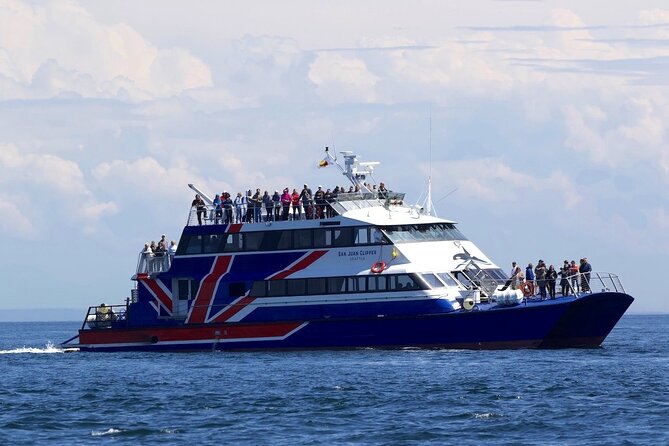
- FRS Clipper max size: up to 150 travelers, so it’s busy but not chaotic
Pier 69 makes this whale watch easy to start
Starting at 2701 Alaskan Wy means you’re already in the good part of Seattle. Pier 69 is right by the downtown waterfront, and you’re close enough to landmarks like Pike Place Market and the Space Needle that you can pair this trip with a walk or meal before you board.
The big practical win is time. You’re not carving out half a day just to reach a remote harbor. You roll up to the dock, get your bearings, and you’re out on Elliott Bay with the skyline in view. That early stretch is great even if wildlife sightings are slow later—because the city from the water is its own show.
You can also read our reviews of more tours and experiences in Seattle.
What the FRS Clipper ride feels like: seating, deck views, and food
This is a 3 to 5 hour whale watching cruise, and the rhythm matters. You’ll be outside, inside, and moving around depending on where activity is. That’s why seating type matters less than people think.
Here’s how it typically plays out:
- Standard seating is fine if you’re comfortable getting up to look.
- Premium seating gives you more comfort, but it doesn’t automatically translate into better whale spotting. Multiple comments point out that most viewing action happens on the main observation areas, including the bow.
The boat layout also affects comfort. If you hate standing in crowds, plan to rotate: sit when you can, then move when the captain turns the boat toward a sighting. You’ll feel the movement more on open decks, so if you’re sensitive, prepare for it.
Onboard, the food and drink galley is there for you. Reviews describe snacks and drinks as reasonably priced, which is a nice relief on a longer outing. If you get hungry or cold, having options on the water beats trying to eat before boarding and then regretting it later.
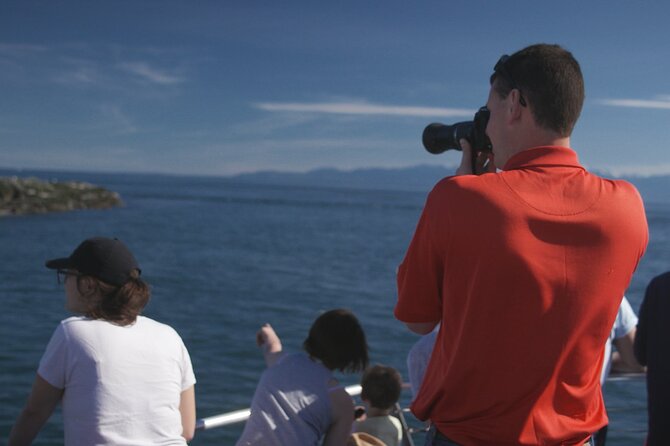
Quick tip that comes up again and again: bring a small pair of binoculars. Cell phones don’t do well for spotting targets at distance, and binoculars can make the difference between guessing and actually tracking behavior.
From Elliott Bay to the Salish Sea: your realistic itinerary day
Your day starts on the downtown waterfront and moves out in stages. The first part is about the Seattle views and getting you out into the real water conditions.
The Elliott Bay departure and skyline photos
As the vessel leaves Pier 69, you head out onto Elliott Bay. You’ll get a clear view of the Seattle shoreline, with the Space Needle appearing to the right as you go. It’s a smooth early ride that also sets you up for photos—especially if you like getting shots with the city behind you instead of only chasing wildlife.
This section is also helpful because it gets you used to the boat’s motion before you’re focused on spotting. If you’re prone to seasickness, it’s a good moment to take any prevention you plan to use.
The wildlife search in the Salish Sea
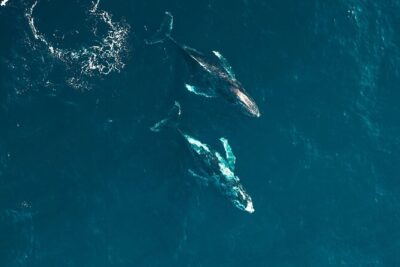
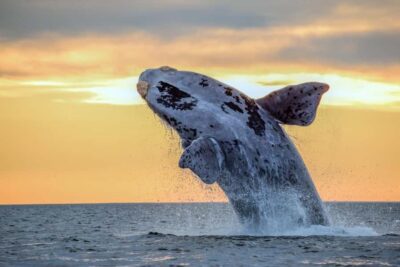
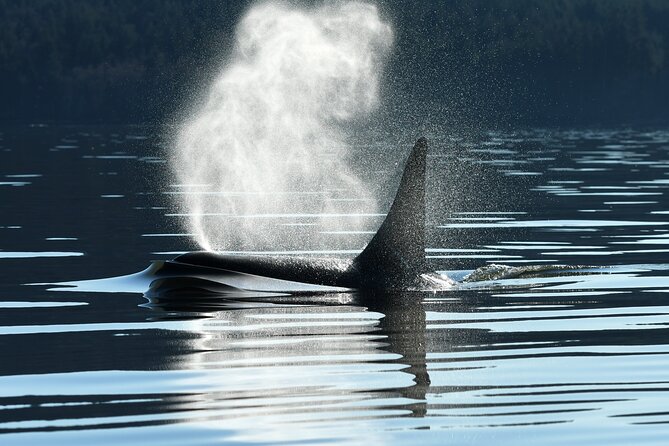
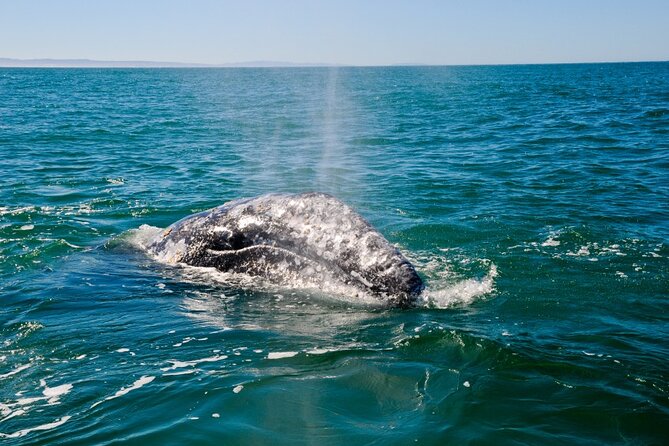
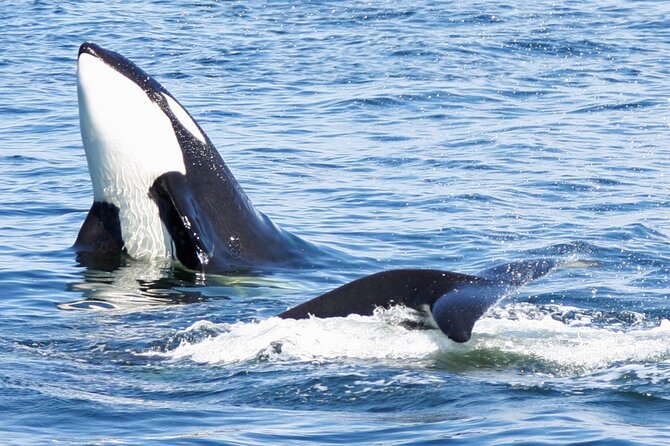
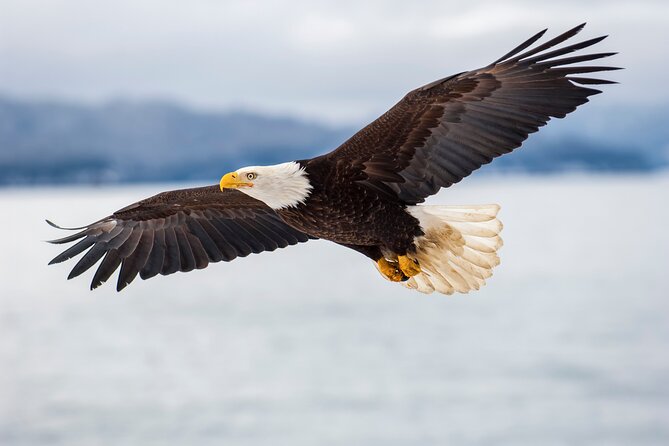
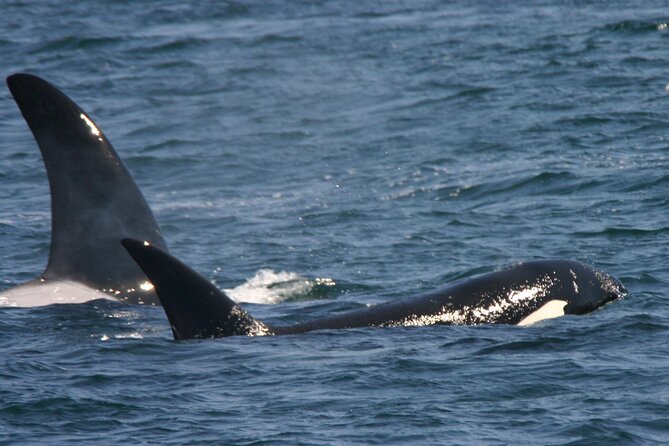
Once you’re out into the Salish Sea area, the goal becomes sightings. The hunt focuses on orcas, humpback whales, gray whales, and minke whales. You might also spot seals, sea lions, porpoises, bald eagles, and other marine birds.
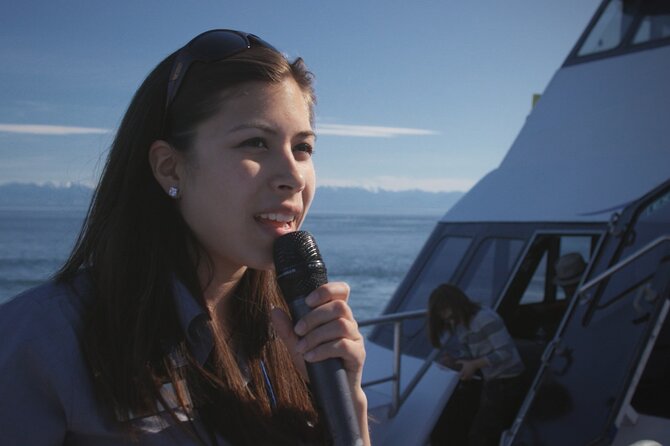
What makes the wildlife time valuable is the onboard naturalist. Instead of generic narration, you get real info tied to what’s happening in front of you—how whales behave, how pods move, and how conservation efforts fit in. On one trip, the naturalist even shared detailed info about adult whales in an orca pod, which is the difference between a quick sighting and an actually educational one.
You also follow respectful wildlife viewing guidelines. Translation: you’re not bouncing around like a tourist boat movie scene. The captain and crew work within safe, responsible viewing distances while you watch.
How long you might actually be out there
The tour is listed at about 3 to 5 hours, but your real time depends on where whales show up. Some outings run longer when activity is strong. On foggy or tough visibility days, the crew may need to adjust strategy to find whales. That flexibility is part of the reality of whale watching, and it’s one reason this experience can feel like an adventure rather than a timed checklist.
Learning on the water: what the naturalist adds (and what it won’t)
The onboard naturalist is one of the biggest reasons people rate this highly. You’ll get explanations while you watch, and the commentary tends to match the actual whales you encounter.
I especially like the practical angle of the guidance. It helps you read whale behavior faster. For example, if orcas are traveling in a tight pod, the better you understand their rhythm, the less time you waste scanning the wrong direction. For humpbacks, knowing what to look for with surfaces and flukes makes you feel less like you’re waiting and more like you’re actively tracking.
That said, if you’re hoping for a lot of human history or neighborhood stories while you pass by communities, don’t count on it. One of the more critical notes I’d take seriously: the whale-focused narration can leave some first-time Northwest visitors wanting more local context. If that matters to you, plan to balance this with a separate stop on land (Pike Place and a waterfront walk are perfect for that).
Seating and photos: standard vs premium, and the “gotcha” about image sales
This is where I’ll save you money if you’re tempted to splurge.
Premium seating can sound like a guaranteed win—window access, fewer crowds, a better angle. In practice, several comments suggest it often isn’t worth it because:
- you still need to be on deck for the best whale spotting
- boarding and viewing flow may not change how much time you spend in the observation areas
- crowds gather where the sightings happen, not only where you sit
If you’re the type who plans to move around anyway, standard seating is a smarter buy.
Now, photos. There are professional photo opportunities described as available from onboard viewing moments. Some people didn’t realize the photos were for sale rather than included as a free download. So here’s the straightforward advice: if you want photos, check what’s included at checkout and how the purchase works before you assume you’ll get everything automatically.
Staying comfortable in real Seattle weather and real boat motion
This tour requires good weather. If it’s canceled due to poor weather, you’ll be offered a different date or a full refund. That’s important because whale spotting is harder with fog, wind, and low visibility.
Even with decent conditions, the motion is part of the experience. If you get motion sick easily, take action early. One strong theme from feedback is that the first part of the cruise can feel uncomfortable until prevention kicks in, so plan ahead rather than waiting for nausea.
Clothing matters too. If you’re going to spend time on the bow or outside viewing zones, bring layers. Wind can turn a pleasant afternoon into a chilly one fast.
One more practical note: deck areas can be crowded during active spotting. If you’re short, have mobility limits, or hate standing shoulder-to-shoulder, you’ll want to rotate strategically. Move to the sides when the captain adjusts position, and use binoculars so you’re not stuck craning over people.
Wildlife odds: how to think about sightings so you don’t feel burned
You can love whale watching and still be disappointed on a day when whales are quiet. That’s not a marketing problem; it’s the ocean.
Here’s how I’d frame your expectations:
- You’re paying for time on the water plus expert help to find whales.
- You’re not buying control over when animals surface.
- You might see lots of wildlife even if you don’t get long, close looks.
Some trips deliver major sightings, like orca pods and active humpbacks with extended viewing time. Other days are lighter. If you’re traveling with a flexible mindset and you don’t need a guaranteed close encounter, this tour can still be a great use of your time.
If seeing whales is your single must-do, read the experience terms carefully around what happens if sightings are minimal. One comment raised concerns about cash refunds versus voucher-style outcomes when whales were scarce. The takeaway for you: before you book, understand what the provider offers if the day doesn’t deliver the wildlife you hoped for.
Who should book this whale watch from Seattle?
This tour fits best when you want downtown access and a true wildlife focus.
Great choice if you…
- want a water-based Seattle outing without extra driving
- enjoy learning in real time from an onboard naturalist
- don’t mind crowds on active deck areas
- like the idea of moving around for the best viewing angle
Families can do well too. Comments describe the experience as toddler friendly, with staff working to get people sights from different parts of the boat. If you’re bringing kids, pack small snacks and layers, and expect you’ll spend plenty of time switching between “look time” and “break time.”
Maybe skip if you…
- need a guaranteed whale sighting or a guaranteed close approach
- hate standing and crowd situations
- want a lot of narrated history about the communities you pass along the way
Price and value: $153.64 for 3–5 hours on the water
At $153.64 per person, this is not a cheap activity. The value comes from what’s included rather than from the time alone.
You’re getting:
- a 3 to 5 hour whale watching cruise
- an expert onboard naturalist
- all applicable taxes and surcharges
- a boat setup designed for spotting wildlife
- a food and drink galley option (not stated as free, but available)
So the deal is strongest if you:
1) show up ready to watch (binoculars help)
2) stay flexible on timing and sightings
3) treat the experience as wildlife time first, whale certainty second
If you only feel good paying premium prices with a high chance of seeing whales at close range, then you should weigh this more carefully. Whale watching has a built-in uncertainty, and some feedback reflects disappointment on days with fewer sightings.
Should you book this Pier 69 whale watching tour?
If you’re visiting Seattle and want a straightforward, downtown-friendly whale watch, I’d lean yes. The Pier 69 departure means you can fit this into a day without complicated logistics, and the naturalist-led commentary is a real upgrade over a basic boat ride.
Book this if you’re excited to learn while you look, you’re okay with changing conditions on the water, and you’ll come prepared for motion and crowds. Bring binoculars, dress in layers, and take motion sickness steps early if you need them.
Pass or reconsider if a trip with minimal sightings would feel like a waste of money for you, or if you only want lots of off-boat history and storytelling. In that case, you might be happier pairing a short waterfront walk and museum time with a separate wildlife activity later—or simply choosing a day with better conditions when you can.
FAQ
Where does the whale watching tour depart from?
It starts at 2701 Alaskan Wy, Seattle, WA 98121, USA, and it ends back at the same meeting point.
How long is the tour?
The duration is listed as approximately 3 to 5 hours.
How much does it cost?
The price is $153.64 per person.
Is the tour offered in English?
Yes, the tour is offered in English.
Will there be an onboard naturalist?
Yes. An onboard naturalist provides information during the tour.
What whale and wildlife might we see?
The tour focuses on spotting orcas, humpback whales, gray whales, and minke whales, plus you may also see seals, sea lions, porpoises, bald eagles, and other marine birds.
Are food and drinks available onboard?
Yes. A food and drink galley is available on the boat.
What seating options are available?
You can choose between standard (non-window) seating and premium seating options.
What happens if weather is poor?
If the experience is canceled due to poor weather, you’ll be offered a different date or a full refund.
What is the cancellation window?
You can cancel up to 24 hours in advance for a full refund. If you cancel less than 24 hours before the start time, the amount paid is not refunded.