REVIEW · TRINCOMALEE
Trincomalee: Dolphin & Whale Watching Boat Tour
Book on GetYourGuide →Operated by PIGEON ISLAND TOURS PVT LTD · Bookable on GetYourGuide
You’ll spend three hours chasing whales and dolphins. What I like most is the real target list—blue whales, sperm whales, and spinner dolphins—and the high odds for dolphins even when whales don’t show. The ride runs year-round, but the sea can be bumpy, and some days are better than others for whale sightings.
The big trade-off is comfort and certainty. This is the Indian Ocean, so expect swell and a light chop, and the smaller shared boats can mean cramped plastic seats for some people. If you’re prone to motion sickness or you have health limits (like heart or back problems), think hard before you go.
In This Review
- Key things to know before you go on a Trincomalee dolphin and whale boat tour
- Where Trincomalee and Nilaveli fit into Sri Lanka’s whale calendar
- Booking value: $42 for a focused 3-hour hunt for whales and dolphins
- Meeting spot and how check-in shapes your morning
- The 3-hour flow: what happens before, during, and after Nilaveli
- Getting out to the water (early stretch)
- The main watching window at Nilaveli (around 2 hours)
- Return to the starting point
- What you’re actually looking for: blue whales, sperm whales, and spinner dolphins
- Sea conditions and motion sickness: the must-do prep
- Comfort on the boat: life jackets, cramped seats, and fitness reality
- Light breakfast and water: small support for a long scan
- The dolphin payoff: when the ocean turns into a show
- When whales are missing (and how to judge your expectations fairly)
- Communication and crew experience: what matters on a bumpy ocean day
- Who should book this boat tour (and who should skip it)
- Should you book the Trincomalee Dolphin & Whale Watching tour?
- FAQ
- How long is the Trincomalee dolphin and whale watching boat tour?
- Where do I meet for the tour?
- What animals are you looking for on the trip?
- Is swimming allowed during the tour?
- What’s included in the price?
- Who should not take this tour?
Key things to know before you go on a Trincomalee dolphin and whale boat tour
- Year-round season feel: dolphins are expected most days; whales are more seasonal.
- Best sighting window: many sightings happen around March/April through August/September.
- Species focus: blue whales, sperm whales, and spinner dolphins are the main targets.
- Not a calm-water cruise: there is always at least a light swell on this route.
- Two comfort levels of the same idea: shared boat or a smaller group of about six.
- Limited time at sea: about two hours of actual watching, then back after three hours total.
Where Trincomalee and Nilaveli fit into Sri Lanka’s whale calendar
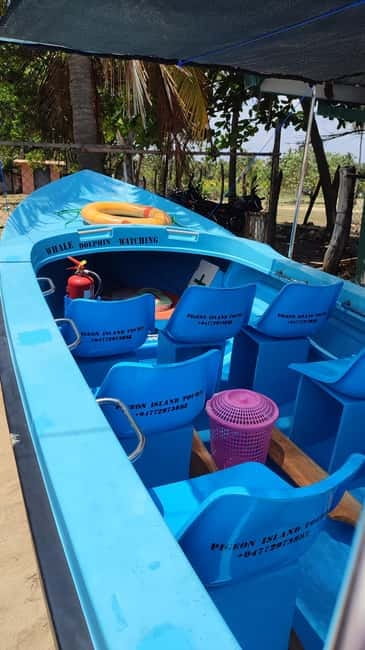
Trincomalee sits on Sri Lanka’s east coast, and it’s one of those places where your odds improve simply because of the animals’ travel routes. Your tour runs along the coast near Nilaveli, and that matters: whales that are around Sri Lanka tend to move as conditions and food change across the island.
The tour info also gives you a useful timing clue. Sightings happen across much of the year, but the most consistent stretch is March/April to August/September. There’s a seasonal shift too: whales mainly congregate on the south coast from December to April, then continue migrating around the island, which is why the east coast gets attention outside that same winter window.
So, what does that mean for your planning? If you’re going in the middle of that March/April through August/September band, you’re lining up with the strongest chance the operators point to. If you’re outside it, you still have a shot—especially for dolphins—but you should treat whale sightings as less predictable.
You can also read our reviews of more tours and experiences in Trincomalee.
Booking value: $42 for a focused 3-hour hunt for whales and dolphins
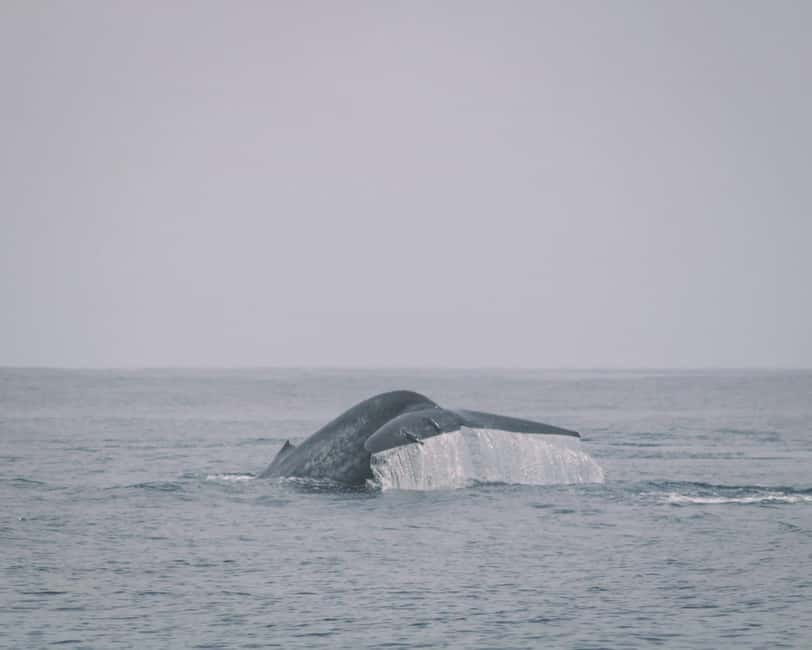
At $42 per person for a 3-hour shared boat outing, the price is really about one thing: time on the water with safety gear and basic support. You’re not paying for a long day with multiple stops and sightseeing stops. You’re paying for the time when the animals might appear and for the crew effort to find them.
For good value, look at what’s actually included: life jacket and a boat seat, all fees and taxes, 500ml bottled water, and a light breakfast (vegetarian or non-vegetarian). That reduces the “extra costs” you’d otherwise plan for. You still need to handle your own snacks/drinks beyond that, though, because the tour notes also say food isn’t included beyond what they provide.
Where value gets personal is your comfort with the reality of wildlife. The operator states there’s a high chance of seeing whales or dolphins most of the season, but also admits that on some days it’s impossible. If you want a guaranteed animal encounter, this kind of tour will never fully satisfy. If you’re okay with the hunt—and you mainly want to be on the ocean watching for movement—this is a pretty reasonable way to do it.
Meeting spot and how check-in shapes your morning
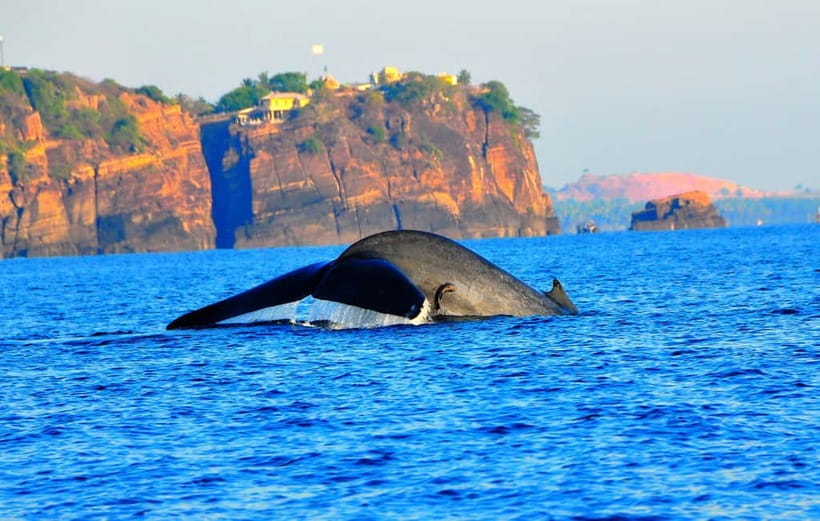
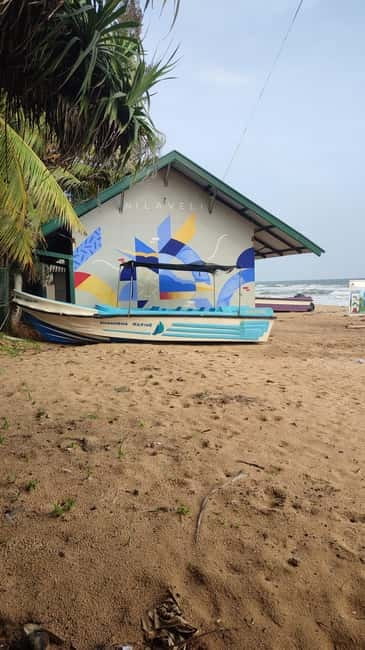
You meet at Pigeon Island Tours, 42/1B, 4th Cross Lane, Kannaki Amman Kovil Road, Gopalapuram, Nilaveli (31010), Trincomalee. They also mention they’ll inform you by WhatsApp with details, which is helpful in a coastal area where timing can shift based on sea conditions.
The practical point: without hotel pickup, you’ll want to show up with a little buffer. You’re trading “easy door-to-door transfer” for more control over your schedule. If you’re already staying near Nilaveli, this is simple. If you’re coming from farther inland, plan your ride so you’re not rushing.
Also note the location codes: the tour references M5RQ+XP for the starting/return point. That’s not something you should memorize, but it tells you the boat departure is tied to the local Nilaveli area rather than a random marina far away.
The 3-hour flow: what happens before, during, and after Nilaveli
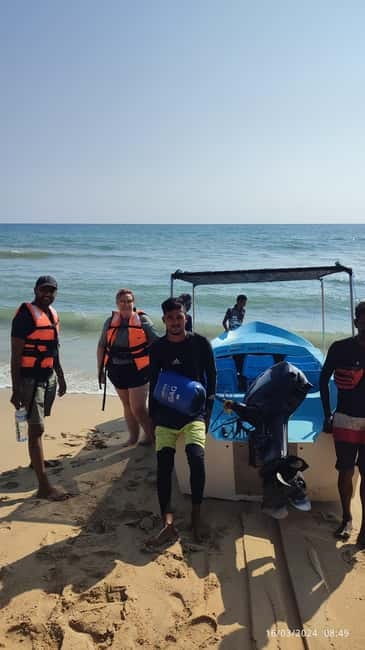
This tour is built around a tight timeline: about two hours of dolphin/whale watching and then a return so your total time on the outing is three hours from the start time.
Getting out to the water (early stretch)
Once you board, the crew heads out from the Nilaveli area toward where they expect to find whales and dolphins. This part often feels like anticipation plus scanning the surface. You’ll want sunglasses and your camera ready, because once you spot movement you don’t get much time to adjust settings.
The main watching window at Nilaveli (around 2 hours)
The itinerary calls out Nilaveli as the main stop for 2 hours of spirits/dolphin/whale watching. Even without a guarantee, the operator is setting your expectations: dolphins have the strongest odds, while whales are more seasonal and can be harder to line up on the day.
This is where the “Indian Ocean rhythm” matters. You’re not in a glassy lake. The tour info warns that the sea isn’t calm and that there’s always at least a light swell. That means your body position and how you hold your camera matters. Sit steady, keep your horizon level, and don’t fight the motion.
Return to the starting point
After about three hours from the start time, you head back. If you’re hoping for the last-minute whale reveal, you have to accept the fixed timeline. The upside is that you’re not stuck on the water for half a day if conditions get rough.
What you’re actually looking for: blue whales, sperm whales, and spinner dolphins
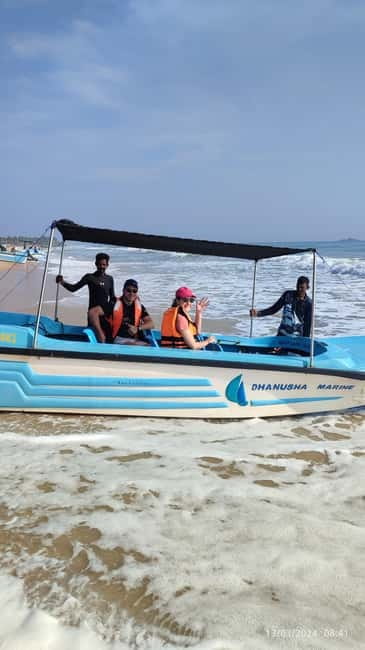
Your target list is specific, and that’s a good thing. Vague tours make it easy for the operator to manage expectations. Here, the main stars are:
- Blue whales
- Sperm whales
- Spinner dolphins
The tour also frames the odds in a clear way: whole season round, with a rough estimate of 50/50 for whales and 100% for dolphins. That’s not a promise, but it tells you dolphins are the “safe bet” and whales are the “bonus.” If you’re going with family or someone who really cares about seeing something for sure, that dolphins-first reality is comforting.
One more expectation to set: whales aren’t just about distance. They can surface briefly, then go quiet again. Dolphins are often more active in the water around boats. If you get a day where dolphins are thick, it can turn into a long stretch of close, playful behavior.
Sea conditions and motion sickness: the must-do prep
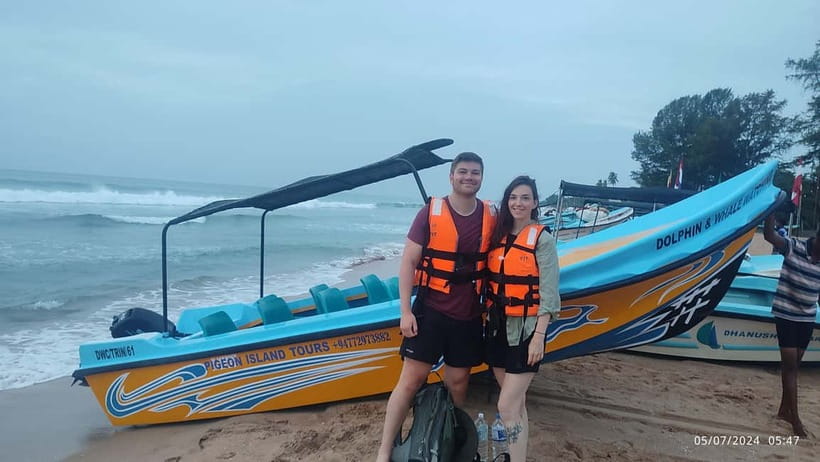
This tour comes with a big honest warning: the Indian Ocean is not calm. There’s always at least a light swell, and you should expect a choppy ride at times.
If you tend to get sea sick, or if it’s your first boat day in the Indian Ocean, take action before you even step on the boat. The operator recommends taking seasick pills about 1–2 hours before entering the boat. They name examples found in Sri Lanka: Avomine or Celenid. You should consult your doctor or pharmacist first, especially if you take other medications.
My practical advice: treat this as part of your packing checklist, not a last-minute fix. Once the swell hits, it’s harder to reverse.
Comfort on the boat: life jackets, cramped seats, and fitness reality
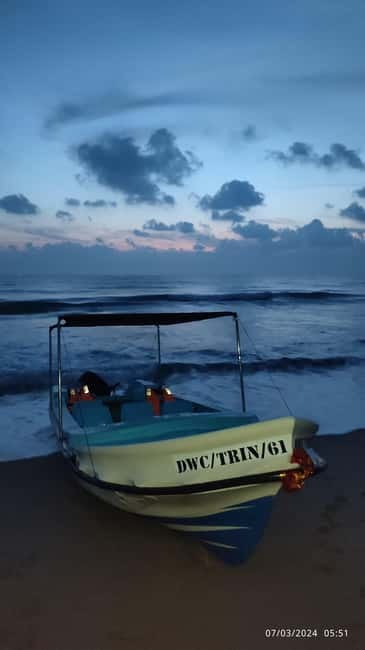
You’ll get a boat seat with a life jacket. That’s the standard safety baseline. The tour also says a moderate level of fitness is required, and it lists people who should avoid the trip: children under 4, pregnant women, people with back problems, heart problems, and people over 70.
The comfort factor is where people divide. One account describes cramped plastic seats and even bruises after a choppy ride. That’s not universal, but it’s a real possibility. If you’re sensitive to rough rides, bring a small seat cushion if you can, dress in layers, and expect you may be bouncing.
Also remember: swimming is not allowed. So you’ll be fully on the boat the entire time, watching from the seats.
Light breakfast and water: small support for a long scan
Included with the tour is a light breakfast (vegetarian or non-vegetarian) and 500ml bottled water. This is useful because you’ll likely be on the water while hungry and focused.
Still, don’t assume that’s all the food you’ll want. The tour info also says food isn’t included so bring your own, which suggests you shouldn’t count on a full meal. Bring something simple if you know you need it—especially if you’re going to combine the tour with other activities later that day.
The dolphin payoff: when the ocean turns into a show
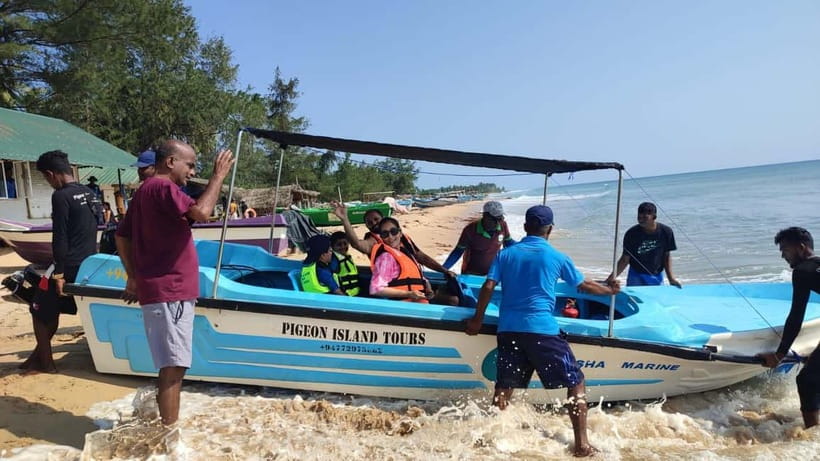
Even when whales don’t show, dolphins can still make the trip. One experience described a day where the sea was “teeming” with dolphins and they played and jumped around the boat long enough to feel like you weren’t rushing. Another detail: dolphins were almost close enough to touch.
That’s exactly why I like this tour type. If you love wildlife but you hate the idea of a long, expensive day that turns into nothing, dolphins offer a better payoff. The operator’s own framing backs it up: dolphins are the main reliable element across the season.
So if your top priority is seeing animals even if whales stay hidden, this tour is worth considering—especially during the stronger sighting months.
When whales are missing (and how to judge your expectations fairly)
On the downside, the same ride that can bring a dolphin party can also deliver a whale-less day. The tour info is clear that sometimes, despite the crew’s best efforts, it’s impossible to show whales or dolphins.
One account specifically reports no whales, with a driver who spoke hardly any English, and then a trade-off where dolphins took over the experience. Another account talks about a choppy ride and a small boat and still calls the dolphin portion amazing.
Here’s the fairness test for you: ask yourself what you’ll do with a whale-less outcome. If you still enjoy being on the water scanning for movement and you’ll be happy with dolphins, you’re set up for success. If whales are your only target and you’ll feel cheated without them, you might want to plan a backup activity on land.
Communication and crew experience: what matters on a bumpy ocean day
The tour is designed for real wildlife watching, so communication style matters less than you might think. Still, one account notes the boat driver spoke hardly any English. That’s a reminder to rely on what you see, not what you’re told.
In practice, that means:
- Keep your scanning active.
- Don’t wait for perfect narration.
- If you spot a blow or a dorsal fin, be ready.
On the plus side, another review praised professionalism and trustworthiness. In that case, the company handled a missed trip with a refund even though the traveler didn’t request it. That’s a good signal for how the operator behaves when something goes wrong.
Who should book this boat tour (and who should skip it)
This tour fits best if you want a short, concentrated ocean experience from Trincomalee/Nilaveli and you’re okay with the sea being a bit rough.
You’ll likely enjoy it if:
- You’re flexible and love wildlife watching from the water.
- Dolphins would be a satisfying outcome for you.
- You can handle a light swell and a bumpy ride.
You should skip it if:
- You’re pregnant.
- You have heart or back problems.
- You’re under 4 or over 70.
- You get motion sickness badly and you haven’t prepared.
And remember: no swimming. This is a watch-from-the-boat experience.
Should you book the Trincomalee Dolphin & Whale Watching tour?
If your goal is to maximize your chance of dolphins while still holding out hope for blue whales and sperm whales, I think this is a strong choice. The pricing is fair for a 3-hour wildlife search with safety gear, water, and breakfast, and the seasonal guidance gives you something actionable for planning.
Book it when you can accept the basic truth of marine wildlife: some days are better than others. If you’re going mainly for whales with zero interest in dolphins, you’re taking a bigger risk.
If you tell me your travel month and whether you’re sensitive to seasickness, I can help you decide if your timing lines up with the higher-odds window the operator highlights.
FAQ
How long is the Trincomalee dolphin and whale watching boat tour?
The tour lasts 3 hours from the start time, with about 2 hours on the Nilaveli dolphin and whale watching portion.
Where do I meet for the tour?
You meet at Pigeon Island Tours at 42/1B, 4th Cross Lane, Kannaki Amman kovil road, Gopalapuram, Nilaveli, 31010 in Trincomalee. The company also informs you via WhatsApp.
What animals are you looking for on the trip?
The tour focuses on spotting blue whales, sperm whales, and spinner dolphins.
Is swimming allowed during the tour?
No. Swimming is not allowed.
What’s included in the price?
Included are all fees and taxes, a boat seat with life jacket, 500ml bottled drinking water, and a light breakfast (vegetarian or non-vegetarian).
Who should not take this tour?
It is not suitable for children under 4 years, pregnant women, people with back problems, people with heart problems, or people over 70 years.