REVIEW · PERTH
2 hour whale watching experience departing Hillarys Boat Harbour
Book on Viator →Operated by Australian Pinnacle Tours · Bookable on Viator
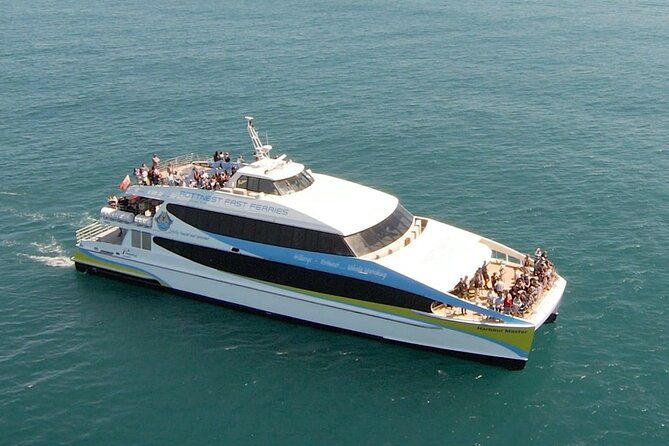
Whales up close is the easy part. This 2-hour cruise from Hillarys Boat Harbour turns a scenic outing into a real animal encounter. You get three viewing decks, an onboard marine scientist, and optional pickup, so you’re not spending your time figuring out transport.
I like that the boat is air conditioned and built for comfort, which matters when you’re out on the water for a full cruise duration. I also like the way they set you up for viewing from every angle, not just one side of the vessel.
One consideration: you’re heading out in the Indian Ocean, so choppy water and motion sickness can happen, and whale sightings are never 100% guaranteed on any wildlife trip.
In This Review
- Key things to know before you go
- Hillarys Boat Harbour: a simple 2-hour plan that’s easy to fit in
- Getting aboard at the Rottnest Fast Ferries shop (and why that matters)
- Air-conditioned comfort and the three-deck viewing setup
- The hunt for humpbacks: what the captain and crew are trying to do
- Marine scientist commentary: turning sightings into real learning
- When the sea gets choppy: comfort, motion sickness, and what to bring
- Photos and close-up moments: how to get the best shots
- Price and value: what you’re really paying for
- Who should book this whale cruise?
- Should you book Australian Pinnacle Tours from Hillarys?
- FAQ
- How long is the whale watching experience?
- Where does the tour depart from?
- Is hotel pickup offered?
- What kinds of viewing options are available on the boat?
- Is food or drinks included?
- Is the boat air conditioned?
- Will there be a marine scientist on board?
- Is the tour accessible for wheelchairs and strollers?
Key things to know before you go
- Three viewing decks mean you’re not stuck craning your neck the whole time
- Onboard marine scientist commentary helps you understand what you’re seeing, live
- Air-conditioned, modern vessel makes the trip feel more comfortable than older tour boats
- Open deck space is great for photos when whales surface close
- Weather-dependent outing so the day’s sea conditions really affect your comfort
Hillarys Boat Harbour: a simple 2-hour plan that’s easy to fit in
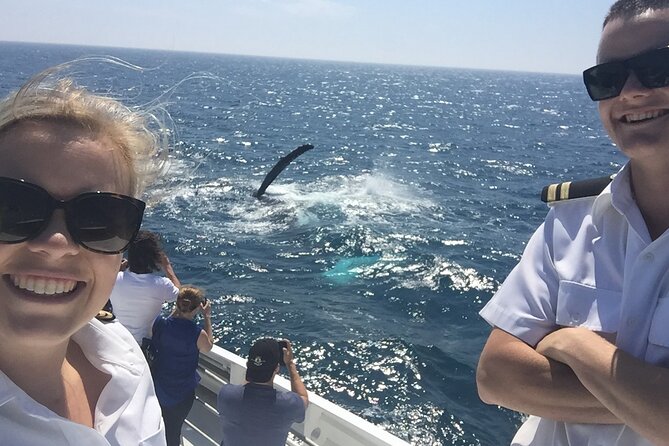
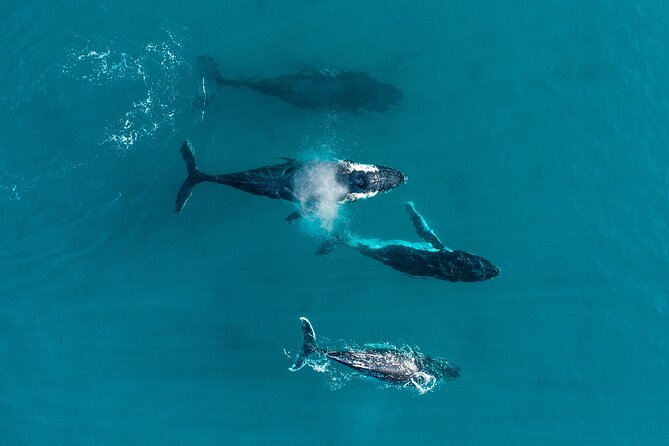
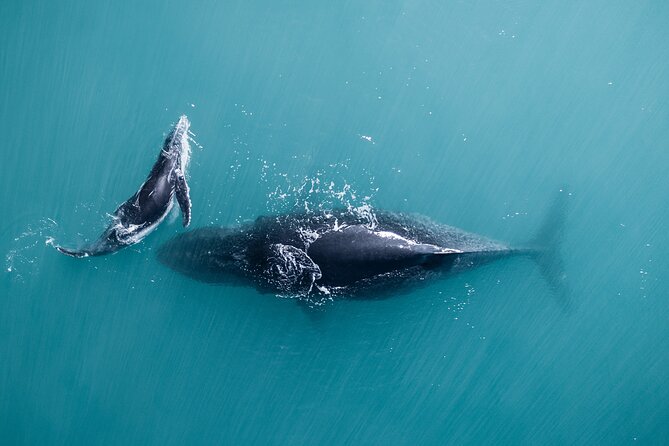
This is a straightforward whale watching outing: you depart from Hillarys Boat Harbour, spend about two hours on the water, and return to the same meeting point. The route is built around spotting Humpback Whales during their annual southern migration, which is typically September through the end of November along the Sunset Coast.
If you want a “do this, see something big, and still have energy for the rest of the day” kind of activity, this fits well. You’re not committing to a half-day or longer sea tour, and the short duration helps keep the experience focused.
One more practical win: pickup is offered, which cuts out a common hassle on beach-and-harbour tours. If you’re traveling without a car, that extra bit of ease makes a difference.
Getting aboard at the Rottnest Fast Ferries shop (and why that matters)
Your ticket redemption and meeting point is at Rottnest Fast Ferries, Shop/56 Southside Dr, Hillarys WA 6025. That’s useful because it keeps everything in one place at the tourism precinct, rather than spreading you across multiple piers or waiting areas.
The tour ends back at the meeting point too, so you’re not left guessing how to get home after the cruise. It also keeps the timing simpler: you’re mainly looking at pre-boarding time plus the cruise, then you’re done.
The operation runs with a maximum of 200 people, so you’ll have a decent chance at finding a good viewing spot—especially since the boat has multiple decks. It won’t feel like a tiny dinghy where everyone fights for space, but it also doesn’t read as a massive open-water event.
Air-conditioned comfort and the three-deck viewing setup
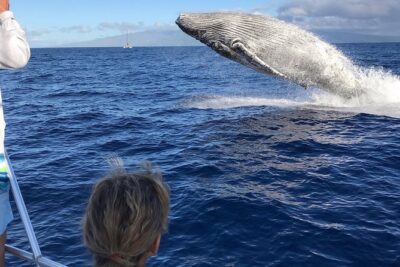
The big design choice here is viewing. This cruise gives you three viewing decks, which changes how the whale watching feels. When whales change position, surface, or breach, you’re not forced to line up on one side of the boat.
I like that the vessel is described as comfortable and air conditioned. That matters because whale watching often means bursts of excitement followed by quiet waiting, and you’ll appreciate having indoor comfort when the sea air turns cool.
There’s also large open deck space, which is important if you care about photos. You’ll have room to move and frame shots when whales come up close, instead of being trapped behind railings or in a too-crowded indoor area.
And yes, it’s wheelchair and stroller accessible. If you’re traveling with mobility needs or kids, that’s not an afterthought—it affects whether you can actually enjoy the viewing from where you can comfortably stand or sit.
The hunt for humpbacks: what the captain and crew are trying to do
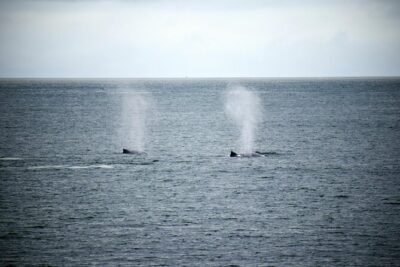
This outing targets the annual humpback migration, when you can encounter whales off the Sunset Coast. The goal is simple: find where the whales are active, then give the passengers time to watch them properly.
A key detail is that you’re taken to the whales by the pilot and crew after meeting your group and boarding. That means you’re not just cruising randomly while you hope for the best. You’re out there specifically to intersect with whale territory during migration season.
What I’d watch for on the day: the crew’s willingness to stay out longer when whales are spotted. Several experiences reflect crews making time so everyone gets a fair look, rather than rushing away after a quick sighting. When you’re paying for whale watching, that extra patience is part of what makes the value real.
Also keep expectations grounded. On the water, you can get close sightings—or you can end up with whales far off, or in rarer cases, none at all. That’s wildlife. Weather and whale behavior both steer outcomes.
Marine scientist commentary: turning sightings into real learning
You don’t just watch; you also get live commentary from a marine scientist onboard. That’s a major quality upgrade because it helps you spot patterns: where whales tend to surface, what different behaviors can mean, and why the timing of migration matters.
Some accounts specifically mention a marine biologist named Abby and live education delivered by an AQWA team member. That kind of guided interpretation can be the difference between seeing movement and understanding what you’re looking at.
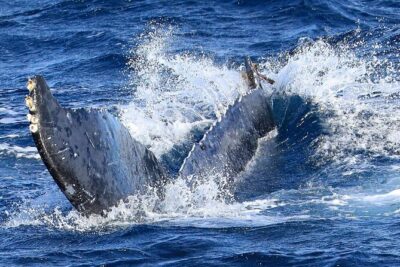
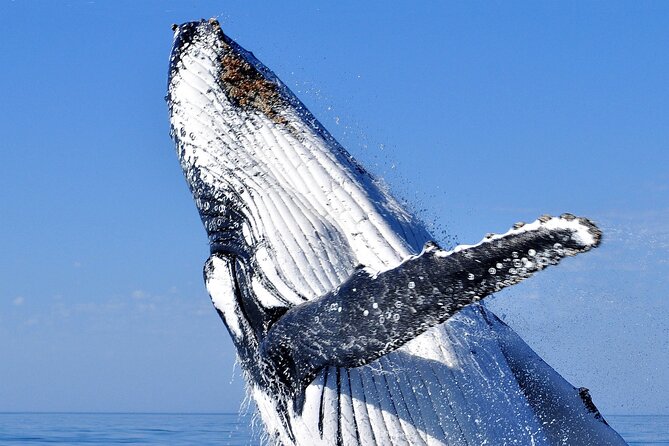
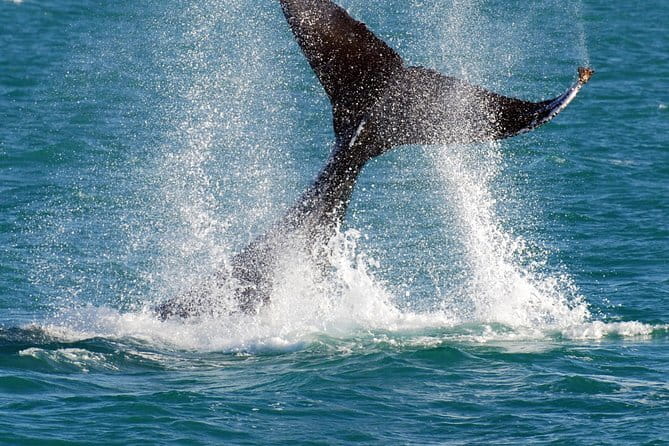
If you’re the type who likes details—tail slaps, breaching, and the way humpbacks behave when feeding or traveling—this is likely to feel satisfying, not just exciting. And if you’re traveling with kids, the commentary gives everyone something to focus on during the “waiting for the next cue” moments.
When the sea gets choppy: comfort, motion sickness, and what to bring
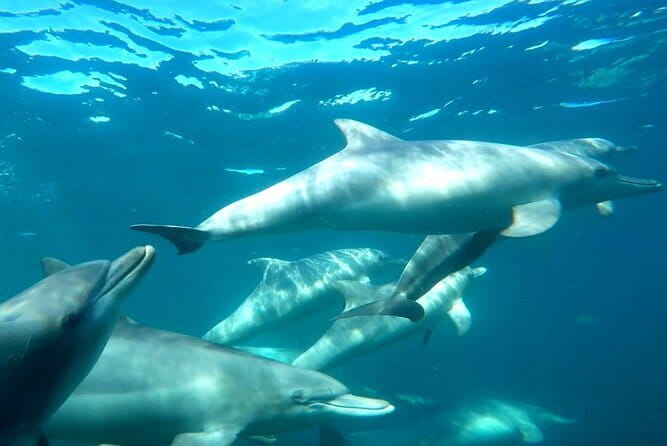
Let’s talk about the part nobody wants to hear, but everyone needs to know: the water can be rough. The cruise runs offshore enough that conditions can affect comfort, even when everything else goes right.
If you’re prone to motion sickness, take prevention seriously. Bring whatever works for you—many people rely on sea-sickness tablets and even ginger-based options for mild nausea. The good news: crews have been described as quick to help with cleanup and support if someone gets sick, so it’s not a “you’re on your own” situation.
Also, dress like you’ll be out on the ocean even if the day starts sunny. Wind can change fast near the waterline. Layers help you stay comfortable whether you’re on an open deck for photos or inside the air-conditioned cabin.
One more small comfort note: because you have three viewing decks, you can often switch locations if one side feels wetter, windier, or more exposed. It’s a quiet advantage when conditions aren’t perfect.
Photos and close-up moments: how to get the best shots
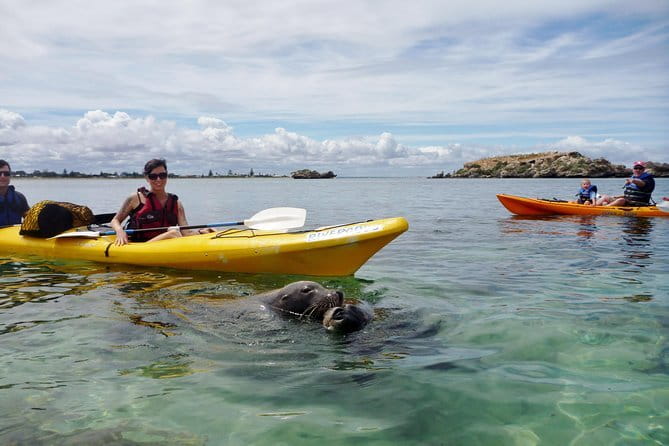
This cruise includes open deck space, which is exactly what you want for photography. When whales surface closer to the boat, you’ll be able to move for angles instead of standing frozen in one spot.
Aim for a simple strategy: be ready before you think whales are coming. Whale watching often runs in bursts—then long pauses. If you wait until you’re certain something is happening, you might miss the best moment.
If close sightings happen, keep your expectations practical. Even when the boat positions for a good view, whales still move, and the sea still moves. Your best odds come from using the different decks and staying attentive to crew calls and spotting cues.
Price and value: what you’re really paying for
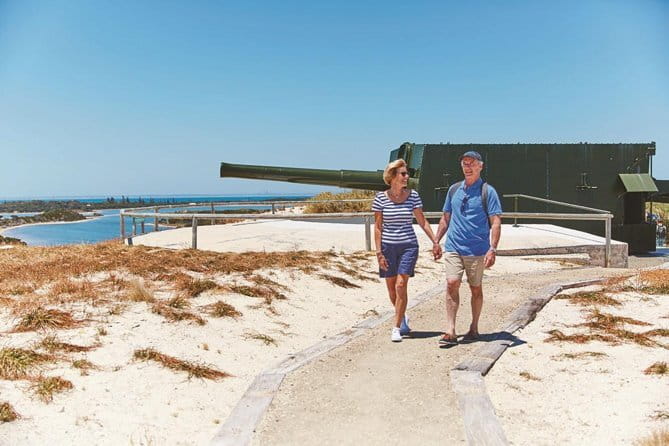
At €46.30 per person, this is not a bargain tour, but it also isn’t trying to be luxury-priced. The value comes from several things that add up when you’re on a short cruise: air-conditioned comfort, three viewing decks, and marine science commentary included as part of the experience.
The optional pickup also matters for value. If you don’t have a car, that can easily turn a mid-priced activity into a much cheaper-feeling one because you avoid additional transport costs and time pressure.
Food and drinks aren’t included, so plan ahead. If you’ll be hungry afterward, grab something before you go or plan a post-cruise stop. For the cruise itself, the ticket is focused on getting you out to where whales are and keeping the viewing experience strong.
Booking is typically made about 8 days in advance on average. If you’re traveling during peak migration season, earlier booking gives you better timing choices and reduces stress.
Who should book this whale cruise?
This is a great match if you want:
- A short, focused whale watching outing that still feels like a real excursion
- Plenty of viewing options with three decks so you’re not locked into one angle
- Live scientific commentary to make the experience more than just spotting animals
It’s also a solid choice for families thanks to the accessibility and the structured viewing. If you’re traveling with mobility needs or strollers, the accessibility details reduce friction.
If you’re someone who wants a guarantee of seeing whales every time, you’ll need to adjust your expectations. This is wildlife watching, not a theme-park show. The best approach is to pick a day with good weather and prepare for the possibility of distant sightings.
Should you book Australian Pinnacle Tours from Hillarys?
I’d book this if you care about comfort, viewing, and learning—not just the headline of whales. The combination of air-conditioned vessel, three viewing decks, and marine science onboard is exactly what makes a 2-hour cruise feel worth the money, even when conditions change.
I would think twice only if you’re extremely sensitive to sea motion and you haven’t planned nausea support. Choppy water can happen, and while crews handle it, prevention on your side makes the day much smoother.
If you’re going during September to late November, you’re also aligning with the humpback migration window. That’s the one factor you can control: timing.
When you’re ready, bring layers, bring your anti-nausea plan, and expect a thrilling mix of waiting and sudden excitement. That’s whale watching from the Indian Ocean.
FAQ
How long is the whale watching experience?
It runs for about 2 hours.
Where does the tour depart from?
The activity departs from the tourism precinct at Hillarys Boat Harbour, with ticket redemption at Rottnest Fast Ferries, Shop/56 Southside Dr, Hillarys WA 6025.
Is hotel pickup offered?
Yes, pickup is offered.
What kinds of viewing options are available on the boat?
The vessel has three viewing decks, so you can watch whales from different angles.
Is food or drinks included?
No. No food or drinks are included.
Is the boat air conditioned?
Yes. The boat is described as comfortable and air conditioned.
Will there be a marine scientist on board?
Yes. There is a marine scientist onboard for live educational commentary.
Is the tour accessible for wheelchairs and strollers?
Yes. The tour is wheelchair and stroller accessible.