REVIEW · VICTORIA BRITISH COLUMBIA
Victoria: 3-Hour Whale Watching Tour
Book on GetYourGuide →Operated by SpringTide Whale Watching · Bookable on GetYourGuide
Whales show up when you pay attention. On this 3-hour Marauder IV Ocean Cruiser in Victoria, you scan the Salish Sea for orcas and humpbacks with marine naturalists who can spot patterns fast. I love that the boat keeps you warm with a heated cabin plus a washroom, so cold weather doesn’t steamroll your enjoyment.
Even the teaching feels built for real wildlife spotting, not just a slideshow. I like the 360-degree walk-around viewing so you can shift positions as soon as a blow pops up or surfacing happens off to the side. One thing to consider: if you end up farther back, it can be harder to catch every word of commentary when the microphone isn’t loud enough.
In This Review
- Key Things You’ll Notice Right Away
- The Ocean Cruiser Setup: Marauder IV Comfort That Actually Works
- Meeting at 1119 Wharf Street: How to Avoid the Usual Victoria Confusion
- What You Learn About Orcas, Humpbacks, and Salish Sea Wildlife
- The 3-Hour Hunt in Plain Terms: From Leaving the Harbor to Returning with Stories
- Deck Strategy: Where to Stand for the Best Whale Views
- Comfort Extras That Add Real Value: Hot Drinks, Jackets, and Photos
- Wildlife Chances: Orcas, Humpbacks, and the Plus-On Animals You Can Actually See
- Price vs Value: Why $123 Can Make Sense for Victoria
- Who This Tour Fits Best (and Who Should Skip It)
- Should You Book SpringTide Whale Watching in Victoria?
- FAQ
- How long is the Victoria whale watching tour?
- Where do I check in for the tour?
- How early should I arrive?
- What’s included on board?
- What should I wear or bring?
- Is the tour suitable for wheelchair users?
- What language is the live guide?
- Can I change my plans if needed?
- What wildlife might I see besides whales?
Key Things You’ll Notice Right Away
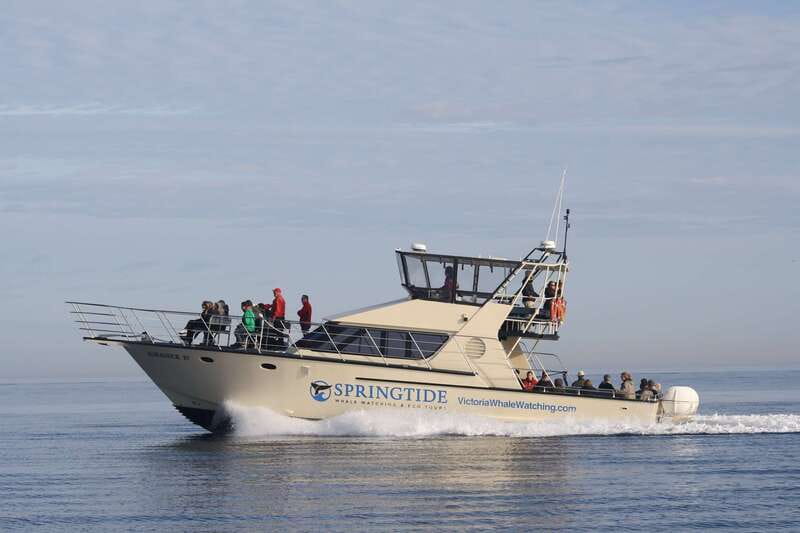
- Marauder IV has both covered and open decks with true 360-degree observation
- Heated indoor cabin + washroom make long cold waits outside easier
- Naturalists call out what you’re seeing (and in some cases, the specific whales they’re tracking)
- All-weather jackets and pants are available, which helps a lot on windier days
- Hot beverages + a photo package mean you can focus on spotting instead of fussing with your camera
- Check in at 1119 Wharf Street (not the dock) and arrive early so boarding stays smooth
The Ocean Cruiser Setup: Marauder IV Comfort That Actually Works
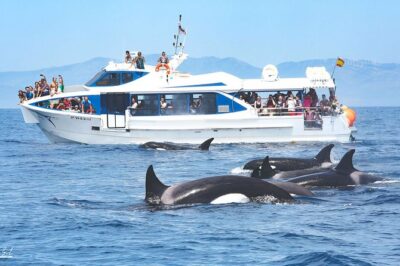
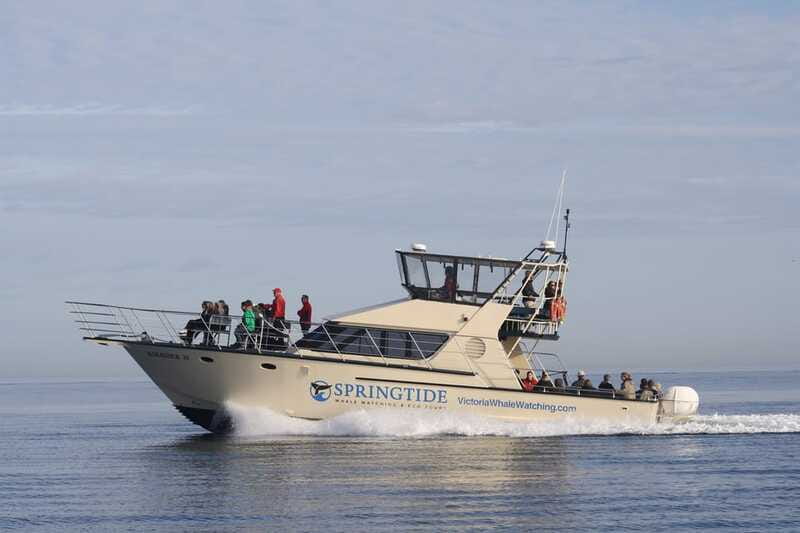
This is the kind of whale watching tour where comfort isn’t a luxury add-on. It’s part of the plan. The Marauder IV Ocean Cruiser runs as a motor yacht style boat with open and closed viewing, plus a heated cabin and a washroom.
That matters because whale watching isn’t one continuous sprint. You might cruise for stretches, then wait while someone spots movement, then rotate to the best angle when whales surface. A warm indoor space means you’re not miserable during the quiet moments.
You also get a real sense of movement around the boat. With multiple viewing decks and walk-around access, you can change your spot without feeling stuck. I found that helps your eyes adjust, too—your brain starts tracking where activity is most likely, not just where you’re sitting.
Meeting at 1119 Wharf Street: How to Avoid the Usual Victoria Confusion
Here’s the practical part that can make or break your morning: you check in at the office at 1119 Wharf Street, not at a dock. The building is street level on Wharf Street, between Fort and Yates Streets. Look for the whale sign above the entrance door.
Plan time like it’s summer in Victoria, because parking can be tight. You’ll want at least 30 minutes to find a spot, walk in, and get sorted before departure. One helpful detail: you should check in at least 30 minutes prior to departure, and that early buffer lets the crew move people to the boat without rushing you.
If you’re the type who likes to get bearings fast, this setup is good. You’ll know exactly where you’re going before you reach the harbor area, and you won’t be standing around guessing which dock matches your ticket.
What You Learn About Orcas, Humpbacks, and Salish Sea Wildlife
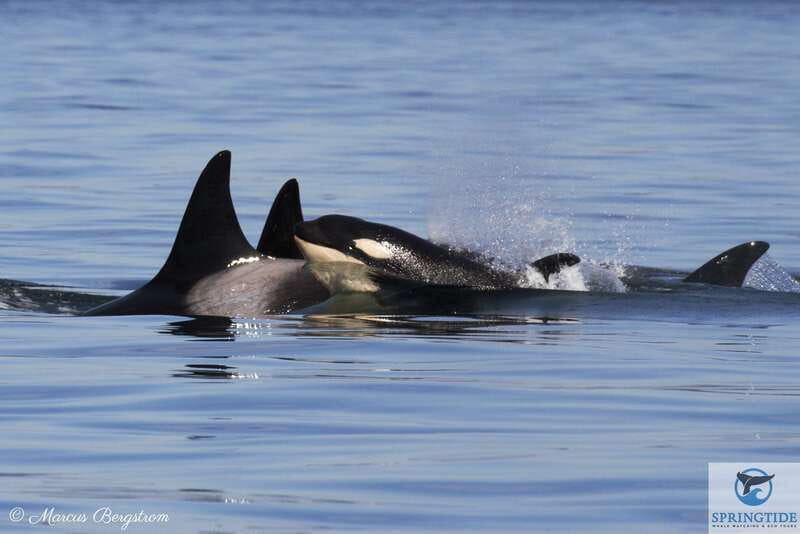
This tour isn’t only about spotting. It’s about understanding what you’re seeing. The guides are marine biologists/naturalists who explain the Salish Sea, whale behavior, and local marine mammals and birds—plus how British Columbia’s rocky coast shapes life in the water.
I like that the commentary connects moments to meaning. For example, when you see an orca pod moving with intent, the crew can talk through hunting and social behavior. When a humpback surfaces, you get context for why it’s there and what the behavior might mean in that moment.
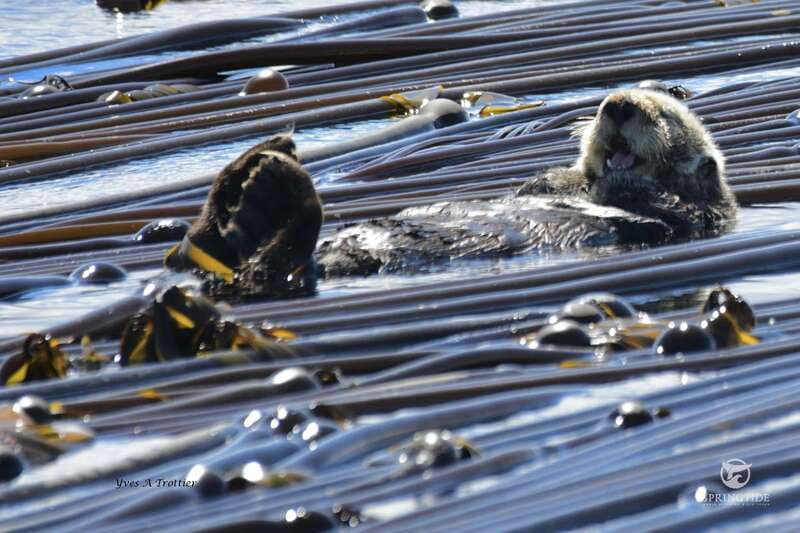
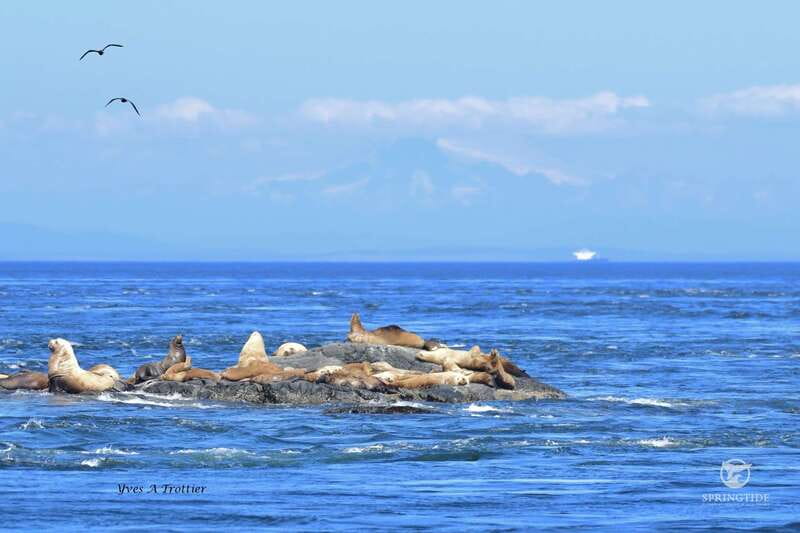
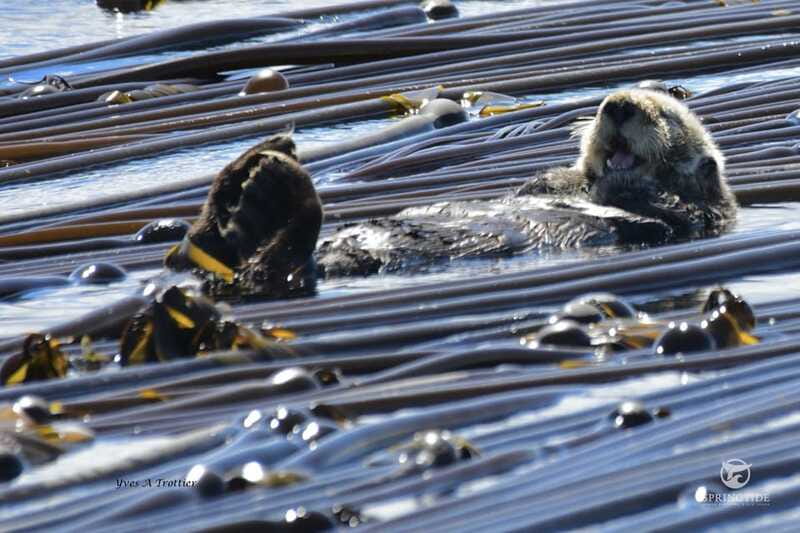
From the wildlife list, you should expect more than just whales. On the water you might also spot seals, sea lions, and porpoises, along with plenty of seabirds. Some days can include extra sightings too, like otters on land or other surprise wildlife during the return trip.
Also, the boat has an onboard sound system, so you’re not relying on shouting to hear the guide from across the deck. That said, I’ll repeat the tradeoff: if you’re toward the back and the audio isn’t coming through well, you may miss bits of phrasing. You can fix that by moving closer to where people are listening.
The 3-Hour Hunt in Plain Terms: From Leaving the Harbor to Returning with Stories
The timing is clear: you’re out for about 3 to 3.5 hours. That’s a sweet spot for whale watching because it gives you time to reach productive waters without eating an entire day.
The tour flow typically looks like this:
- Getting underway: You leave the harbor and start scanning for activity early. This is where you learn what to look for—blows, surfacing patterns, and how whales move relative to the boat.
- Searching with a purpose: As sightings are possible, the crew steers toward areas where their tracking and spotting tell them whales might appear.
- Peak spotting window: When whales are active, you’ll rotate viewing positions to keep the best angle. This is where the 360-degree deck really earns its keep.
- Return trip with extra wildlife checks: On the way back, you may see other marine life as you move through the same coastal region.
You’re not on a fixed itinerary with set “stops” you can check off like a museum tour. The “stops” are the moments—when you get closer to where the animals are, when you watch longer, and when you reposition to get a better look.
That flexible, wildlife-first pacing is part of why this tour works. When whales show up, you’re ready to notice what matters.
Deck Strategy: Where to Stand for the Best Whale Views
With a multi-deck setup, you have control. Don’t stay in one spot for the whole ride. Instead, use the boat layout like a tool.
My practical approach:
- Spend time outside when you can hear and see well. Watch from an open deck so you can catch the full picture—body movement, blow locations, and timing.
- Use the heated cabin as your reset button. When wind picks up, step inside for warmth, then come back out when activity ramps.
- Rotate to match what you’re seeing. Orcas and humpbacks don’t always surface in front of you. With walk-around access, you can follow the action without waiting for someone to relocate the boat.
One small but useful tip that shows up in how the crew works: some areas of the boat feel more stable, so if you’re sensitive to motion, you can ask where to stand or sit for comfort. The goal is simple—make the viewing easy on your body so your eyes can do the work.
Comfort Extras That Add Real Value: Hot Drinks, Jackets, and Photos
This is where the tour starts to feel like good value, not just “worth it if you’re lucky.”
Included perks help you enjoy the experience even when conditions are less than perfect:
- Complimentary hot beverages: You don’t have to choose between warmth and whale watching. You can sip something hot and stay on deck during active periods.
- All-weather jackets and pants available: This matters if you packed for a city walk, not open-water wind. Having gear provided reduces the risk of arriving underdressed.
- Heated cabin: If clouds roll in or the wind cuts, you can warm up without missing everything.
- On-board sound system: You’re more likely to follow the guide’s whale explanations from the deck.
- Photo package: You’re paying for professional documentation, not relying only on shaky zoom-in shots. Many people use this to remember the trip without spending the whole time composing pictures.
If you’ve ever gone whale watching and spent the entire ride cold and frustrated, these extras change the whole vibe. You end up staying focused on wildlife, not your discomfort.
Wildlife Chances: Orcas, Humpbacks, and the Plus-On Animals You Can Actually See
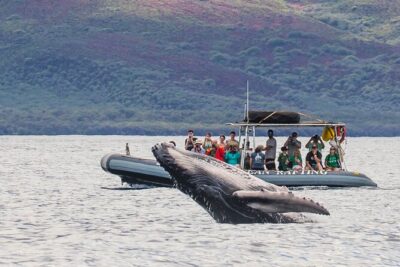
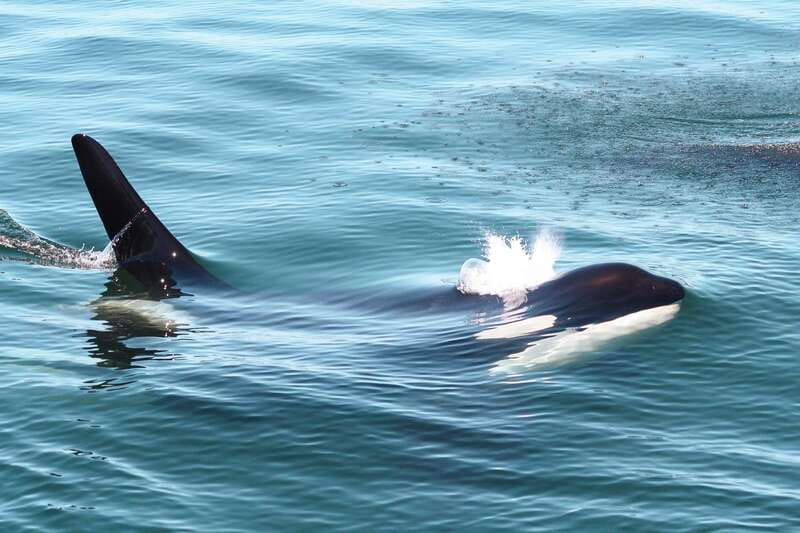
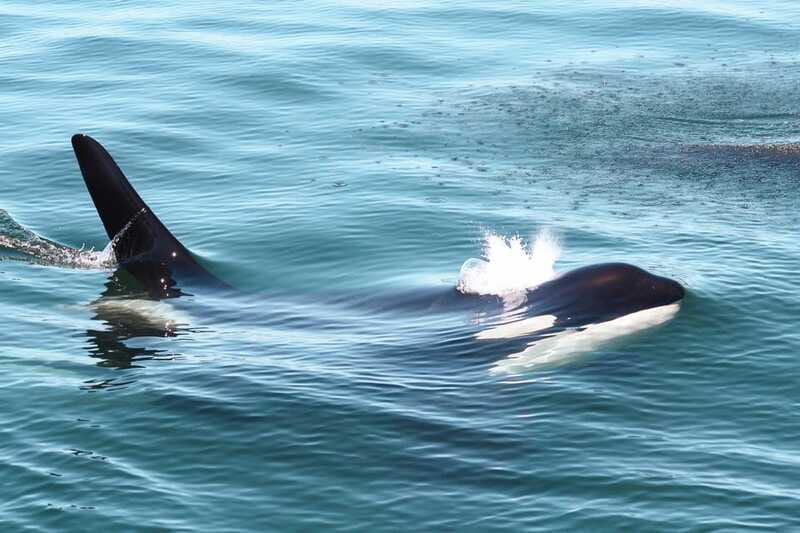
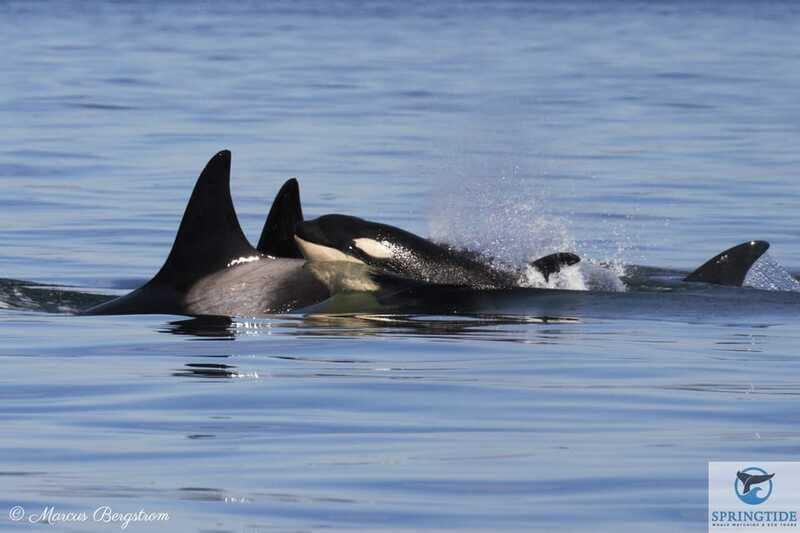
Orcas and humpbacks are the headline targets. The tour is built around the idea that you keep watch for orcas and humpback whales, and then you learn what makes each species behave the way it does in this region.
What’s important: you’re watching wildlife in the wild. You don’t control where they surface, and no tour can promise a specific animal count. Still, the big advantage here is that the crew is actively searching and guiding you as sightings happen, so you’re not just passively waiting.
Beyond whales, the provided wildlife possibilities are strong: you might spot seals, sea lions, porpoises, and a wide variety of marine birds. Some days also include additional sightings during the tour, including land wildlife when conditions allow.
The best mindset is simple: treat whale watching like real nature. If you get orcas, you’ll learn why that’s special. If you get humpbacks, you’ll get a different kind of show. Either way, the crew’s explanations help you make sense of what your eyes catch in the moment.
Price vs Value: Why $123 Can Make Sense for Victoria
At $123 per person for about 3 hours, this isn’t a bargain activity. But it also isn’t priced like a bare-bones boat ride where you bring your own winter gear and hope for the best.
Here’s how I judge value on tours like this:
- You’re paying for expert naturalists who help you see more than just shapes.
- You’re paying for comfort that prevents weather from ruining your experience (heated cabin, washroom, provided gear).
- You’re paying for multiple viewing decks, meaning better odds of good sight angles.
- You’re paying for hot drinks and a photo package, which replaces time spent trying to capture every moment yourself.
If you want a whale watching tour in Victoria where you can stay warm, move around for the best view, and get real interpretive value, the price can feel fair. If you only want to be on the water and you’re confident you won’t mind getting cold or missing audio, you might compare with cheaper options. But then you’re giving up some of the “no-drama” comforts.
Who This Tour Fits Best (and Who Should Skip It)
This tour fits especially well if you:
- want orcas and humpbacks as the main targets
- appreciate a structured explanation while you watch
- get cold easily and want provided layers and a heated cabin
- like flexibility for viewing because you can walk the decks and reposition
It’s less ideal if you have mobility limits that make it hard to move around the boat, since it’s not suitable for wheelchair users.
It also seems family-friendly in practice, including families with children of different ages, because the guides focus on safety, spotting, and clear explanations.
Should You Book SpringTide Whale Watching in Victoria?
Yes—if you want a whale watching experience that balances excitement with real teaching and practical comfort. For me, the combination of heated cabin + provided all-weather gear + 360-degree viewing is what turns this into more than a gamble. Even when sightings vary, you’re still set up to have a good time on the water.
Book if:
- orcas and humpbacks are top priorities
- you care about learning while you watch
- you’d rather pay for comfort than fight the wind
Skip or reconsider if:
- you need wheelchair accessibility
- you only want minimal guiding and don’t care about indoor warmth, washroom access, or the photo package
If your goal is a Victoria whale watching tour that feels organized, comfortable, and built for spotting, this one deserves a spot on your plan.
FAQ
How long is the Victoria whale watching tour?
It lasts about 3 hours, with trips running between 3 and 3.5 hours depending on conditions.
Where do I check in for the tour?
Check in at 1119 Wharf Street (street level), between Fort and Yates Streets. You check in at the office, not at a dock.
How early should I arrive?
Check in at least 30 minutes before departure.
What’s included on board?
You get expert naturalists, an indoor heated cabin and a 360-degree outdoor deck, complimentary hot beverages, a washroom, all-weather jackets and pants (available), an onboard sound system, and a photo package.
What should I wear or bring?
Bring warm clothing and closed-toe shoes. Warm layers are a good idea because you’ll be outside on deck as well as inside.
Is the tour suitable for wheelchair users?
No. It’s not suitable for wheelchair users.
What language is the live guide?
The live tour guide is in English.
Can I change my plans if needed?
You get free cancellation up to 24 hours in advance for a full refund, and you can also reserve now and pay later to keep plans flexible.
What wildlife might I see besides whales?
You may also spot seals, sea lions, porpoises, and many marine birds, depending on what’s in the area that day.