REVIEW · VICTORIA BRITISH COLUMBIA
Victoria: Covered Whale Watching Adventure with Free Photos
Book on GetYourGuide →Operated by PRINCE OF WHALES · Bookable on GetYourGuide
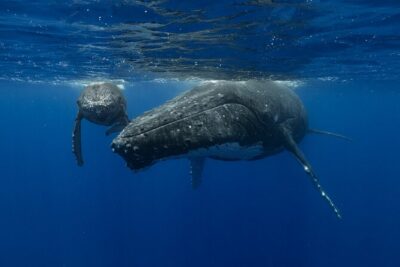
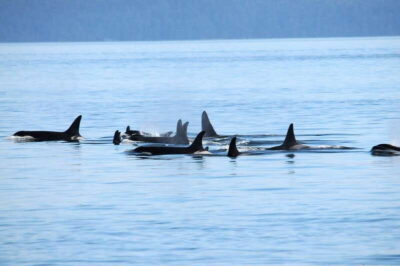
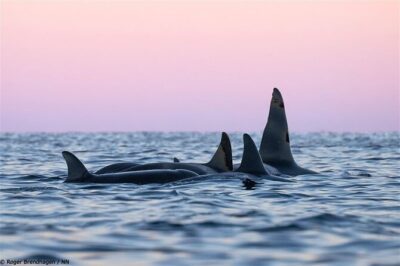
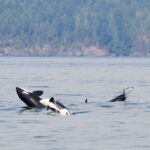
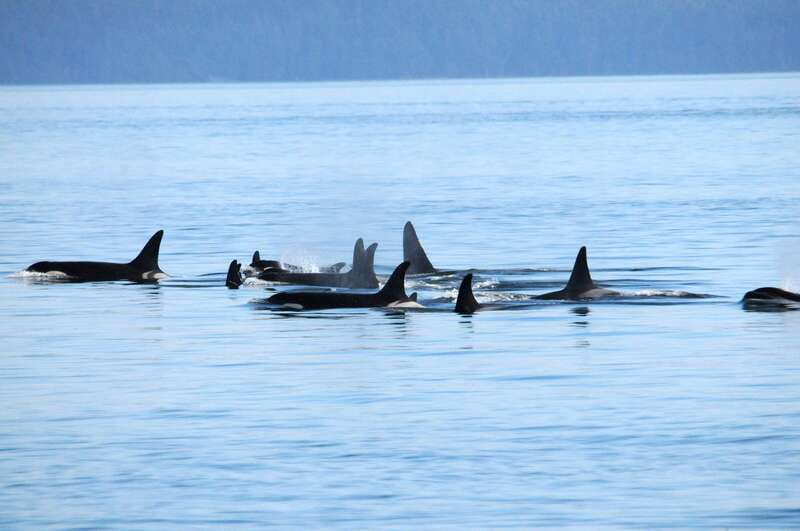
Orcas feel like they’re right there. On a guided whale watching cruise out of Victoria, you cut across the Salish Sea looking for orcas and humpback whales, with a captain who knows how to put you in the right viewing position (Salish Sea included).
I especially like the free photo package (so you can stop wrestling your phone while the whales do their thing), and the boat setup with an indoor heated cabin plus two open sundecks for those crisp, camera-friendly moments.
One possible drawback: it gets cold fast when you’re on deck, so if you show up underdressed, you’ll spend more time shivering than watching. Also, the experience is not suitable for wheelchair users.
In This Review
- Key Things That Make This Whale Cruise Worth Your Time
- Victoria Whale Watching That Doesn’t Feel Like a Bus Tour
- Meet at Wharf Street and Plan for a 4-Hour Float
- The Boat Setup: Heated Cabin, Two Sundecks, and Real Photo Spots
- What Happens After Boarding: Safety, Then Straight to Wildlife Searching
- Where You Sail: Haro Strait and Juan de Fuca Viewing Zones
- The Human Part: Marine Naturalists Who Actually Explain What You’re Seeing
- Wildlife Beyond Orcas: Sea Lions, Otters, Eagles, and Bird Action
- Free Photos: The Best Kind of Souvenir (Because It’s Not Just Whales)
- What You Should Bring (So the Cold Doesn’t Steal Your Focus)
- Price and Value: Why $149 Can Make Sense Here
- Who This Tour Fits Best (And Who Might Want to Skip)
- Quick Booking Check: Should You Pull the Trigger?
- FAQ
- How long is the whale watching cruise?
- What’s included with the free photo package?
- What animals might I see besides whales?
- Where do I meet for the tour?
- What should I bring to stay comfortable?
- Is hotel pickup included?
- Can I cancel if plans change?
Key Things That Make This Whale Cruise Worth Your Time
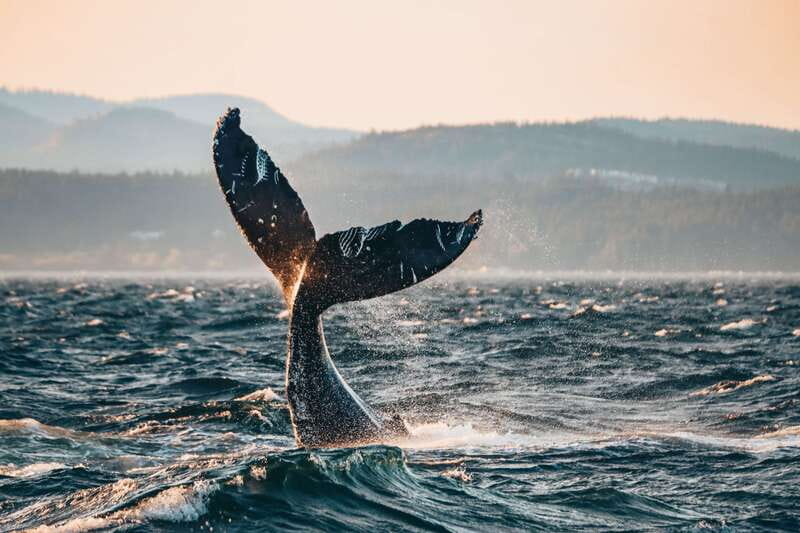
- Boat designed for whale watching with heated indoor space and open sundecks for photo angles
- Captain positions the boat parallel to animals, which really helps viewing and pictures
- Marine naturalists on board (up to 3) to explain what you’re seeing as you see it
- Free high-resolution photos sent after the trip so you can stay present
- Sighting guarantee with a return option if you don’t see whales that day
- More than whales: sea lions, sea otters, seabirds, and bald eagles often make appearances
Victoria Whale Watching That Doesn’t Feel Like a Bus Tour
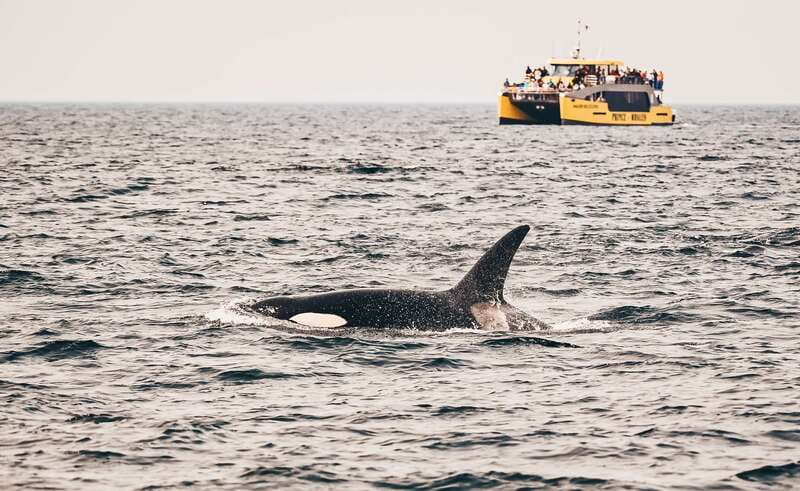
This is the kind of outing where you go for a single dream (orcas!) and end up surprised by the rest of the wildlife show. The Salish Sea area around Victoria is famous for a reason: you’re not just looking at “water.” You’re watching a living ecosystem, with whales surfacing, sea birds riding the air, and raptors cruising overhead.
The big win here is that it’s fully guided and purpose-built for wildlife viewing. You’re not left guessing. A crew member handles the boat positioning while marine naturalists keep you hooked with real-world animal behavior—what you’re likely to see next, and why.
Meet at Wharf Street and Plan for a 4-Hour Float
Your day starts at 812 Wharf Street, Victoria, BC. From there you board and settle in for a cruise that runs about 4 hours total (you’ll see starting times based on availability).
This matters because whale watching is not a “sit down and wait forever” activity. The crew actively searches within protected waters, then moves when conditions and animal sightings line up. That energy is part of the fun. It also means you’ll want to arrive ready to bundle up right away, not 30 minutes into the trip.
Also note what’s not included: there’s no hotel pickup or drop-off, so you’ll plan your own way to the meeting point.
The Boat Setup: Heated Cabin, Two Sundecks, and Real Photo Spots
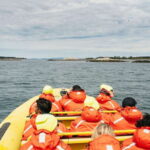
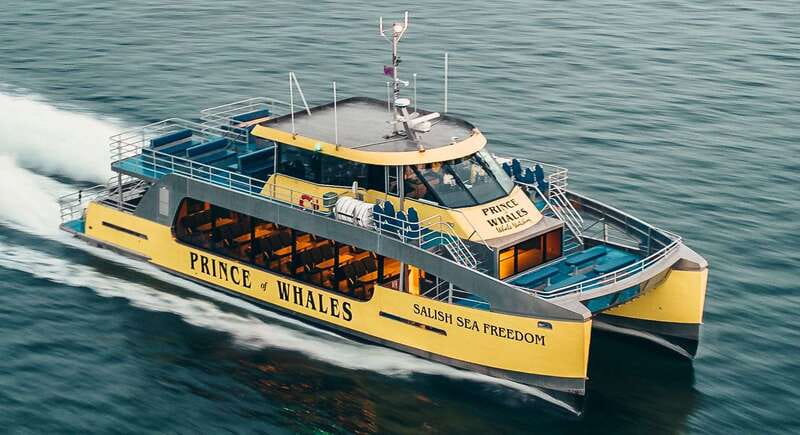
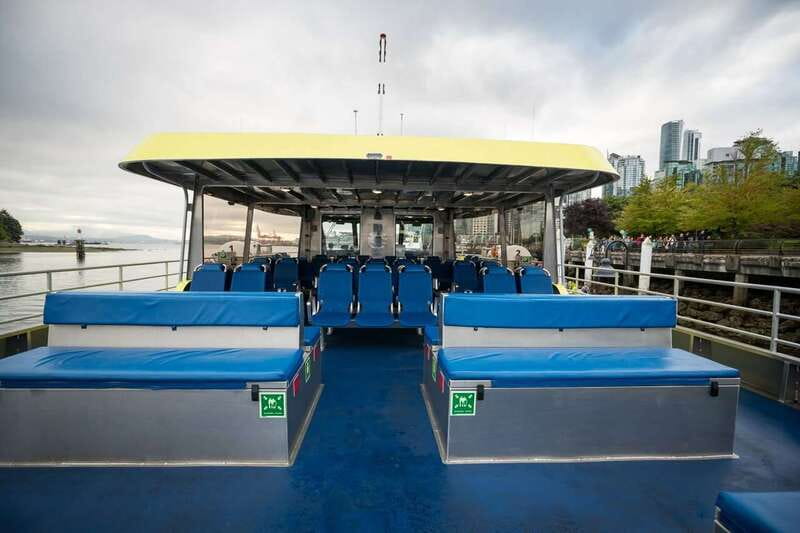
The boat is a catamaran-style design made for whale watching. Translation: it’s built for people who want to watch comfortably and still get good photos.
Here’s how the onboard layout helps you:
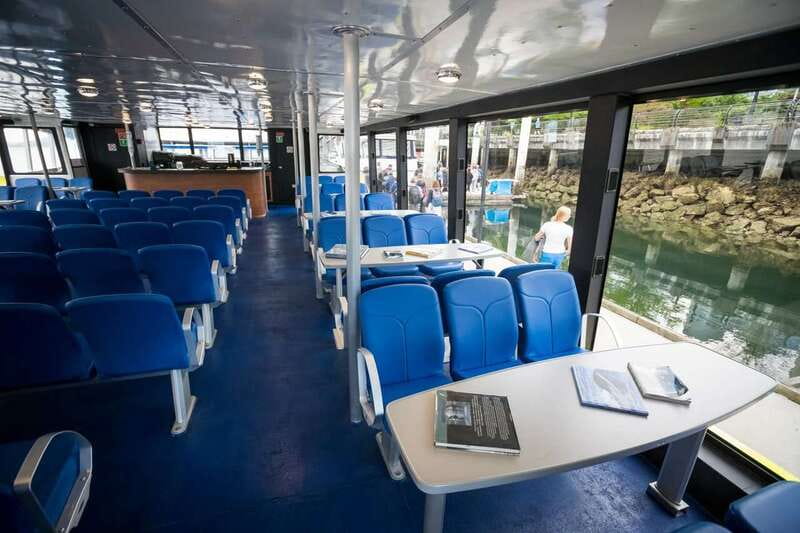
- Heated indoor cabin: When the wind cuts across the water, you can warm up without leaving the action behind.
- Two open air sundecks: This is where you’ll want to be for the best sightlines. The tradeoff is obvious—cold wind. Reviews are consistent on this point. Bring layers that work, not just a light jacket.
- Snack bar with snacks for purchase: You can grab something if hunger hits, but it’s not the meal-and-a-movie type of trip. You’re there for wildlife.
For people who care about photography, one detail really stands out: the captain aims to keep the boat parallel to the animals when sightings happen. That positioning reduces the “we’re angled away” frustration and makes it easier to capture clear moments—especially if you’re using a phone, a small camera, or even just your eyes.
What Happens After Boarding: Safety, Then Straight to Wildlife Searching
Once you’re aboard, you’ll get the onboard briefing and instructions. This is more than formality—it helps you move around the boat safely while you’re looking outward for blows, dorsal fins, and birds.
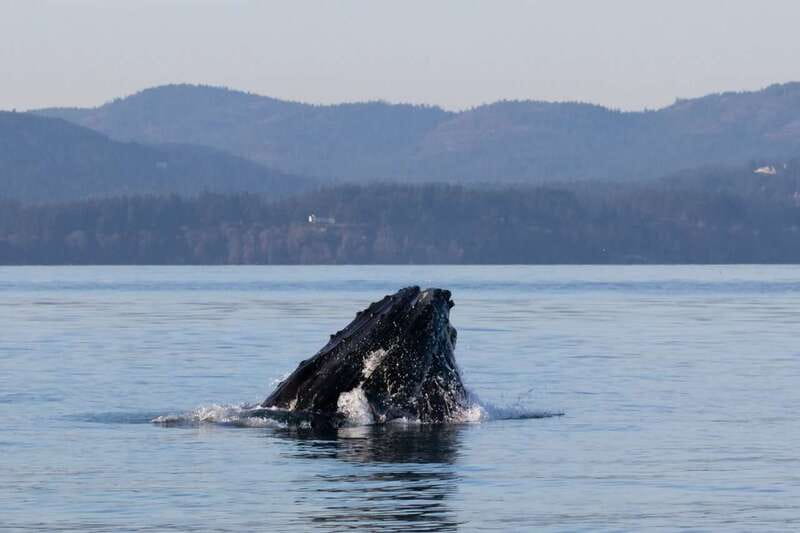
Then the work starts: the crew pushes through Strait of Juan de Fuca’s currents in search of orcas and humpback whales. The idea is simple. Whales aren’t on a schedule, so you’re sailing with a plan and adjusting fast when conditions and sightings line up.
You’ll typically get live commentary on board plus interpretation from marine experts. That means even if you don’t know a single whale term, you’ll start picking it up quickly—how to tell species differences, what behaviors can mean, and what to watch next.
Where You Sail: Haro Strait and Juan de Fuca Viewing Zones
Your cruise focuses on protected waters in the Haro Strait and Strait of Juan de Fuca area. The key point for you is that you’re not just roaming aimlessly. The captain and crew plan viewing stops within those waters, where wildlife sightings are more likely and viewing is more controlled.
During sightings, you’ll notice the crew’s timing and patience. It’s not rush-rush. The best whale moments often happen in bursts—surface, breath, movement, then a pause—so staying nearby matters. You’ll get chances to move between the indoor cabin and the sundecks, and you’ll learn where to stand depending on how the boat is oriented.
Some people are surprised by how quickly the time passes once the wildlife is active. When pods are engaged, you stop thinking about the clock.
The Human Part: Marine Naturalists Who Actually Explain What You’re Seeing
One of the most praised aspects of this trip is the people on board. You can hear it in the way guests describe the cruise: the crew combines safety and professionalism with a genuine love for the animals.
You might meet captains and officers like Capt. Michael or Capt. François, plus first mates such as Sandy. Naturalists named in reviews include Megan, Reid, Algebra, and Traben (and others). You don’t need to memorize names, but it’s useful to know the expertise is real and the team tends to communicate clearly.
What you’ll appreciate as a first-timer is the balance:
- they explain what’s happening in the moment
- they answer questions without making the trip feel like a lecture
- they help you spot wildlife beyond the main target
The tour description also mentions that you’ll have up to 3 marine naturalists, which gives you more angles of information—behavior, species ID, and ecosystem context.
Wildlife Beyond Orcas: Sea Lions, Otters, Eagles, and Bird Action
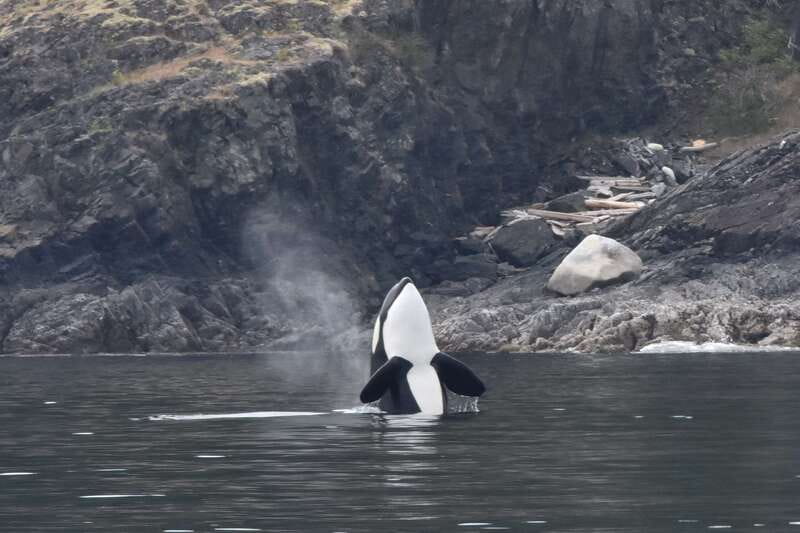
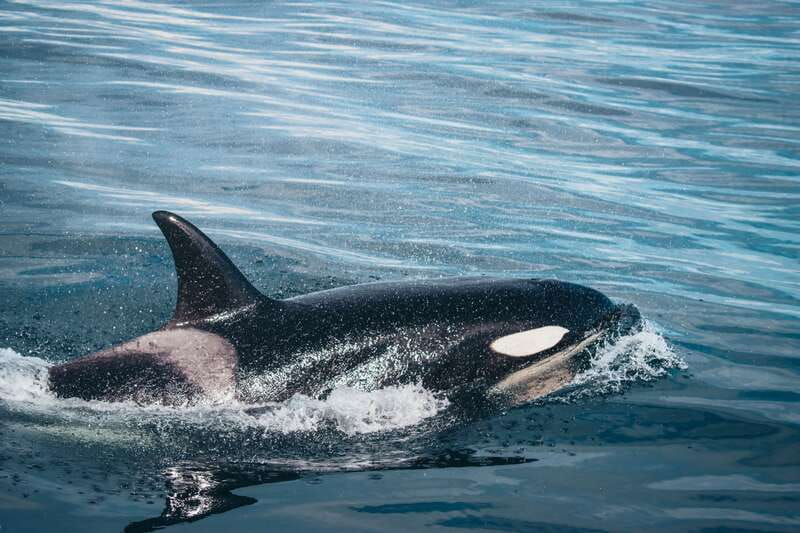
Yes, the whale watching focus is orcas and humpback whales. But the Salish Sea doesn’t only deliver whales. Many outings include other wildlife sightings, such as:
- sea lions
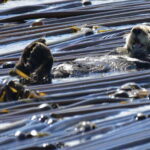
- sea otter
- bald eagles soaring overhead
- sea birds hanging around the viewing area
- other marine life, including reports of harbour porpoise
This is one of those “value boosters” you feel when you’re on the water. Even if whale activity is brief, the rest of the ecosystem keeps the trip alive.
And because the crew knows what to look for, you’re less likely to miss the smaller moments—like birds reacting to feeding activity or the subtle signs that a whale is about to surface.
Free Photos: The Best Kind of Souvenir (Because It’s Not Just Whales)
One reason people keep recommending this cruise is the free photo package. You get free high-resolution photos after the tour—of wildlife, the surroundings, and even your group.
This isn’t a “maybe we got one blurry shot” situation. Reviews mention the photos being sent afterward via email, and guests specifically call out the comfort of having professional images without needing to keep your camera out the whole time.
If you’ve ever taken ten photos of foggy water and zero photos of the animal you came for, you’ll get why this matters. With the boat positioning and the photo service, you can watch first and photograph second.
What You Should Bring (So the Cold Doesn’t Steal Your Focus)
The tour advice is clear: warm clothing and closed-toe shoes. That’s not optional in this region. Even on days that look mild from shore, wind on the water changes the temperature fast.
Based on practical tips people share, pack like this:
- layers you can add and remove
- a windbreaker if you plan to spend time on the sundeck
- a hat and sun protection (yes, sun still shows up)
- shoes you can move in on a boat deck
You’re also asked not to touch animals and not to bring baby strollers. There’s no alcohol and no drones (and no vaping or smoking). It’s the kind of rule set that helps keep the animals undisturbed and keeps the boat safer.
Price and Value: Why $149 Can Make Sense Here
At $149 per person, this isn’t a bargain-basement activity. But it can be good value once you add up what’s included and what you’re trying to get out of the day.
Here’s what you’re paying for beyond the boat ride:
- live commentary and guided interpretation from marine naturalists
- a crew team that actively positions the boat for viewing
- heated indoor cabin and sundecks so you’re comfortable enough to stay outside when it counts
- complimentary hot drinks (tea, coffee, hot cocoa)
- free high-resolution photo package
- a whale sightings guarantee with the ability to return if no whales are seen
That whale guarantee is important. Whale watching is weather and animal-dependent. Knowing there’s a return option reduces the fear you might feel when you book on a day that turns quiet.
So the real question isn’t only cost. It’s whether you want a guided experience where the crew does the hard part—searching, positioning, and teaching—while you enjoy the viewing.
Who This Tour Fits Best (And Who Might Want to Skip)
I think this fits best if you:
- have your heart set on seeing orcas or humpback whales in the Victoria area
- like learning about wildlife without turning the trip into homework
- want a boat experience that’s comfortable enough to handle cold weather
- care about photos, especially ones you don’t have to capture yourself
It might be less ideal if you:
- are wheelchair users (the tour is not suitable)
- have strong seasickness issues and haven’t tested your tolerance on boats before
- can’t dress warmly for open-deck viewing
Quick Booking Check: Should You Pull the Trigger?
I’d book this tour if whale watching is a “once-in-a-trip” priority for you and you want help from real experts plus photos that you’ll actually want to keep. The free photo package alone is a smart move if you’d rather be present than framing shots.
On the flip side, if cold wind and boats are your weak spots, plan to spend more time inside during rougher stretches and bring layers you trust.
If you want an orca-and-humpback day done with comfort, guidance, and strong photo value, this is a solid pick from Victoria.
FAQ
How long is the whale watching cruise?
The experience runs about 4 hours total. Starting times vary, so you’ll want to check availability for the schedule.
What’s included with the free photo package?
You get a free package of high-resolution photos taken during the tour, including wildlife and your group. The photos are provided after the experience.
What animals might I see besides whales?
You can see sea birds and other marine wildlife. Many outings also include sightings like sea lions, sea otters, and bald eagles.
Where do I meet for the tour?
The meeting point is 812 Wharf Street, Victoria, BC.
What should I bring to stay comfortable?
Bring warm clothing and wear closed-toe shoes. Dress for cold conditions on the water, especially if you plan to spend time on the sundecks.
Is hotel pickup included?
No. Hotel pickup and drop-off are not included.
Can I cancel if plans change?
Yes. You can cancel up to 24 hours in advance for a full refund.