REVIEW · OAHU
Waikiki Deluxe Catamaran Whale Watch
Book on Viator →Operated by Hawaii Nautical · Bookable on Viator
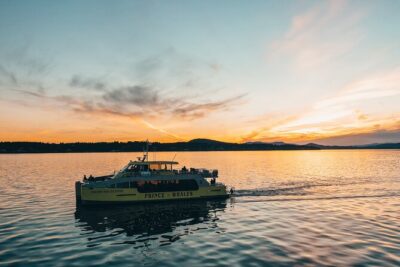
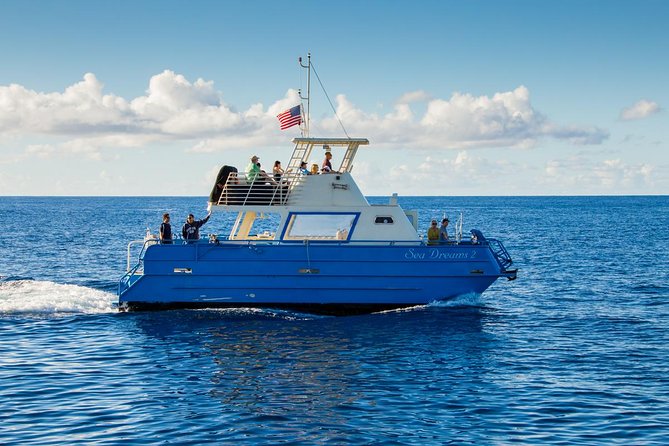
Whales off Waikiki can steal your show. This 2-hour catamaran cruise from Kewalo Basin is a fun way to hunt for humpbacks with onboard commentary and a crew like Captain Chris, who keeps things upbeat and grounded. I love the mix of open-air and shaded seating (so you can chase views without baking in the sun), and I also like the fact that you’re not just staring into the horizon—your captain and crew talk you through what you’re likely to see during the migration season.
One possible drawback: the experience can feel more like a cruise day than a nonstop “find whales at any cost” mission, especially when the water is choppy or humpbacks aren’t close. If you’re very seasick-prone, plan for that and dress accordingly.
In This Review
- Key Things You’ll Remember
- Kewalo Basin to Waikiki: where your whale hunt actually begins
- Catamaran comfort: seating, restrooms, and that included bar
- Humpback whales in Hawaii: what the crew looks for
- Food and drinks reality check: snacks, lunch, and what’s not included
- Time on the water, seasickness, and weather: your comfort plan
- Whale sightings aren’t controlled, but the re-ride policy is
- Who this tour fits best (and who should choose another style)
- The value question: is $89 worth it for Waikiki whale watching?
- Should you book this Waikiki Deluxe Catamaran Whale Watch?
- FAQ
- How long is the Waikiki Deluxe Catamaran Whale Watch?
- Where does the tour start and where does it end?
- Is pickup available?
- Is a mobile ticket used?
- What’s included on board?
- What if we don’t see whales?
- Does the tour run in all weather conditions?
- What language is the tour narration in?
- Are service animals allowed?
- Can I get a refund if my plans change?
Key Things You’ll Remember
- Shaded + open-air layout makes it easy to find your comfort zone during the 2-hour run.
- Premium bar included (cocktails, beer, wine, soda, juice) turns whale watching into a true Waikiki-style outing.
- Humpback education from the crew helps you spot behaviors like breaches, tail slaps, and blowholes.
- Whale sightings are the focus, but you’re not left hanging if humpbacks don’t show up.
- Kewalo Basin launch keeps your timing tight and your views focused on the Waikiki-side water.
Kewalo Basin to Waikiki: where your whale hunt actually begins
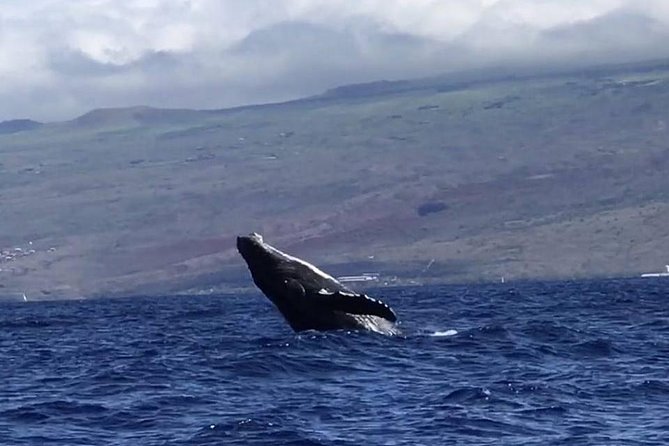
Your day starts at Kewalo Basin in Honolulu, and that matters more than it sounds. This is a practical launch point: you’re quickly out on the water, and you’re not spending half your trip just getting to the “real” ocean. The tour ends back at the same meeting point, so you keep the whole schedule simple.
There’s also a small-town feel to the boarding. You’ll meet the captain and crew, get settled on the catamaran, and hear the safety talk before you head out. This is when the crew sets expectations in a useful way. They don’t just say whales might appear. They explain the migration window, what humpbacks do when they arrive, and what to look for when the surface starts to get interesting.
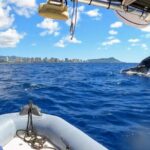
Then you’re moving through the water between the Kewalo-area start and the Waikiki side where you’ll spend your searching time. The big pay-off here is that you’re combining “vacation energy” with real wildlife-spotting. You’re not marinating in a glassy museum talk about whales. You’re out there watching the ocean change.
One practical note: you’ll likely be given a departure time and encouraged to arrive a bit early. With traffic and a short walk at some pickup locations, I’d treat “on time” as “give yourself a cushion.”
You can also read our reviews of more tours and experiences in Oahu.
Catamaran comfort: seating, restrooms, and that included bar
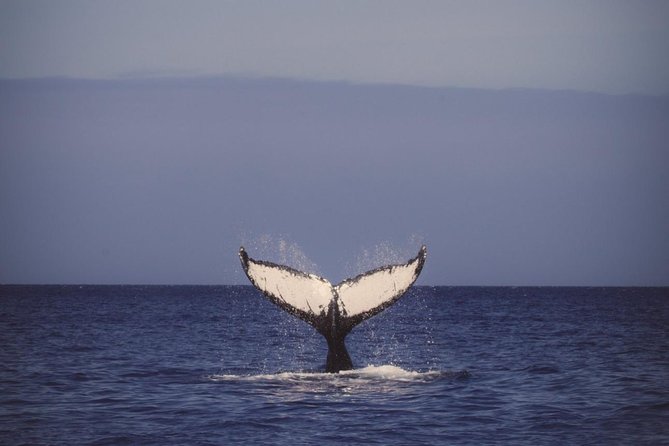
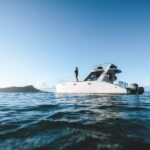
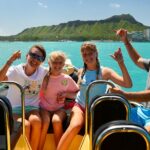
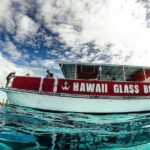
This tour runs on a sleek catamaran, and you’ll feel that difference immediately. You get a choice: shaded seating when you want to cool down and open-air space when you want to scan the horizon. That’s a surprisingly big deal for a whale watch, because your eyes need time to adjust. Too much sun glare can make distant spouts harder to catch.
You also get restrooms on board, which means fewer mental math calculations about timing and hydration. On a water outing, that’s not “nice.” It’s real comfort.
Now, the headline feature for many people is the bar. The tour includes a full premium bar with tropical cocktails, beer, wine, soda, and juice. Even when whales are slow, the vibe stays lively. Several people specifically mentioned how much they enjoyed the drinks on days when humpbacks didn’t show up.
Just go in with eyes open. This is not a quiet, library-style wildlife expedition. It can turn into a party cruise, especially if the seas are smooth and everyone is in a good mood. That’s not a flaw—it’s the style. But if you want a silent, reverent whale-watch atmosphere, you may want to temper expectations.
Also, watch for sweet cocktails if you’re sensitive to that. One guest noted the drinks could be sweet, which tracks with a tropical cocktail lineup.
Humpback whales in Hawaii: what the crew looks for
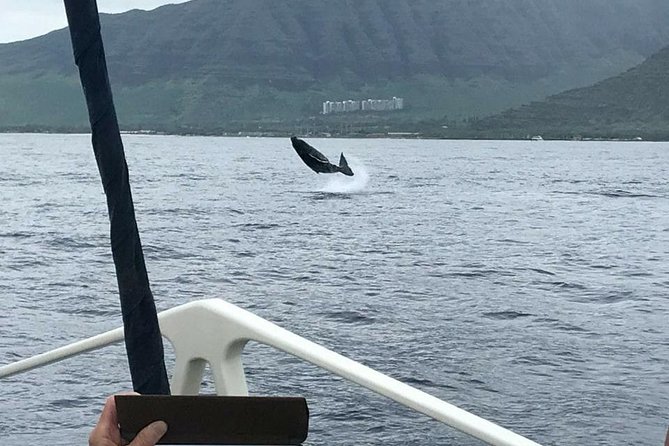
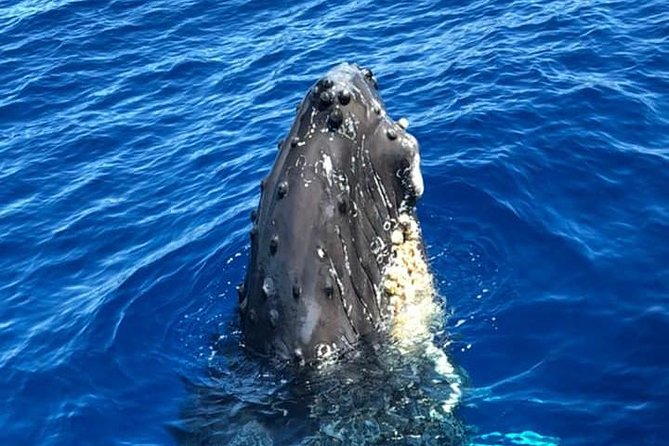
The crew’s job is to help you see humpbacks as more than a distant dot. They talk through migration timing and whale behavior, so you’re not only scanning for a spout. You’re learning patterns.
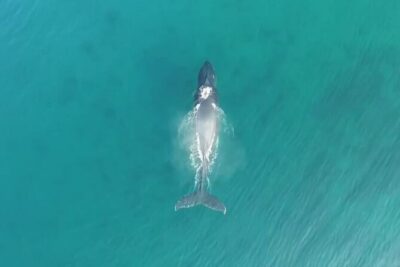
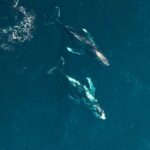
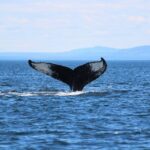
Humpbacks in Hawaii (they show up around December, based on what the tour explains) can be active in warm water. You’re listening for the moments when the ocean changes: a sudden surface disturbance, a spray that rises and spreads, or the telltale signs of feeding.
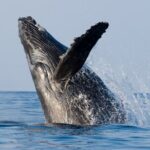
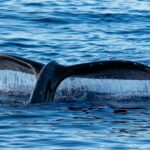
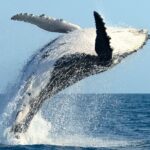
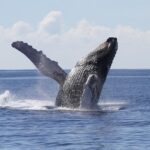
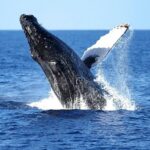
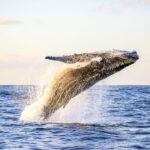
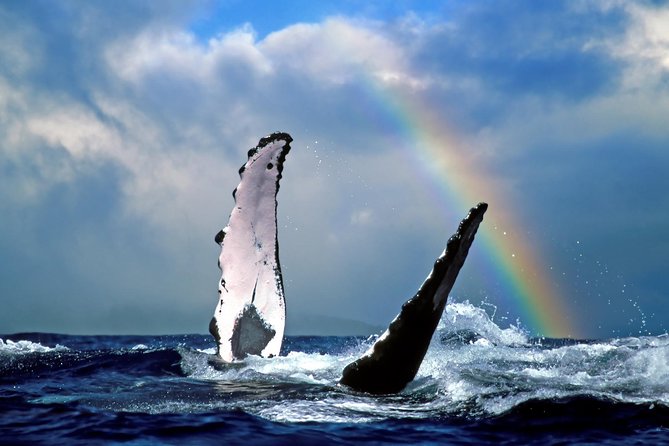
When the whales are close, you’ll likely hear excited calls around the boat—and you’ll see the behaviors that make humpbacks famous:
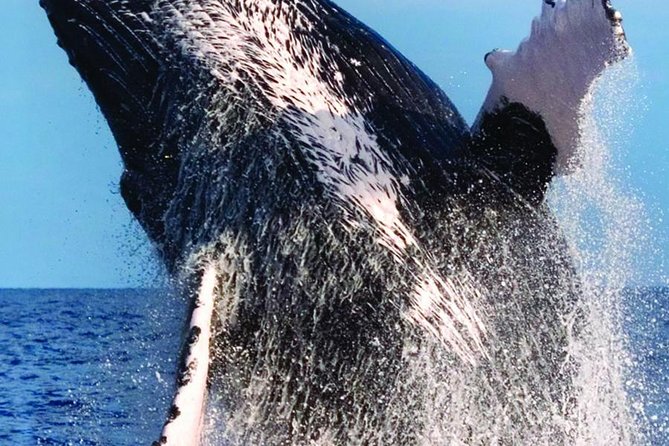
- breaching (the full splashy jump)
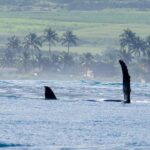
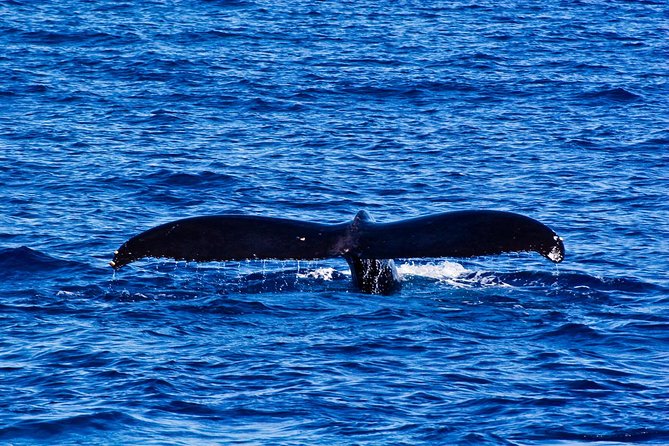
- tail slaps
- water spouting from blowholes
- feeding activity
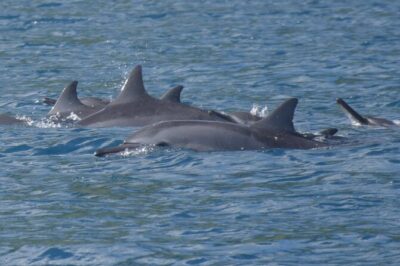
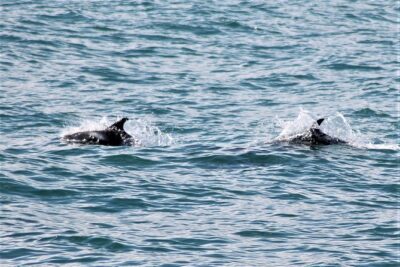
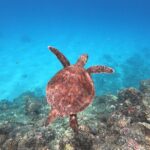
And yes, you might get other surprises too. On at least one departure, the crew reported pilot whales early in the run, plus sightings of turtles. Dolphins also show up on some trips. Those extras can’t be promised, but they’re common enough that it’s worth staying alert even if you’re not seeing humpbacks in the first minutes.
The best part of the instruction is that it trains your eyes fast. Once you know what the crew is watching for, you stop needing “perfect whales at perfect angles.” You start picking up smaller signals—like the direction a pod moves or how long a spout seems to linger before disappearing.
Food and drinks reality check: snacks, lunch, and what’s not included
You can bring your own lunch, and I recommend doing that if you’ll be hungry. The tour experience is set up for sailing and spotting, not for delivering a full meal service. You’ll get complimentary snacks and nonalcoholic beverages, but don’t count on a hearty lunch on board.
Some guests described what was available as snacks more than a real meal—things like packages of chips. So if you’re the type who gets cranky at the first sign of low blood sugar, bring a simple lunch.
Here’s the balancing truth: the bar is part of the included value, and many people use it as the comfort layer on a long search. But food-wise, treat this as a “pack a plan” outing. Eat before you board, or bring something you genuinely like and can eat comfortably while you’re watching water.
Alcohol is included, and gratuities aren’t. A 20% tip for the crew is customary and appreciated if you had a great time. On a boat, that’s one of the quickest ways to reward good spotting and good care.
Time on the water, seasickness, and weather: your comfort plan
The tour is scheduled for about 2 hours. Most days it lands close to that, but a few people noted it ran a bit shorter than advertised. I’d plan for “around two hours,” not “exactly two hours.”
The tour also runs in all weather conditions. Still, the ocean can be unpredictable. Some guests specifically warned that the catamaran can feel rocky if the seas are rough, and they suggested skipping it if you’re very seasick-prone. Catamarans usually help compared to some other boat types, but you’re still on open water. If motion affects you, take that seriously.
My practical advice:
- Wear layers you can adjust quickly (wind can change fast).
- Bring sunglasses with good grip so you’re not fighting them in breeze.
- If you’re prone to nausea, consider a standard seasickness plan before you leave shore.
Also, don’t underestimate how much “weather” affects whale spotting. Even when the tour goes out, visibility and whale proximity can shift with conditions. If seas are choppy, you may see less—and that doesn’t mean the crew isn’t trying.


Whale sightings aren’t controlled, but the re-ride policy is
Humpbacks are wild animals. You can do everything right and still come back with no whales.
This tour includes a big safety net: guaranteed whale sightings. If no whales are seen, you’re offered another trip on us as a free re-ride (the details say re-ride only). The idea is simple: you shouldn’t have to pay twice just because the ocean didn’t cooperate.
When humpbacks don’t show, the crew typically helps you make it right. Several people mentioned receiving vouchers and using them later. In some cases, the return ride turned into a great second chance—one family even doubled up and upgraded to a snorkeling option after their first whale-watching attempt.
One caution for planning: if you’re strict about dates and you’re trying to use your return option inside a tight schedule, keep your eye on how any future booking prices change. One guest said rebooking didn’t end up being an exact match in cost when trying to align with their vacation dates. That’s not the general promise, but it’s worth being aware of if you want a specific day and time.
Who this tour fits best (and who should choose another style)
This is a strong match if you want:
- Waikiki whale watching without a long bus-and-boat ordeal
- A lively, social outing with included drinks
- A crew that teaches you what you’re looking at, from whales’ migration to behaviors like breaches and tail slaps
- A plan B if whales are slow, thanks to the re-ride offer
It may be less ideal if you want:
- A quiet, minimal-noise wildlife experience
- A guaranteed humpback viewing at close range (no whale watch can actually promise that)
- A “no-stress” experience when you’re extremely seasick-prone
Also, keep in mind that group size can vary. The tour caps at 80 travelers, and on some departures it can feel much smaller, with plenty of room to stretch out and watch.
If you’re traveling with kids, this can work well. The boat is spacious, the crew checks in, and you may get dolphins or turtles along the way—bonus sightings can make the day feel like a win even without humpbacks.
The value question: is $89 worth it for Waikiki whale watching?
At $89 per person, you’re paying for a 2-hour catamaran ride focused on humpback viewing, plus education and comfort. Where the value really shows up is in what’s included.
You get:
- a full premium bar (a major part of the onboard experience for many people)
- shaded and open-air seating
- restrooms
- narration from the crew
- a re-ride option if humpbacks don’t appear
If you’re the kind of traveler who would otherwise buy drinks and snacks on Waikiki, this package can feel like good math. And if you do see whales, you’re basically buying a guided wildlife moment with a fun boat setting.
If you don’t see humpbacks, the free re-ride can still save the day—especially if you have time to go again during your stay.
For the best outcome, do two things before you board: (1) eat something real or bring your lunch, and (2) mentally frame it as a whale-spotting search, not a guaranteed wildlife encounter every time.
Should you book this Waikiki Deluxe Catamaran Whale Watch?
I’d book it if you want an easy Waikiki-based whale watch with real onboard comfort and a fun vibe. The combination of catamaran seating, included bar, and crew-led whale spotting makes it feel like a complete outing, not just a ferry to nowhere.
I’d hesitate if your main goal is a silent, expert-only viewing experience or if seasickness will ruin the day. In those cases, pick a calmer day and come prepared—or consider a different style of wildlife tour.
If you do book, your smartest move is simple: bring or plan for food, dress for wind and motion, and let the crew do the scanning. When humpbacks surface, you’ll be ready.
FAQ
How long is the Waikiki Deluxe Catamaran Whale Watch?
It’s listed as approximately 2 hours.
Where does the tour start and where does it end?
It starts at Kewalo Basin, Honolulu, HI 96813 and ends back at the same meeting point.
Is pickup available?
Yes, transportation pickup is offered, but you must choose the pricing option with shuttle to be picked up.
Is a mobile ticket used?
Yes, the tour offers a mobile ticket.
What’s included on board?
The cruise includes whale-spotting narration, shaded and open-air seating, restrooms on board, and onboard snacks and nonalcoholic beverages, along with a full premium bar (alcoholic beverages are included).
What if we don’t see whales?
If no whales are seen, you can take a free re-ride trip.
Does the tour run in all weather conditions?
The tour is described as operating in all weather conditions. It does require good weather, so if it’s canceled due to poor weather, you’ll be offered another date or a full refund.
What language is the tour narration in?
The tour is offered in English.
Are service animals allowed?
Yes, service animals are allowed.
Can I get a refund if my plans change?
You can cancel for a full refund up to 24 hours in advance of the experience start time. If you cancel less than 24 hours before, the amount paid is not refunded.