REVIEW · MAUI
Whale Watching Maui: 2-Hour Small Group Raft Tour from Lahaina
Book on Viator →Operated by Dive Maui · Bookable on Viator
Two hours, and the ocean turns on. What I like most is the small group feel and the hydrophone setup, so you don’t just see humpbacks—you can hear them too. The main catch is that whale-watching depends on weather and whale behavior, so plan for possible reschedules if conditions get rough.
This is a winter humpback-migration trip with real structure: you head out to the Maui Nui whale sanctuary, where humpbacks come to mate and give birth. The best part is the tour’s confidence factor—there’s a guarantee you’ll see whales or you can take another trip for free—plus a crew that works hard to keep you in the right zone.
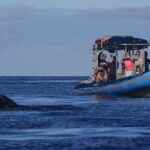
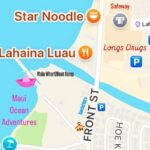
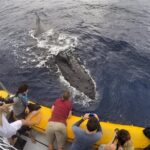
You’ll meet at the shop on Front St in Lahaina (1223 Front St) and spend about two hours on a custom-built inflatable raft. It’s family-friendly for most ages, but there are limits: no kids under 3 and no pregnant persons, and the maximum group size is 20.
In This Review
- Key things that make this whale watch work
- Humpback season in Maui Nui: what you’re really chasing
- Two hours on a small inflatable raft from Lahaina
- The hydrophone setup: hearing whales changes everything
- What the crew does: captains, marine naturalists, and fast answers
- Close-up moments you can hope for (without expecting guarantees)
- Rain ponchos, sunscreen, water: small extras that add up
- Price and value: is $80.60 a good deal?
- Weather realities: why delays happen (and what to do with that)
- Who should book this LaHaina raft tour—and who should pass
- Should you book this whale watching raft tour from Lahaina?
- FAQ
- What is the duration of the whale watching tour?
- Where does the tour meet?
- How big is the group?
- Is the tour family-friendly?
- What’s included for whale listening and comfort?
- What happens if the weather is bad?
Key things that make this whale watch work
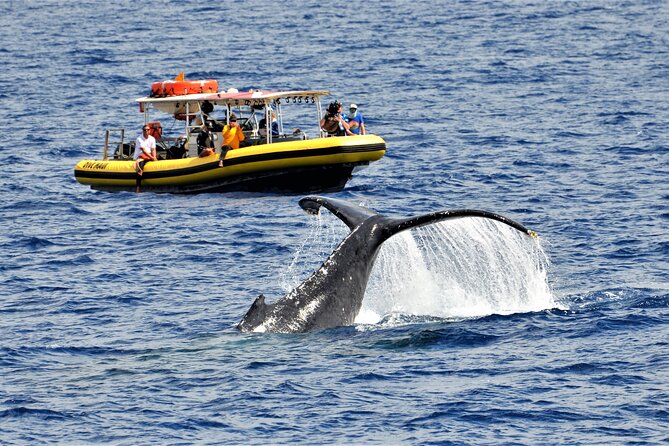
- Small-raft, more ocean view: the raft design gives 360-degree sightlines rather than everyone looking the same direction.
- Hydrophone + speaker whale songs: listen for calls right as whales are nearby.
- Maui Nui sanctuary focus: this is aimed at the mating and birthing grounds where humpbacks show up in winter.
- Whale guarantee: see whales or get to go again for free.
- Comfort extras: bottled/filtered water, rain ponchos on wet days, and reef-safe sunscreen.
- Team that handles questions: captains and marine naturalists (including names like Will, Joe, Brian, and Renee) steer the experience and answer what you want to know.
Humpback season in Maui Nui: what you’re really chasing
This tour is built around the humpback migration that happens each winter. The idea is simple: humpbacks move into the warmer waters around Maui to mate and to give birth, so this time of year gives you the best odds.
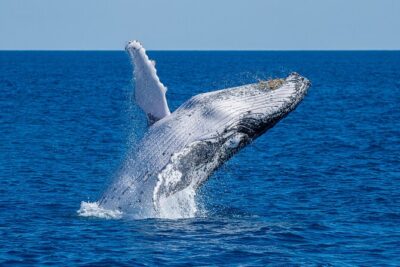
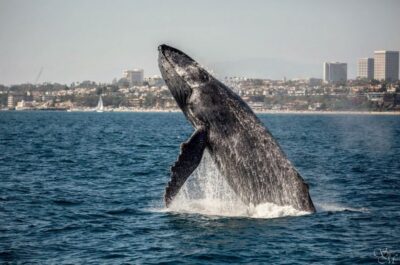
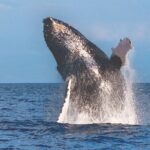
The Maui Nui whale sanctuary piece matters because it frames what you’re seeing. You’re not just drifting randomly offshore. You’re headed toward waters where humpbacks are expected to be active—mothers with calves, escort males, and the kinds of surface behaviors people come to see like tail or breach activity. Your results can vary day to day, but the target zone is the right one.
One thing I appreciate: the tour doesn’t promise every whale will put on a full show. Real wildlife doesn’t take requests. What it does promise is a whale sighting. That’s a practical difference. It sets the bar at something you can actually plan around—rather than making you hope for a specific stunt.
You can also read our reviews of more tours and experiences in Maui.

Two hours on a small inflatable raft from Lahaina
The tour runs about 2 hours, and you come back to the same Lahaina meeting point where you started. That short block of time is useful if you’re keeping your Maui schedule tight. It’s long enough to search effectively, but not so long that you’re stuck out there if the day turns gray.
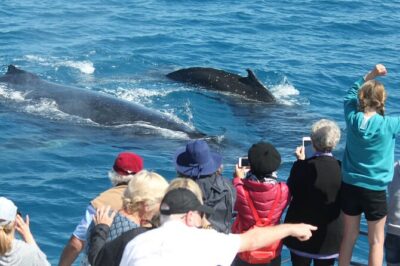
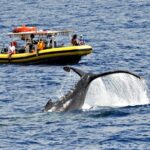
Small-group rafting is the big value lever here. Review after review points to the same theme: the raft is small enough that you get better viewing angles and don’t feel packed in. One review specifically mentioned about 8 guests onboard, which is exactly the kind of difference you feel. When the group is small, you spend less time craning around strangers and more time watching the water.
There’s also a comfort angle. An inflatable raft can feel more intimate than big-deck boats, especially when you’re scanning for tails and sprays. And because the raft is designed for viewing, you’re not stuck with your view blocked by the boat structure.
A possible downside: inflatable or small-boat trips can still be bouncy in chop. The tour includes rain ponchos for rainy days, but it doesn’t mean you’ll never get wet. If you hate the idea of seawater spray and salt air, dress like you’re going to the beach and assume you might get splashed.
The hydrophone setup: hearing whales changes everything
Seeing whales is amazing. But hearing humpback calls can turn a good outing into a wow moment.
This tour includes a hydrophone plus high-quality speakers, so you can listen to whale songs while you’re out on the water. It’s one of those extras that feels gimmicky until you actually hear it. Then you realize it’s the missing piece: whales aren’t just moving silhouettes. They’re communicating, and the sound adds a new layer to what you’re watching.
In a couple of reviews, people described the moment of hearing whale songs clearly for the first time. That tells me the audio setup is strong enough to make a real difference, not just a vague background noise.
Practical tip: bring a camera strap and make space for your hands. When you hear a call and a whale surfaces nearby, you’ll want to switch quickly between listening and filming. Having your gear ready prevents that last-second scramble.
What the crew does: captains, marine naturalists, and fast answers
A whale watch lives or dies by how quickly the crew can spot activity and then position you safely and legally.
This trip runs with an experienced captain and a marine naturalist, and that team runs the show in a way that shows up in reviews. Names that came up again and again include Will and Joe (captain roles) and Renee and Brian (naturalist roles). People consistently mention how their questions got answered right away and how the crew stayed focused on whale behavior rather than just giving generic narration.
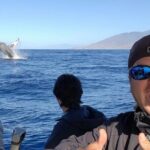
There’s also a real value in how the crew reacts. Several reviews described the captain moving the raft to keep pace with active whales, including close passes and repeated sightings. The goal isn’t to chase every rumor of whale activity; it’s to keep you in the right area as behaviors change.
One balanced note: even with a great captain, you’re watching wild animals. If whales are calmer that day, the show may be more subtle. Still, a strong crew can usually keep things interesting by finding multiple groups and staying alert for cues like tail movement and surface breathing.
Close-up moments you can hope for (without expecting guarantees)
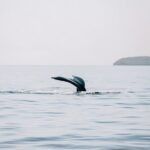
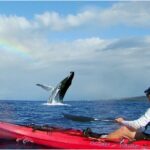
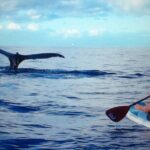
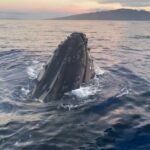
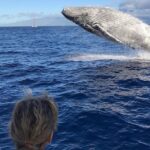
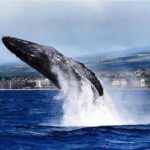
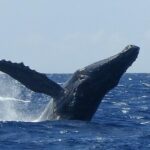
Most people book whale watching for the classic images: whales surfacing, calves near mothers, and the more dramatic behaviors when the animals are active.
From the reviews tied to this tour, the common wins are:
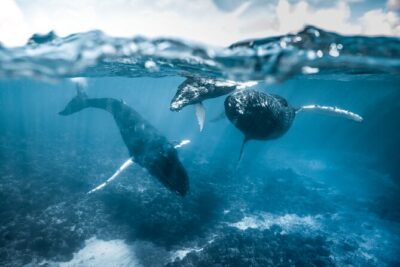
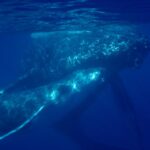
- Mothers and calves close by
- Jumping baby whales (when conditions and whale behavior line up)
- Multiple whale encounters during the two hours
- Sometimes, whales passing under the boat, which is exactly the kind of moment that feels surreal
That said, I’d encourage you to plan your mindset like this: your best outcome is whales doing a lot of visible behavior, but your minimum outcome is a whale sighting. The guarantee is built around that minimum.
Also, expect some variability. A negative review pointed out that a smaller vessel doesn’t automatically mean you’ll be closer than large commercial boats. That’s fair, and it comes down to legal distance rules that apply to all operators. A smaller raft can position well, but proximity is still dictated by regulations and whale choices.

Rain ponchos, sunscreen, water: small extras that add up
The tour is practical about comfort.
You get:
- Rain ponchos on rainy days
- Bottled water (and also filtered water with paper cups to reduce plastic waste)
- Reef-safe sunscreen
- A setup that includes the hydrophone and speaker system
These aren’t just nice-to-have points. They directly affect whether you enjoy the ride. When you’re out at sea in winter weather, staying warm and not constantly thinking about what you forgot is a win.
Reef-safe sunscreen is also worth noting. If you’re the type who cares about not wrecking coral ecosystems, you’ll appreciate that this tour is set up to reduce damage.
One more practical detail: there’s BYO alcohol, but no glass allowed. So if you bring drinks, bring them in a safe container—think cans or bottles in a bag only if the vessel accepts them. If you’re unsure, keep it simple and stick to water.
Price and value: is $80.60 a good deal?
At $80.60 per person, this isn’t the cheapest whale watch in Maui. But it can be good value if the small-group setup is what you want and if the included extras matter to you.
Here’s why the price can make sense:
- You’re paying for a small-raft experience with better viewing angles.
- You get hydrophone audio, not just people pointing and shouting whale facts.
- The tour includes comfort items (ponchos, water, reef-safe sunscreen).
- The whale guarantee adds risk protection. If you don’t see whales, you’re not just out the money—you can go again.
Where you might question the cost: if your main goal is maximum proximity no matter what, remember that legal distance rules apply to everyone. A smaller raft can improve your viewing experience, but it doesn’t rewrite the rules.
My advice: if you want a more personal, less crowded feeling—this is the type of tour that tends to deliver that. If you mostly care about the lowest price and can handle a bigger crowd and more standard narration, there may be cheaper options. But if hydrophone whale songs and a small-group raft are on your must-do list, $80.60 doesn’t feel out of line.
Weather realities: why delays happen (and what to do with that)
This activity requires good weather. That’s not a loophole; it’s ocean safety and whale-watching practicality.
If it’s windy or there’s rough water, the operator may reschedule or cancel. In the reviews, people described smooth communication and rescheduling when weather was the issue. That’s the best-case scenario: you’re informed quickly, and you can choose to reschedule or cancel based on your trip timing.
How you handle this: keep some flexibility around your whale watch day. If whale watching is your top Maui activity, consider scheduling it early in your trip window rather than at the very end. That way, if you need to swap dates, you’re not stuck.
Who should book this LaHaina raft tour—and who should pass
This is a strong fit if you:
- Want small group energy instead of a crowded boat vibe
- Care about hearing whale songs via the hydrophone
- Prefer a raft setup where you can scan in many directions
- Want a crew that spends time sharing what’s happening with whales and their behaviors
It may not be the best fit if you:
- Are very sensitive to choppy water and the possibility of spray
- Need a trip with no weather risk at all (this is an ocean activity)
- Have restrictions that apply to the tour: no children under 3, and no pregnant persons
- Are expecting guaranteed breaches or constant action. You’re guaranteed a whale sighting, not a specific performance.
Also, service animals are allowed, and most travelers can participate—so it’s broadly accessible for many visitors who meet the basic criteria.
Should you book this whale watching raft tour from Lahaina?
If you want a whale watch that feels closer and more personal than the big crowds, this one is worth serious consideration. The two strongest reasons: the small-group raft feel and the chance to hear whale songs through the hydrophone system. Add in the whale guarantee, and you get a tour that protects your time and money better than many “hope for the best” options.
I’d book it if your priorities are:
- a more intimate boat experience
- lots of searching for multiple whale encounters
- learning from the captain and marine naturalist (people mention staff like Will, Joe, Renee, and Brian)
I’d hesitate only if you’re chasing a guaranteed level of chaos in the air—like frequent breaches—or if you can’t handle the weather-dependence of ocean tours.
If you’re doing one whale watching outing on Maui, I’d put this on your short list—especially if the included hydrophone audio is a selling point for you.
FAQ
What is the duration of the whale watching tour?
The tour runs about 2 hours, and it ends back at the meeting point in Lahaina.
Where does the tour meet?
You’ll check in at the meeting point on 1223 Front St, Lahaina, HI 96761, at the Dive Maui / Hawaiian Rafting Adventures location.
How big is the group?
The tour caps at a maximum of 20 travelers.
Is the tour family-friendly?
It is described as family-friendly, but there are limits: no children under age 3.
What’s included for whale listening and comfort?
You get a hydrophone and speakers to listen to whale songs, plus water, rain ponchos on rainy days, reef-safe sunscreen, and filtered water with paper cups to reduce plastic waste.
What happens if the weather is bad?
The tour requires good weather. If it’s canceled due to poor weather, you’ll be offered a different date or a full refund.