REVIEW · OAHU
Whale Watching Cruise in Honolulu
Book on Viator →Operated by Prince Kuhio Tours · Bookable on Viator
Humpbacks off Waikiki are pure vacation fuel. I love the spacious upper deck for scanning the horizon, and I love the crew’s hands-on whale-spotting attention once they find action. The main thing to keep in mind: this trip depends on good weather, so rough/windy conditions can mean delays or cancellations.
You’ll set sail along the Waikiki coast and into the waters off Oahu, where wintering humpback whales (typically mid-December to March) come to feed and move through the warm shallows. At $45 per person for about 1 hour 45 minutes on the water, it can be a smart use of time—especially if you’re already in the Waikiki area and want a classic marine outing without a whole day plan.
One more consideration: if you deal with motion sickness, don’t ignore it. This cruise isn’t recommended for travelers with unmanageable motion sickness, and motion-sickness medication isn’t included—so bring your plan, not your hope.
In This Review
- Key Things I’d Focus On Before You Go
- Why Humpback Whales Off Waikiki Are the Main Event
- Prince Kuhio’s Upper Deck Setup: The Viewing Advantage
- From Ala Moana to Diamond Head Lighthouse: The Start That Sets the Tone
- The Waikiki Beach Stretch: Where You Actually Find the Action
- What Else You Might Spot Besides Whales
- Price and Value: What $45 Buys You in Honolulu
- Onboard Comfort: Seats, Drinks, and the Motion-Sickness Reality
- How to Maximize Your Whale-Spotting Chances
- When the Cruise Changes: Weather and Last-Minute Headaches
- Who This Cruise Fits Best (And Who Should Skip)
- Should You Book Prince Kuhio Whale Watching Off Waikiki?
- FAQ
- How long is the whale watching cruise?
- Where do I meet for the cruise, and where does it end?
- What’s the price per person?
- Do I need a printed ticket?
- What whales are in the area, and when are they most likely to be seen?
- What happens if the cruise can’t run due to weather?
Key Things I’d Focus On Before You Go
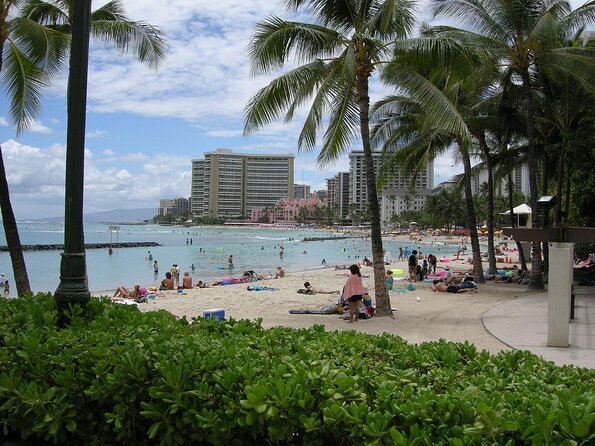
- Spacious upper deck for whale-spotting: open sightlines beat cramped seating when you’re trying to spot a blow from far out.
- Short, efficient 1h45 ride: less time commuting means more time watching water.
- Diamond Head to Waikiki routing: you start with iconic coastline views, then you move into the search zone.
- Crew guidance when whales appear: the captain and crew actively help people line up sightings.
- Season matters: your odds are strongest from mid-December through March when humpbacks winter nearby.
- Plan for weather: good conditions are required, and poor weather can change plans fast.
Why Humpback Whales Off Waikiki Are the Main Event
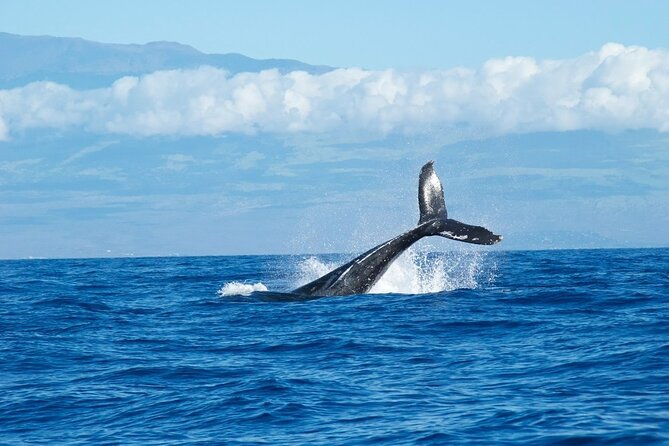
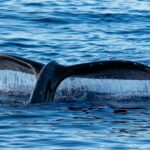
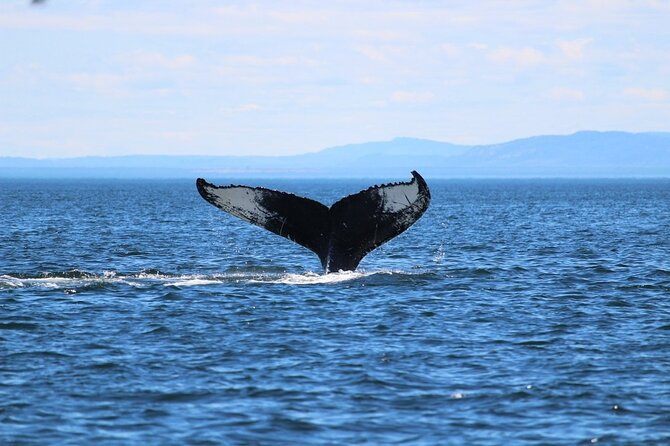
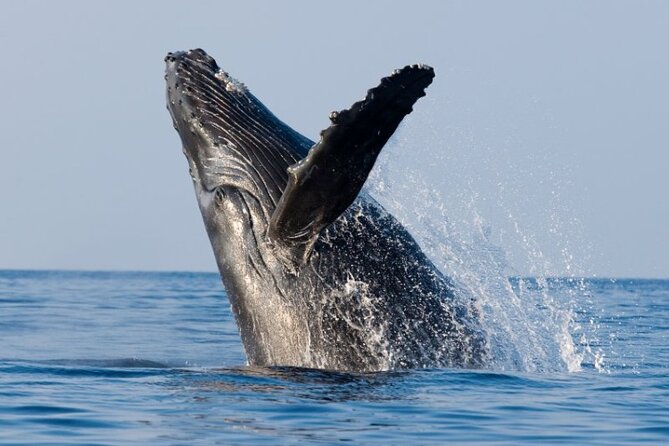
Honolulu whale watching is about one thing: seeing great whales doing whale things in their own world. In Hawaii, the big draw is humpback whales during their winter stay, when they’re around in warmer waters from mid-December through March.
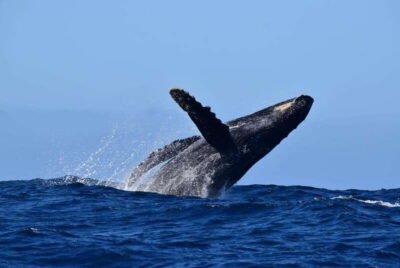
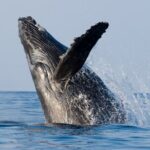
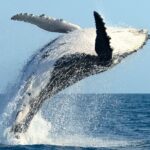
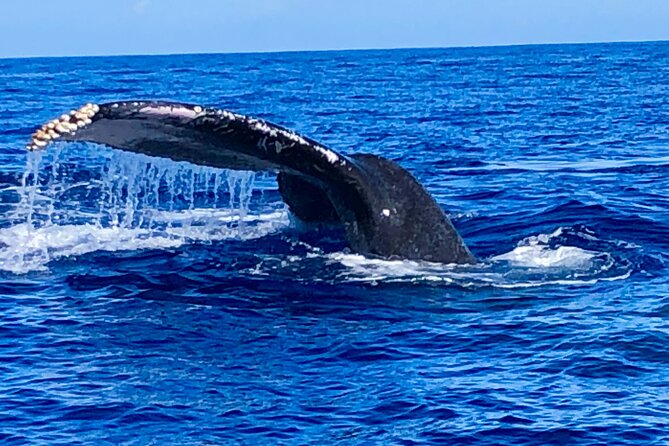
The payoff is not just a quick sighting. On a good trip, you can spot whales swimming, playing, feeding, and sometimes breaching, plus occasional dolphins and sea turtles in the mix. It’s the kind of experience that turns your brain off for a while—in a good way. You spend less time thinking about plans and more time tracking spouts and shapes on the surface.
When you book, just remember the reality of the ocean. Even in peak season, whales aren’t guaranteed. Some trips turn out quiet, and you still get a very nice boat ride with coastline scenery.
You can also read our reviews of more tours and experiences in Oahu.
Prince Kuhio’s Upper Deck Setup: The Viewing Advantage
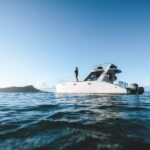
This cruise is built around the upper deck/outside seating experience, with seating capacity depending on the sailing. That matters because whales can surface at any angle and at different distances, and being higher up helps you scan wider.
A couple of things that stand out from real-world experience: the boat is reported as comfortable, and the crew comes across as friendly and customer-focused. When people feel cared for onboard, you’re calmer—and calm is great for whale spotting because you’re better at watching patterns instead of rushing to check every ripple.
You’ll also have on-board drink services, which keeps the vibe relaxed. It’s not a long haul where you need a full meal schedule. It’s more like: get out there, get eyes up, and let the captain and crew do their searching.
From Ala Moana to Diamond Head Lighthouse: The Start That Sets the Tone
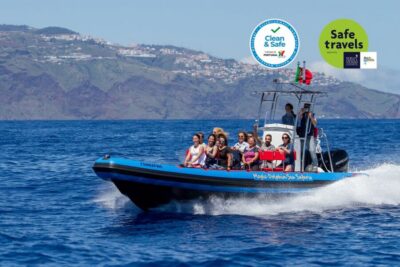
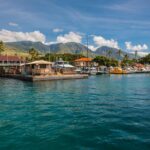
Your cruise starts at 1009 Ala Moana Blvd in Honolulu, with departures at 12:00 pm. It’s designed to be easy to reach, and the meeting point is near public transportation, which is handy if you don’t want to deal with parking stress.
The first stop is the Diamond Head Lighthouse area. Think of this as both scenery and orientation. Before you’re fully focused on whales, you get those classic views—Diamond Head is one of the most recognizable landmarks on Oahu, and it gives the trip an instant “I’m really here” feeling.
You also start building your whale-spotting habits right away. The ocean teaches patience fast: look at the horizon, watch for a spout, then keep scanning because the same pod might surface again nearby. By the time you move into the more active water, you’re warmed up.
The Waikiki Beach Stretch: Where You Actually Find the Action
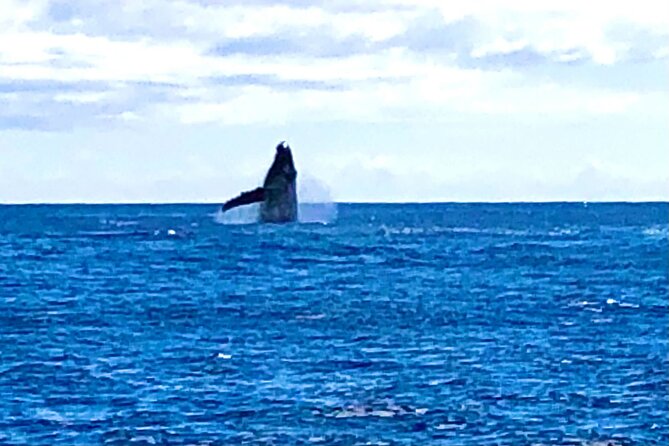
The next stop focuses on Waikiki Beach, and this is where your odds improve because it’s all about being in the right waters off Oahu.
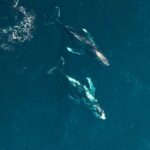
On a whale cruise, the “where” part matters just as much as the “what.” The captain’s route keeps you in sightlines that can deliver sightings, and the crew tends to help people line up when whales are spotted. In the best moments, you can see multiple pods and even surface behavior like breaching.
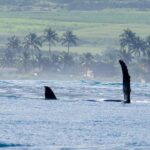
Still, distance can vary. Some trips have people seeing whales farther away than they hoped, and others have closer viewing moments (including reports of a mother and calf swimming relatively close). That difference isn’t something you can control, but you can control how you react—bring your patience.
This is also a good moment to remember the timing logic. A 1h45 cruise means you’re not waiting for hours. The search can feel intense because the clock is moving. Try not to spend the entire trip staring at one spot. Watch broadly, and let the crew point you when they find something.
What Else You Might Spot Besides Whales
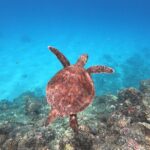
Whales are the headline, but they’re not the only wildlife you might see. The waters around Oahu can also show dolphins and sea turtles alongside humpbacks.
This matters because it keeps the trip exciting even if whale sightings are spaced out. If you’re traveling with kids or someone who gets restless on boats, that extra wildlife can be the difference between a “meh” ride and a memorable one.
One more practical note: wildlife spotting is partly luck and partly skill. The skill is mostly about scanning calmly and changing your viewing angle often—especially after you see a splash or spout. The ocean doesn’t announce what it’s about to do.


Price and Value: What $45 Buys You in Honolulu
At $45 per person for about 1 hour 45 minutes, you’re paying for time on the water plus the experience of scanning for whales from a proper vantage point. You’re not paying for a museum, a long bus ride, or a full-day itinerary.
Compared with tours that burn half your day in transfers, this kind of schedule can feel efficient—especially if you’re already planning activities around Waikiki and Diamond Head. The boat max is 100 travelers, which helps keep the feel manageable and gives you a real shot at finding a good viewing spot on deck.
There’s also a planning signal in the booking pattern: this cruise averages around 53 days in advance. That suggests it’s popular, and early booking can reduce stress. If whales are high on your priority list, I’d treat it like a top-choice activity rather than a last-minute add-on.
Onboard Comfort: Seats, Drinks, and the Motion-Sickness Reality
Comfort is not just nice—it affects your ability to enjoy the trip. The cruise offers upper deck/outside seating, and multiple reports highlight that the boat is comfortable and the ride can feel relaxing.
But let’s be honest: this is ocean time. The operator says it’s not recommended for travelers with unmanageable motion sickness. Also, motion sickness medication isn’t included, so if you’re the type who gets hit quickly, plan ahead with what you know works for you.
If you tend to feel fine on calm water but not in chop, consider this your decision point:
- bring what helps you (meds or non-med options you’ve used before)
- keep your expectations flexible
- be ready for the possibility that a windy day can shorten or change things
How to Maximize Your Whale-Spotting Chances
You can’t force whales to appear. But you can improve your odds and your enjoyment.
Here’s what I’d do:
- Choose upper deck time early so you’re settled before the search ramps up.
- Scan the horizon, not the water 3 feet from the boat. You’re looking for spouts that can be subtle at distance.
- Watch for crew cues. When whales are spotted, the captain and crew help people focus on what matters.
- Bring simple weather gear. Reviews mention a light jacket and sunglasses, which makes sense for sun glare and wind on the water.
Also, go into it with the right mental model. Whale watching isn’t a bingo card. Even on a great day, sightings can come in bursts, and sometimes the best viewing happens after a few calm minutes.
When the Cruise Changes: Weather and Last-Minute Headaches
This experience requires good weather. If conditions aren’t right, you’ll be offered a different date or a full refund.
That’s the official side. There’s also the real-world side that matters for your planning: some past departures were reported as canceled due to mechanical issues, and a few situations included major last-minute problems. The takeaway isn’t panic—it’s practical planning.
If you book this as a key activity, I’d keep a backup plan in your schedule for that same day or the next day. And if you’re the type who hates surprises, double-check on the day of your departure. Not because things always go wrong, but because ocean trips have more variables than land tours.
Who This Cruise Fits Best (And Who Should Skip)
This cruise is a good fit if you want:
- a classic Honolulu whale-watching outing without a full-day commitment
- great views from an open upper deck
- a group experience up to 100 travelers that still feels manageable
It’s also a solid choice for many vacation styles: couples, families, and anyone who wants a nature highlight near Waikiki.
Skip or be cautious if:
- you have unmanageable motion sickness
- you can’t handle the chance of a weather-driven change
- you need every minute to be perfectly timed and predictable
If whales are your top priority and you’re visiting during mid-December to March, this is exactly the season window you want to target.
Should You Book Prince Kuhio Whale Watching Off Waikiki?
My rule is simple: book if you’re going for the experience, not for control.
You should book this cruise if you want a whale-watching trip that:
- gives you open upper-deck viewing
- runs about 1 hour 45 minutes, fitting well into a Waikiki itinerary
- operates in the prime humpback season window (mid-December to March)
- includes drink services and crew attention when sightings happen
You might think twice if you:
- get sick on boats
- are traveling during a time when your schedule can’t absorb possible weather changes
- expect whales to be guaranteed at close range every time
If you do book, show up ready to watch, bring weather protection, and keep your day flexible. When conditions cooperate, the whole thing clicks into place: coastline views, calm time on the water, and the thrill of spotting whales in the wild.
FAQ
How long is the whale watching cruise?
It runs for about 1 hour 45 minutes.
Where do I meet for the cruise, and where does it end?
You meet at 1009 Ala Moana Blvd, Honolulu, HI 96813, USA, and the activity ends back at the meeting point.
What’s the price per person?
The price is $45.00 per person.
Do I need a printed ticket?
No—this tour uses a mobile ticket.
What whales are in the area, and when are they most likely to be seen?
Great whales, especially humpback whales, winter in Hawaii’s warm waters between mid-December and March. Dolphins and sea turtles may also appear.
What happens if the cruise can’t run due to weather?
The experience requires good weather. If it’s canceled due to poor weather, you’ll be offered a different date or a full refund.