REVIEW · GALLE
Whale Watching Mirissa with ( WWC )
Book on Viator →Operated by Whale Watching Club ( WWC ) · Bookable on Viator
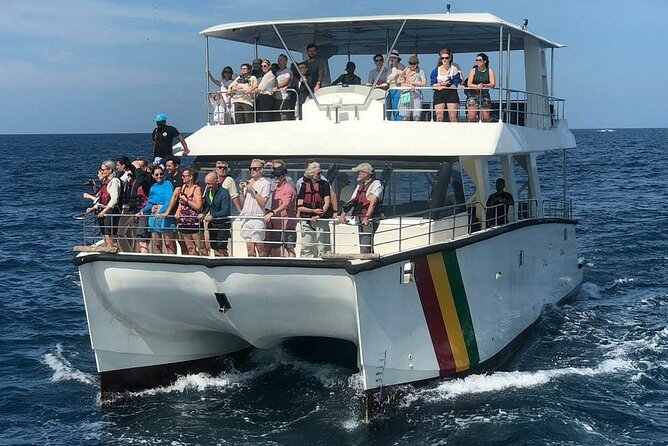
Dolphins start early; whales sometimes follow. This WWC Mirissa cruise runs about five hours, departing at 6:00am and focusing on wildlife viewing from their 60ft Queen Whale catamaran, with coffee, breakfast, snacks, and time to swim. The crew is led by captain Manoj, a long-time southern-sea skipper.
What I like most is the comfort-and-space setup. You’re limited to a maximum of 45 people, which makes it easier to move to the rail for spotting without feeling squeezed, and the vibe stays calm. I also like the way they frame the trip around ethical distance, saying they don’t chase or disturb animals, they just try to find them and let nature do its thing.
One drawback to go in knowing up front: whale sightings are only about 50%. So plan for dolphins as the reliable payoff, and hope the big ones show up.
In This Review
- Key highlights to know before you go
- Starting at 6:00am in Mirissa: why this early departure fits whale country
- Queen Whale and the comfort math: 45 people on a 60ft catamaran
- What you can expect to see: dolphins almost always, whales when the day cooperates
- Breakfast, tea/coffee, snacks, and the 30-minute sea-bath stop
- Ethical whale watching in practice: distance rules and no chasing talk
- Seasickness planning: the one thing you should not wing
- Price and value: what $55 gets you when it’s done right
- Who this tour suits best (and who should rethink it)
- Should you book Whale Watching Club in Mirissa?
- FAQ
- Where is the meeting point for Whale Watching Club in Mirissa?
- What time does the tour start?
- How long is the whale watching tour?
- How much does the tour cost?
- What boat do they use?
- How many people are allowed on board?
- Do they provide food and drinks during the trip?
- Is there a swimming stop?
- What are the chances of seeing whales and dolphins?
- What if weather is too poor to run the tour?
- Do they offer seasickness help?
Key highlights to know before you go
- Queen Whale comfort: a 60ft luxury catamaran (about 13 knots) with room that feels less crowded
- Captain Manoj’s experience: more than 25 years sailing the southern Sri Lanka sea area
- Sightings odds: dolphins are listed at 90%, whales at 50%
- Mid-tour sea-bath stop: about 30 minutes in the water; bring swim clothes
- Ethics-first approach: they emphasize no chasing and no hunting, following natural behavior
- Food and drinks on board: tea/coffee, breakfast, snacks, fruit, and more during the cruise
Starting at 6:00am in Mirissa: why this early departure fits whale country
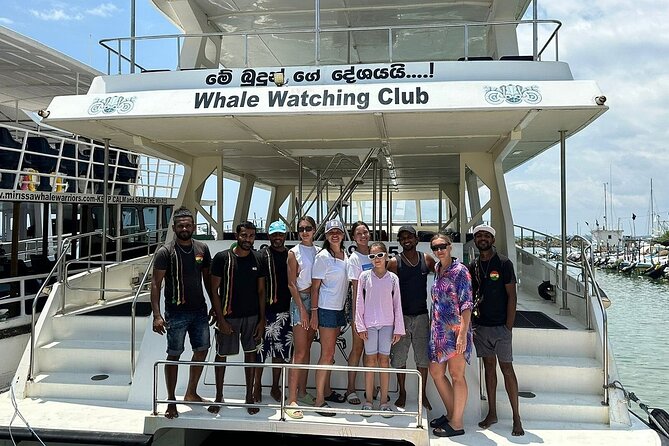
Mirissa whale watching is one of those activities where timing matters. WWC’s start time is 6:00am, and you’ll be back at the same harbor point after about five hours. Early trips tend to mean calmer light for spotting, and a better chance of being out on the water when pods are moving.
There’s also a practical reason to like an early start: you’re not burning your whole day just to sit in a harbor waiting. You’ll board, get refreshed, and then use the morning hours for searching. If you want to keep the rest of your day flexible—beach time, food, or a second activity—this schedule makes that easier.
One tip: because you’re starting so early, your best bet is to treat it like a morning run. Have your stuff ready the night before. If you’re bringing swim clothes for the sea-bath stop, don’t wait until you’re already at the dock.
You can also read our reviews of more tours and experiences in Galle.
Queen Whale and the comfort math: 45 people on a 60ft catamaran
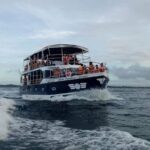
WWC’s main boat is the Queen Whale, described as a luxury catamaran around 60 feet long and 20 feet wide. It runs at speed (about 13 knots) and is powered by two Yamaha 385hp engines. That matters because it’s not just about comfort—it’s about repositioning. When you’re searching for wildlife, being able to move efficiently helps you spend more time where sightings are likely.
Capacity is where the comfort story gets real. They can fit up to 150 passengers, but they cap their tour at 45 people. In plain terms, you’ll have fewer bodies competing for deck space and rail views. That makes a difference when dolphins are actively playing near the boat and when you’re trying to spot a spout far off in open water.
From the way the crew runs the day, they also seem to understand that sea conditions can change fast. People appreciate a boat that feels stable and not overcrowded, especially when everyone is craning for a view. Add that onboard there’s a toilet, and the trip becomes more practical than a quick “ride out and hope.”
What you can expect to see: dolphins almost always, whales when the day cooperates
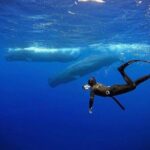
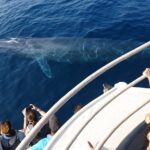
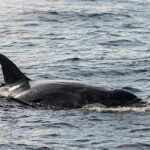
Here’s the part you should treat like your betting odds. WWC lists whale sightings at 50% and dolphins at 90%. That’s not a cute marketing line—it’s the core reality of Mirissa. The ocean isn’t a theme park. Big animals appear when they appear.
So what does that mean for your morning?
- Dolphins: This is the most consistent payoff. On some trips, you may see dolphins in active groups, even with jumpy, playful behavior that keeps everyone watching for long stretches.
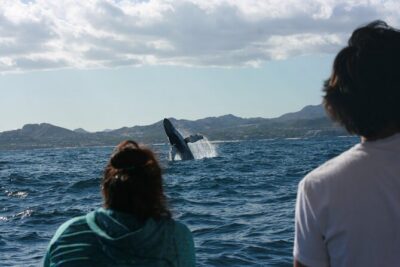
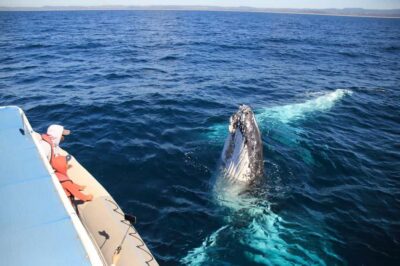
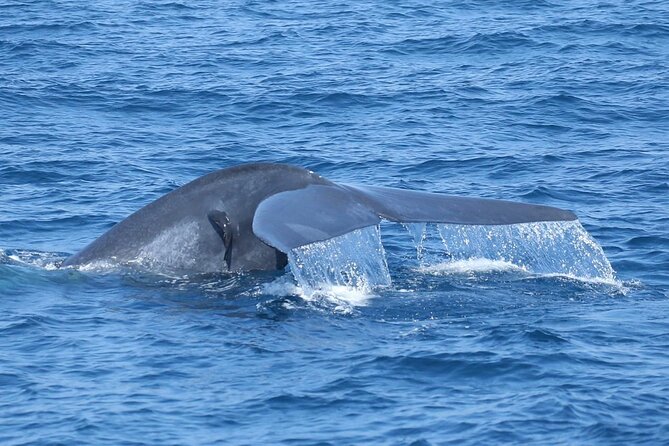
- Whales: If conditions line up and they find them, you might see large whales surfacing in the distance and sometimes more closely, depending on how the animals move that day.
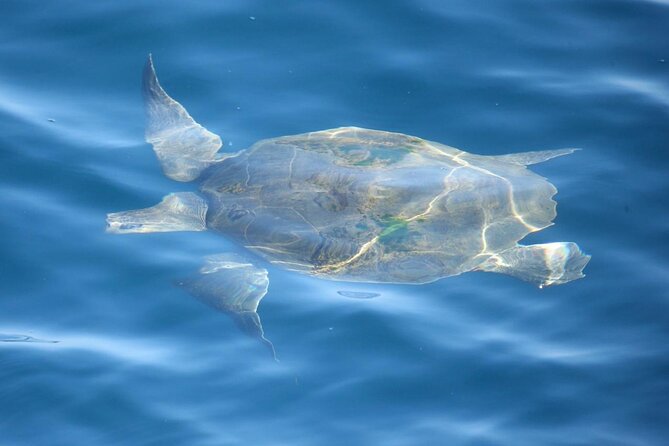
- Other marine life: It’s also possible to spot sea turtles and different kinds of rays and fish when you’re out there early and moving between sightings. Some days feel “wildlife-rich” beyond just whales and dolphins.
The biggest mindset shift: don’t treat whales as guaranteed. Treat this as an ocean safari where dolphins are the sure show, and whales are the bonus. If you go with that expectation, the trip feels fun even when whales don’t show.
Breakfast, tea/coffee, snacks, and the 30-minute sea-bath stop
This trip is designed so you’re not hungry while you’re hunting wildlife.
Once you board, you can expect tea and coffee, and then breakfast is served while you’re sailing. The food described includes things like fruit and soda later on, plus snacks such as sandwiches and roti-style snacks. There’s enough rhythm to the meal schedule that you don’t feel like you’re timing your eating around boat stops.
Then there’s the moment many people remember: the sea-bath. WWC says they stop mid-tour for about 30 minutes so you can swim. You’ll need to bring the right clothes, since you’re going from deck to water and back during that window.
A realistic tip: this isn’t a fancy “swim with the animals” situation. It’s a break from wildlife viewing to enjoy the ocean itself—so treat it like a safe swim break. If you’re sensitive to cold or uneven surfaces, wear footwear you trust.
And yes, it can be tempting to skip the swim if you’re feeling seasick or anxious. That’s fine. You’ll still get a full wildlife-focused morning if you stay onboard.
Ethical whale watching in practice: distance rules and no chasing talk
WWC’s approach is built around avoiding disturbance. They explicitly say they don’t chase whales and they don’t hunt animals. When a whale is spotted, they describe following natural behavior rather than creating pressure.
This matters because the “ethics” part is not just a moral claim—it affects the viewing experience. When boats move around aggressively, animals can change course, and your chances of a calm, long look get worse. With an ethics-first mindset, you’re more likely to see normal surfacing behavior and get time to watch.
The crew also has captain Manoj guiding the operation. His background is long—more than 25 years sailing southern Sri Lanka waters, and 13 years specifically in whale watching operations as a captain. That kind of experience tends to show up in two places: spotting patterns and managing boat behavior around wildlife.
If you’re the type who cares about not turning wildlife into a crowd event, this is a strong fit.
Seasickness planning: the one thing you should not wing
If you get motion sickness, plan for it. WWC provides seasickness tablets on board, and that’s a big deal because it means you’re not stuck with “hope it passes” logic. Still, the boat can roll on the waves, so your best move is to take prevention seriously.
I’d do it like this:
- If you’re sensitive, take your seasickness tablet before you’re even out on the water.
- Bring something simple for nausea management (ginger candies, water, whatever works for you).
- Choose your spot carefully once underway. If you tend to feel better near the middle of the boat, use that logic.
Also remember: the morning is cold-ish for some people when you’re offshore early. Even if the air is warm later, the first hour on open water can feel different. Dress in layers you can manage easily.
This isn’t a reason to avoid the tour. It’s a reason to prepare. The difference between miserable and fine can be one tablet and one good seat choice.
Price and value: what $55 gets you when it’s done right
At $55 per person, this isn’t an all-inclusive luxury cruise. But it’s also not just a bare-bones boat ride.
You’re paying for:
- a dedicated whale watching operation (not a random transfer),
- a larger catamaran designed for comfort,
- a smaller group size (45 max),
- tea/coffee and breakfast plus snacks during the outing,
- and the mid-tour swim stop.
So the value depends on how you think about whale watching. If you only care about the whale guarantee, then no price sounds fair, because whales aren’t guaranteed. If you want a well-run ocean morning with dolphins likely, plus a decent shot at whales, then $55 starts to make sense.
Also, the “truth in odds” approach helps. They state whales at 50% and dolphins at 90%. That means you’re not paying under the assumption you’ll definitely see whales. When a company is clear about probability, you can choose with your eyes open.
Who this tour suits best (and who should rethink it)
This trip is a good fit for:
- people who want dolphins as the main target and whales as the hope,
- families and mixed groups who like a comfortable boat and organized food schedule,
- anyone who cares about respectful wildlife viewing and doesn’t want constant chasing behavior.
It may be less ideal if:
- you’re extremely seasick and don’t respond well to motion,
- you’re traveling with swim constraints and you really don’t want a sea-bath stop (the deck might be active mid-tour),
- or you require a whale guarantee. The company is upfront that whale sightings are about 50%.
The good news is that even on dolphin-only mornings, this kind of viewing can still be a real nature lesson—watching pods move and play near the boat over time.
Should you book Whale Watching Club in Mirissa?
If you want a structured, ethics-minded whale watch morning with comfortable boat conditions, WWC is worth your shortlist. The small-group limit, the Queen Whale setup, and the clear odds for sightings all point toward a trip that’s run with both safety and animal respect in mind.
Book it if:
- dolphins are exciting to you even without a whale,
- you want breakfast and snacks built into the plan,
- you’d enjoy a mid-tour swim break,
- and you like the idea of captain Manoj running the day with long southern-sea experience.
Skip or choose a different operator if:
- seeing a whale is your only acceptable outcome,
- or you know you can’t handle boat motion without risking a bad experience.
For many people, the sweet spot is this: go early, expect dolphins, be ready for seasickness if needed, bring swim clothes, and let the ocean do the rest.
FAQ
Where is the meeting point for Whale Watching Club in Mirissa?
The tour starts at Whale Watching Club, Harbour Road, Mirissa 81740, Sri Lanka, and ends back at the same meeting point.
What time does the tour start?
The start time is 6:00 am.
How long is the whale watching tour?
It runs for about 5 hours (approx.).
How much does the tour cost?
The price is $55.00 per person.
What boat do they use?
The tour uses their main boat, the Queen Whale, described as a 60ft length and 20ft width luxury catamaran.
How many people are allowed on board?
The tour has a maximum of 45 travelers.
Do they provide food and drinks during the trip?
Yes. You should expect tea and coffee right when you board, breakfast during the sailing, and snacks and drinks later.
Is there a swimming stop?
Yes. They stop mid-tour for about 30 minutes for a sea bath, and you should bring the necessary clothes.
What are the chances of seeing whales and dolphins?
Whale sighting is listed at 50%, and dolphin sighting is listed at 90%.
What if weather is too poor to run the tour?
The experience requires good weather. If it’s canceled due to poor weather, you’ll be offered a different date or a full refund.
Do they offer seasickness help?
They provide seasickness tablets on board, and it’s also wise to plan ahead if you’re sensitive.